






Powdering a wig wasn't as simple as shaking some flour over your head. It was a specialized process typically performed by a servant or a professional wig dresser, and it involved specific equipment:
The powder itself was usually made from finely ground starch — wheat, corn, or rice flour. Higher-quality powders might include orris root (from iris flowers) for fragrance or white clay for a brighter white. The powder was scented with lavender, orange flower, or other perfumes, partly for vanity and partly because wigs that were worn for weeks without washing needed the help.
The powdering room was a dedicated space — a small closet or alcove where the person being powdered would sit or stand, often behind a protective cone or mask to keep powder out of their face and lungs. The wig dresser would use a bellows or a powder puff to apply the starch evenly. The excess powder that didn't adhere to the wig would fall to the floor or be caught in a cloth. This was a messy, dusty business, and wealthy households had rooms specifically designed for it.
The setting agent was usually pomade — a scented grease made from animal fat, lard, or bear grease, mixed with perfumes. The pomade was worked into the wig first, giving it hold and structure (like modern hair gel), and the powder was applied on top. The greasy base grabbed the powder and held it. Too much pomade and the wig looked greasy instead of powdered. Too little and the powder wouldn't stick. Getting the ratio right was a skill.
The practical reason: wigs in the 17th and 18th centuries were made from human hair, horsehair, goat hair, or yak hair. The natural colors varied, and dyeing technology was limited. Powdering a wig gave it a uniform, "clean" color — usually white, off-white, or light gray (sometimes called "blue" powder for the slight bluish cast it gave the hair). A powdered wig signaled that you could afford the wig, the powder, the pomade, the servant to apply it, and the time to sit still while it was done.
The fashion reason: in the French court of Louis XIII and Louis XIV, powdered wigs became associated with authority, wealth, and status. As the fashion spread across Europe and then to the American colonies, the powdered wig became less about covering baldness or hygiene (the original reasons wigs were adopted) and more about signaling that you were a Person of Significance. The bigger and more elaborately powdered the wig, the higher the status.
The powdering method represents a turning point in human relationships with hair. Before powdered wigs, hair was something you grew. After powdered wigs, hair was something you could construct, style, color, scent, and control with products — a shift from the biological to the aesthetic that laid the groundwork for every hair product and technique that followed. The pomade-and-powder method was the ancestor of modern hair styling products. The dedicated powdering room was the ancestor of the modern dressing room. And the labor involved — the servant, the specialized skills, the time — was the ancestor of the professional hairstyling industry.
When you use dry shampoo on a wig today, or apply tinted mousse to a lace part, or set a style with spray — you're doing a version of what 18th-century wig dressers did. The materials have changed. The principle hasn't: hair can be manipulated, coated, scented, and styled into something that makes a statement about who you are. The powdered wig was the first mass-market version of that idea.
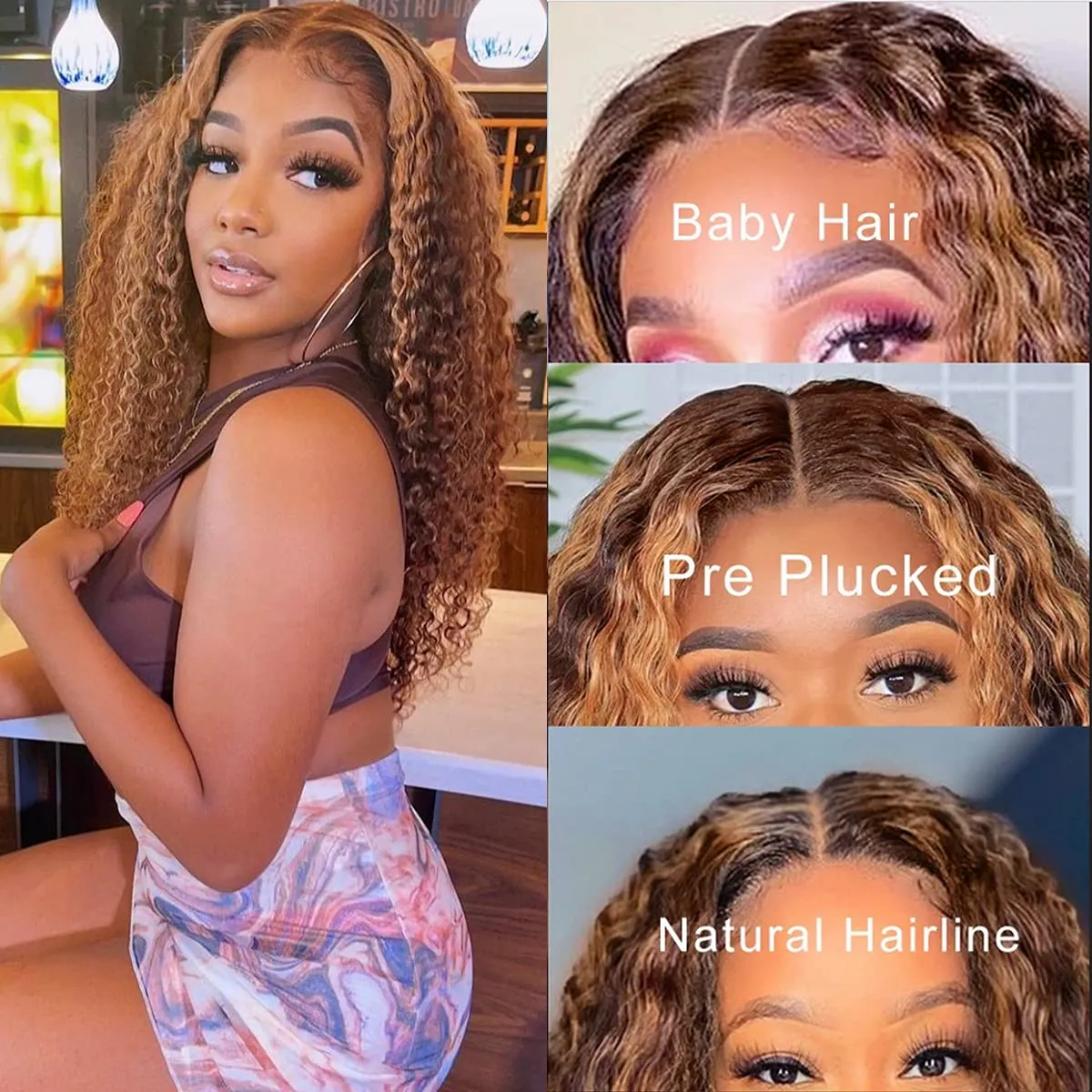
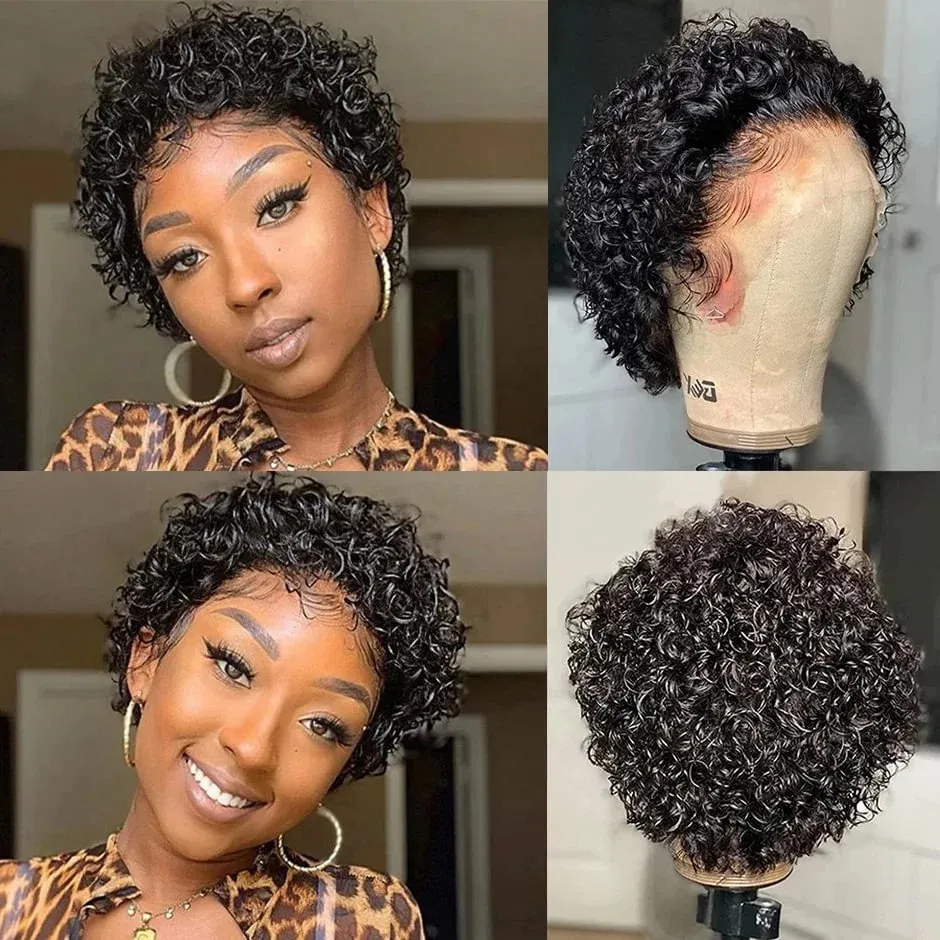
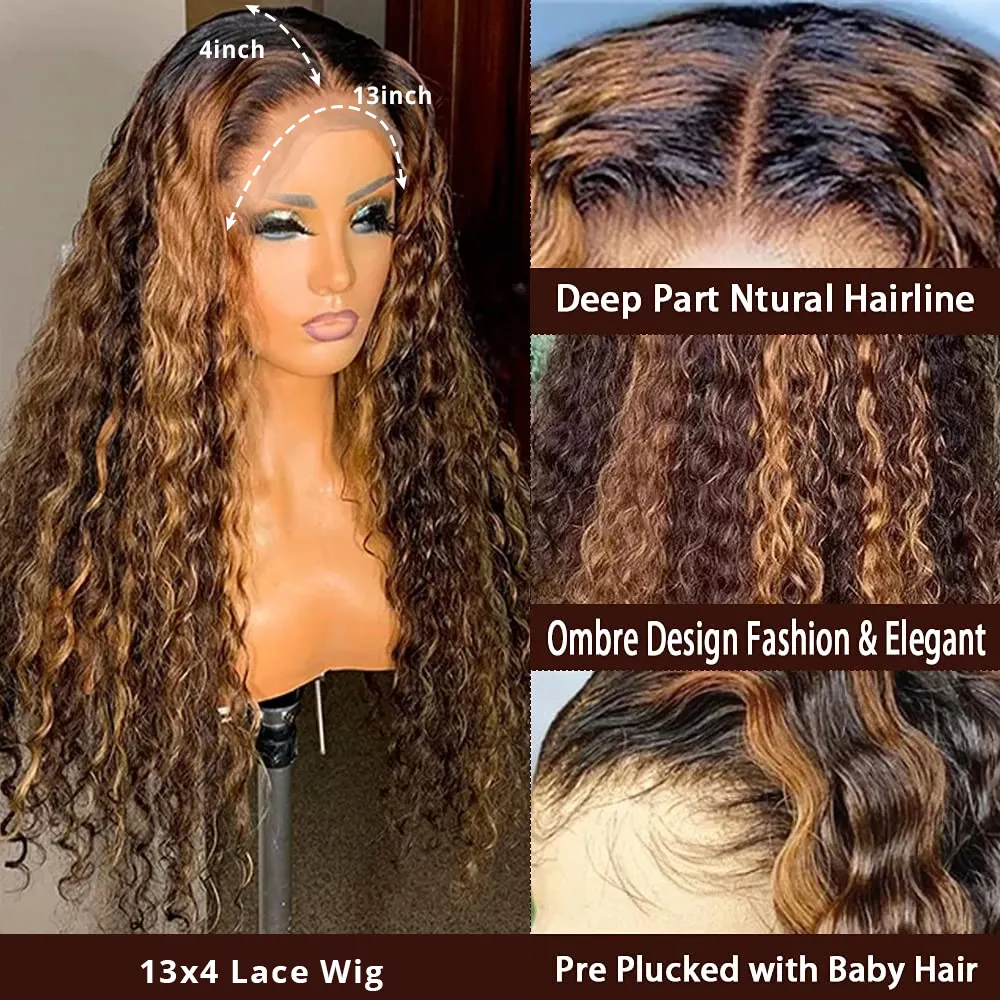
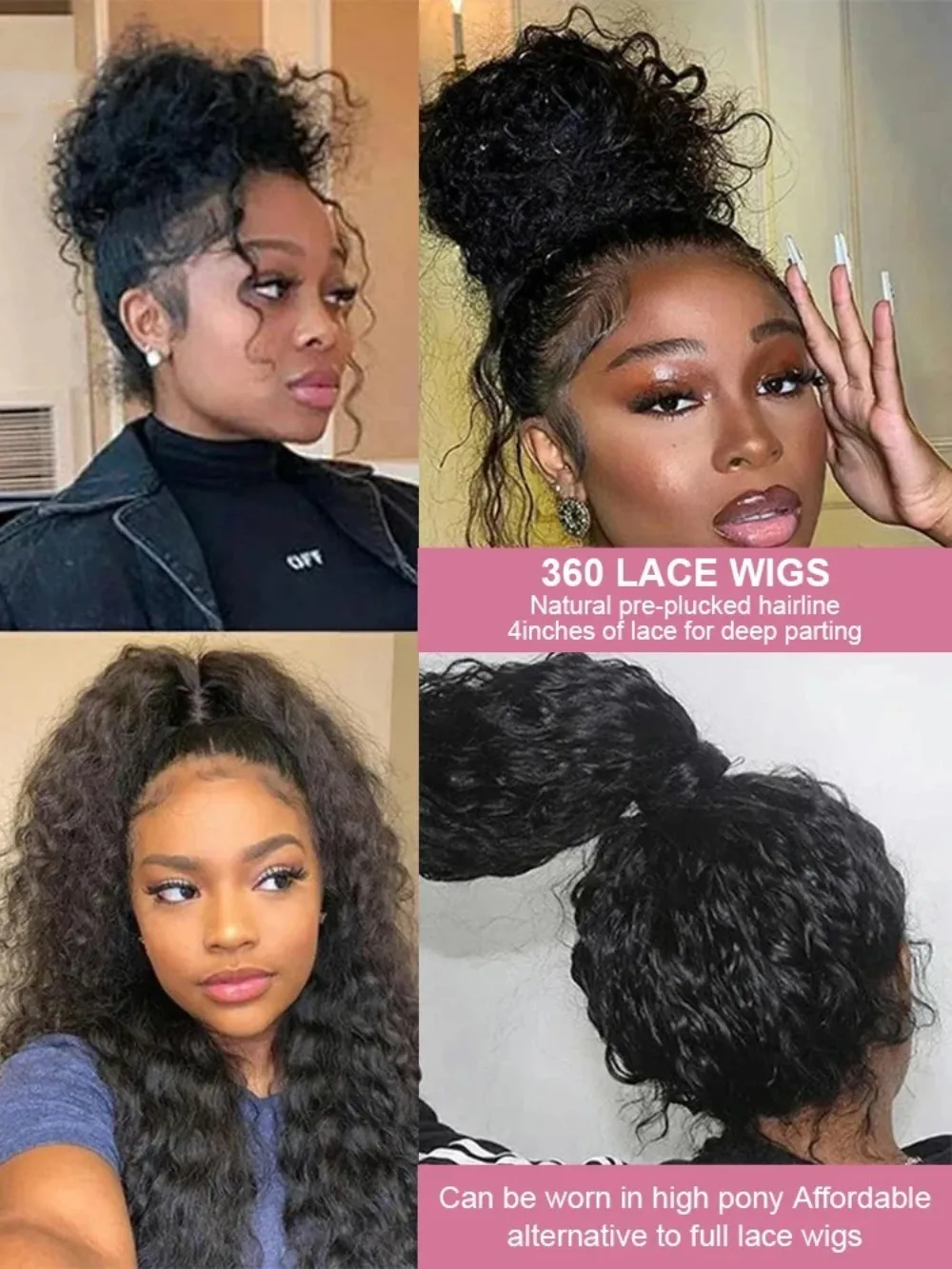
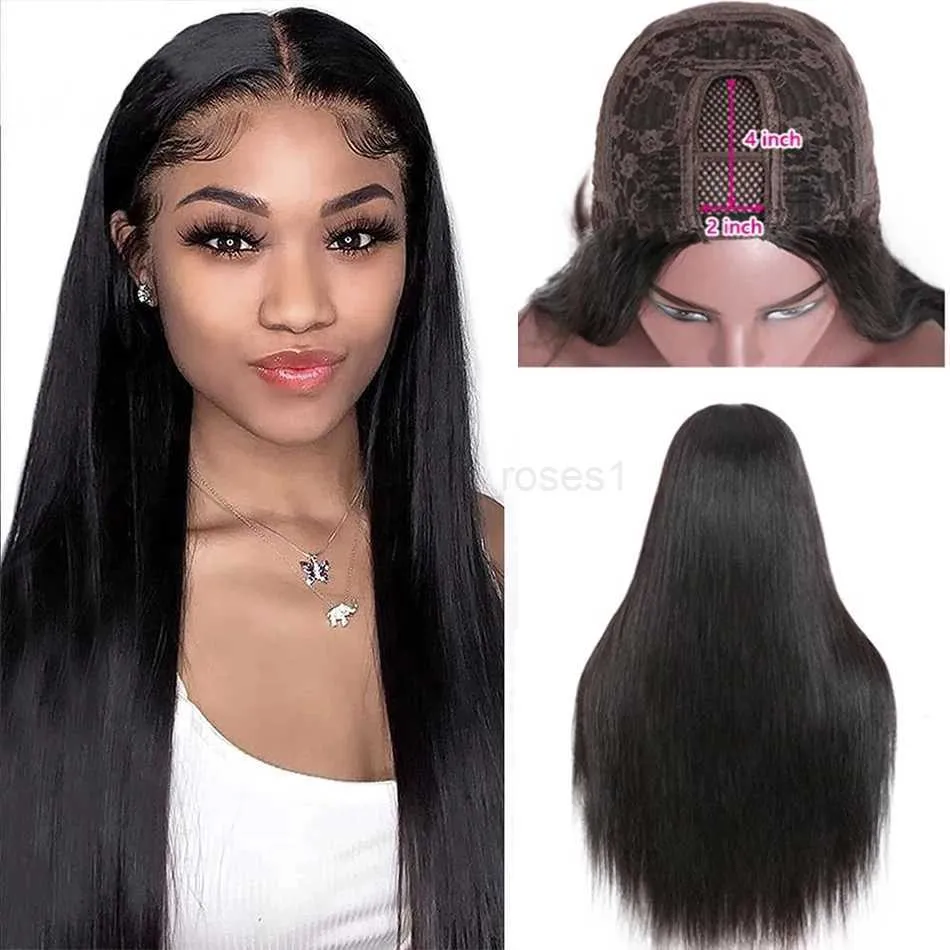
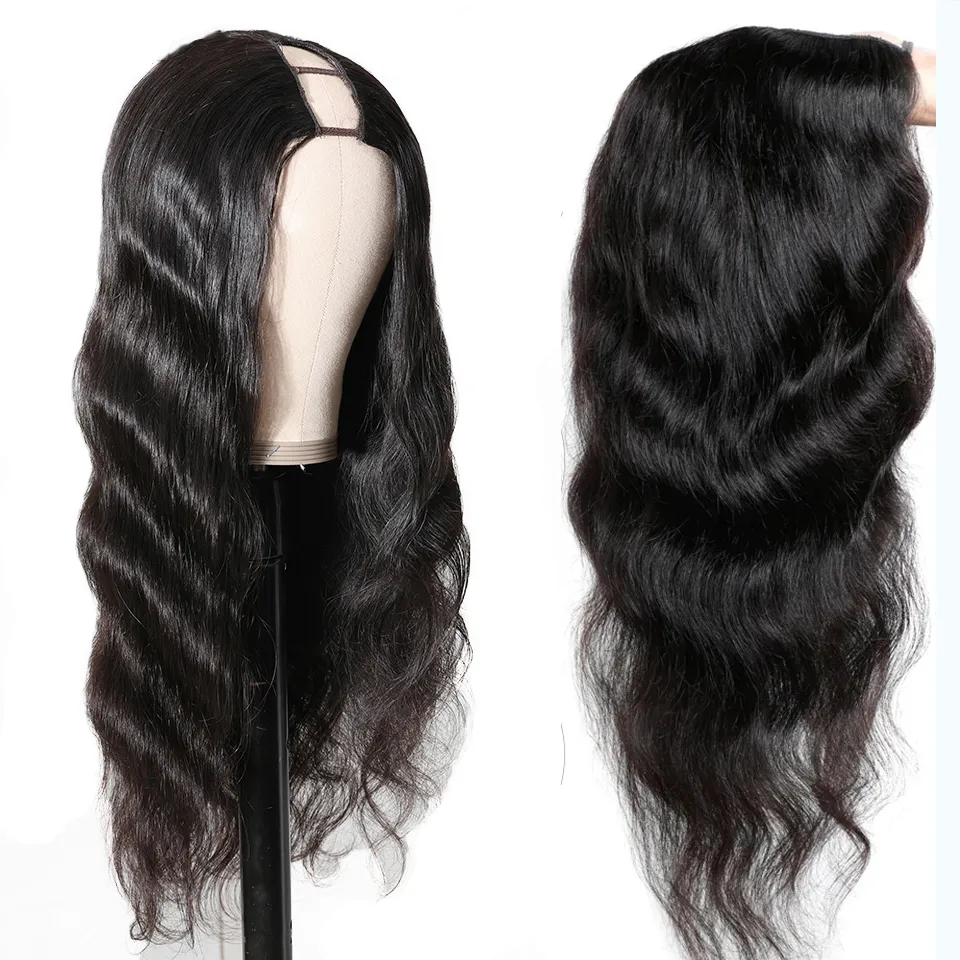
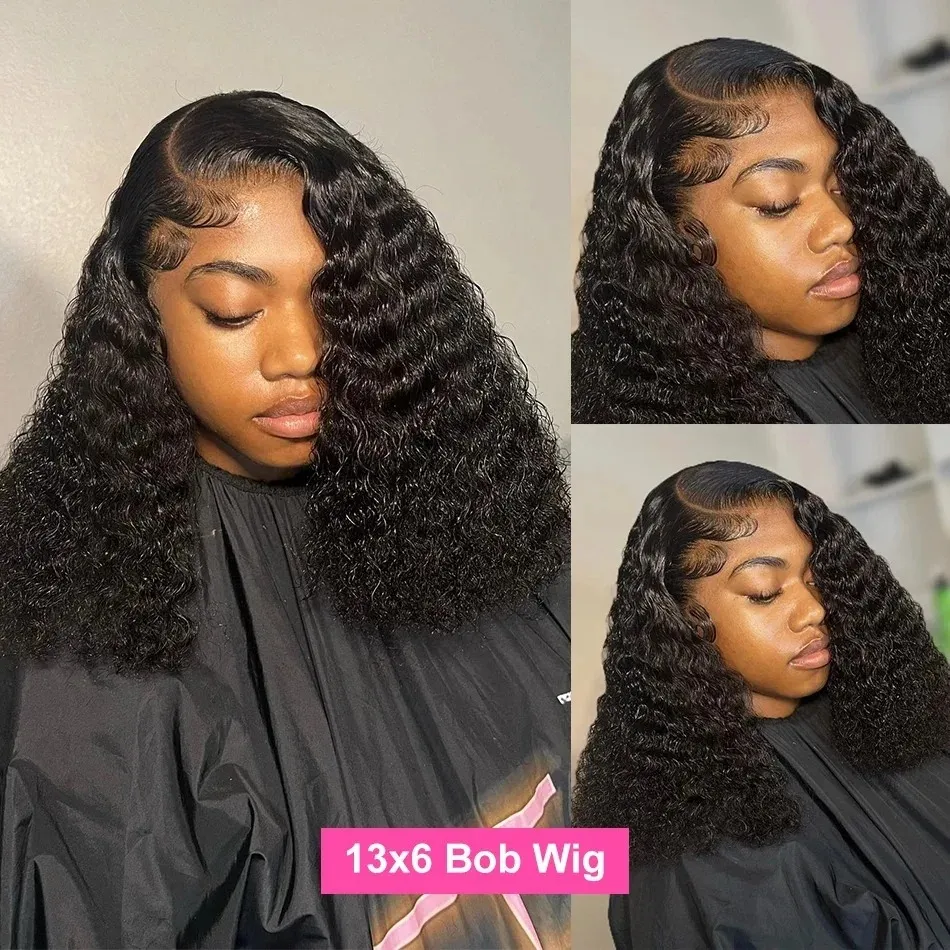
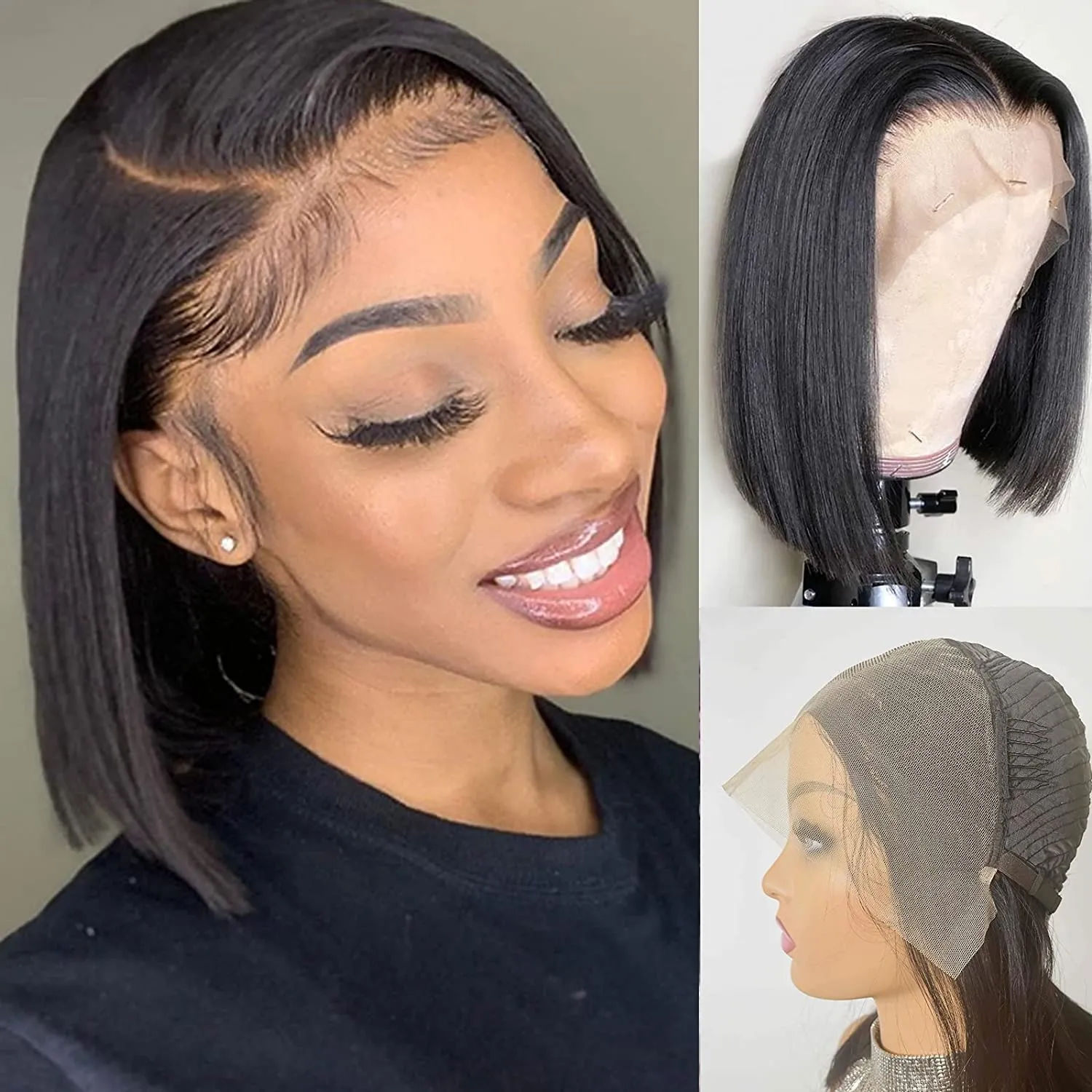
From 18th-century powdered styles to today's pre-styled lace fronts — wigs have always been about transformation. We're just better at making them look natural now.