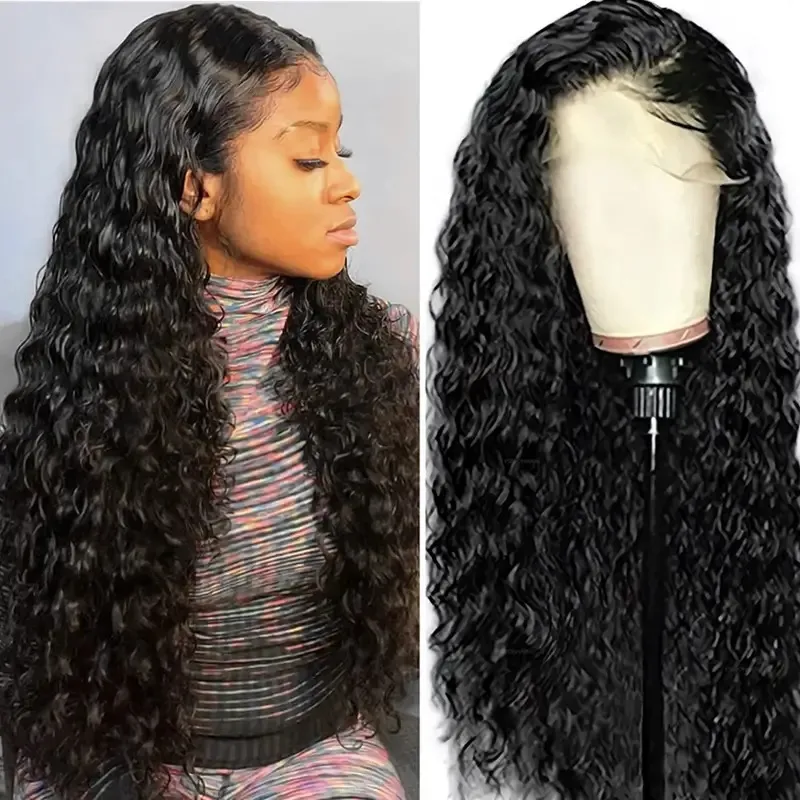






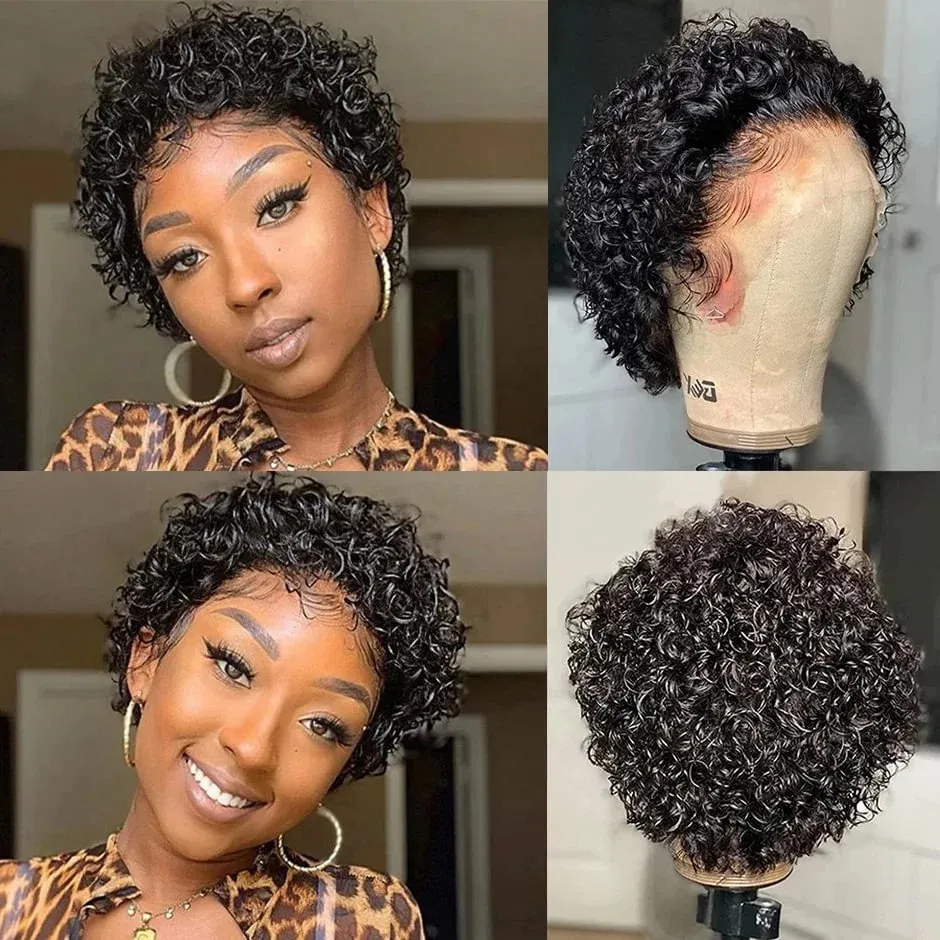
A wig sitting gently on your head does not automatically make your hair fall out. The problem is usually tension, friction, adhesive misuse, poor hygiene, or wearing the same tight setup for too long. In other words, wigs can contribute to hair loss, but they are rarely the only cause.
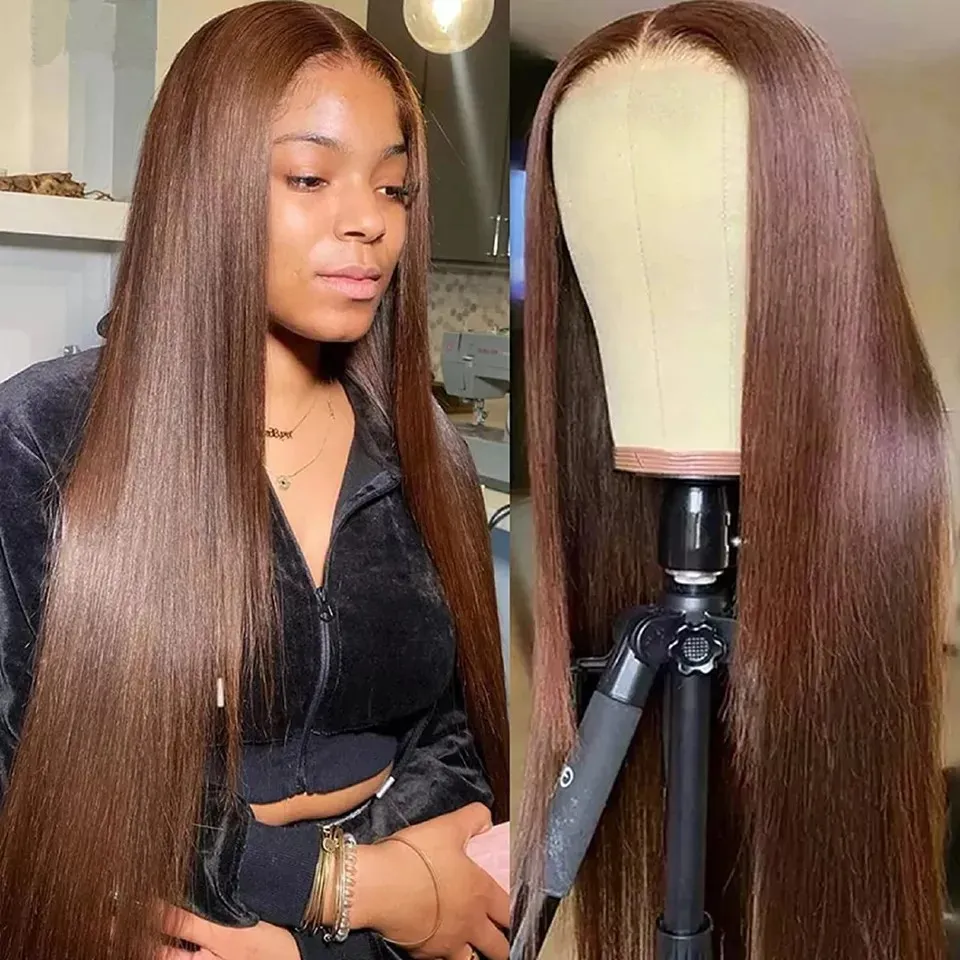
Traction alopecia is hair loss caused by repeated pulling on the hair or scalp. The American Academy of Dermatology warns that tight hairstyles and repeated stress can lead to this kind of hair loss. Wigs can become part of that problem when the install is too tight, combs dig into the same spot, braids underneath are painful, or glue is removed roughly.
Early traction hair loss may improve if you stop the pulling. If the tension continues for too long, follicles can scar and the loss may become permanent. That is why pain is not something to "push through." A wig install should feel secure, not sore.
Clips and combs can break fragile edges. Adhesive can pull out hair if you remove the lace without proper remover. A dirty wig cap can irritate the scalp. Wearing a wig over damp hair can encourage odor, itching, or scalp issues. Constant friction at the nape can cause breakage, especially with synthetic fibers and high collars.
Watch for headaches, sore braids, red bumps around the hairline, thinning edges, broken hairs, itching that gets worse after installs, or tenderness when you touch the scalp. These are not normal "beauty is pain" moments. They are warning signs.
Keep the foundation flat but not tight. Rotate comb placement or remove combs that dig. Use a wig grip instead of glue when possible. Clean your scalp and caps regularly. Take breaks between adhesive installs. Never rip lace off. Use the correct remover and let it dissolve the bond before lifting.
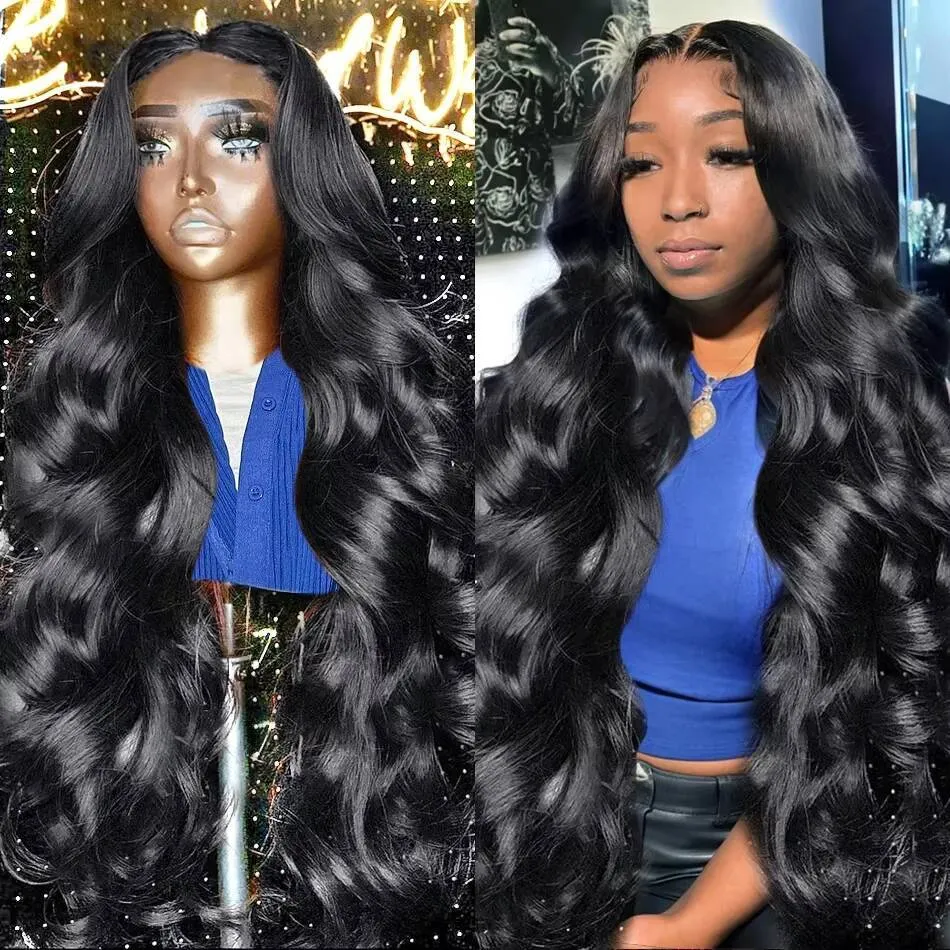
If you wear wigs for medical hair loss, choose softer liners and lighter caps. If you wear wigs as protective styling, remember that the hair underneath still needs washing, moisturizing, and rest.
If your edges are thinning, your scalp hurts, or you see smooth shiny patches where hair used to grow, get medical advice early. Early traction alopecia is easier to address than long-term scarring hair loss.
Bottom line: wigs do not have to cause hair loss. Tight installs, rough removal, repeated friction, and neglected scalp care are the real danger. A good wig routine should protect your hair, not punish it.