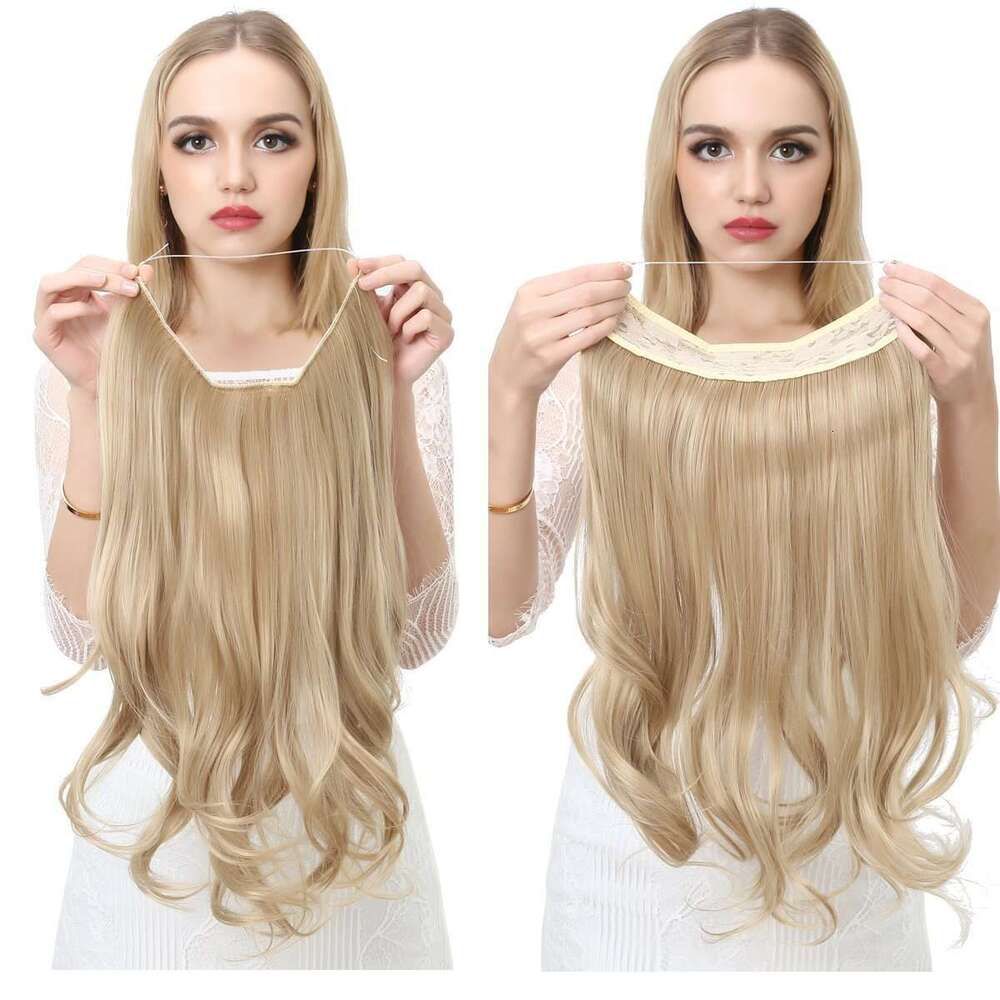
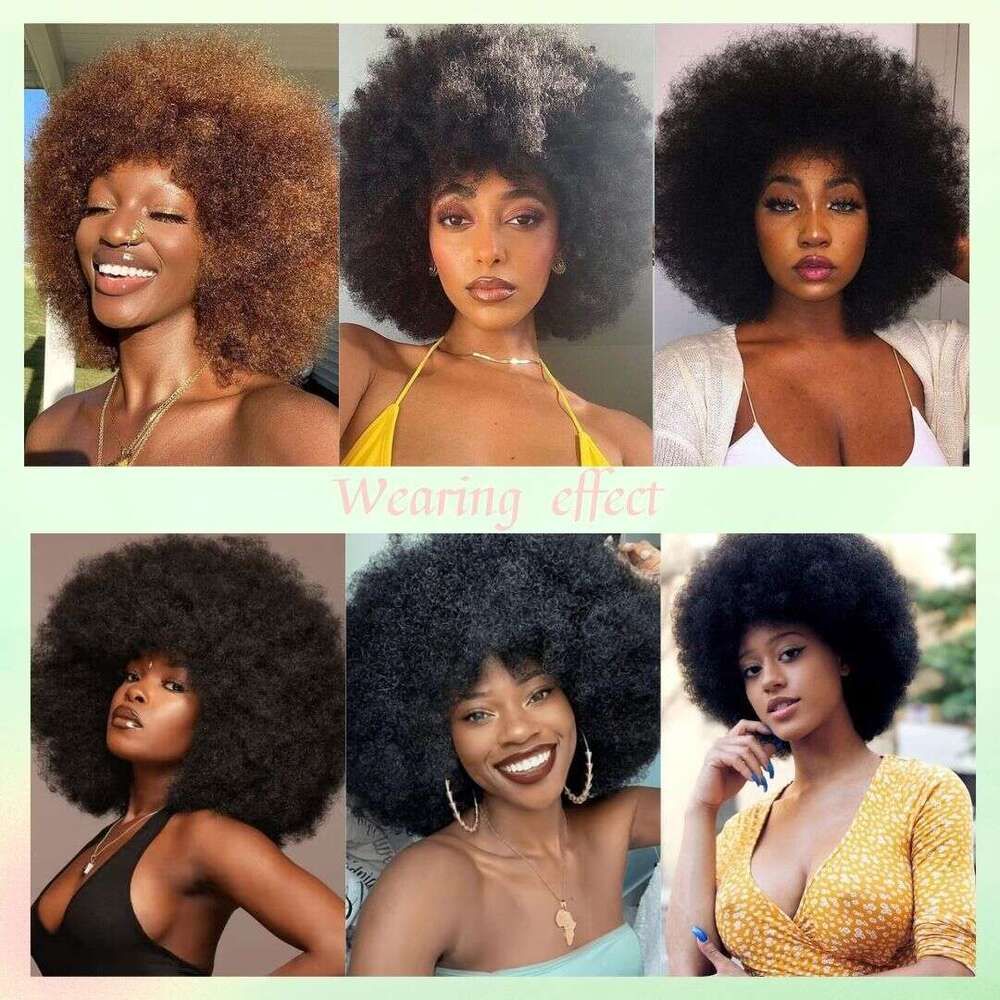
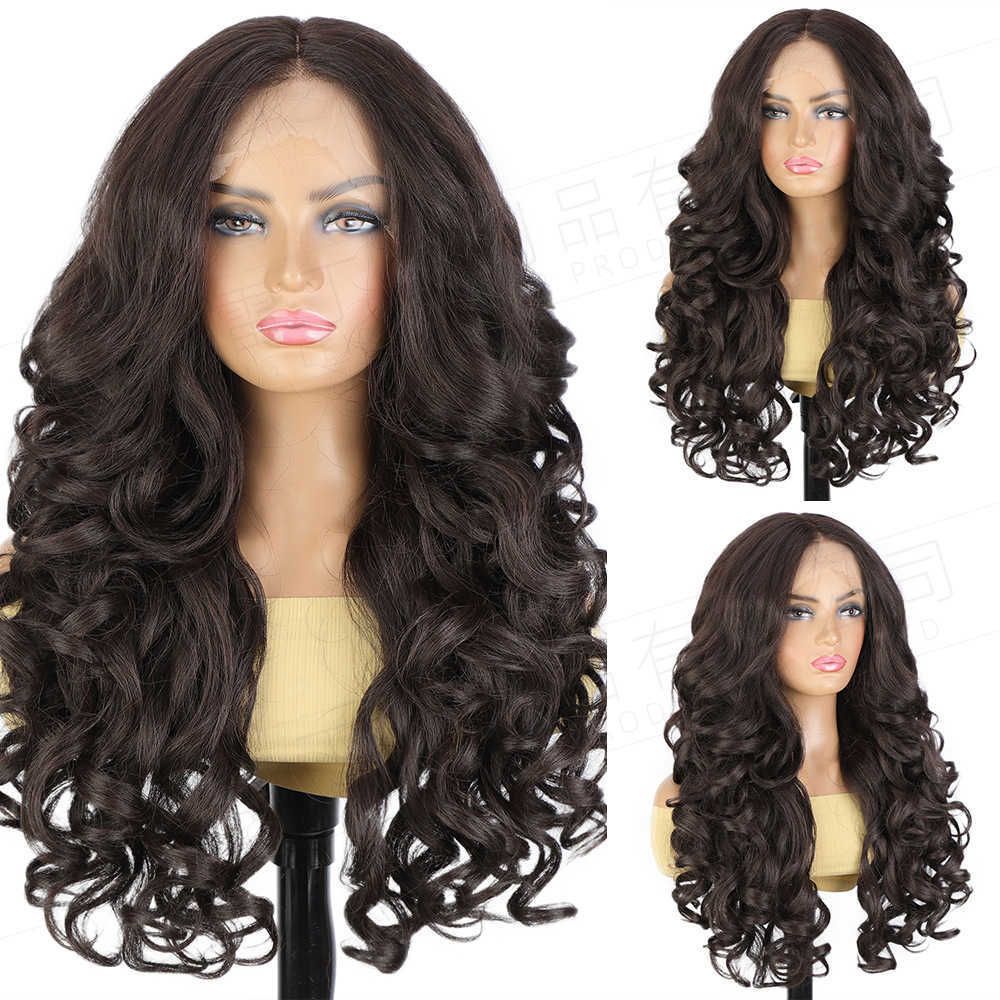
European and American style wigs with abundant hair volume. The
$30
RizzWigs category collection
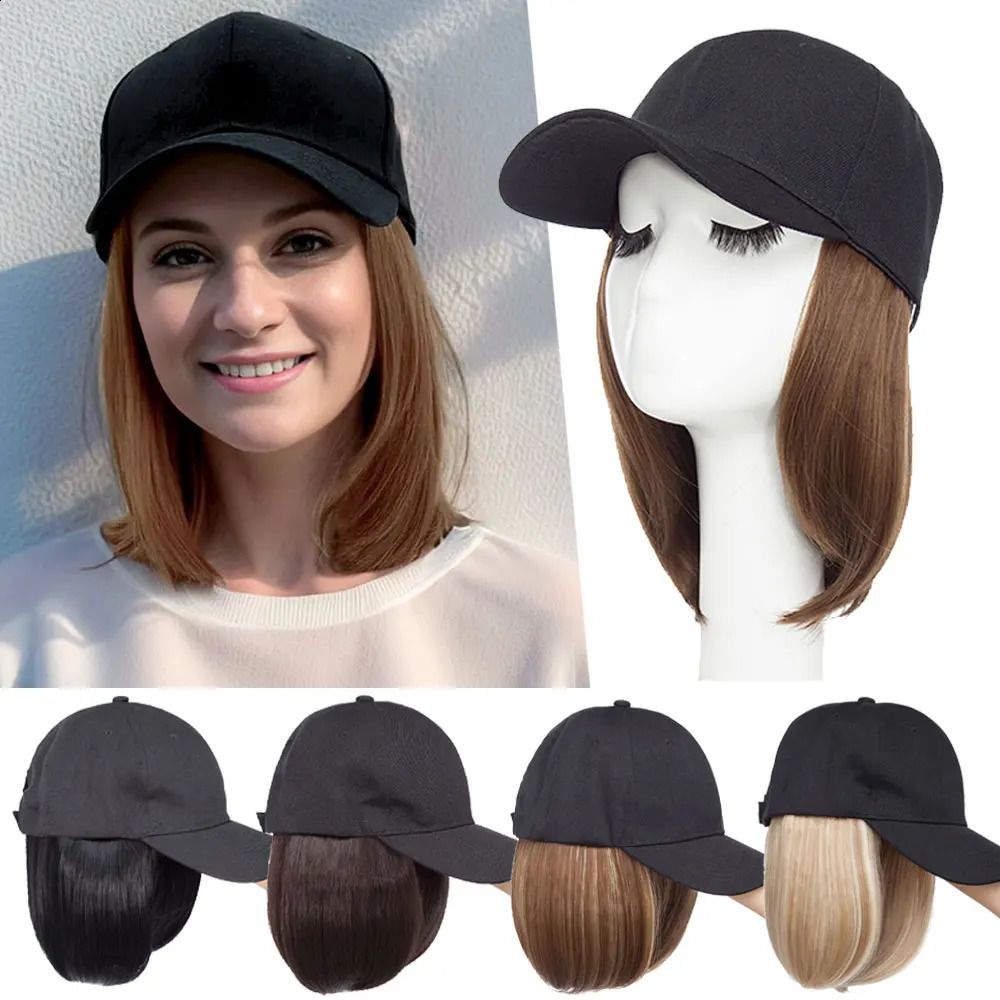
Shop wig cap wigs built around comfort, coverage, stability, and easy everyday wear. This category is prepared for cap-focused wig styles including glueless wig caps, lace front cap construction, adjustable straps, breathable inner caps, beginner-friendly fits, protective coverage, and styles that help shoppers choose a wig by how it feels on the head, not only by how it looks in the first product photo.
Category overview
Wig cap wigs are for shoppers who care about what happens under the style. A beautiful wig can still be a poor choice if the cap feels tight, slips during movement, traps too much heat, or creates bulk around the hairline. This category focuses on the practical side of wig shopping: how the cap sits, how it adjusts, how much coverage it gives, whether it can be worn without glue, and whether the construction feels suitable for daily wear. Those details are especially important for beginners, protective styling, long work days, travel, and customers who want a wig that feels easy before it looks perfect.
The product grid below is ready for collected wig cap wigs. When products are added, shoppers will be able to compare images, titles, price, cap notes, lace construction, texture, length, and product detail links in one focused list. The written guide explains how to choose a cap based on head size, natural hair coverage, hairline needs, breathability, and styling routine. This gives the page useful content before the product feed is mounted, while leaving a clean structure for dozens of product cards later.







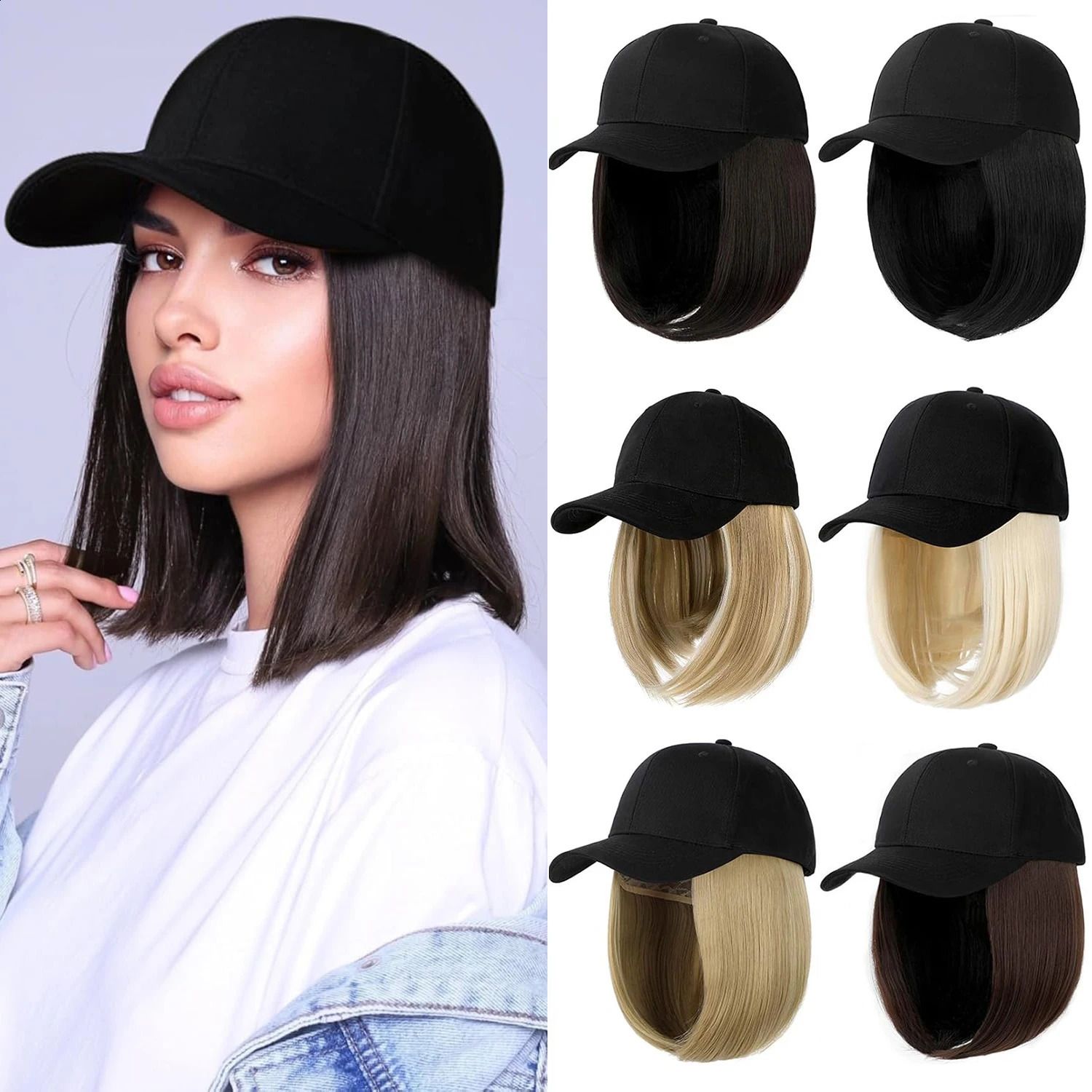
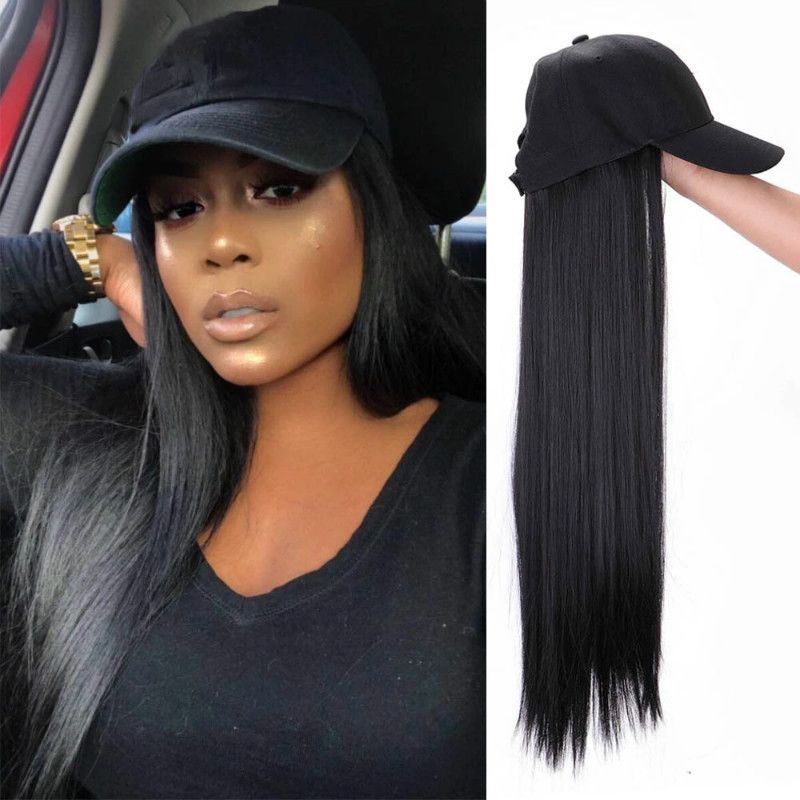
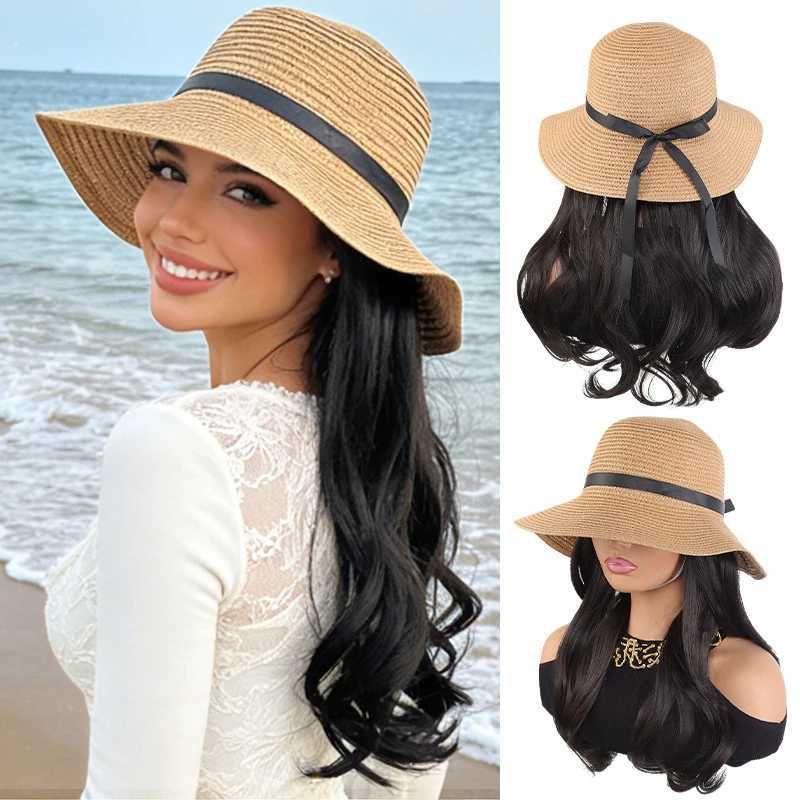
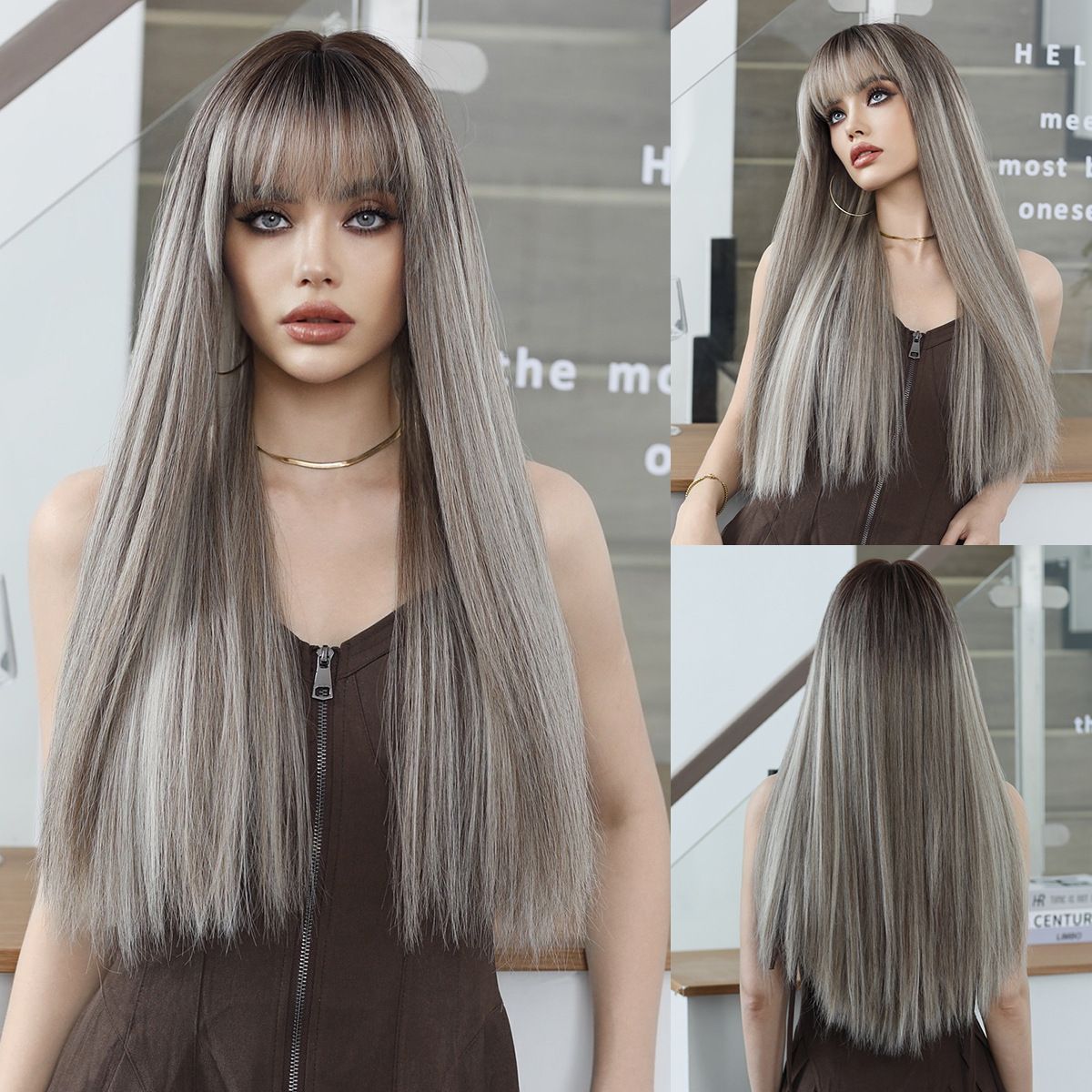

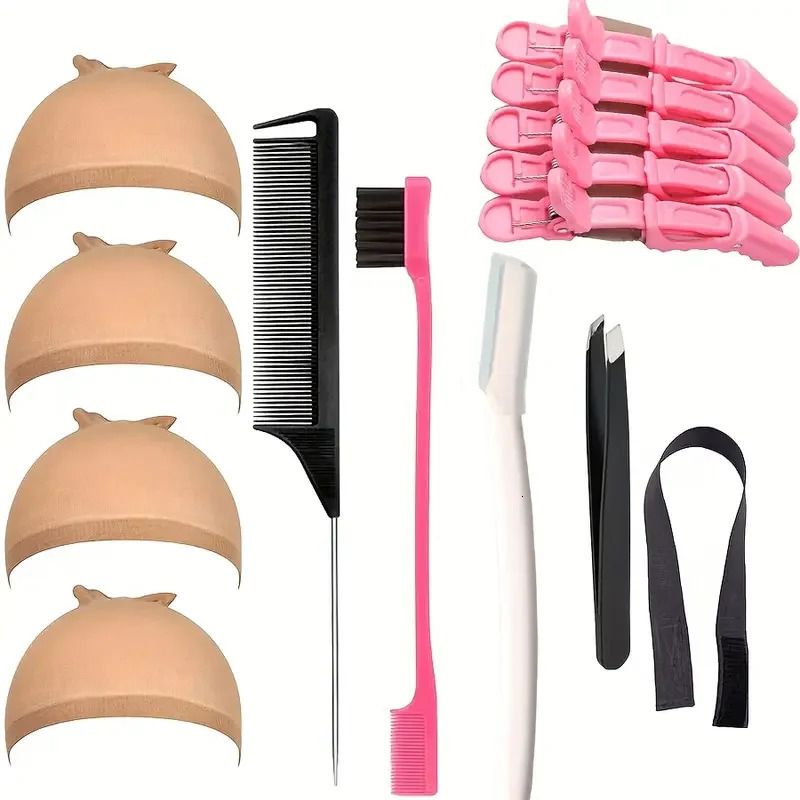
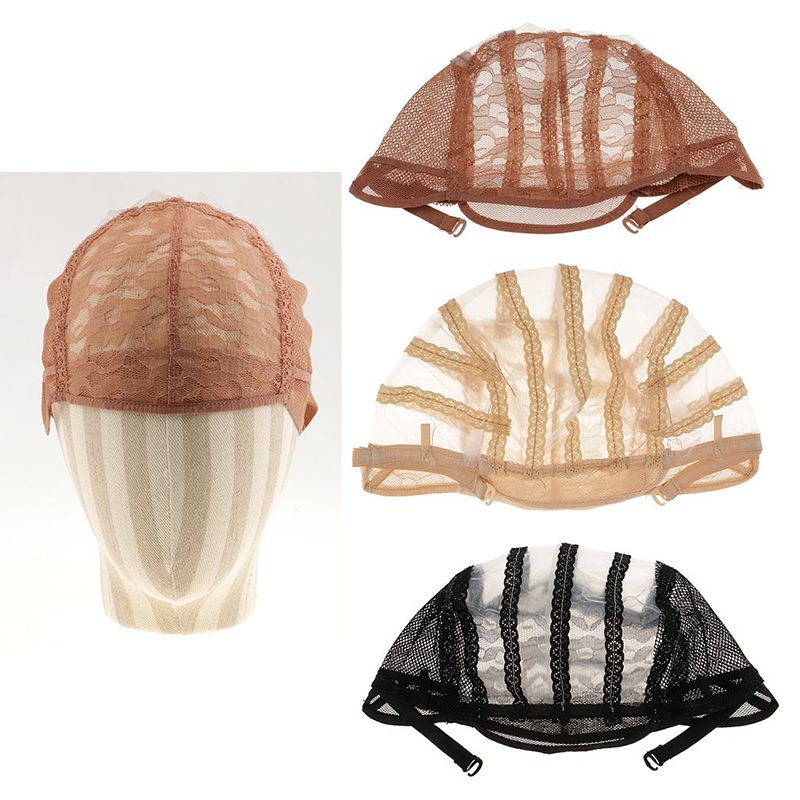
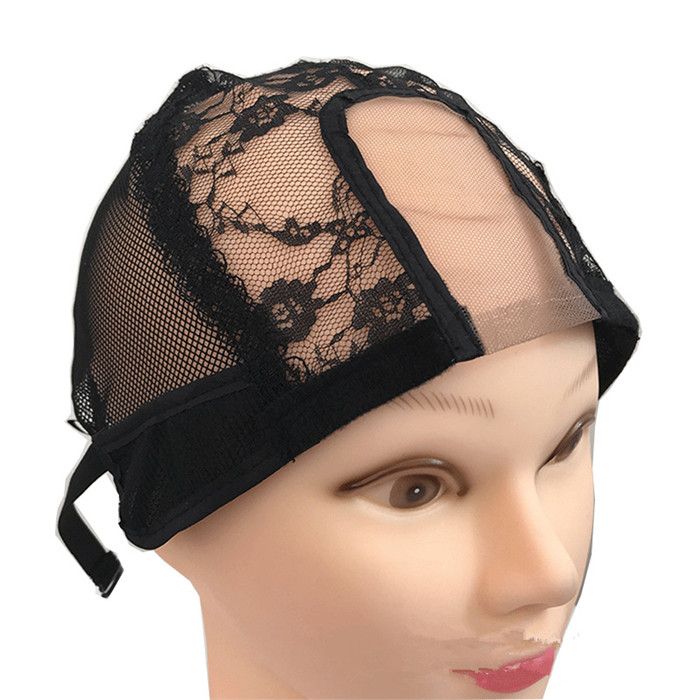
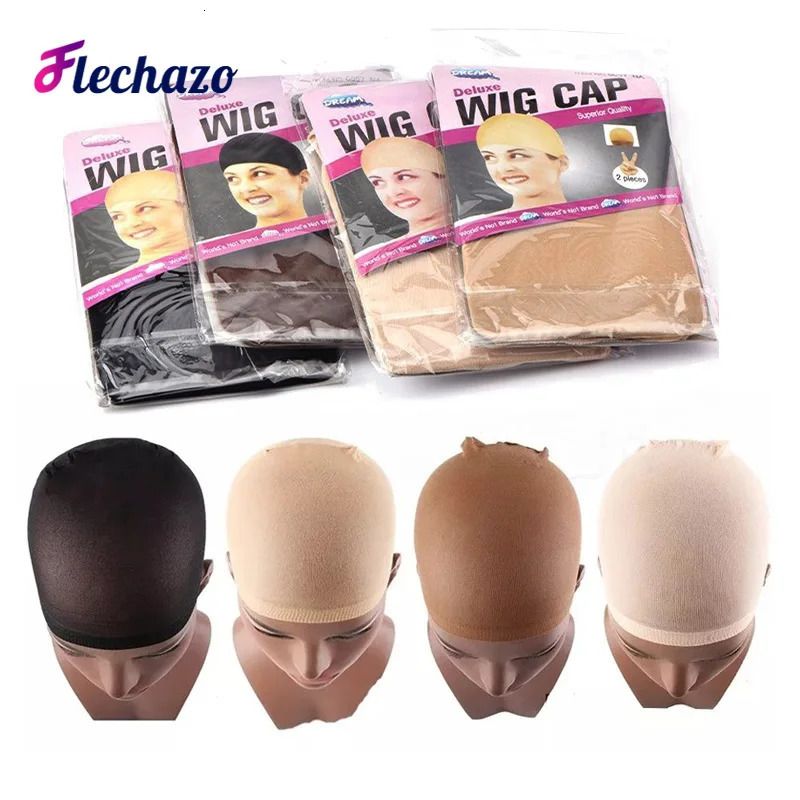
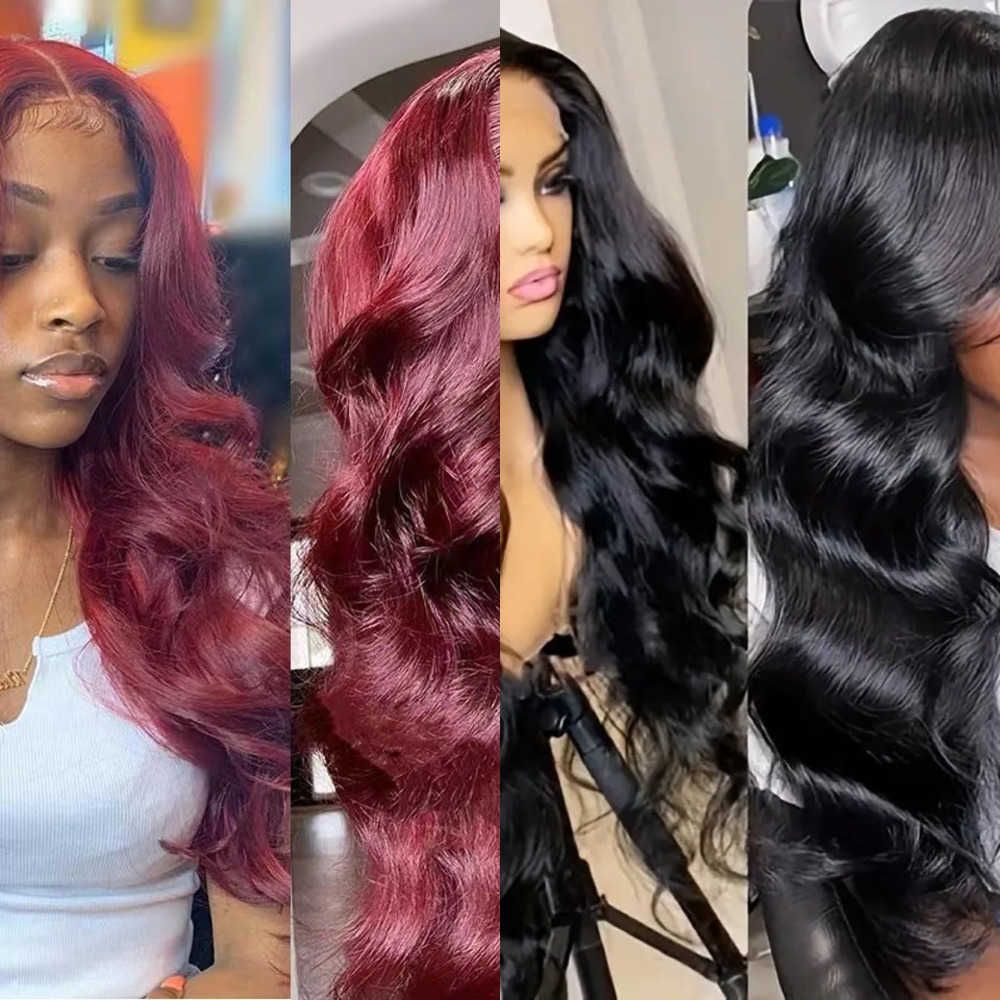
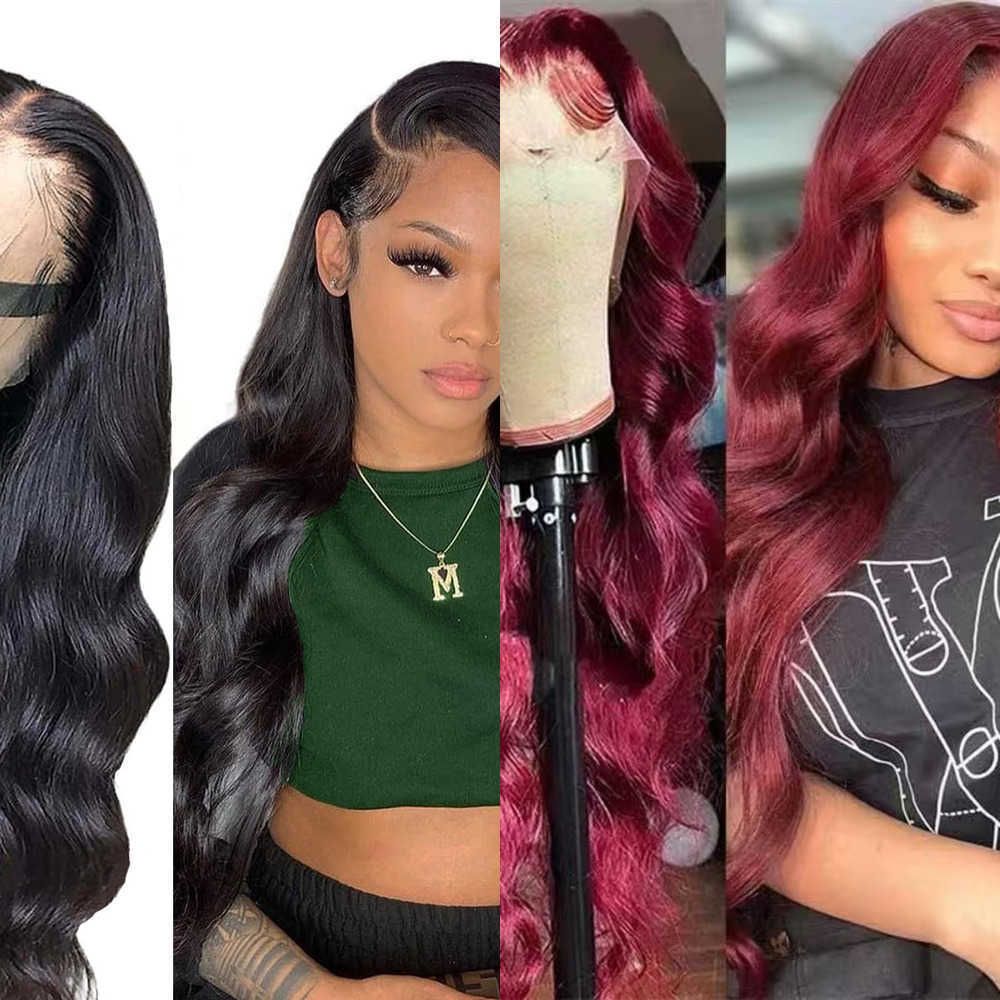


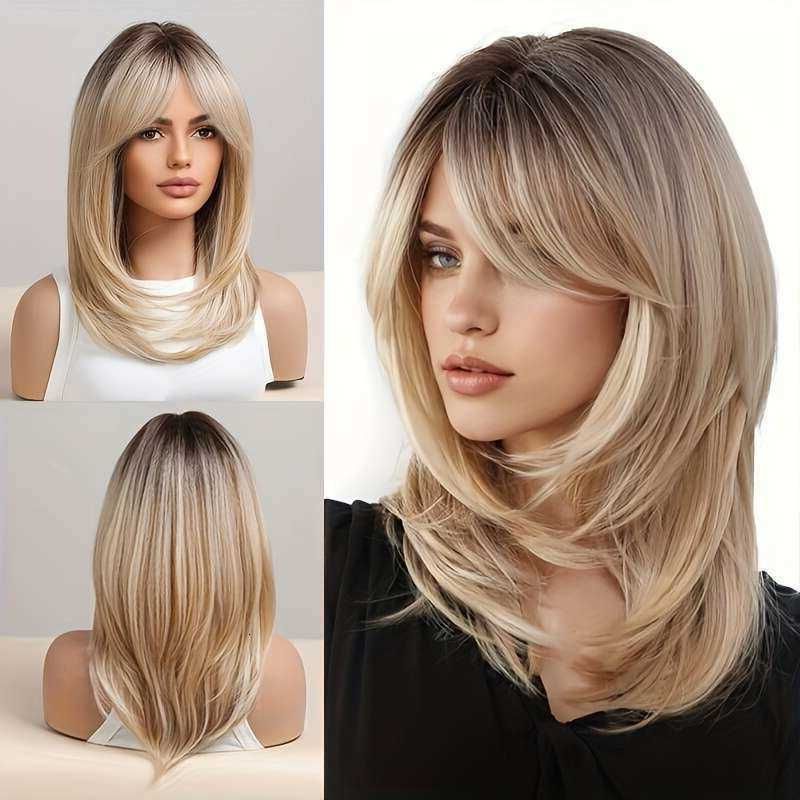
Buying guide
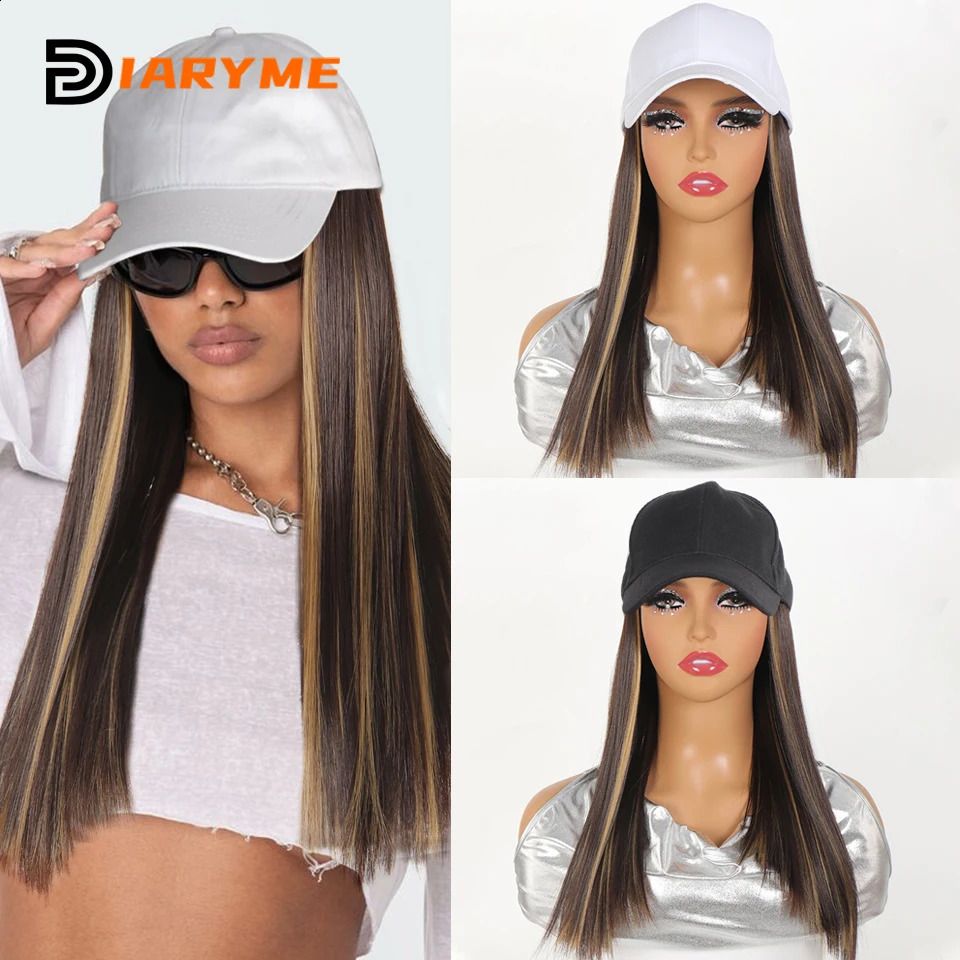
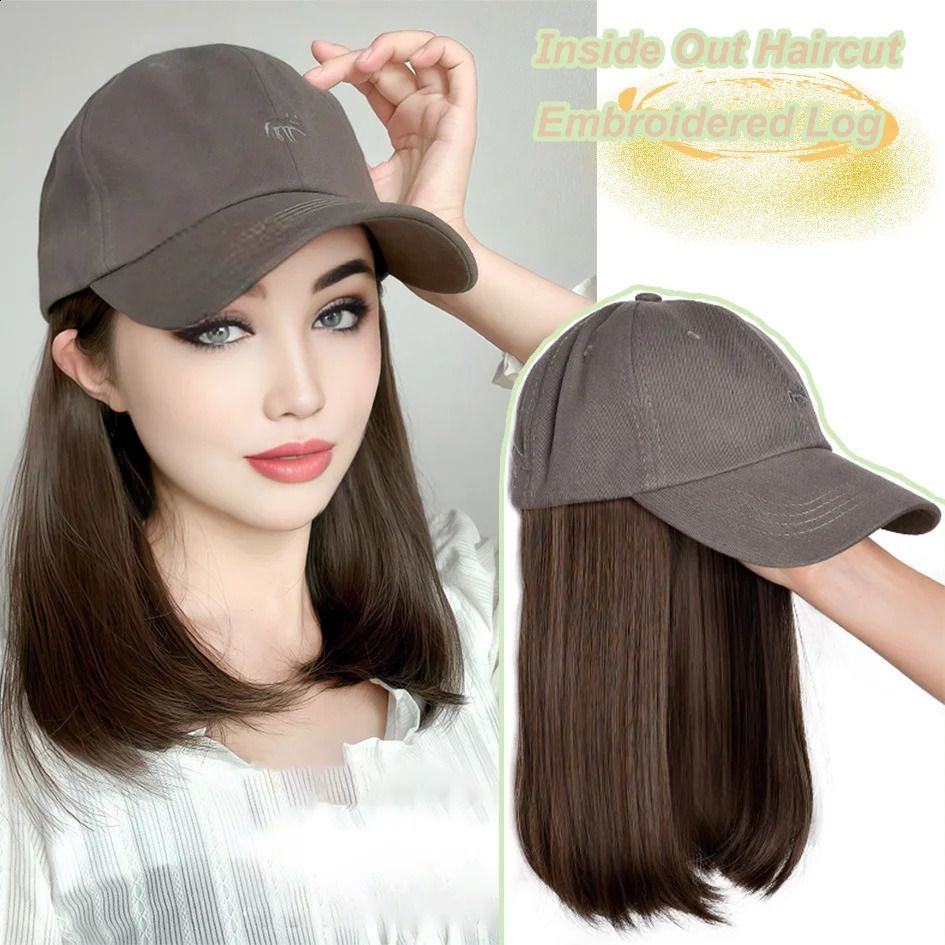
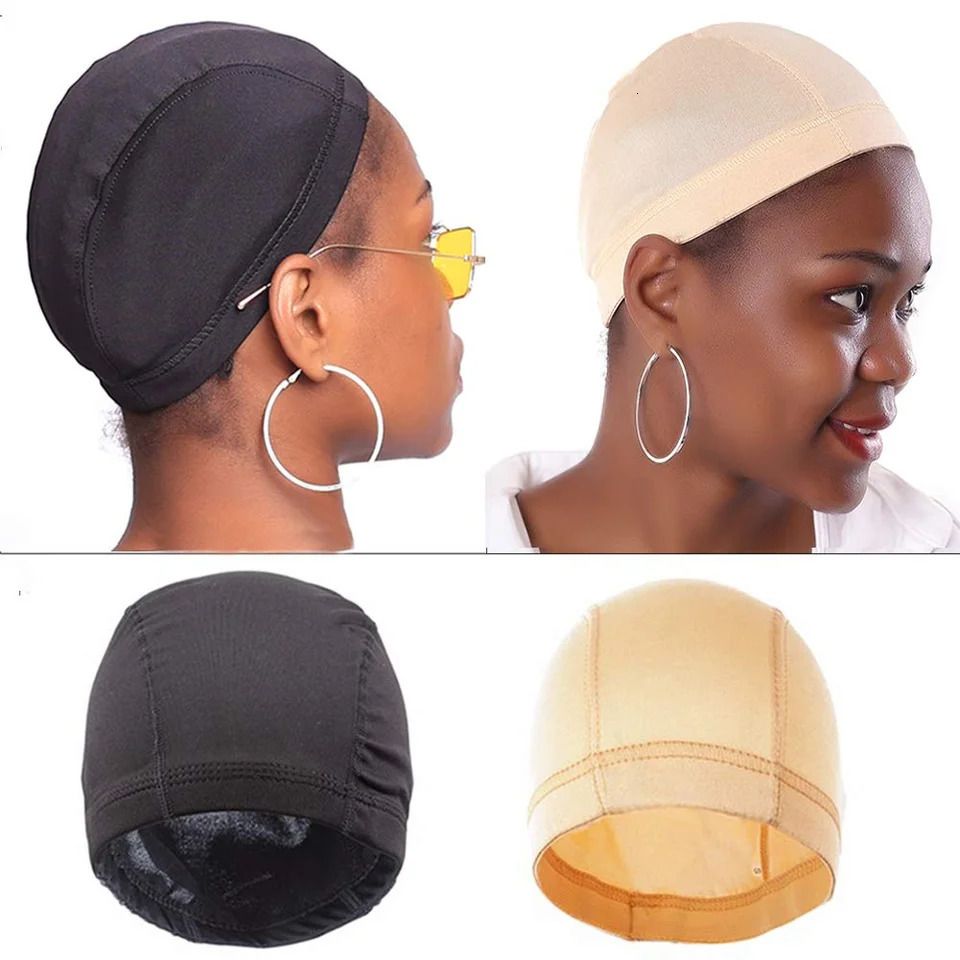
Choosing wig cap wigs online begins with fit. A cap should feel secure, but it should not press painfully at the temples, ears, crown, or nape. Average size caps work for many shoppers, but head shape, natural hair volume, braids, cornrows, and wig grip accessories can change the fit. When product details mention adjustable straps, elastic bands, combs, clips, or drawstring features, those details help the buyer understand how the wig stays in place. A secure cap is useful for long days, active movement, outdoor wear, and any shopper who wants confidence without constantly touching the wig.
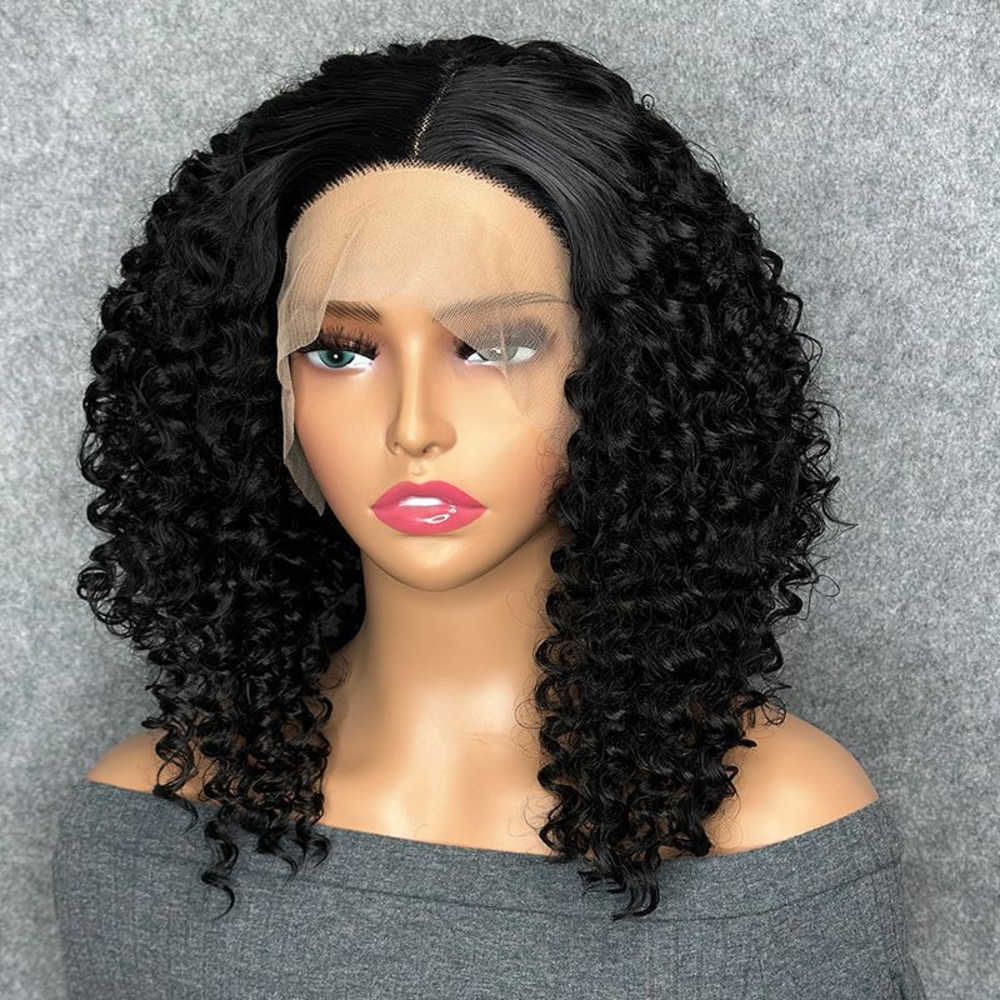
Coverage is the second major decision. Some shoppers need a wig cap that covers natural hair fully and sits flat over protective styles. Others want a lighter cap that feels breathable and quick to place. A lace front cap may help the hairline look softer, while a closure cap can be easier for beginners because the parting area is more controlled. Full lace and wider lace caps can offer more styling freedom, but they may require more setup and care. A useful category page should make these differences visible so visitors understand why one wig cap style may be better for daily routines while another is better for styling flexibility.
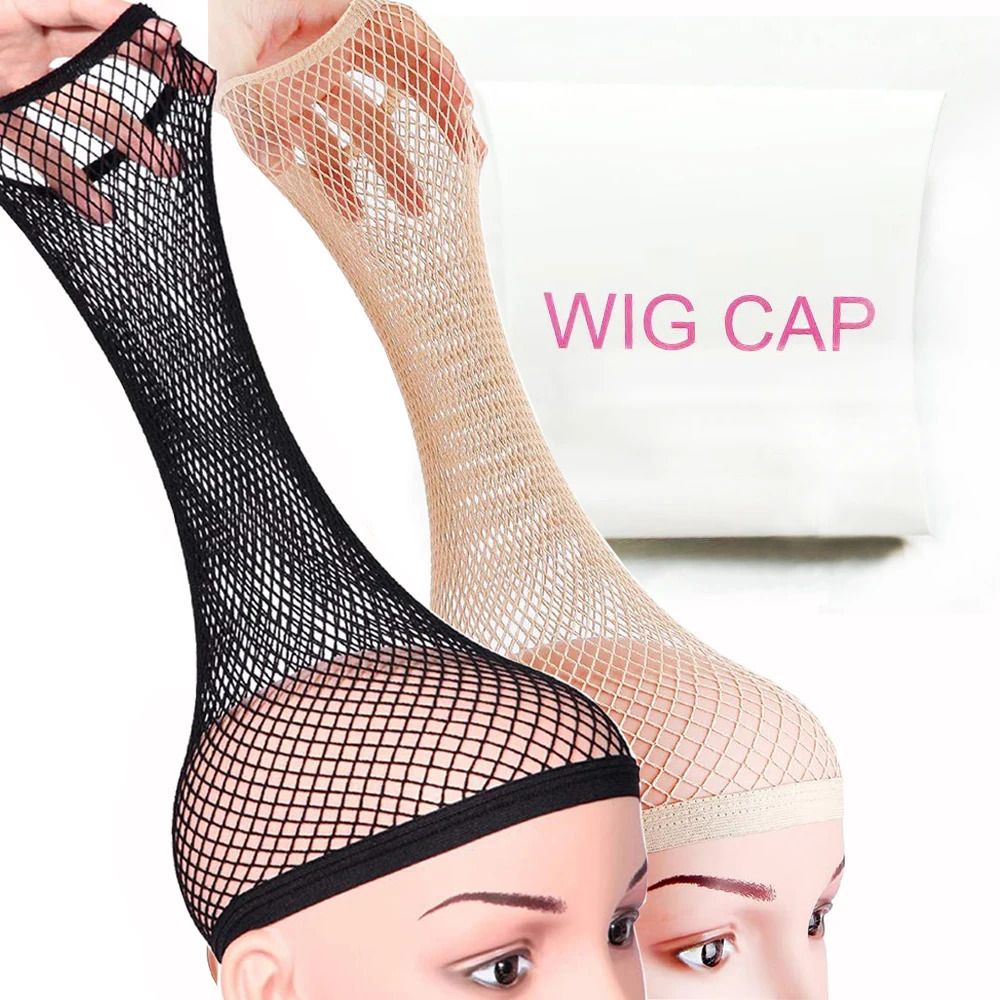
Breathability also matters. Customers often shop for wigs by texture and color first, but the inner cap affects whether the wig can be worn comfortably for several hours. A breathable wig cap can help reduce heat buildup, especially in warm weather, under long hair, or during busy daily schedules. Lighter density, open wefting, soft inner materials, and adjustable construction can all make the wearing experience easier. Shoppers should compare the cap design with how often they plan to wear the wig, how sensitive their scalp feels, and whether they prefer a quick glueless routine or a more customized install.
Cap fit is the first filter for wig cap wigs. Adjustable straps, stretch panels, elastic bands, and combs can help a wig feel more secure. Shoppers with thicker natural hair or protective styles should pay close attention to cap size and crown space. A comfortable cap should stay in place without creating pressure or pulling at the hairline.
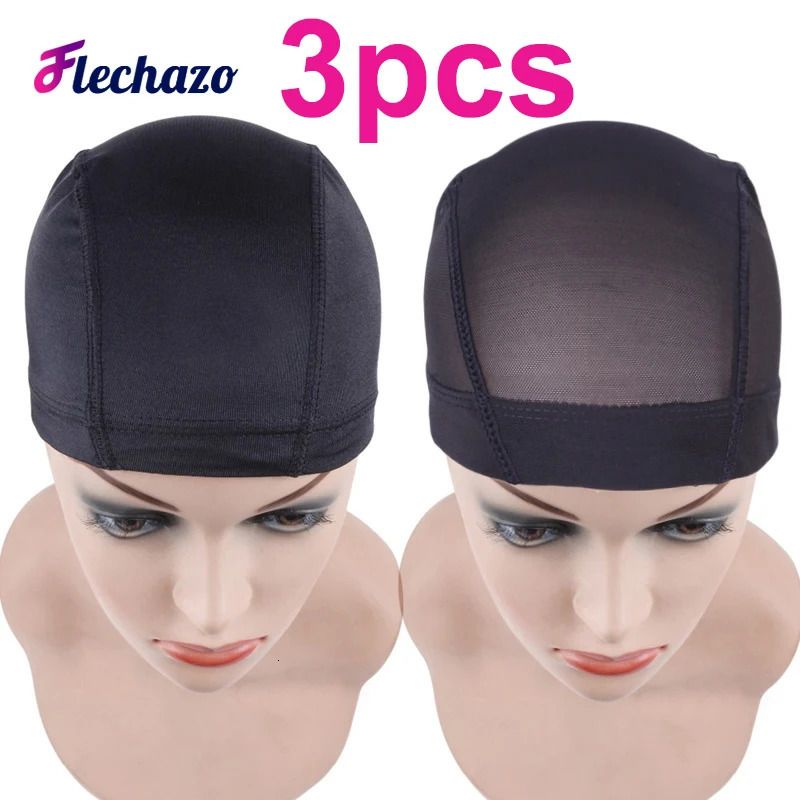
Lace front caps help create a softer front hairline. Closure caps can be simpler for daily wear. Glueless wig caps are popular with beginners because they reduce adhesive work. Full lace or wider lace areas can give more styling freedom, but they usually require more careful handling. Product cards should make cap construction easy to scan.
A shopper wearing a wig for work may want breathable comfort and natural density. Someone preparing for an event may prioritize lace detail and styling flexibility. A beginner may prefer a ready-to-wear cap that feels secure out of the package. A strong product list connects cap design to the way the wig will actually be used.
Fit guidance
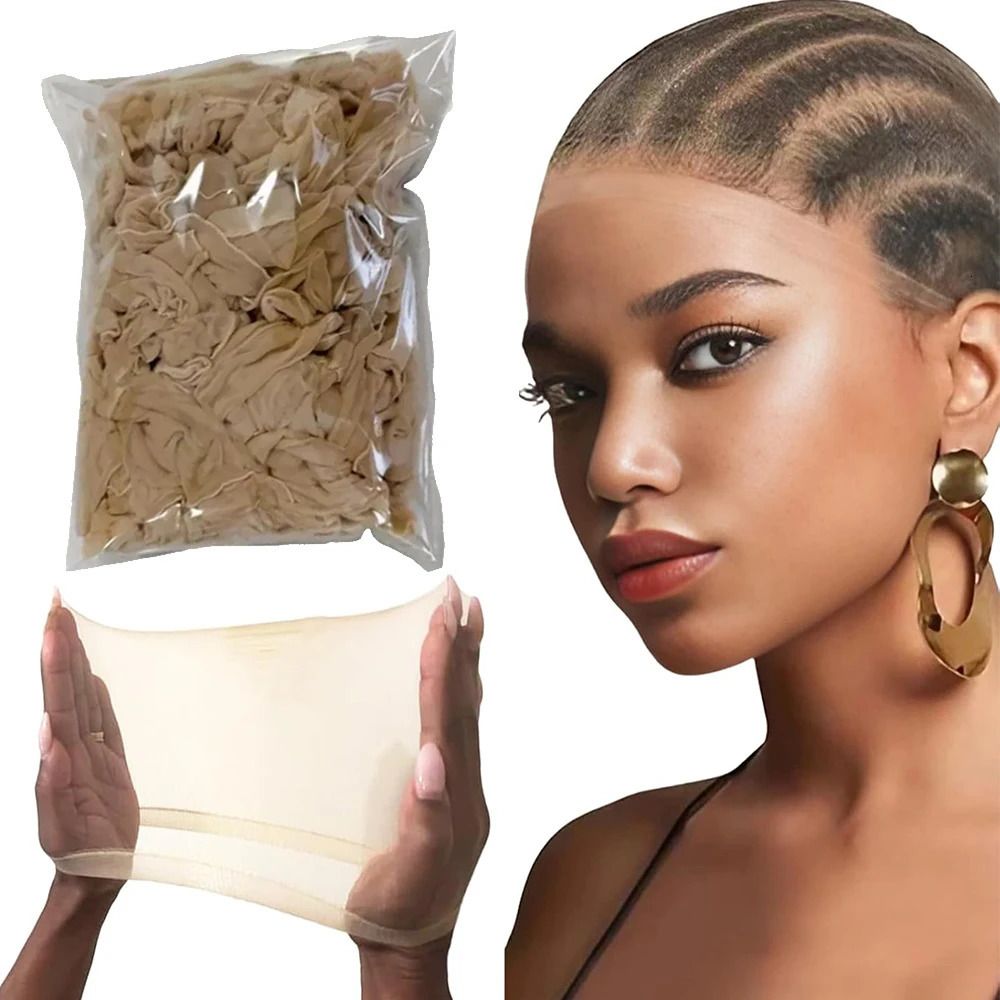
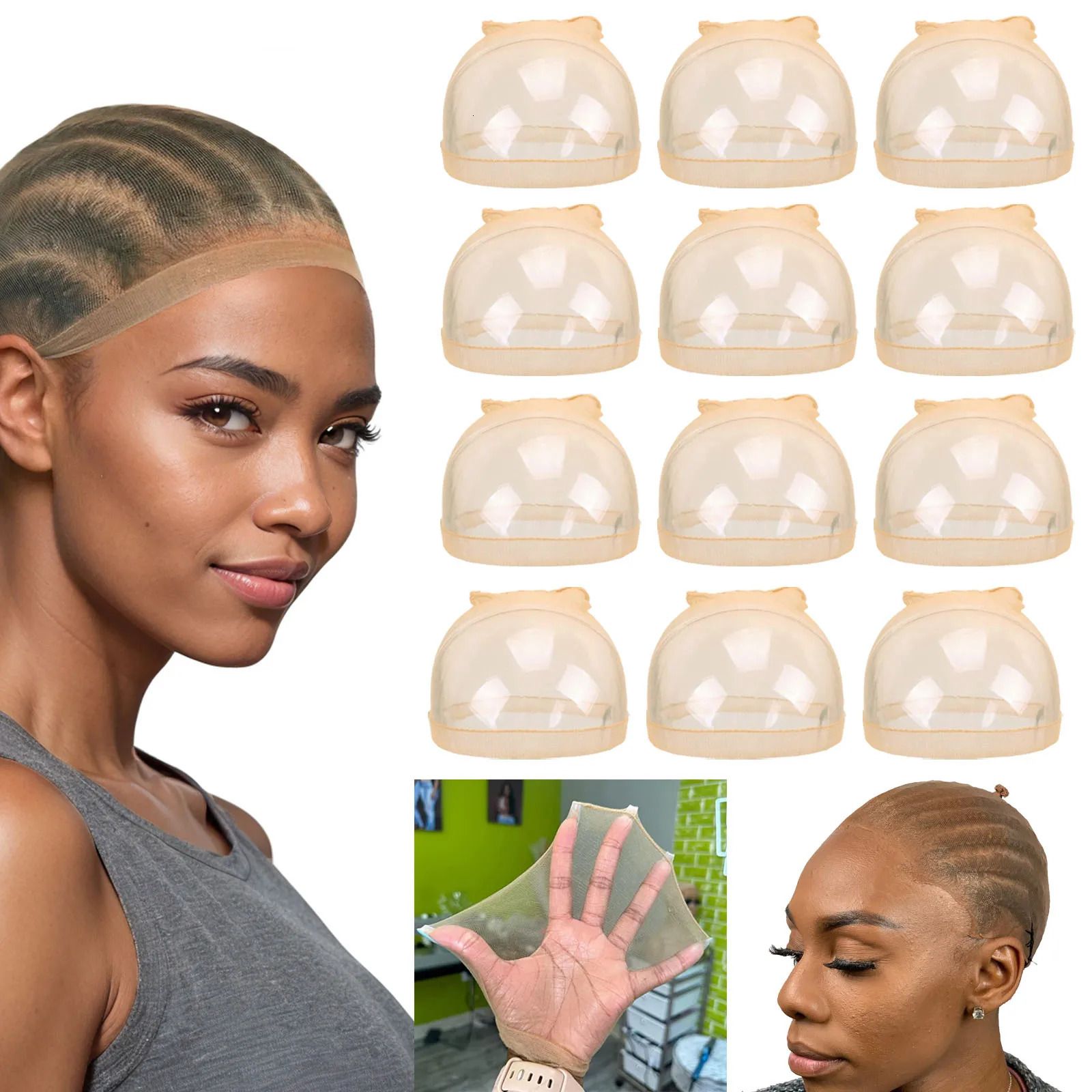
Comfort starts with balance. A cap that is too loose can slip, especially around the nape or crown. A cap that is too tight can create headaches, sore edges, or tension around the hairline. The best wig cap wigs give the wearer enough security to move naturally while still feeling soft against the scalp. This is why cap size, stretch, adjustment method, and inner lining deserve attention on the category page. Shoppers should also think about how their natural hair will be prepared under the wig. Flat braids or a smooth wig liner can make the finished style sit better and feel more stable.
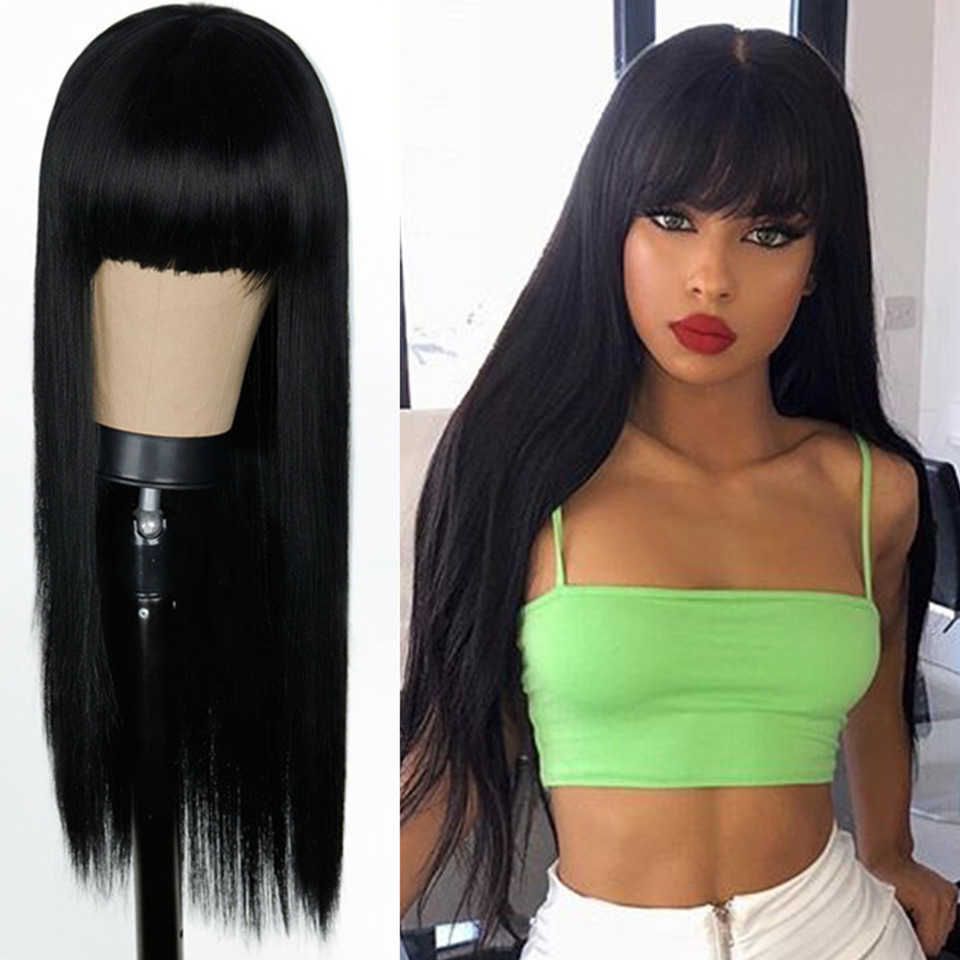
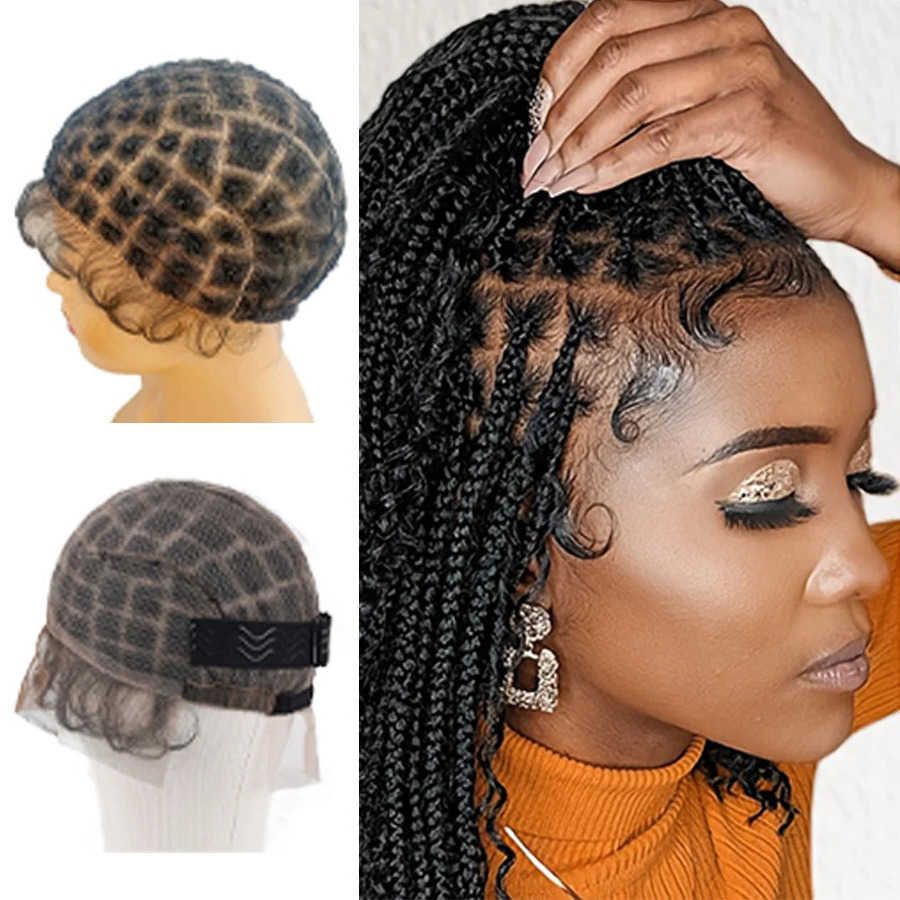
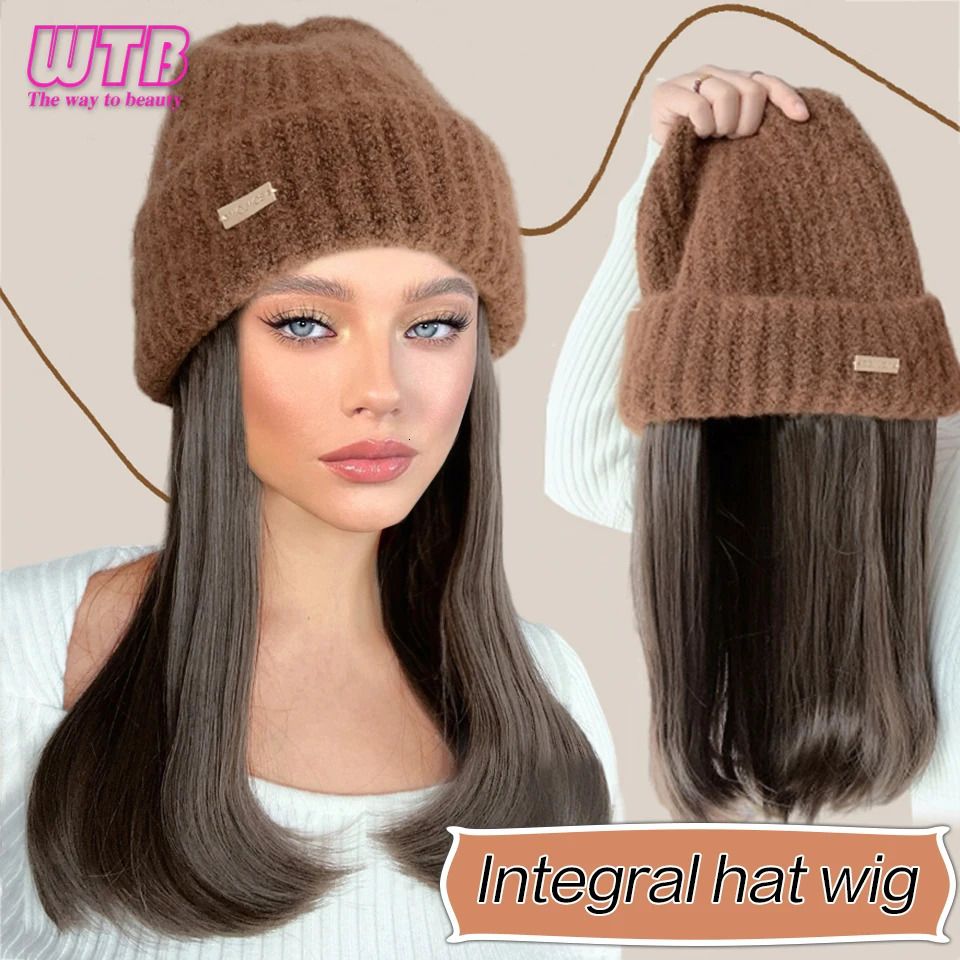
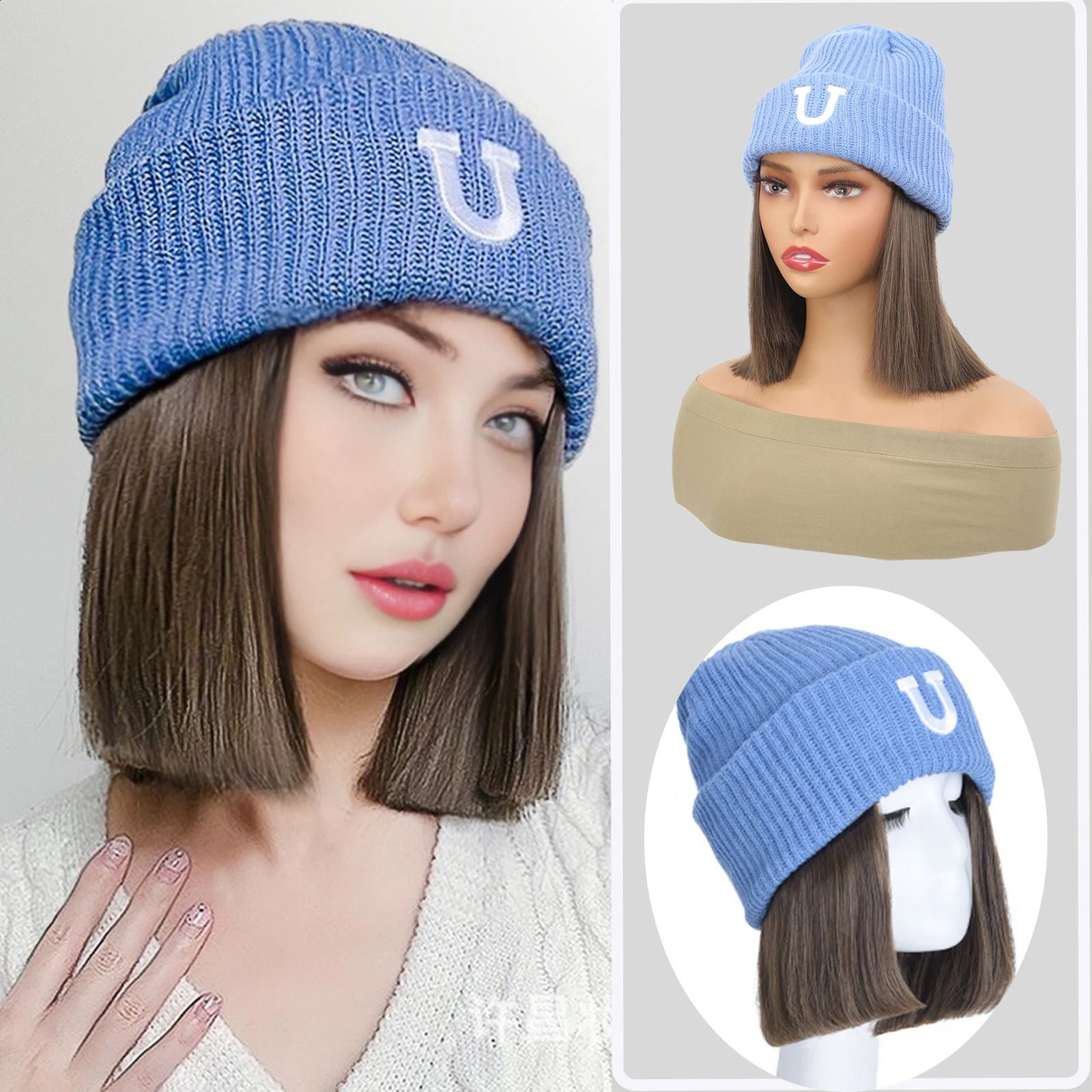
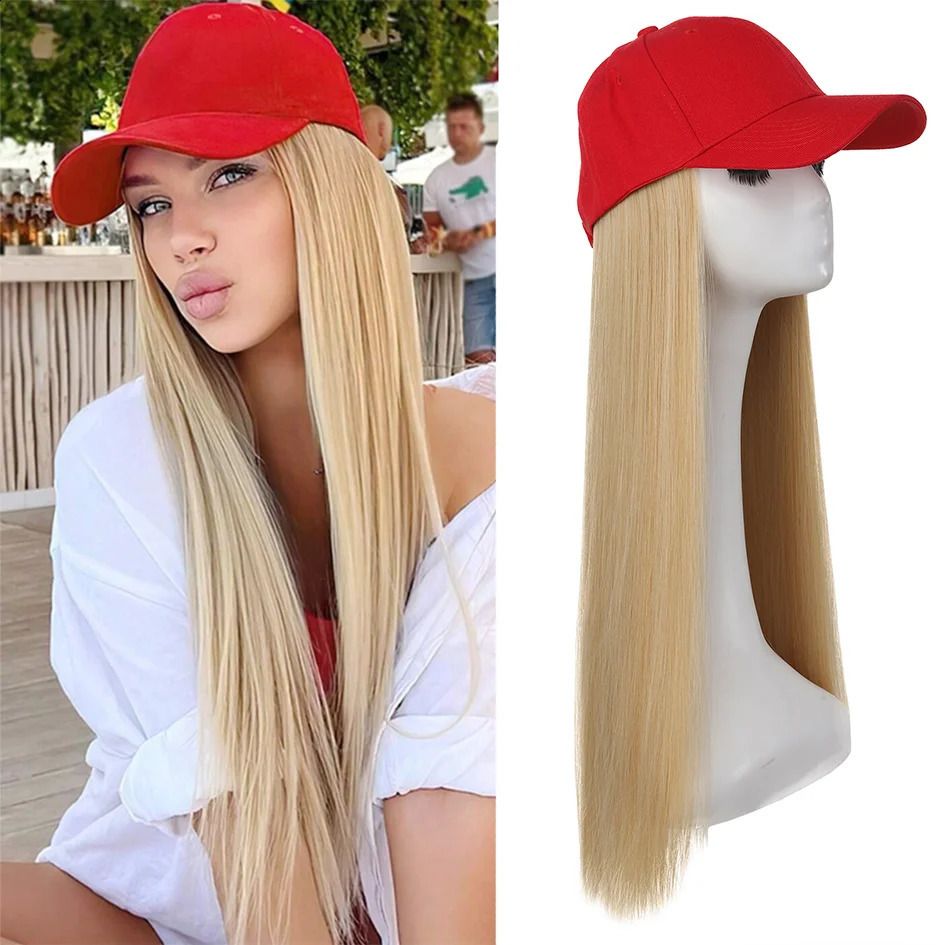
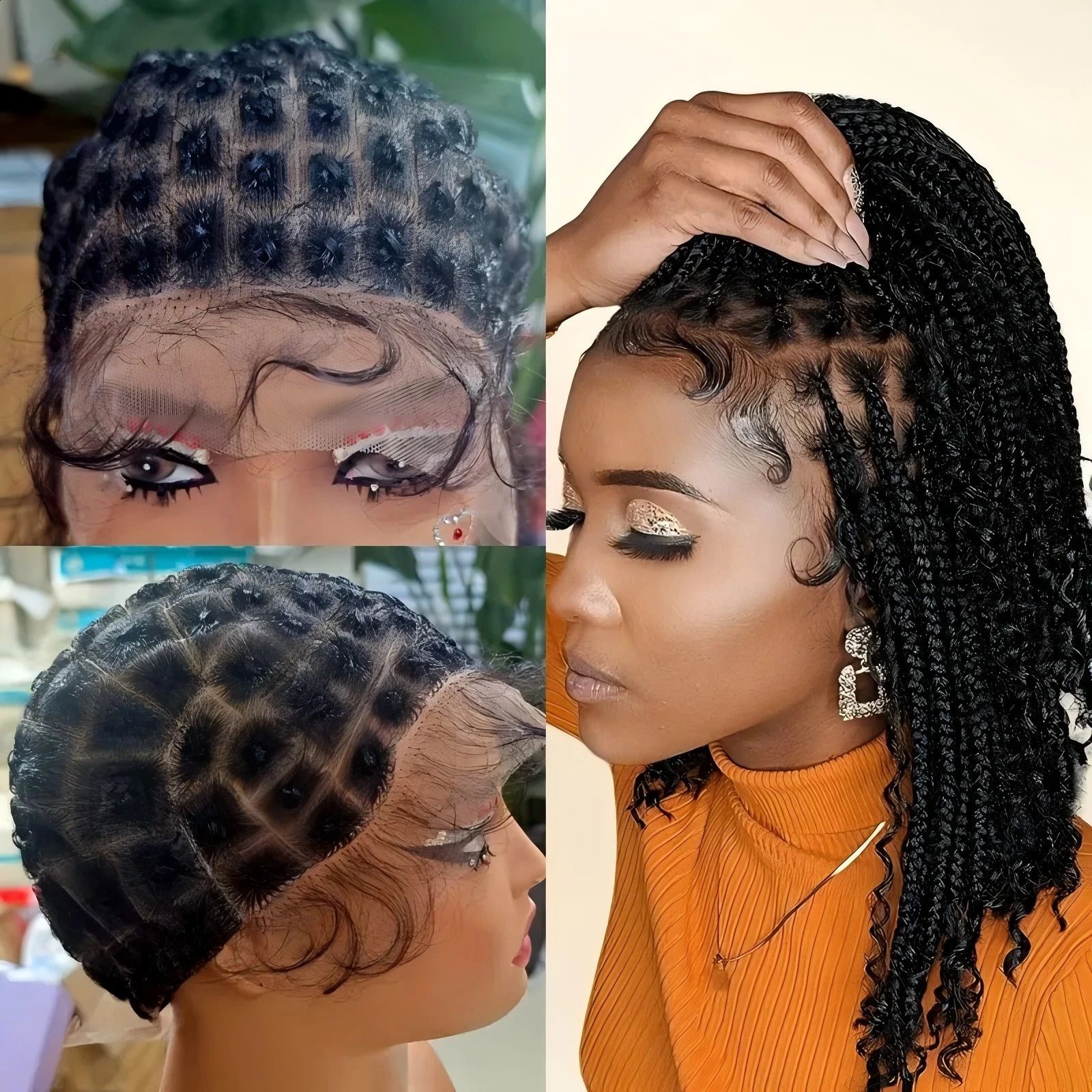
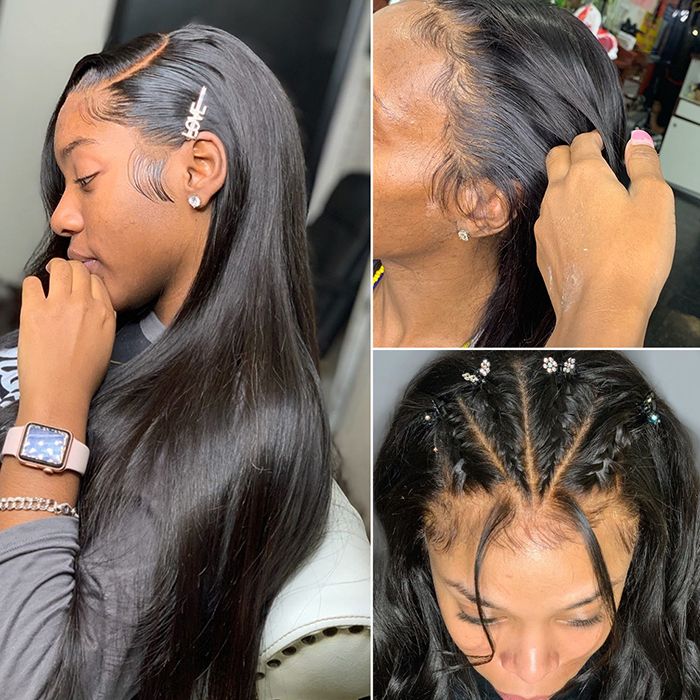
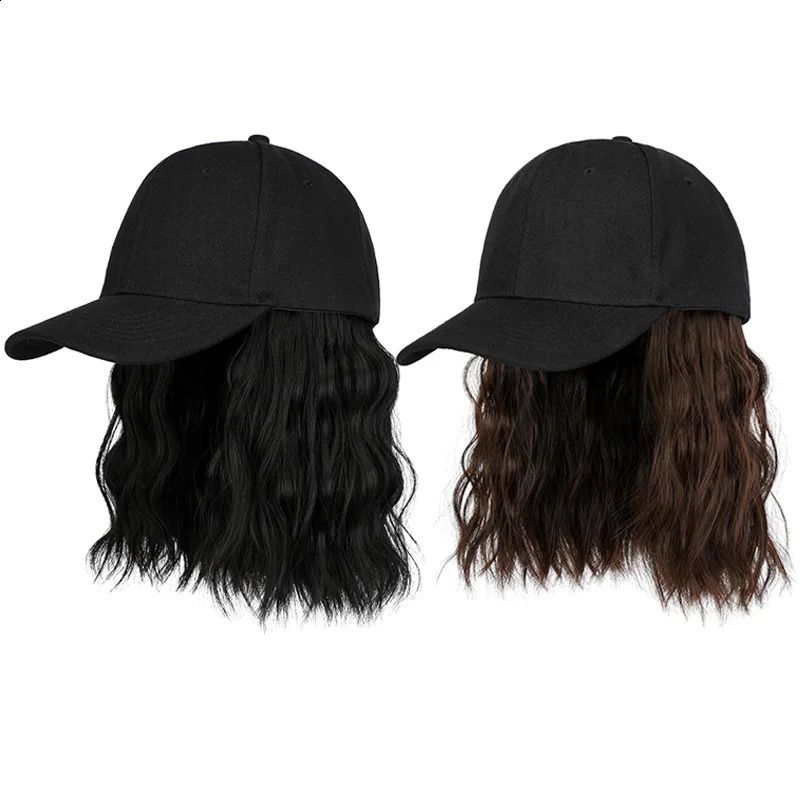
Hairline design is another important part of comfort. Lace front wig caps can look realistic, but the wearer should understand whether the lace needs trimming, tinting, glue, or extra blending. Glueless lace front caps can be easier when they include bands, combs, or a fitted shape. Caps with bangs, headband designs, or covered hairlines may require less blending, which can be useful for shoppers who want a fast routine. The right choice depends on how much styling time the customer wants to spend and how natural the front hairline needs to look.
Weight also changes the wearing experience. A very full or long wig may look beautiful, but it can feel warmer and heavier than a lighter unit. Short wigs, bob wigs, and natural-density styles may be easier for daily use. Curly or voluminous styles can create a fuller look without always needing extreme density. When products are mounted, the page should help shoppers compare cap comfort alongside texture, length, density, and price. That gives the category real shopping value instead of acting like a thin product dump.
Quality signals
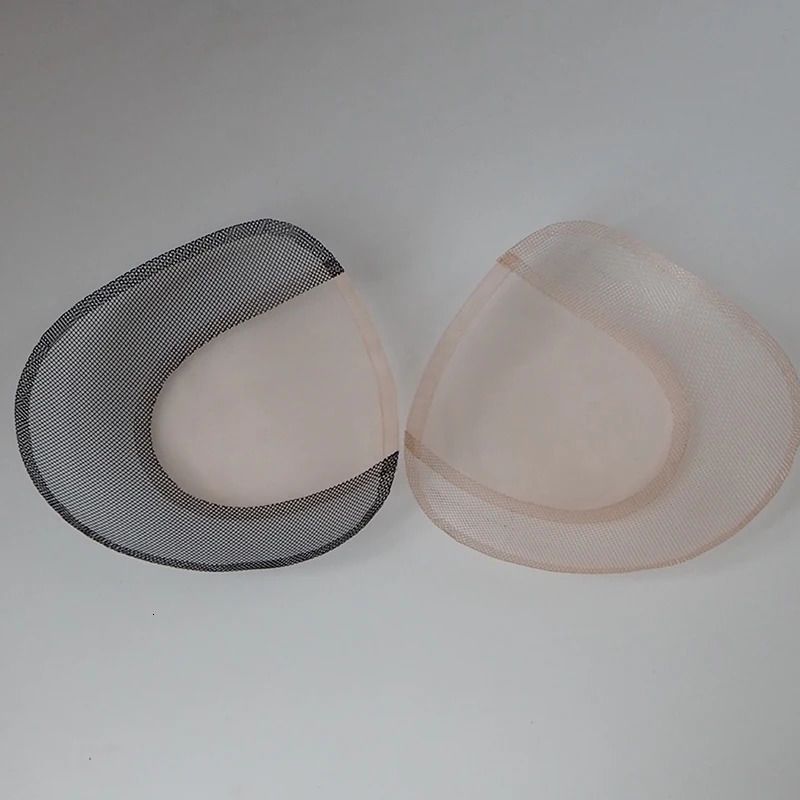
A helpful wig cap wigs product page should show the outside style and the inside construction whenever images are available. Shoppers benefit from seeing the hairline, crown, parting area, nape, straps, combs, and cap shape. If a product is glueless, that should be stated clearly. If it has lace front construction, the lace size, lace color, and parting space should be visible when possible. If the cap is designed for beginners, product copy should explain why: easy placement, adjustable fit, pre-plucked hairline, included band, or low-maintenance styling.
Material information matters too. Human hair wig cap styles may offer more restyling flexibility, while synthetic wig cap styles can be convenient for shape retention and quick wear. Heat-friendly synthetic fibers should still be handled carefully. Caps with breathable wefts may feel lighter, while fuller caps may create a denser look. Customers should not have to guess whether a wig is best for daily comfort, occasional events, or a more customized beauty routine. Clear category copy helps reduce confusion before the buyer opens a product page.
Care is part of quality. A cap that loses stretch or shape too quickly can make the wig harder to wear even if the hair still looks good. Shoppers should let the inside of the cap air out after wearing, avoid rough wringing after washing, and store the wig on a stand when possible. Heavy oils, glue residue, and product buildup around the lace or lining should be cleaned gently. These details help customers understand that a wig cap is not just a hidden base. It is the structure that supports the whole wearing experience.
Search intent
Search intent around wig cap wigs includes several buying paths. Some shoppers want a comfortable wig cap for daily wear. Some want glueless wig cap wigs that feel secure without adhesive. Others search for lace front wig cap styles because the hairline matters most. Beginners may search for adjustable wig caps, breathable wig caps, capless wigs, closure wigs, or ready-to-wear wigs. A useful category page should bring these related needs together while keeping the product list easy to browse.
For everyday styling, many customers prefer a cap that feels light, secure, and simple to adjust. For photos or events, lace construction and parting space may become more important. For protective styling, full coverage and a smooth fit over natural hair can matter more than dramatic length. For sensitive scalps, soft lining and reduced tension are important. Once products are added, this page can support internal filtering by cap type, lace type, texture, length, density, price, and use case.
FAQ
Wig cap construction describes the base of the wig, including lace areas, wefts, straps, combs, bands, stretch, lining, and how the hair is attached. It affects comfort, security, breathability, parting space, and how natural the wig can look around the hairline.
Many glueless wig cap wigs can feel secure when they include adjustable straps, elastic bands, combs, or a fitted cap shape. The best choice depends on head size, natural hair preparation, wig weight, and how much movement the wearer expects during the day.
Beginners often prefer adjustable glueless caps, closure wigs, headband styles, or ready-to-wear lace front wigs because they require less adhesive work. A clear hairline, simple parting area, and comfortable cap can make the first installation easier.
Prepare natural hair as flat as possible, adjust the straps without over-tightening, let the cap air out after wear, and clean product buildup gently. Store the wig on a stand so the cap keeps its shape between uses.