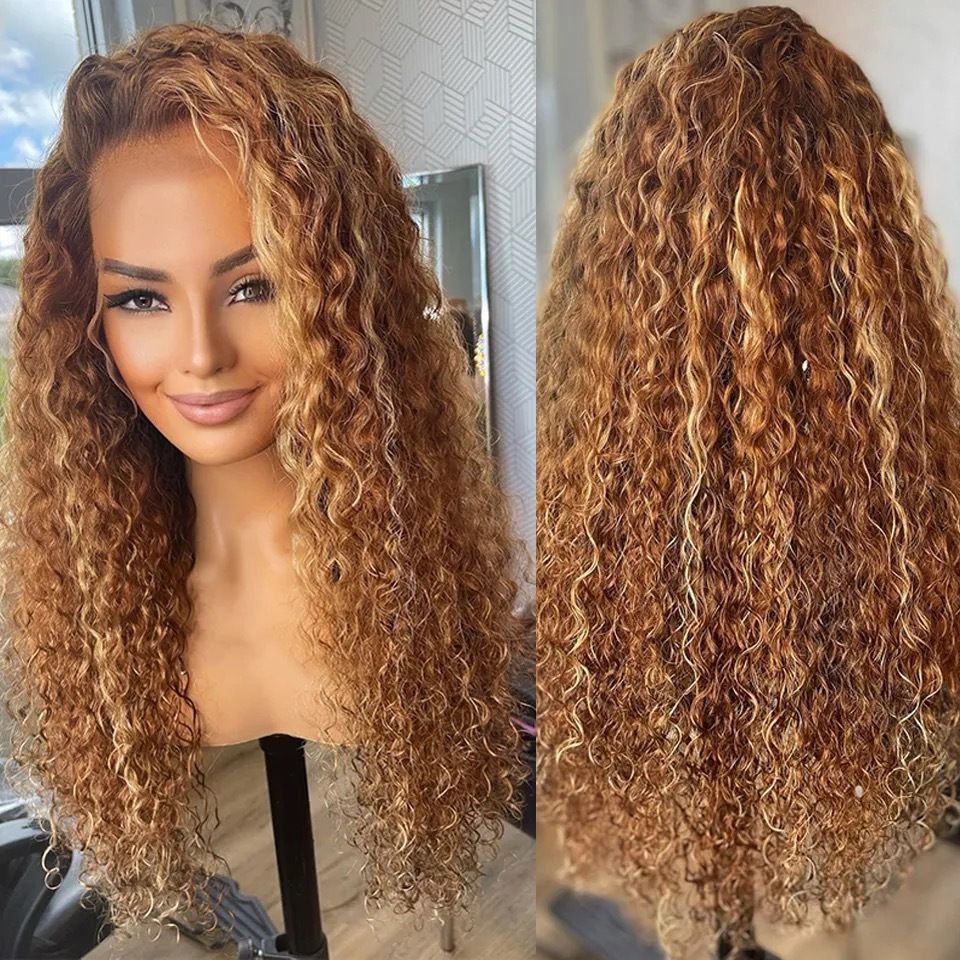
Glueless Wig Deep Curly Wig 250 Density 3 In 1
$10
RizzWigs category collection
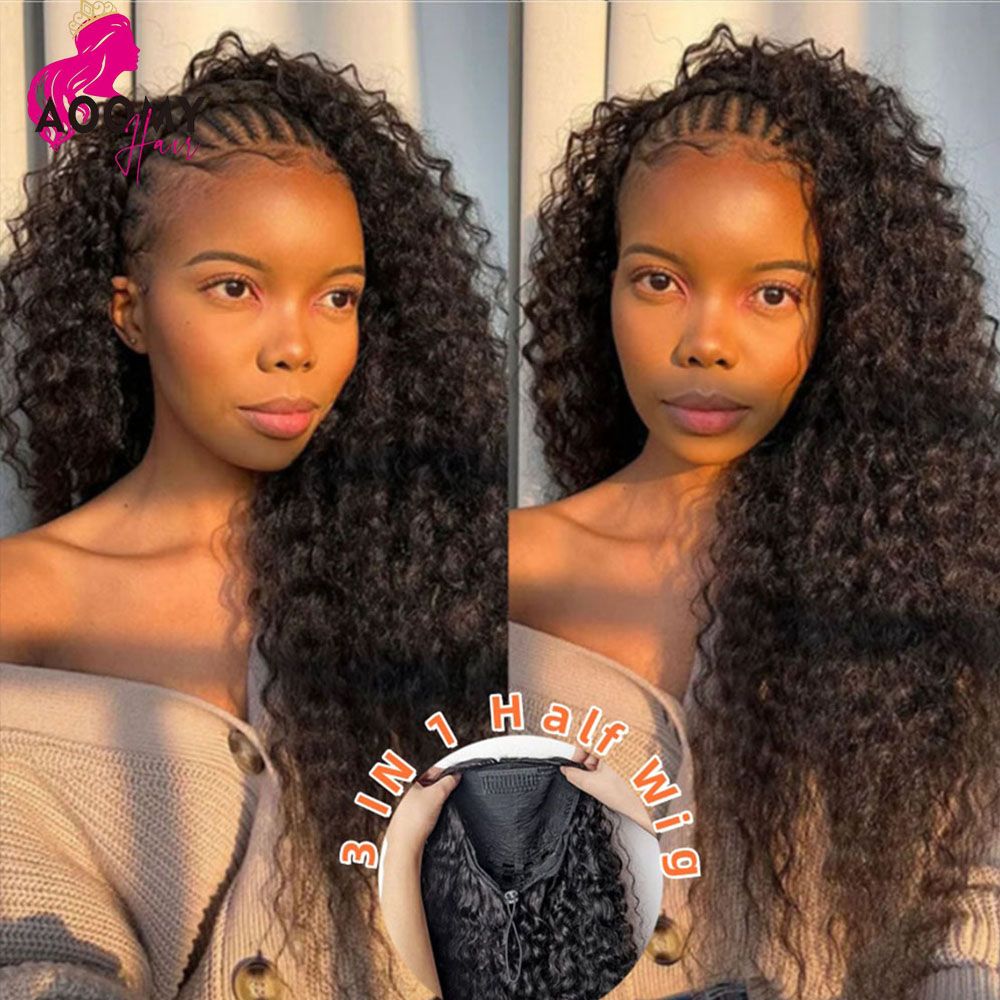
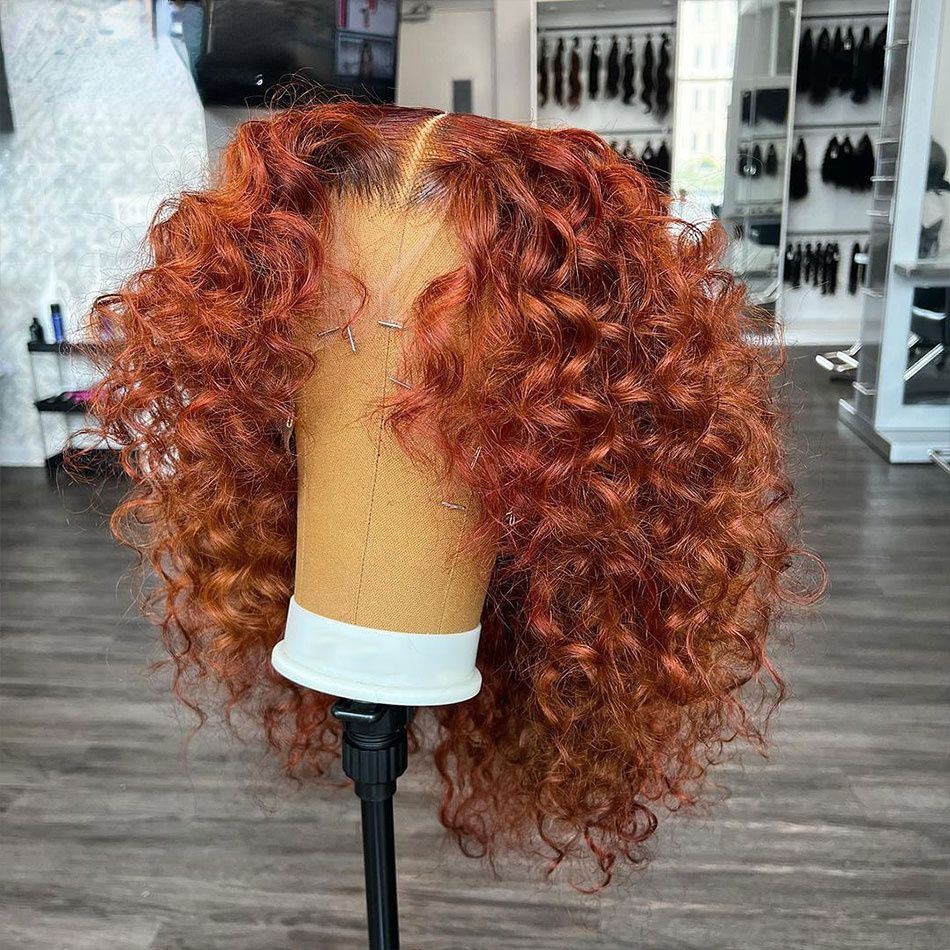
Shop half wig styles built around quick installation, natural leave-out blending, extra volume, breathable comfort, and flexible everyday styling. This category is prepared for half wigs that help shoppers compare texture match, color match, cap security, comb placement, crown fullness, and low-effort wear before choosing a product.
Category overview
A half wig is one of the most practical wig options for shoppers who want more hair without committing to a full cap, lace front, closure, or long installation routine. The main idea is simple: the half wig adds body, length, curl, wave, or fullness through the back and crown, while a section of natural hair is left out in front to create a believable transition. For many buyers, that solves a real shopping pain point. A full wig can sometimes feel too warm, too formal, too covered, or too dependent on lace blending. A half wig gives a softer path because the shopper can use her own edges, part area, bangs, or front section to make the style look personal.
This category is designed for half wig products that will be added later from collected listings. When products are mounted here, shoppers should be able to compare images, title, price, texture, length, cap construction, comb placement, material notes, and product links in one focused list. The page also gives Google a detailed original category explanation before the product feed is added, so the URL can build topical relevance for half wig shopping instead of staying as an empty list page.




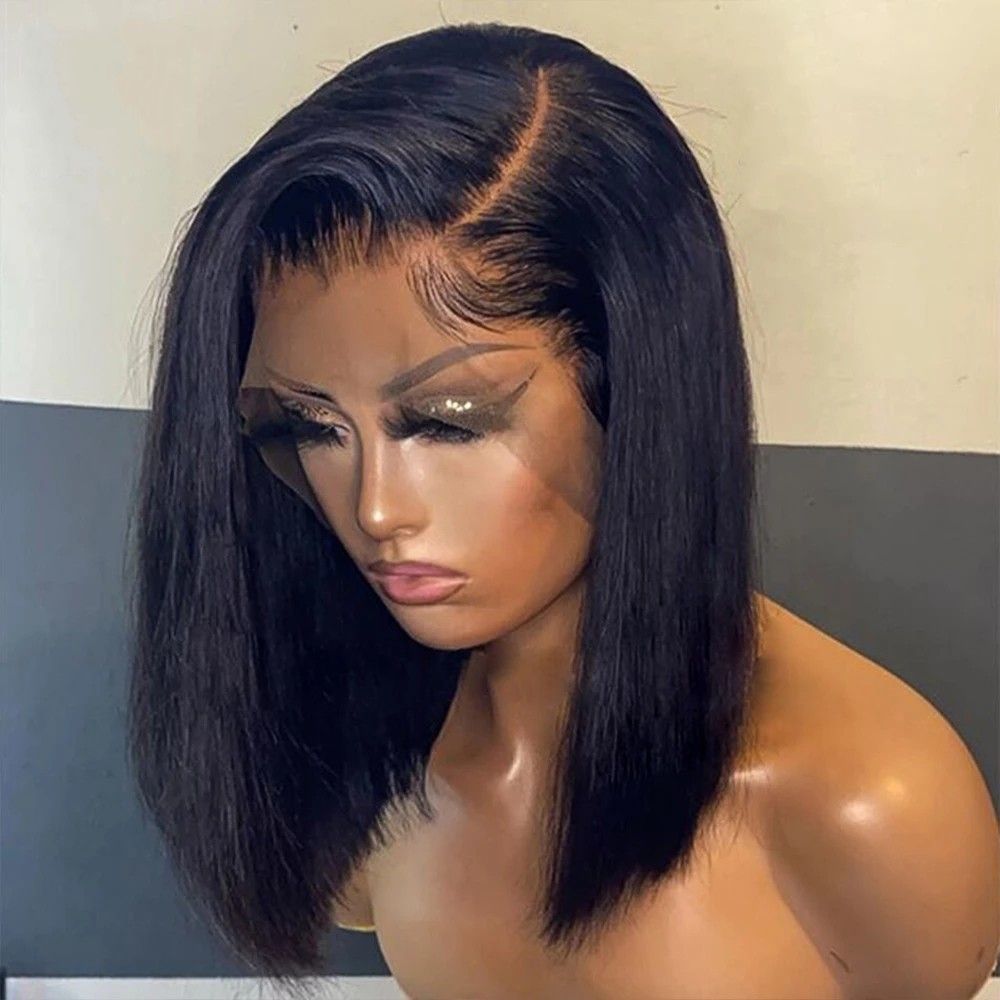
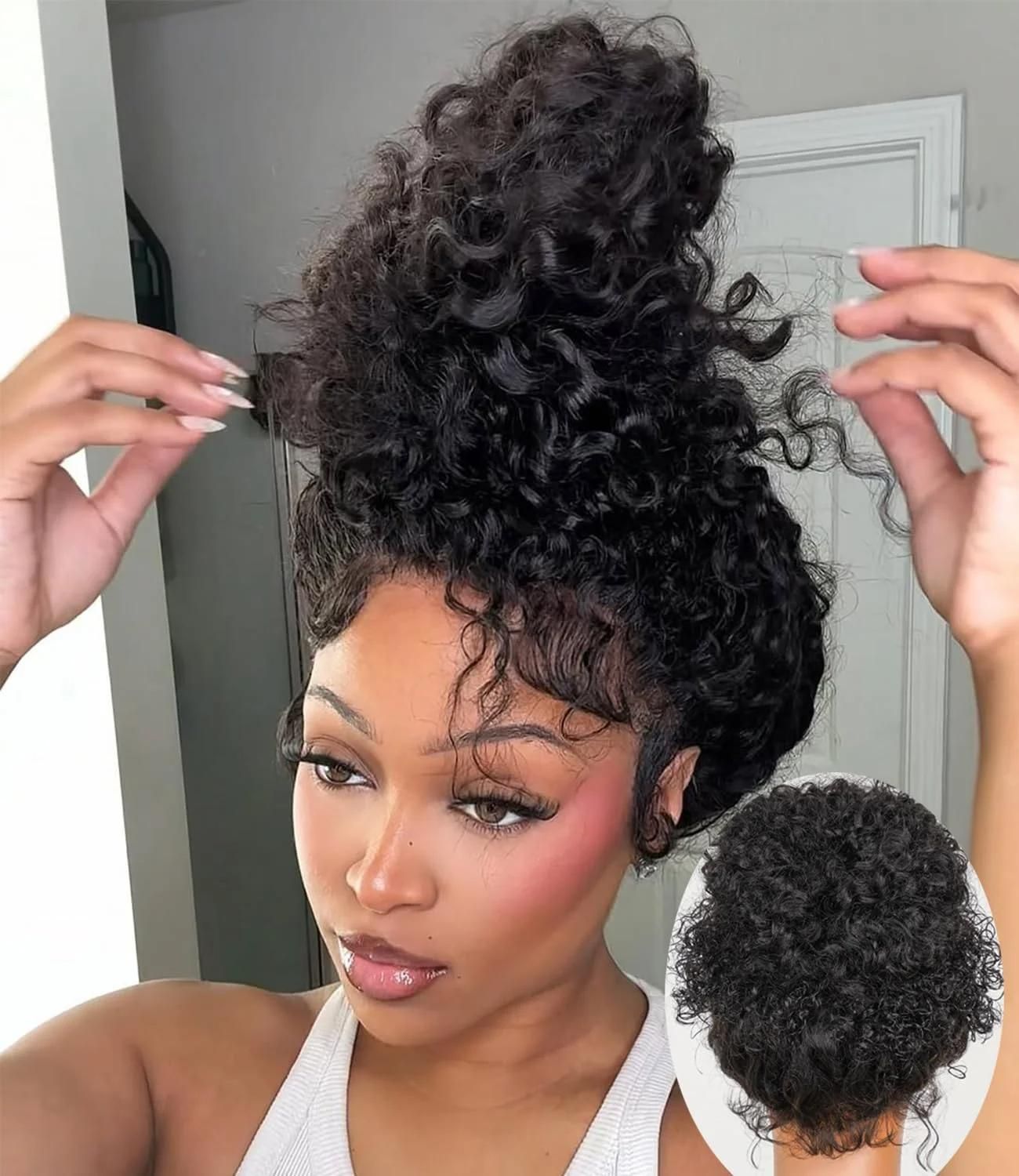
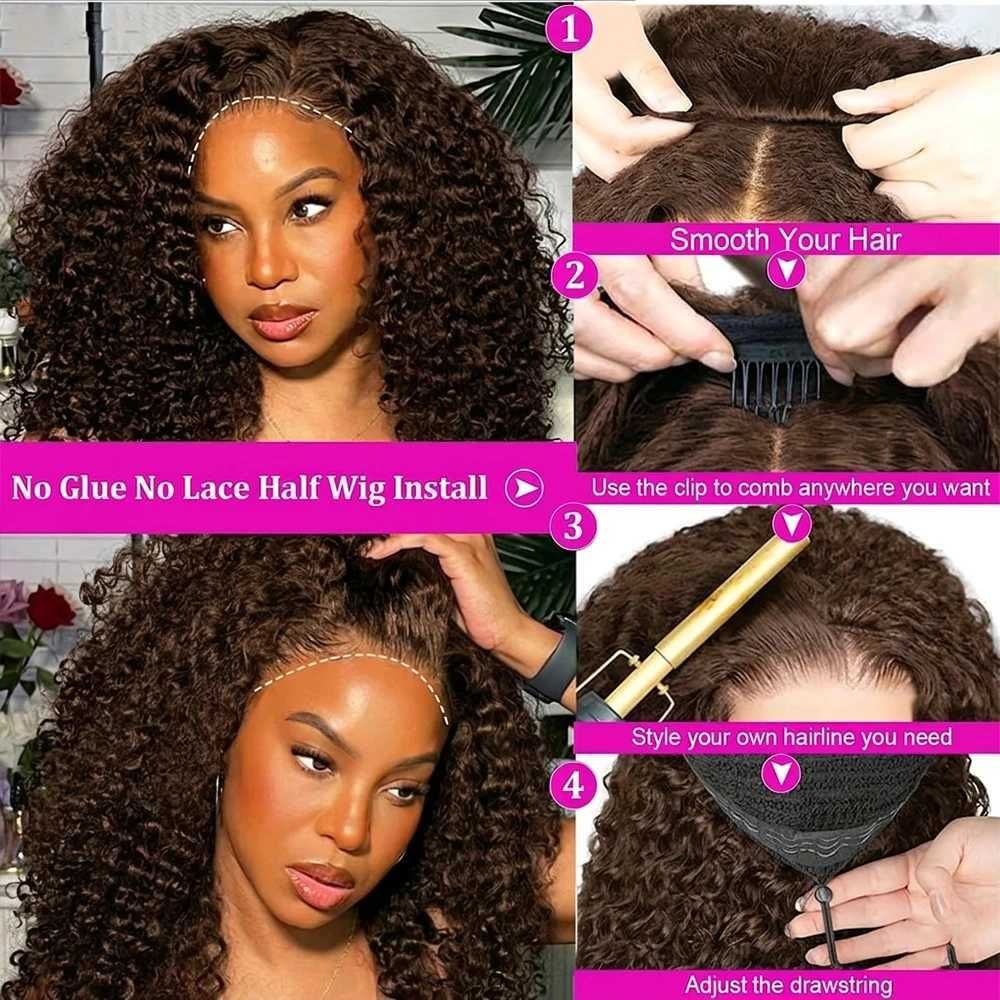
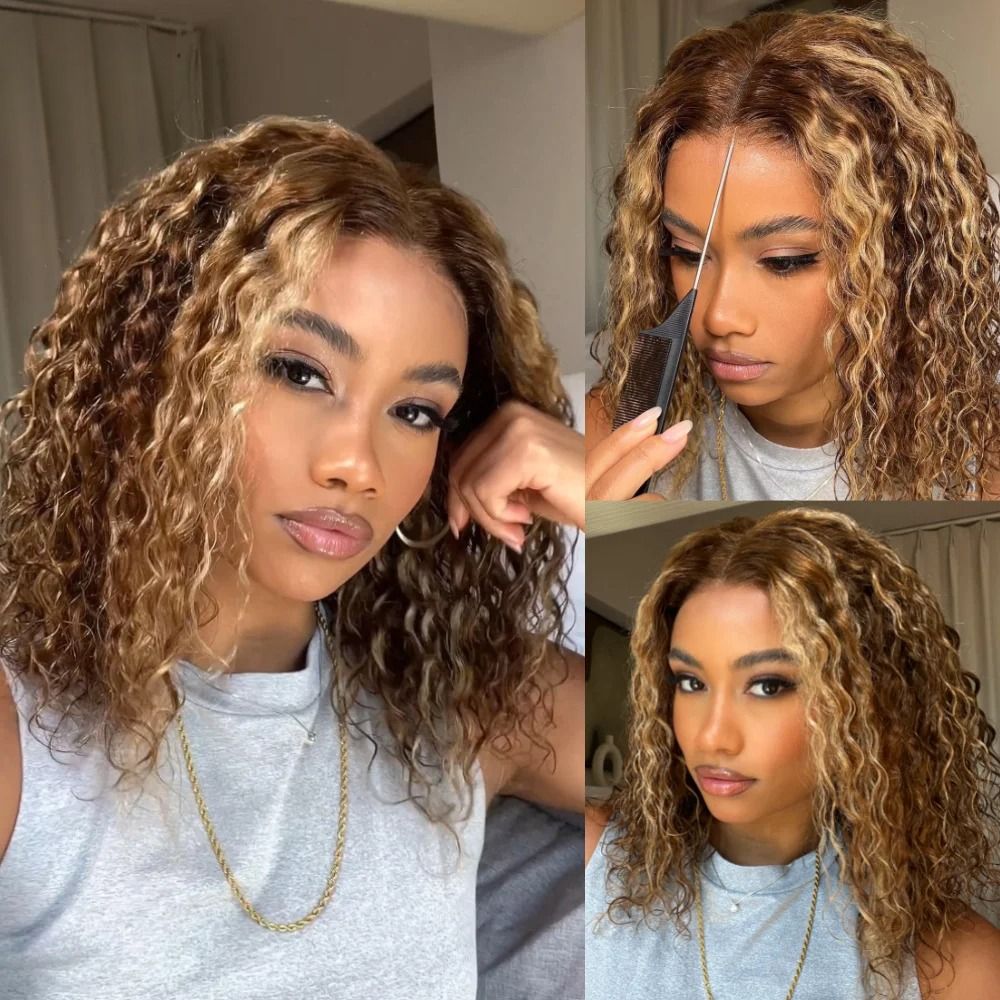



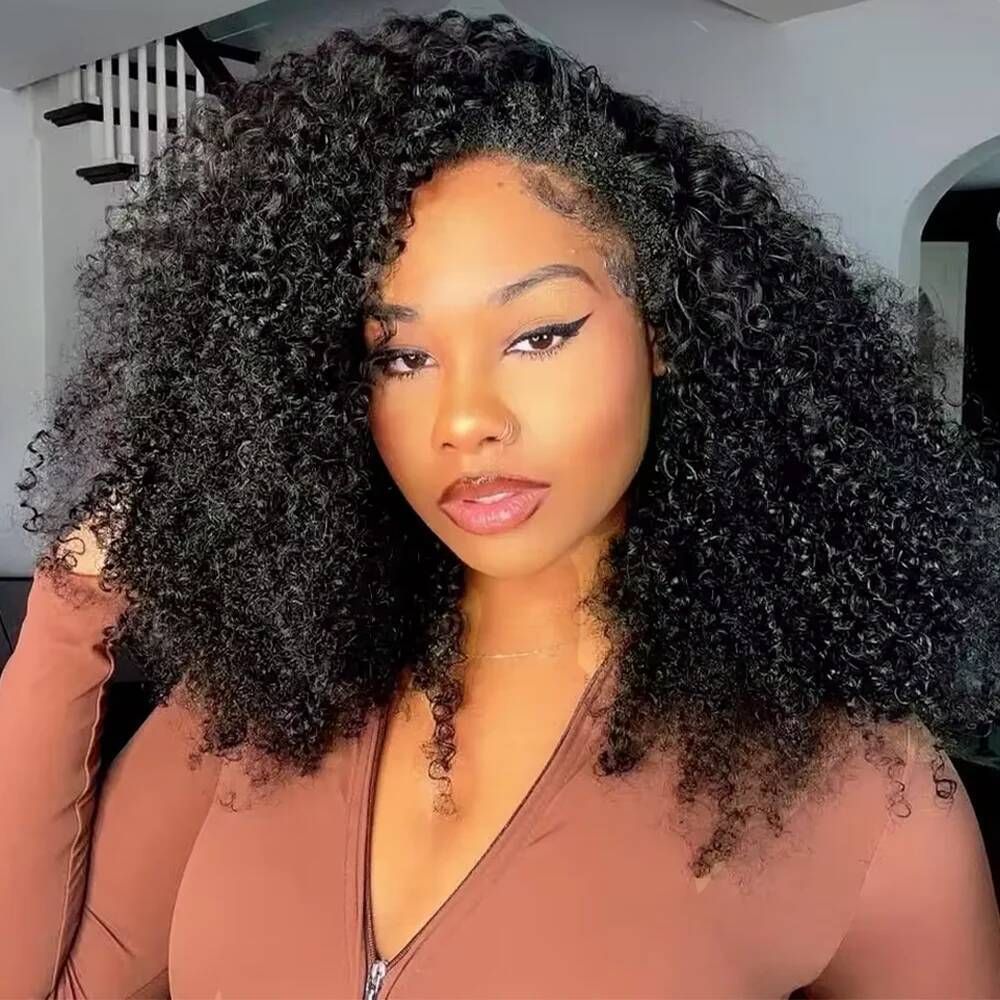
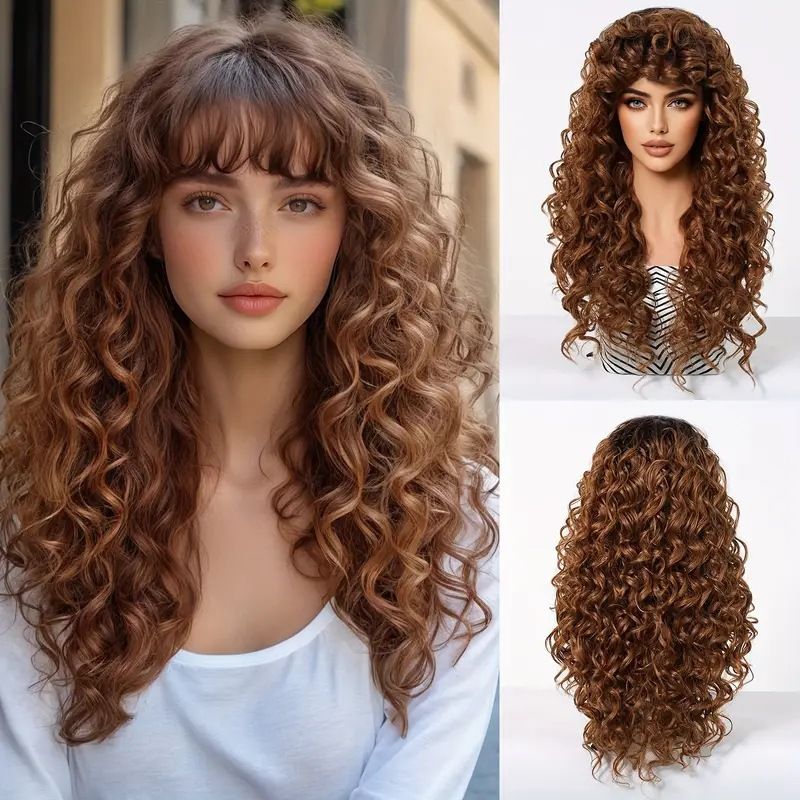
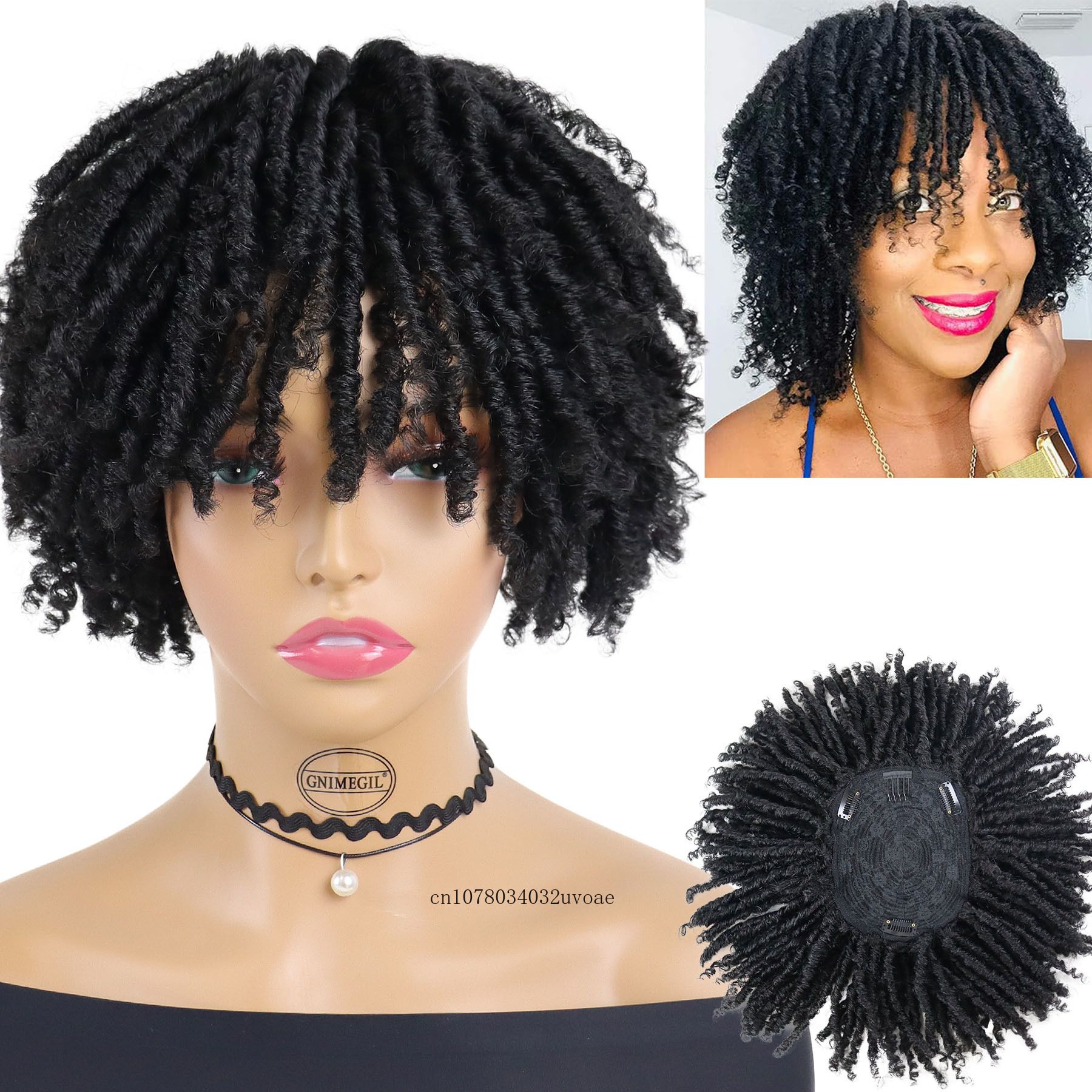
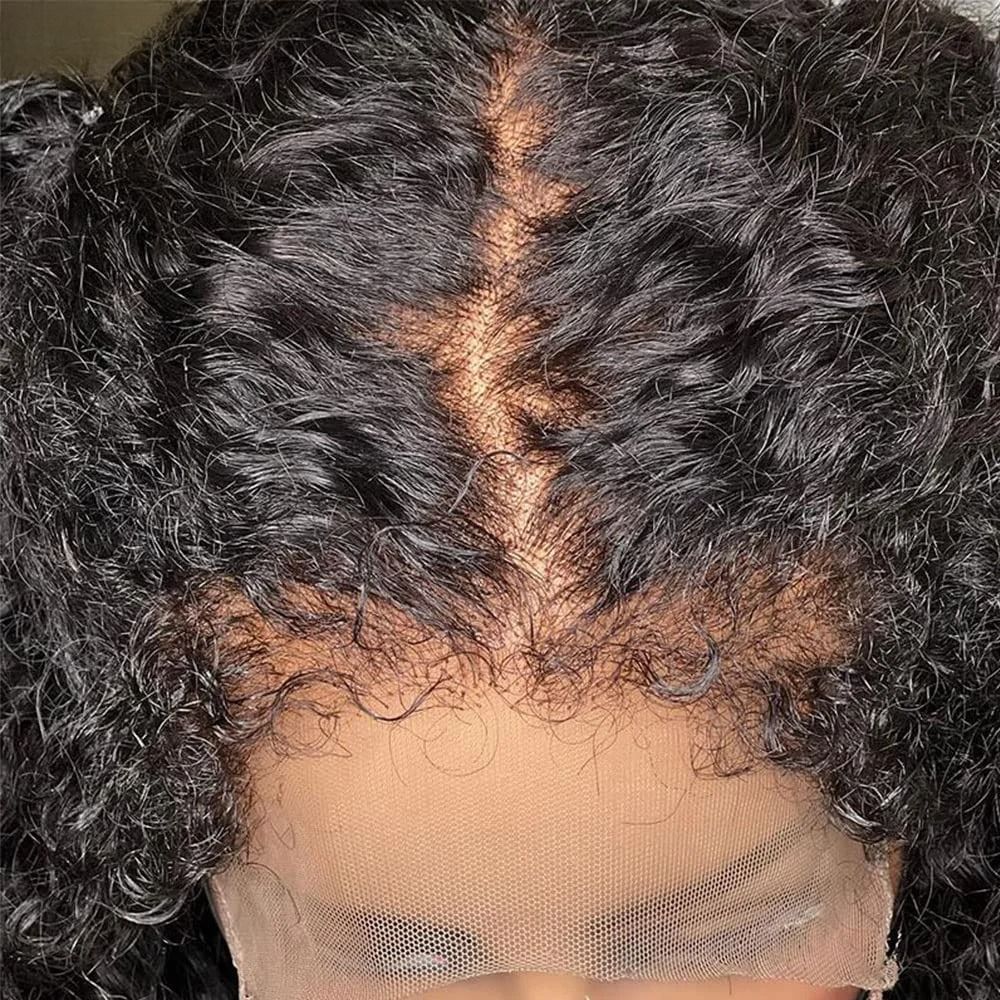
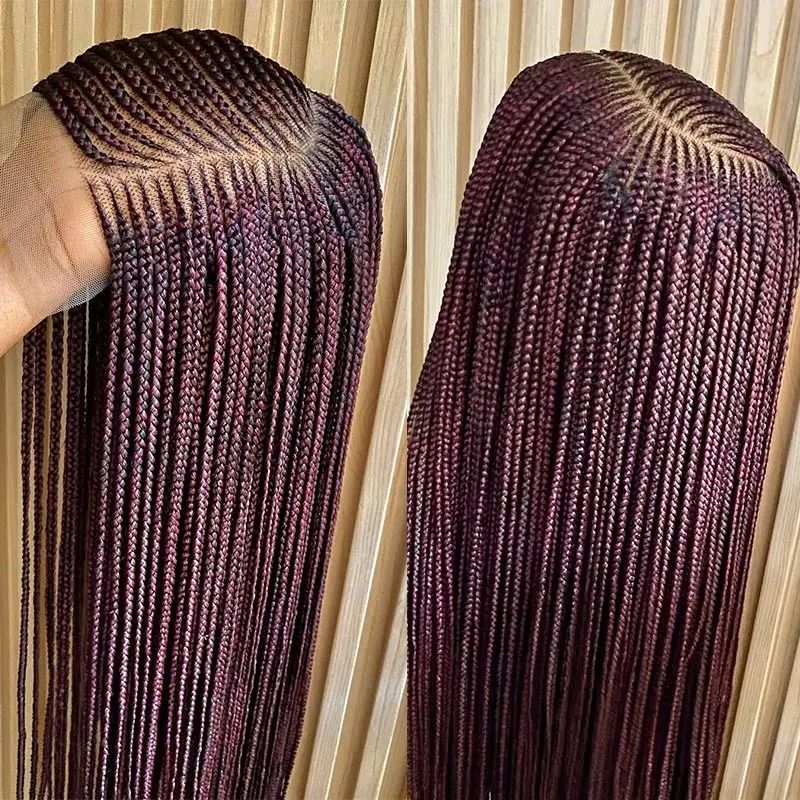
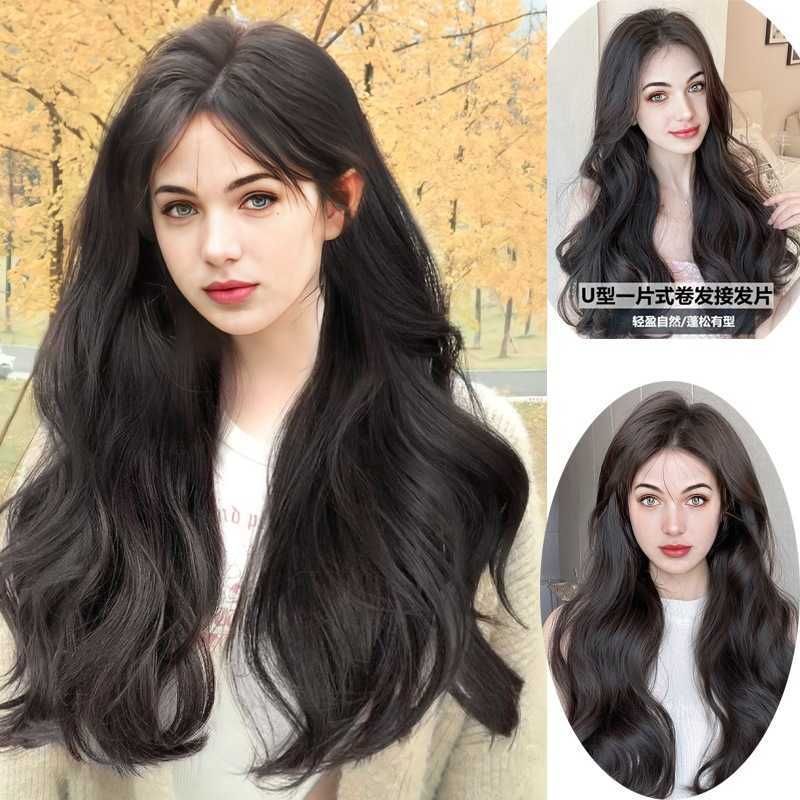
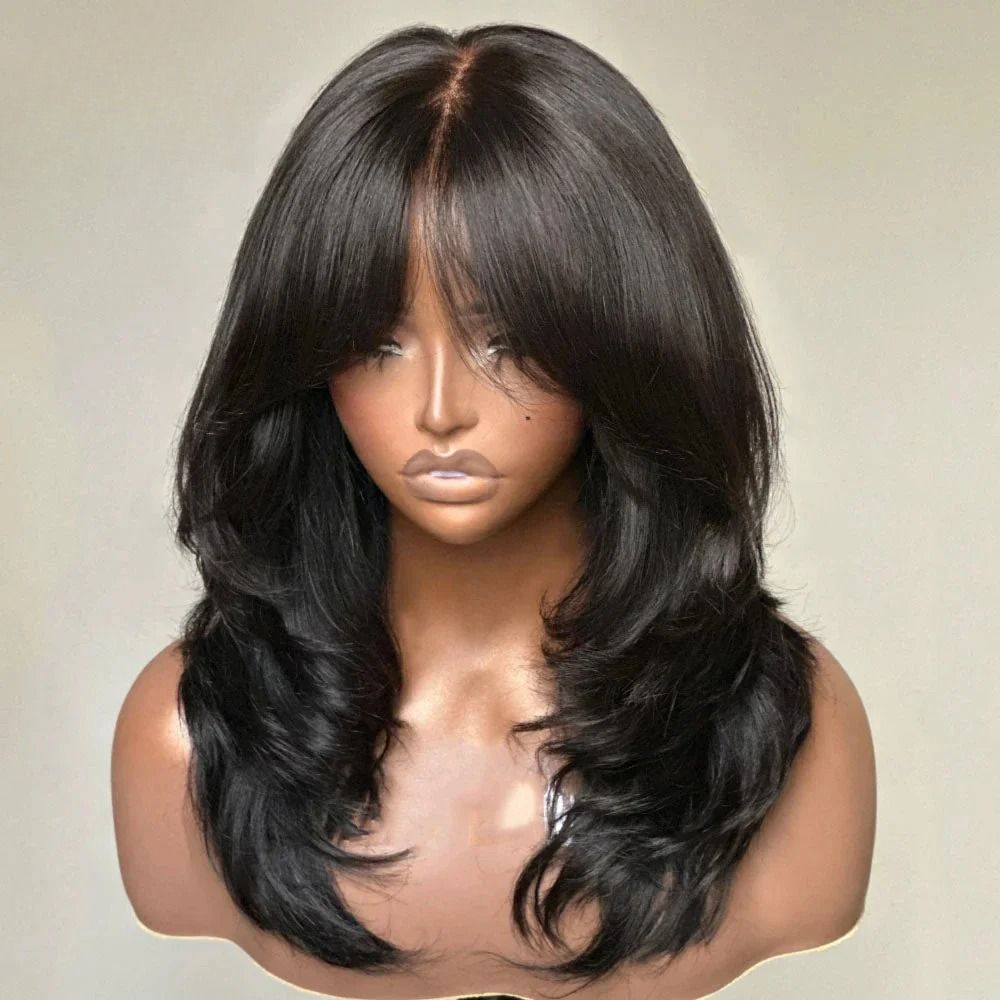
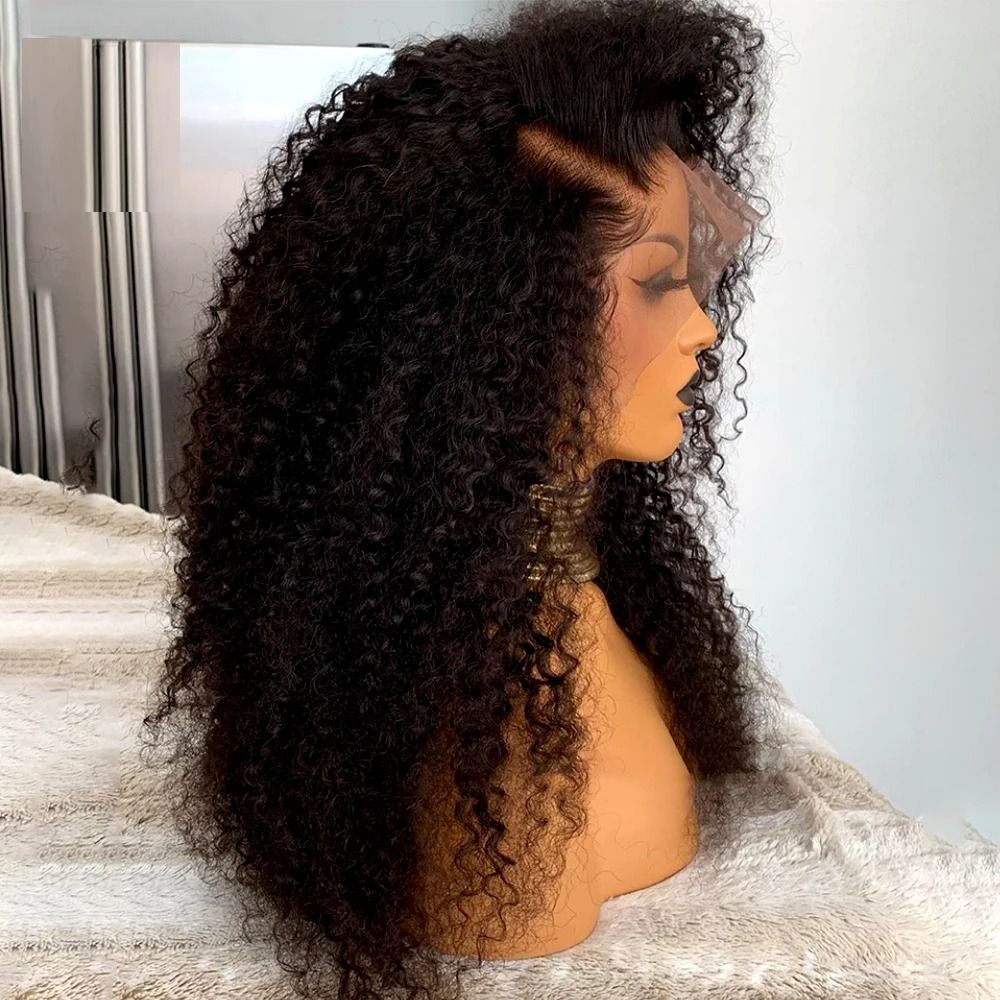
Buying guide
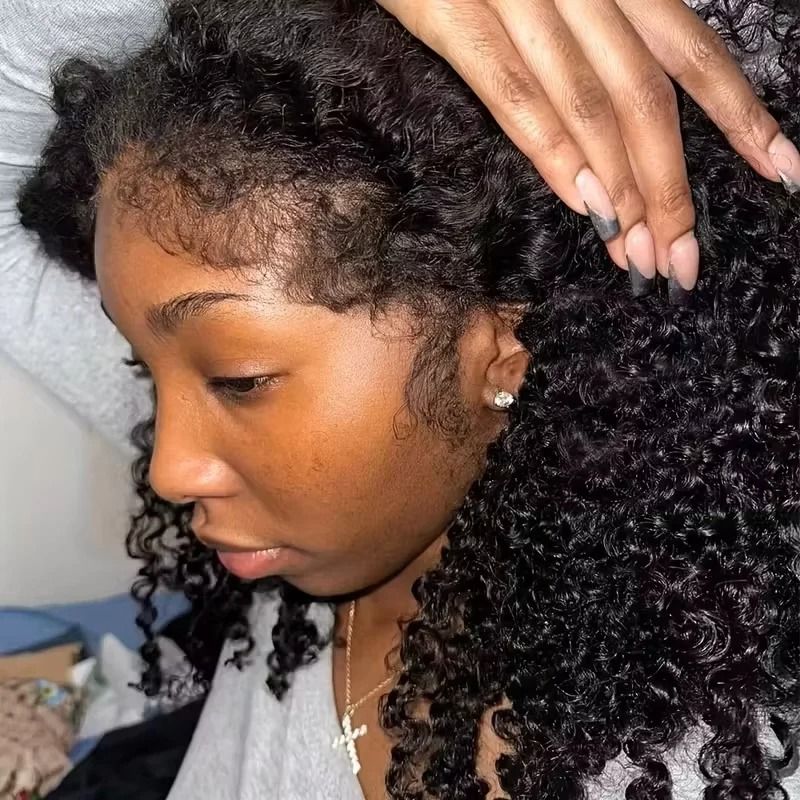
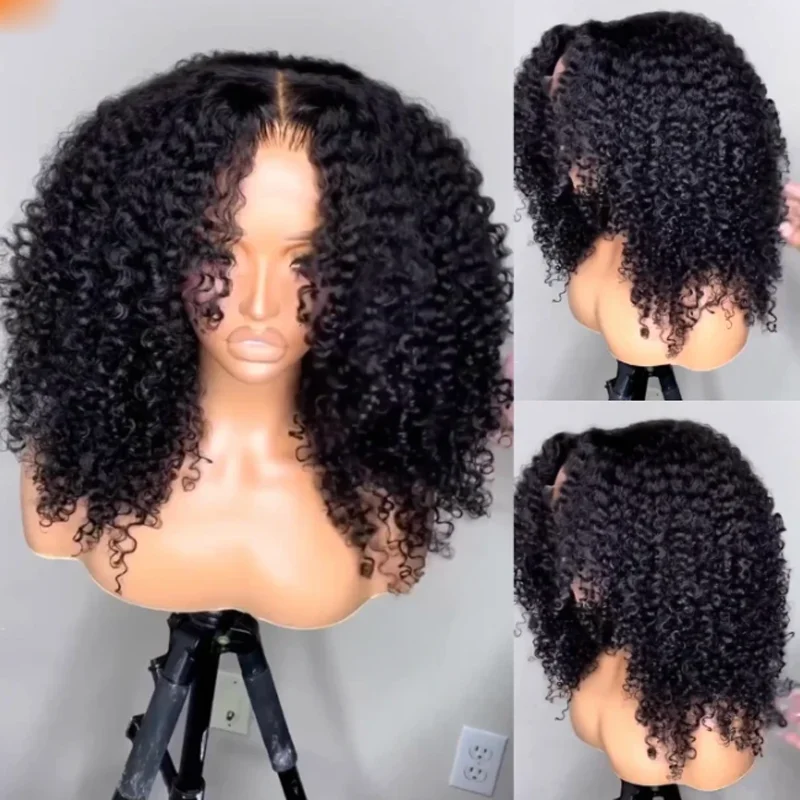
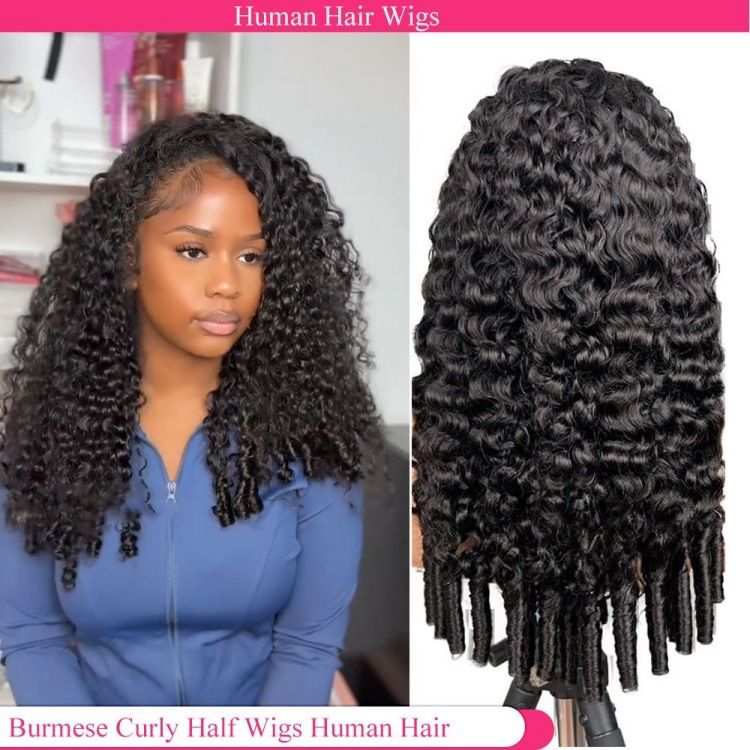
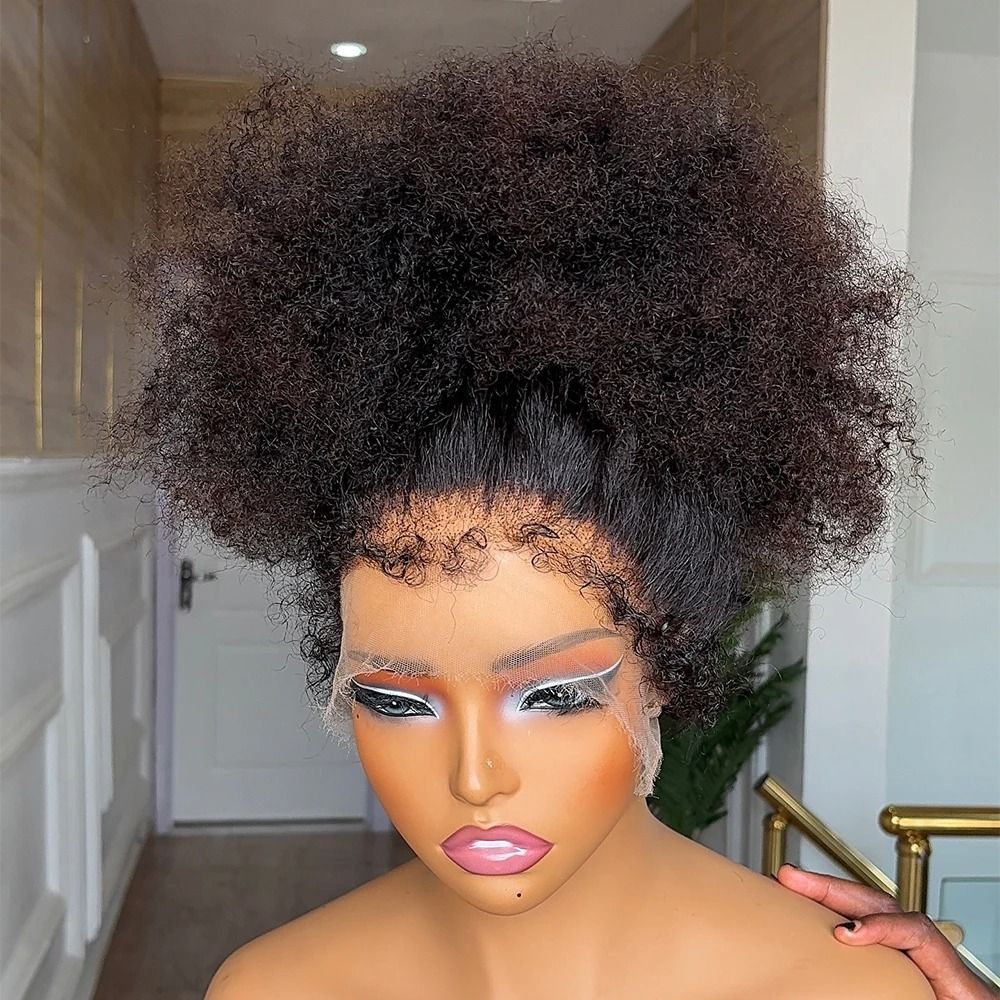
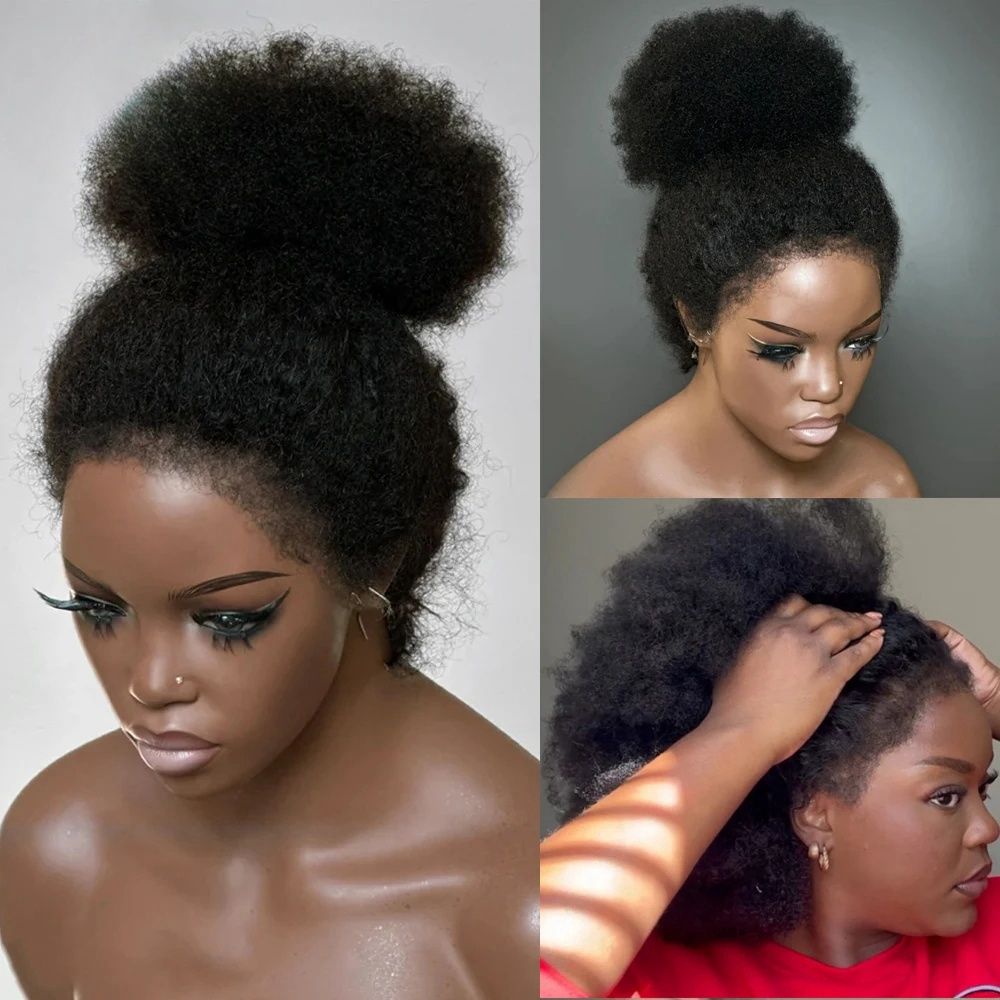
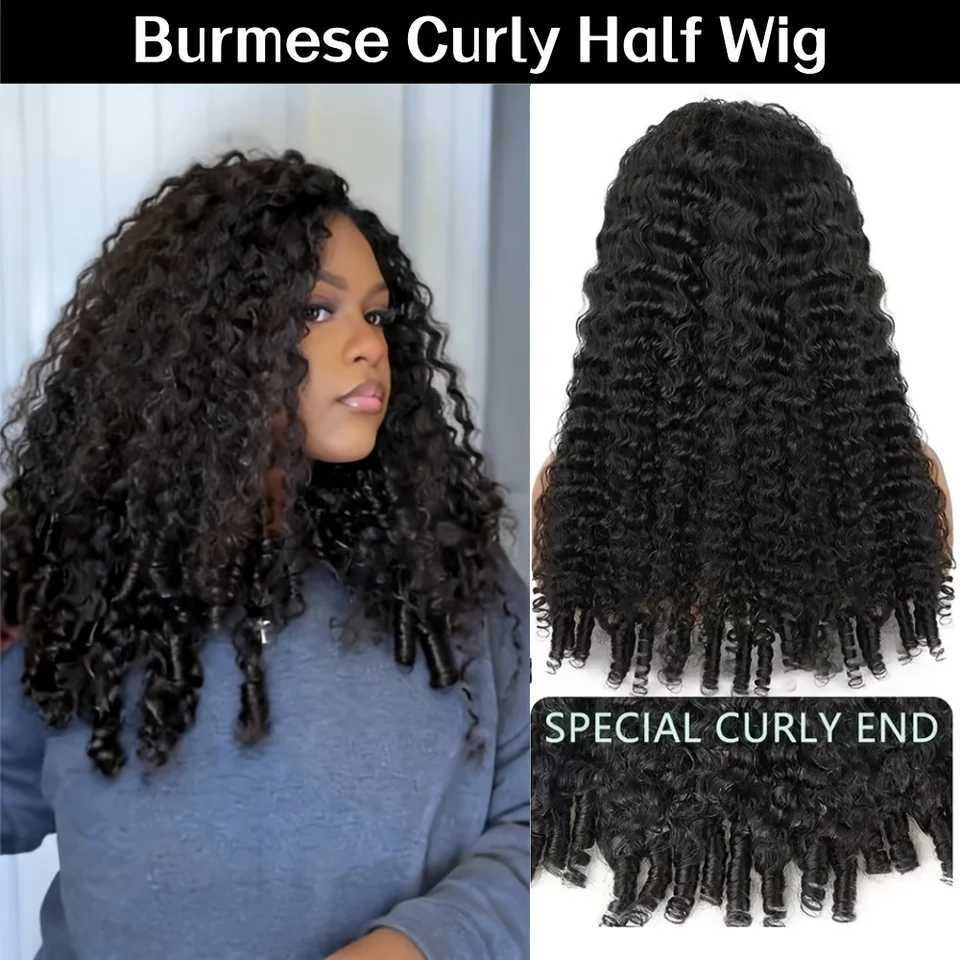
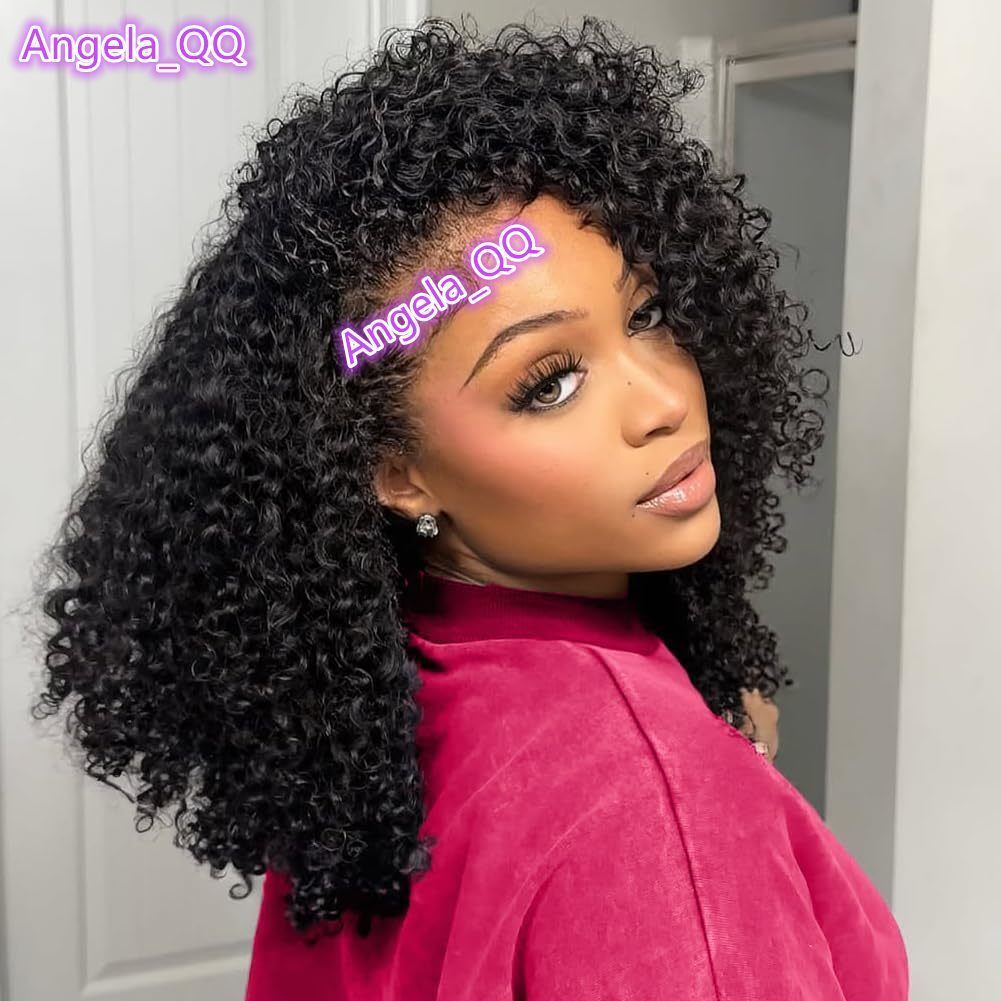
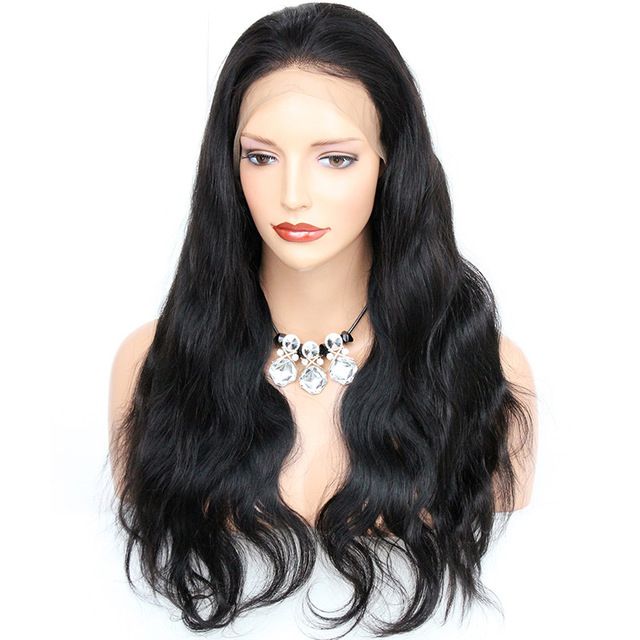
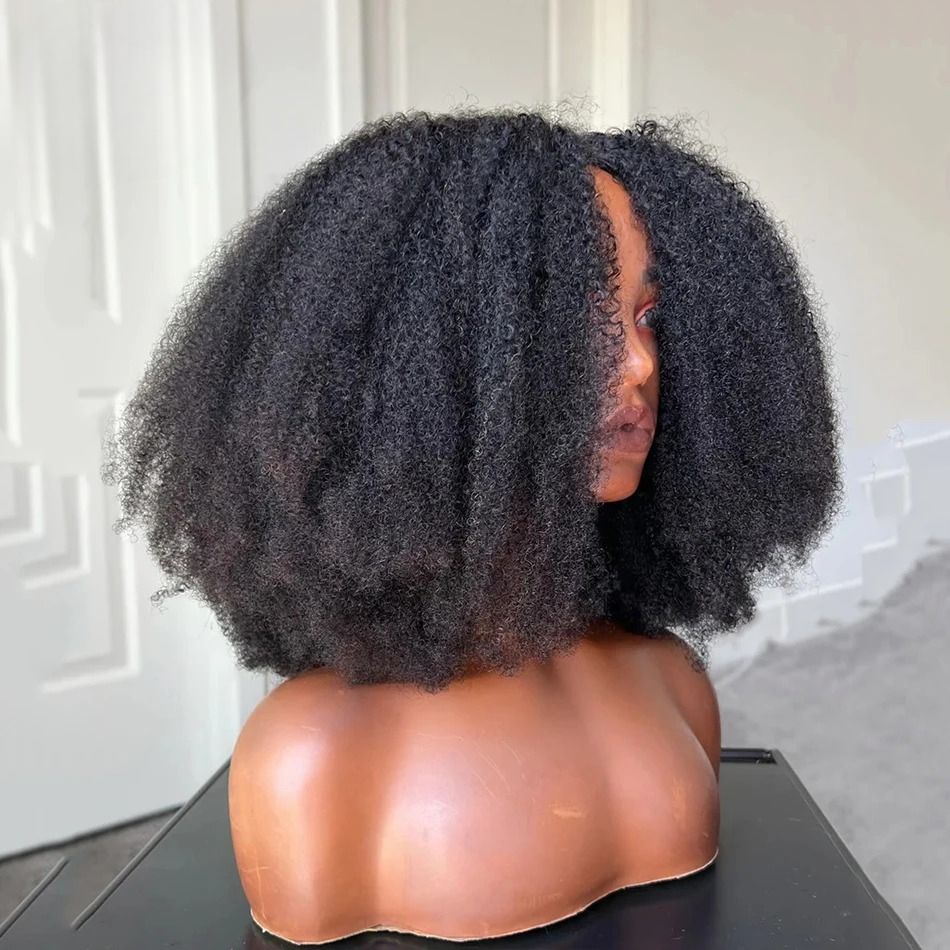
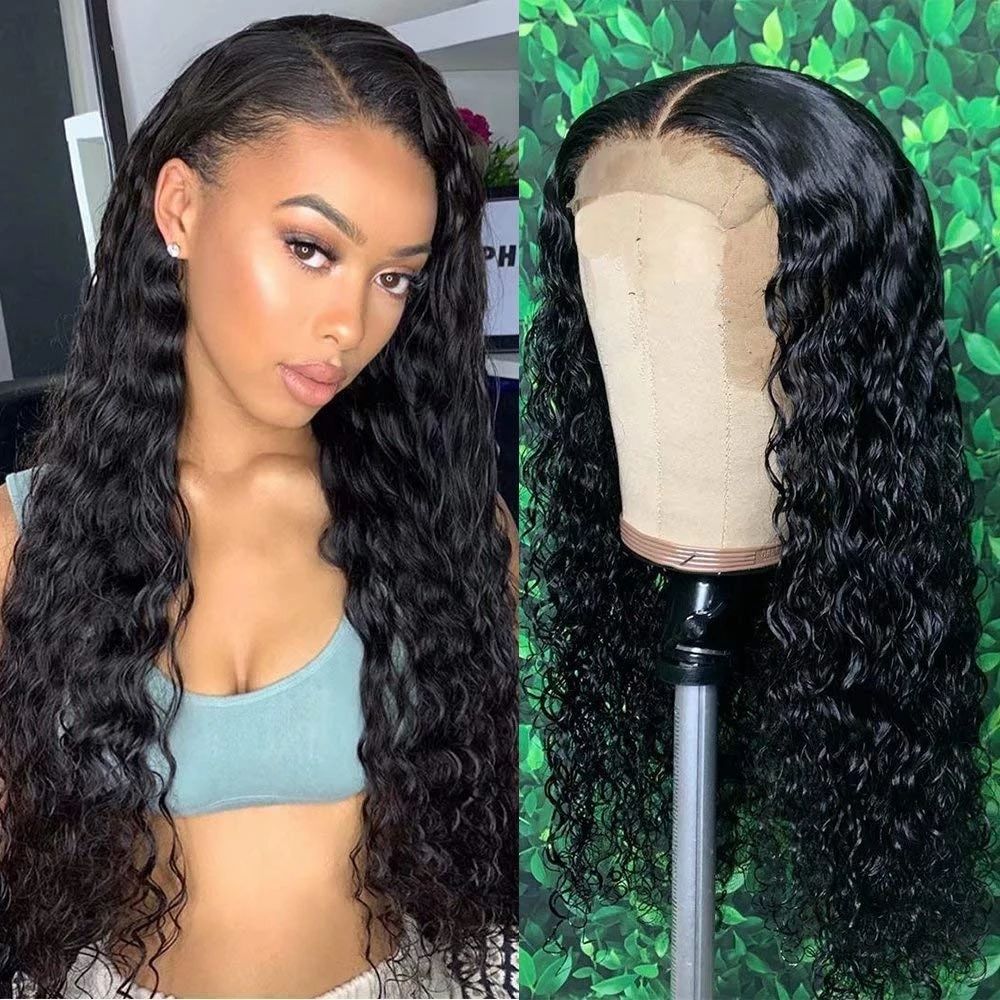
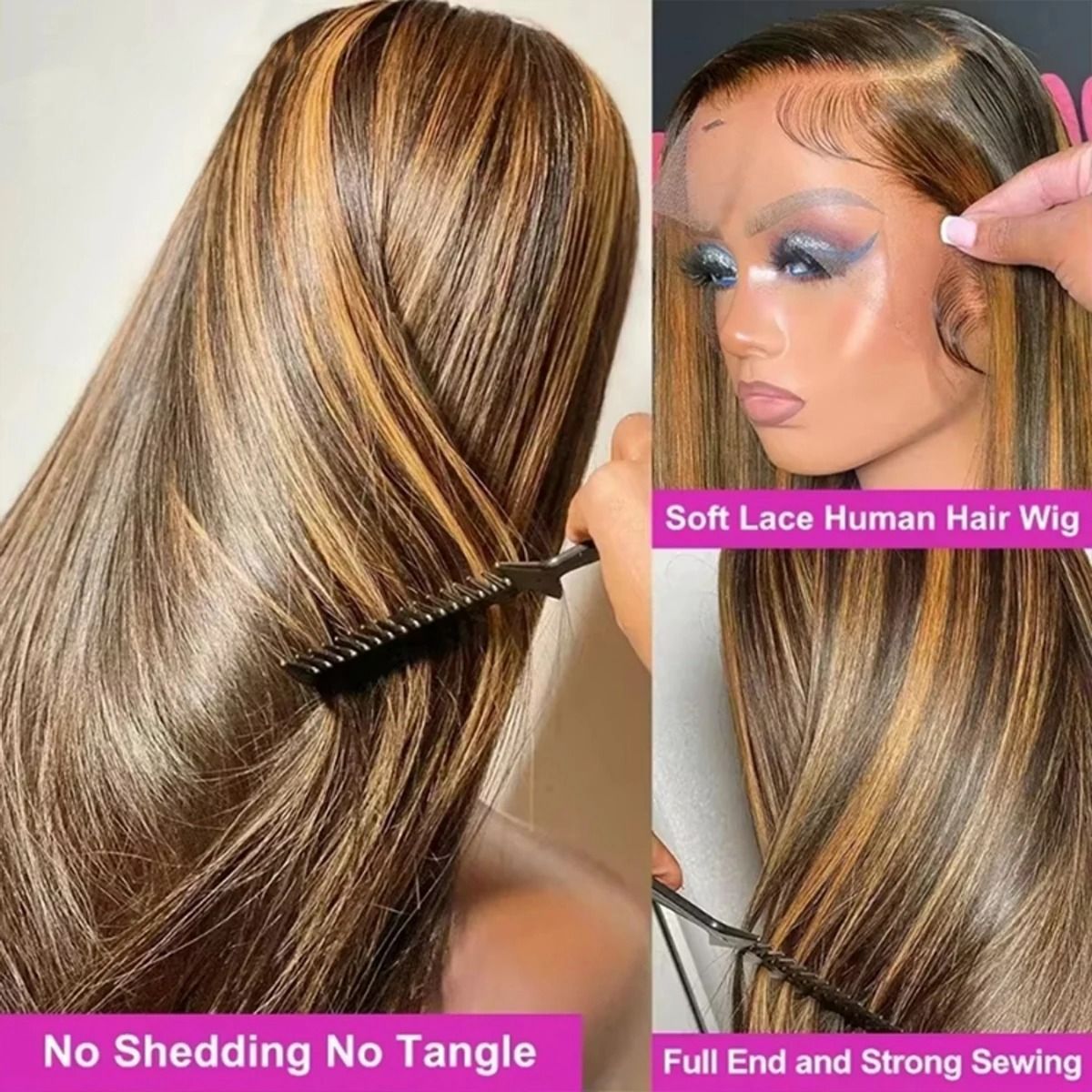
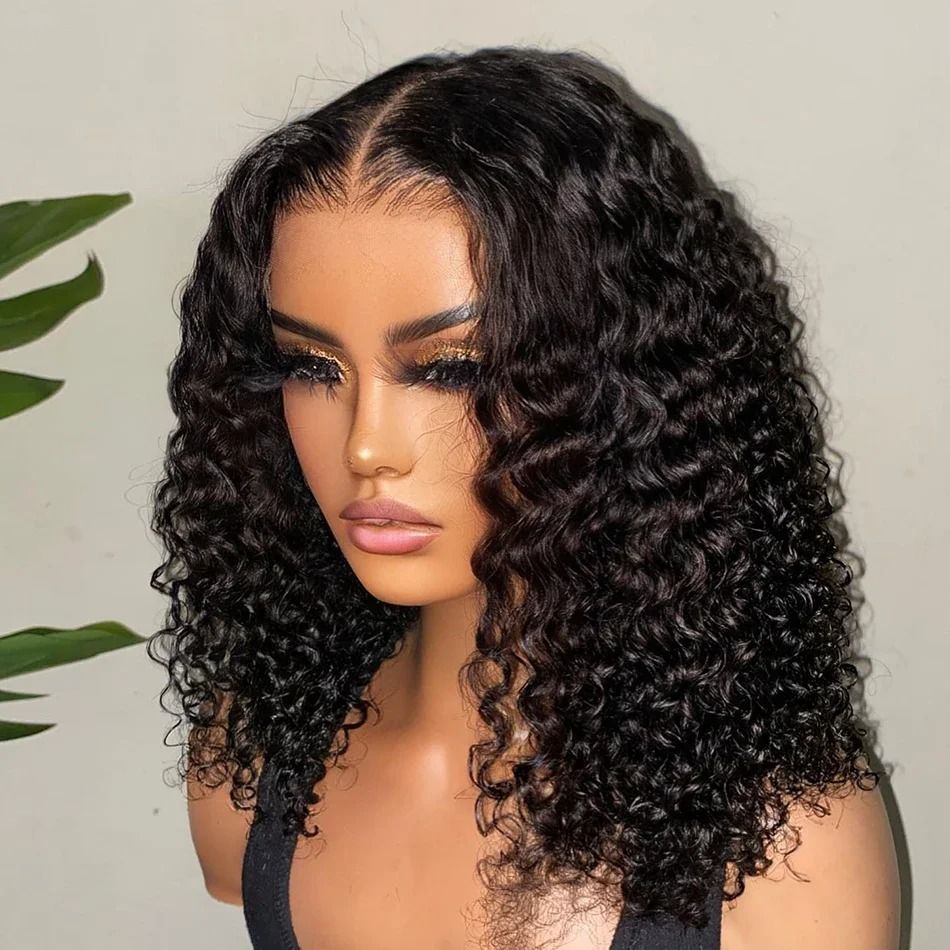
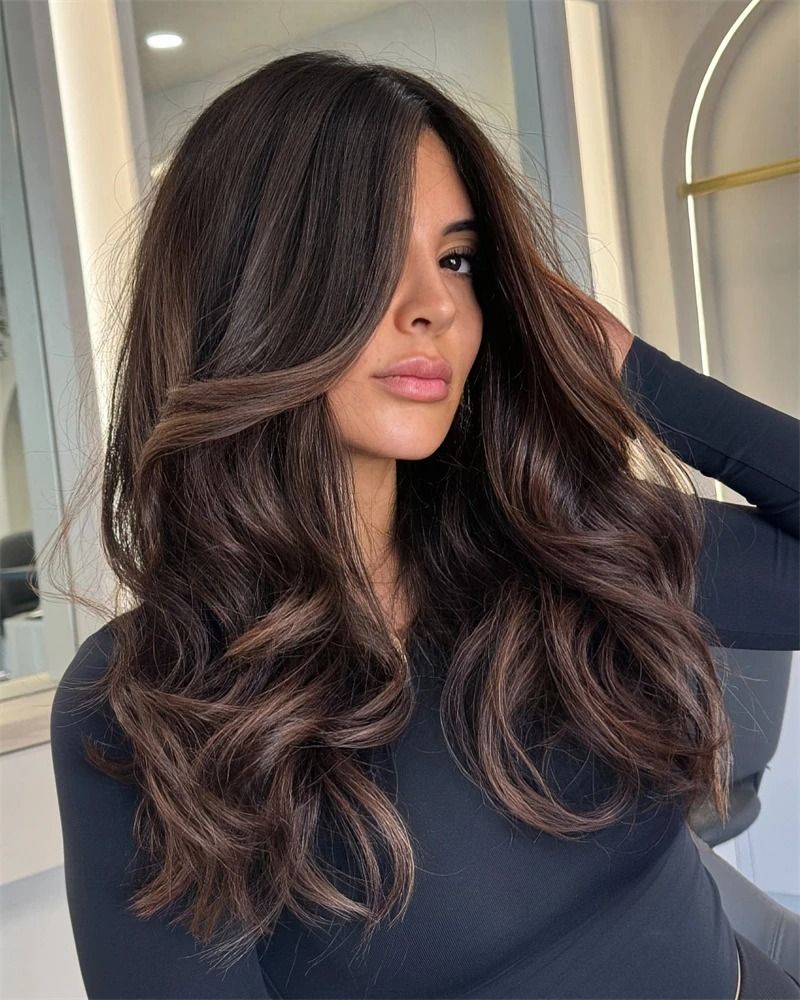
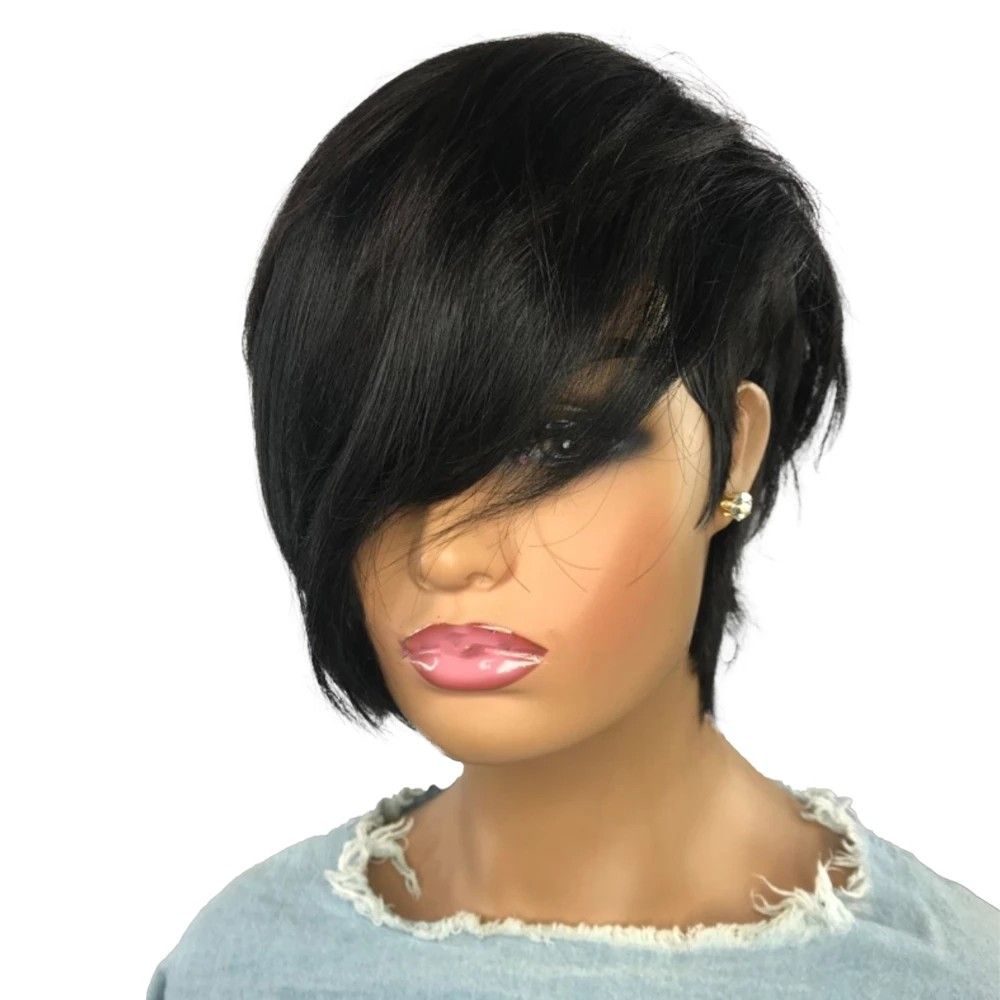
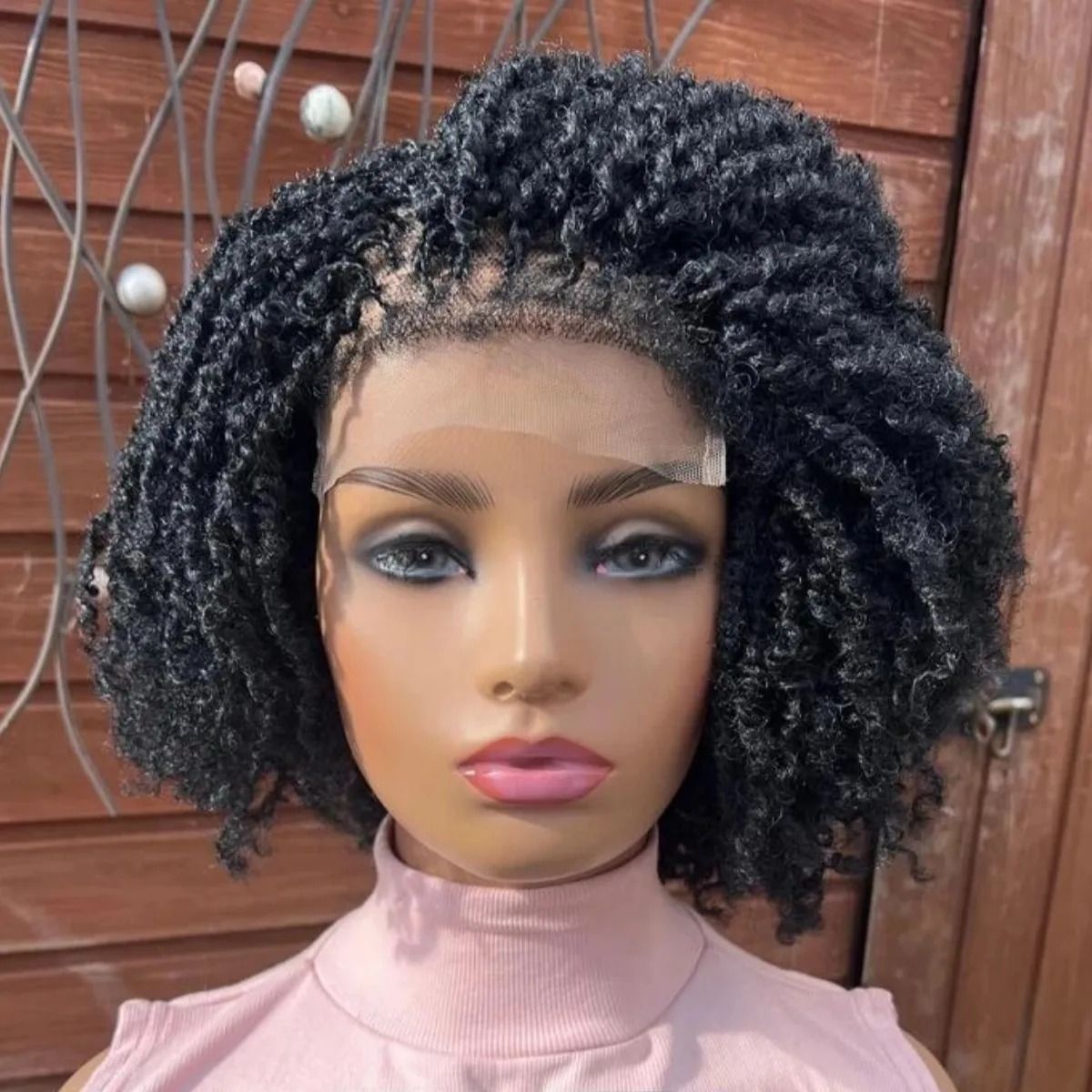
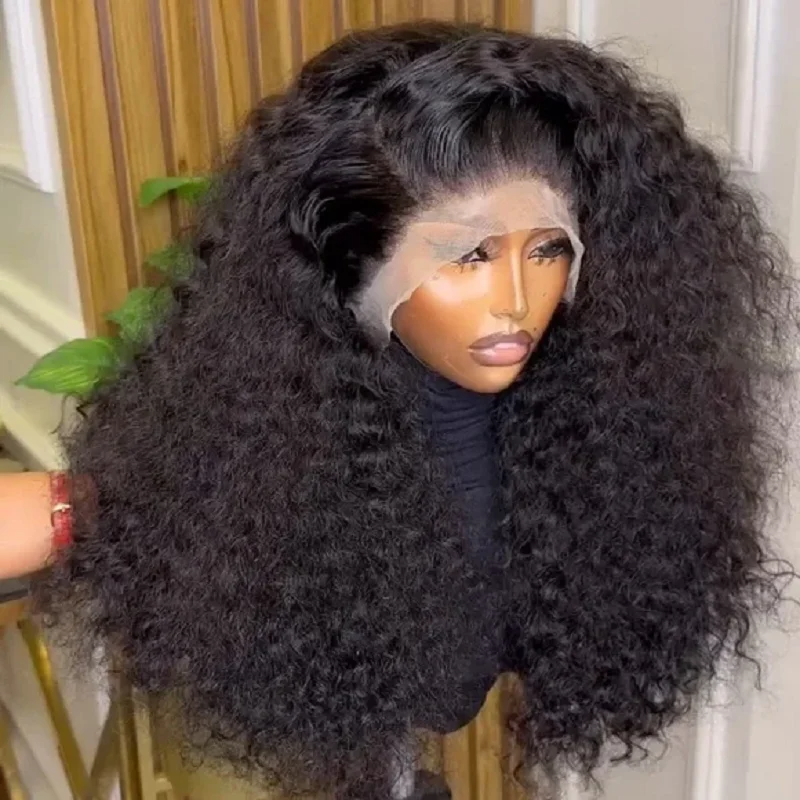
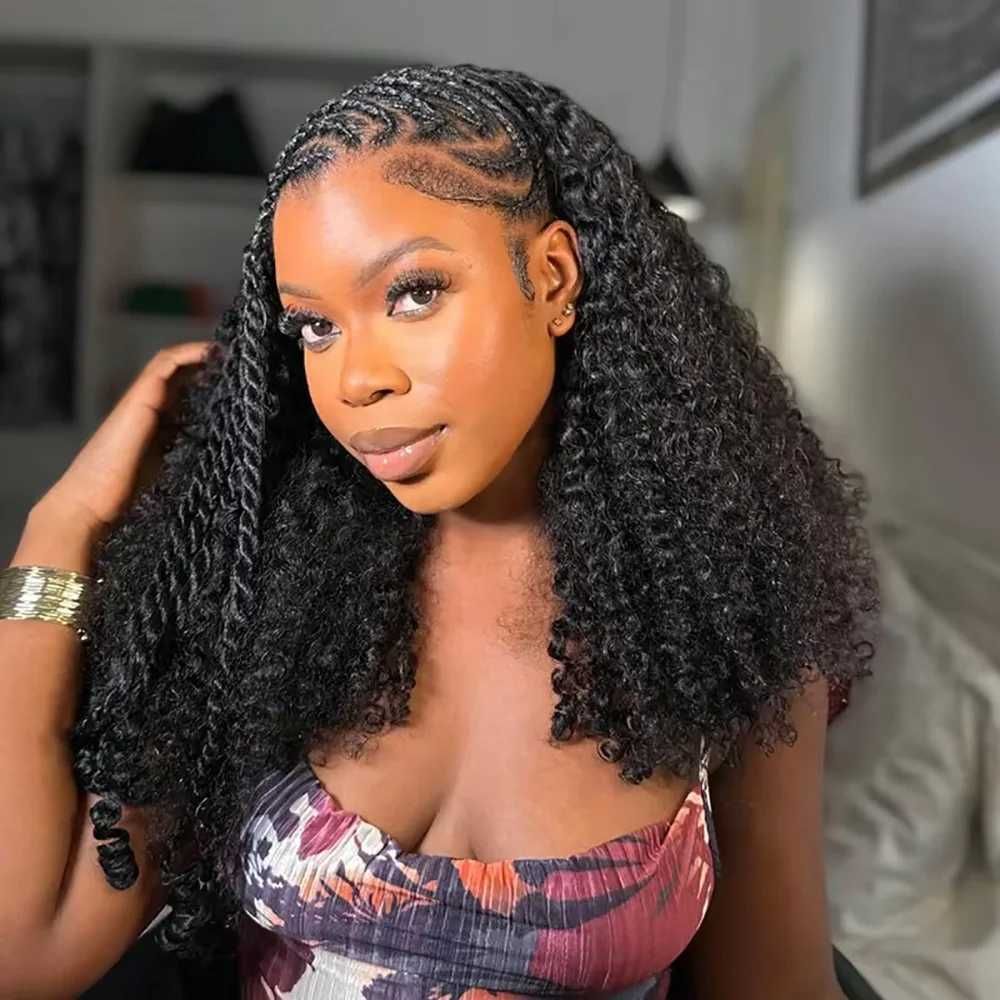
The first shopping question is blend. A half wig depends on the relationship between the wig texture and the natural hair that remains visible. If the shopper plans to leave out straightened hair, a sleek straight or body wave half wig may be easier to blend. If the shopper wants a fuller natural finish, curly, kinky curly, coily, deep wave, or water wave textures may make more sense. The pain point is that many product photos only show the finished back view. A stronger buying page should help visitors think about the front transition, because the most beautiful half wig can still feel wrong if the leave-out does not match the texture, sheen, density, or curl size.
The second question is coverage. Half wigs are not all built the same. Some sit farther back behind the natural hairline, some cover more of the crown, and some act almost like a three-quarter wig. Buyers should check where the front edge begins, whether the product uses combs, clips, drawstring support, adjustable straps, or an inner cap, and whether the cap shape fits their hair volume underneath. A shopper with thick braids, natural curls, or a protective base may need more cap space than someone wearing a flat wrap. The best half wig for daily use is not only the one with the prettiest curl pattern. It is the one that stays secure without pulling on the leave-out or creating pressure at the front combs.
The third question is speed. A major selling point of a half wig is the ability to get ready quickly. Many buyers want a style they can place in minutes for work, errands, school drop-off, video calls, travel, or weekend plans. That does not mean every half wig is automatically low maintenance. Long curly units may need careful detangling. Very sleek styles may require the leave-out to be smooth. Bright colors may need a better color match around the front. The useful shopping approach is to compare the time saved during installation with the time required for blending and care.
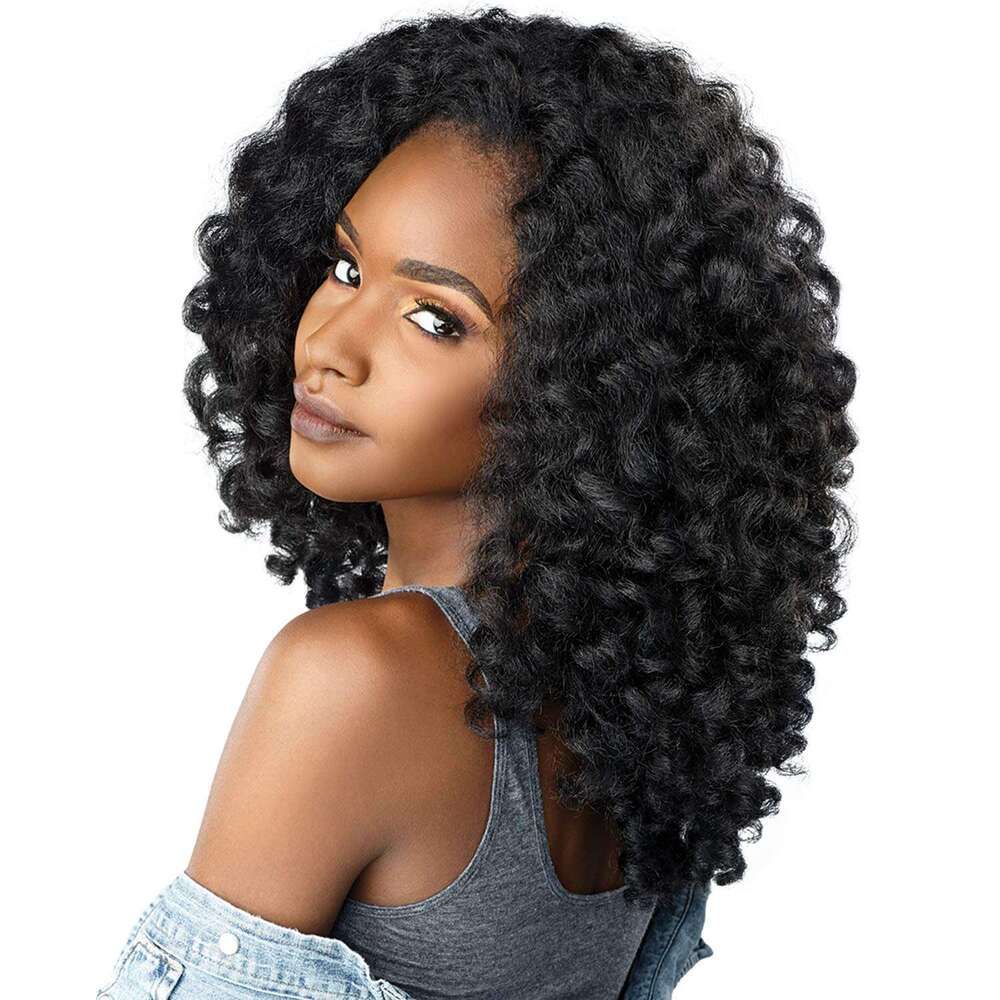
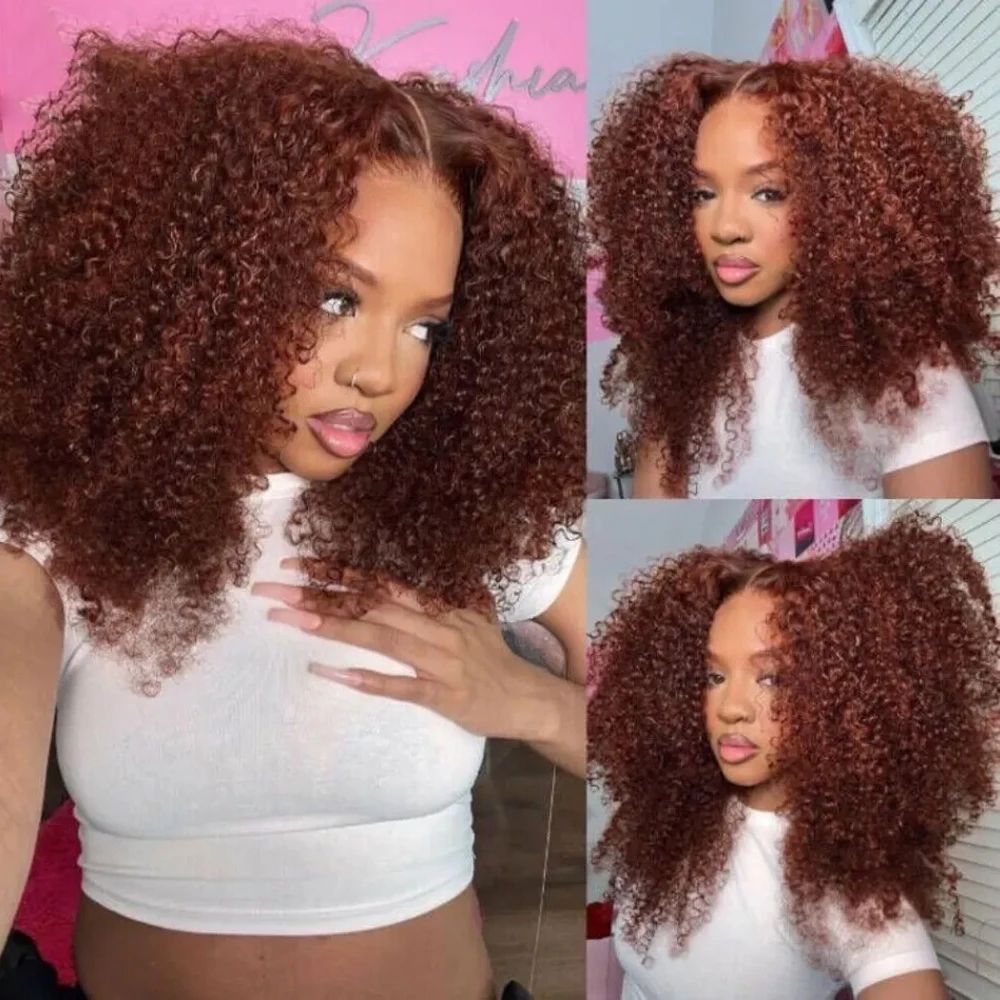
Texture match is the heart of half wig shopping. Compare curl size, wave direction, density, shine, and movement. A silky straight half wig can look polished when the leave-out is smooth. A kinky curly half wig can create a natural fullness when the front hair has similar volume. A body wave half wig can work well for shoppers who want softness without a tight curl pattern. The goal is not only to choose a pretty style, but to choose a texture that helps the front and back read as one finished look.
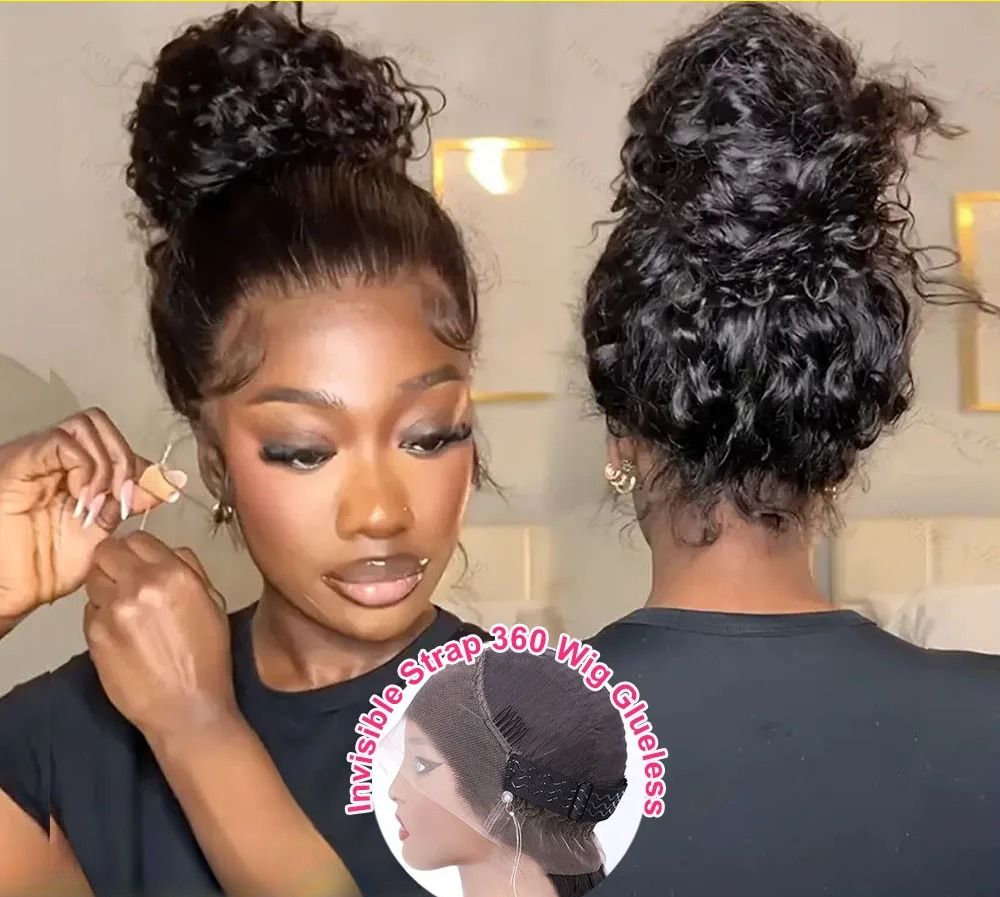
Security matters because half wigs often rely on combs, clips, elastic, drawstrings, or adjustable bands. The product should feel stable without putting too much tension on the leave-out or edges. Shoppers should check whether the cap is breathable, whether the combs are placed in a comfortable area, and whether the wig can handle normal movement. A secure half wig should not slide backward, lift at the crown, or need constant readjustment during the day.
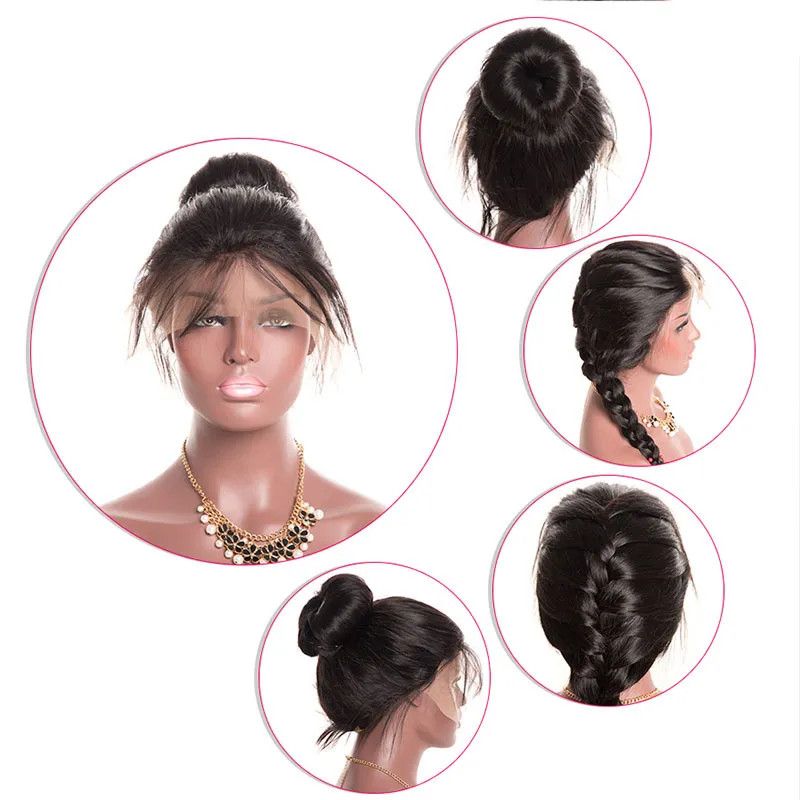
A half wig should fit the buyer's real routine. Some people want a heat-free protective style with minimal leave-out. Others want a polished blowout effect that blends with straightened hair. Some need a quick travel wig, while others want a fuller weekend look. Consider how often the front hair will be styled, how much product will be needed, and whether the wig can be refreshed without a long wash day process.
Shopping pain points
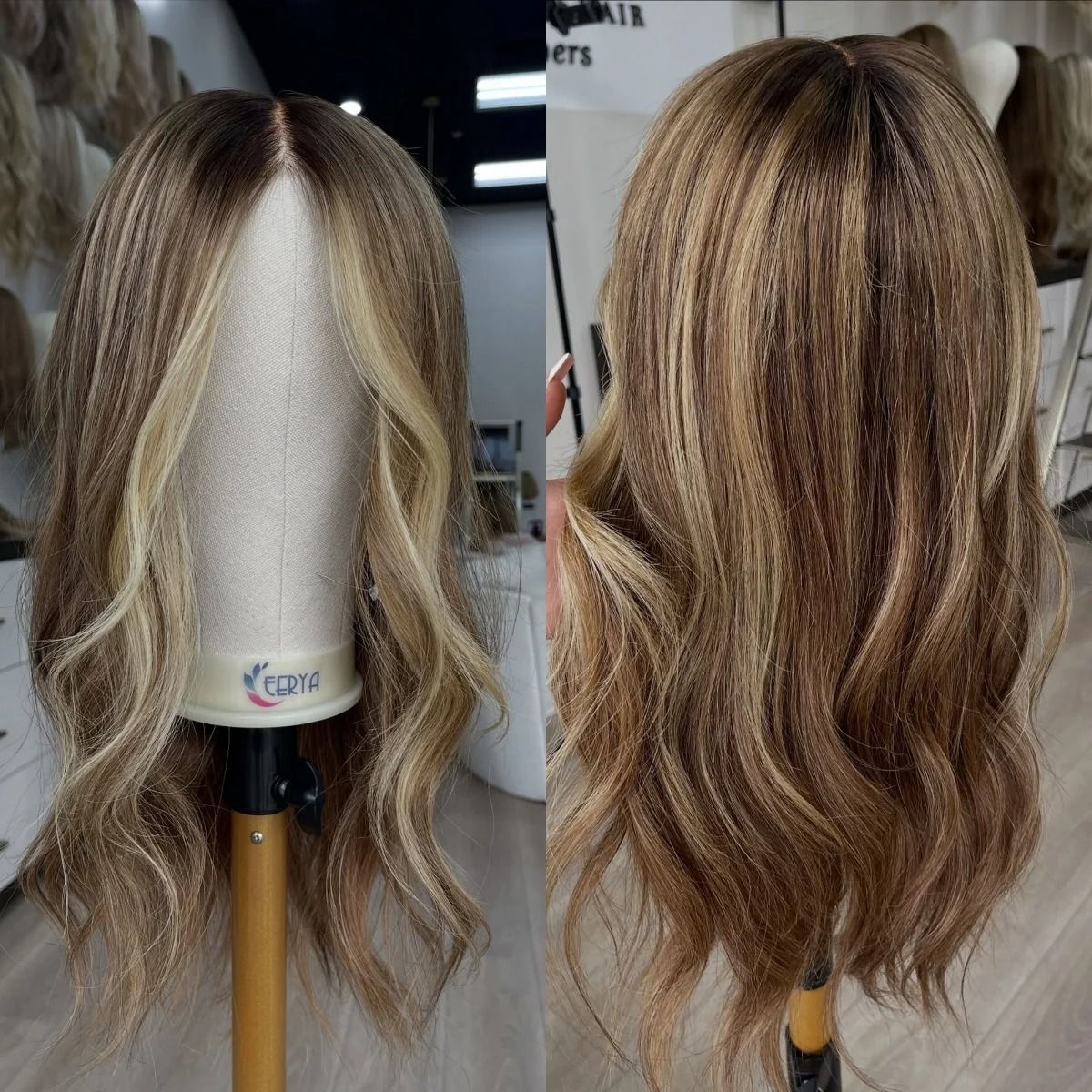
The biggest problem is a visible mismatch between natural hair and the wig. A half wig can look very natural when the front hair blends, but it can also look obvious if the color is too warm, the curl is too loose, or the shine level is very different. Buyers should compare color names carefully and look at customer-style photos when available. If the product is black, brown, ombre, blonde, highlighted, or burgundy, the leave-out needs to support that color story. If the shopper does not want to dye or heat style the front hair, a closer natural match is usually a safer choice.
Another problem is tension. Some half wigs feel secure at first because the combs grip tightly, but that can become uncomfortable after several hours. The front comb should not pull at the hairline, and the back support should not create headaches. Buyers with sensitive edges may prefer softer placement, adjustable support, or a style that can be anchored with a wig grip. A good category page should not pretend that every half wig fits every person. It should help shoppers think about scalp comfort, hairline protection, and daily movement before choosing.
A third problem is unrealistic density. Extra volume is one of the strongest half wig benefits, but too much density can make the transition harder. If the leave-out is fine or flat, a very full half wig may look heavy at the back. If the buyer loves big hair, fuller density may be exactly the point. The better question is whether the volume supports the intended style. Half wigs can be used for blowout looks, ponytail effects, curly crowns, layered waves, big textured styles, and quick glam, but each use case needs a different balance of fullness, length, and blending effort.
Product value
A half wig gives shoppers a practical middle ground between a full wig and clip-in extensions. It can add volume without covering every inch of the scalp, which can feel cooler and lighter during warm weather or long days. It can protect most of the natural hair while leaving the front section available for a familiar hairline. It can also reduce the need for lace cutting, glue, adhesive spray, detailed baby hair work, or full cap blending. For buyers who like wigs but do not want every style to feel like a complete installation, that convenience is a real product benefit.
Half wigs are also useful when shoppers are growing out natural hair, recovering from heat damage, stretching a wash day, changing styles between appointments, or adding instant fullness to thinning areas around the crown and back. A well-chosen half wig can make the front hair look intentional instead of hidden. That is why texture, color, and cap comfort are so important. The product should support the hair the shopper already has, not fight against it.
This page is written to prepare a clean product category for future half wig listings. Once the product feed is mounted, visitors can move from this guide into specific product cards and product detail pages. The category copy explains the decision-making process, while each product page can show the exact images, price, SKU, specs, reviews, shipping notes, return policy, and structured data needed for a complete ecommerce experience.
Before buying
Start with your leave-out plan. Decide whether you want to leave out a center part, side part, bangs, edges, or a full front section. Then compare the half wig texture to that plan. If you will use little or no heat, choose a texture that already works with your natural pattern. If you are comfortable smoothing the front hair, a sleeker half wig may be possible. If you want a protective style with minimal manipulation, choose a cap and texture that reduce daily styling instead of adding more work.
Next, check cap comfort and attachment. Look for notes about combs, clips, drawstrings, breathable wefting, stretch, and adjustable support. Think about where the pressure will sit during the day. A half wig should feel secure enough for normal movement, but not so tight that it pulls on the hairline. If the listing includes detail photos of the inside cap, use them. If not, compare similar products and read the product description carefully before ordering.
Finally, compare care expectations. Human hair half wigs may allow more heat styling and wash-day flexibility, but they can need more care to keep the style smooth. Synthetic half wigs may hold curls or waves well, but heat use depends on the fiber. Long styles need more detangling, while shorter styles may be faster to refresh. A good choice is the half wig that fits your hair, your schedule, your comfort needs, and the look you want to repeat.
Care notes
Care begins with gentle handling. Detangle from the ends upward, keep the cap clean, and avoid pulling through knots while the wig is still attached to your hair. After wearing, let the cap air out before storage. Store the half wig on a stand, hanger, or breathable bag so the texture does not flatten. For curly and wavy styles, use finger styling first and avoid brushing away the pattern. For straight styles, protect the ends from bends and friction.
The leave-out needs care too. A half wig looks best when the natural front section stays healthy, moisturized, and lightly styled. Avoid heavy buildup near the front edge because it can make blending harder. If heat is used on the leave-out, keep it moderate and protect the hair. The most natural half wig result comes from both parts working together: the wig adds the shape, and the natural hair creates the believable finish.
FAQ
A half wig does not cover the entire head in the same way a full wig does. It usually sits behind some natural hair, letting the wearer blend leave-out over the front edge for a softer hairline and faster styling routine.
Yes, a half wig can look very natural when the texture, color, density, and shine level work with the natural leave-out. The best result usually comes from choosing a product that supports the hair you plan to show.
A half wig can add fullness through the back and crown, but shoppers with thin or delicate hair should check attachment pressure carefully. Soft support and gentle placement are important for comfort and hairline care.
Human hair half wigs may offer more styling flexibility, while synthetic half wigs can hold a preset texture with less daily work. The better choice depends on budget, heat styling needs, care time, and the desired look.