


The word "wig" is so familiar that most people never stop to think about where it came from. It's one of those words that's been in the English language so long — since the 1600s — that it feels like it's always been there. But "wig" is actually a shortened form of a longer word, and that longer word tells an interesting story about how the English language processes foreign fashion terms.
"Wig" is short for "periwig," which is an English corruption of the French word "perruque." The French "perruque" itself came from the Italian "perrucca" or "parrucca," which likely derived from the Latin "pilus" meaning "hair." So the chain goes: Latin "pilus" → Italian "parrucca" → French "perruque" → English "periwig" → shortened to "wig." The shortening happened naturally as the word became more common — English speakers tend to compress frequently-used words (think "phone" from "telephone," "bus" from "omnibus," "pram" from "perambulator").
The word "peruke" was also used in English to refer specifically to the elaborate men's wigs of the 17th and 18th centuries — the big, formal, often powdered ones. "Wig" became the general term, while "peruke" became the specialized historical term.
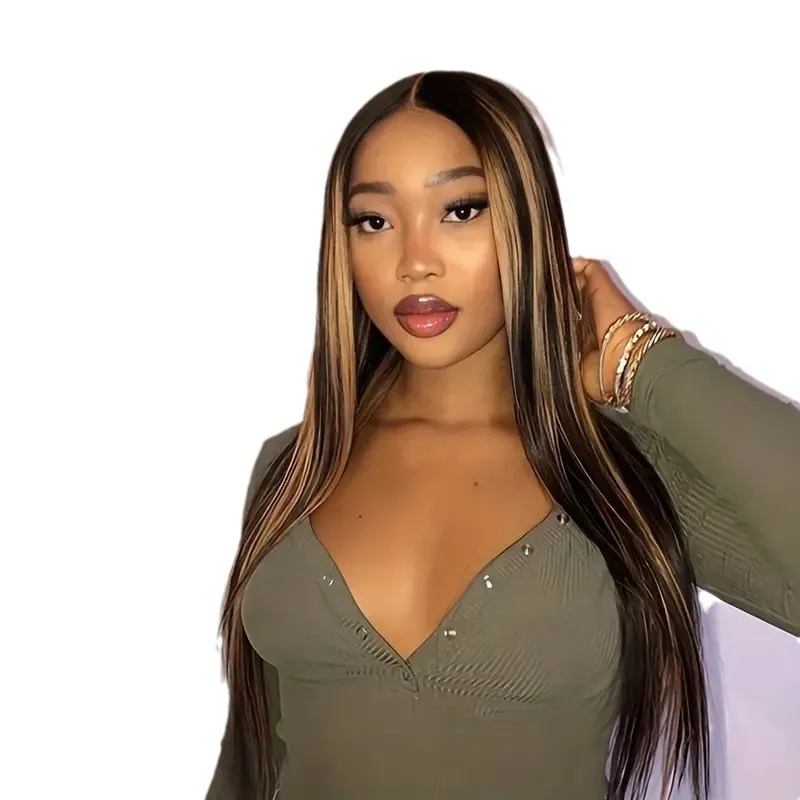
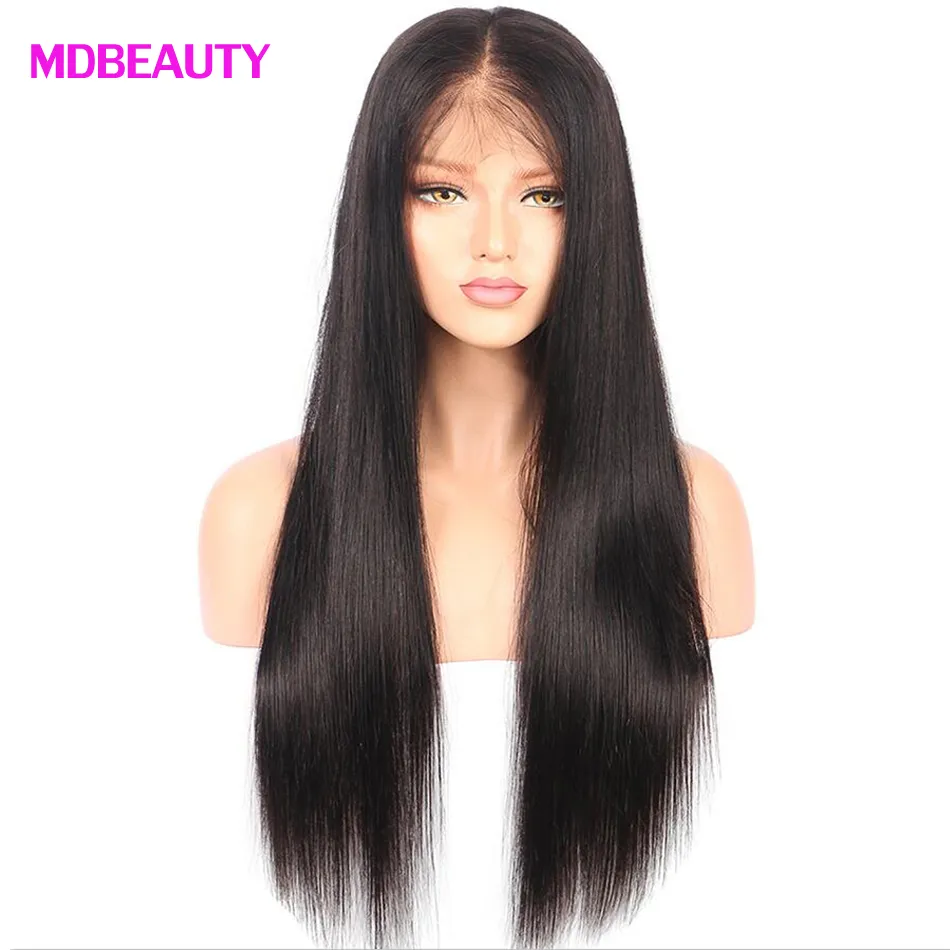
By modern definition, a wig is an artificial covering of natural or synthetic hair worn on the head. The key word in that definition is "covering" — a wig covers the natural hair or scalp. This distinguishes wigs from hair extensions, which add to existing hair, and from toppers or hairpieces, which cover specific areas rather than the entire head.
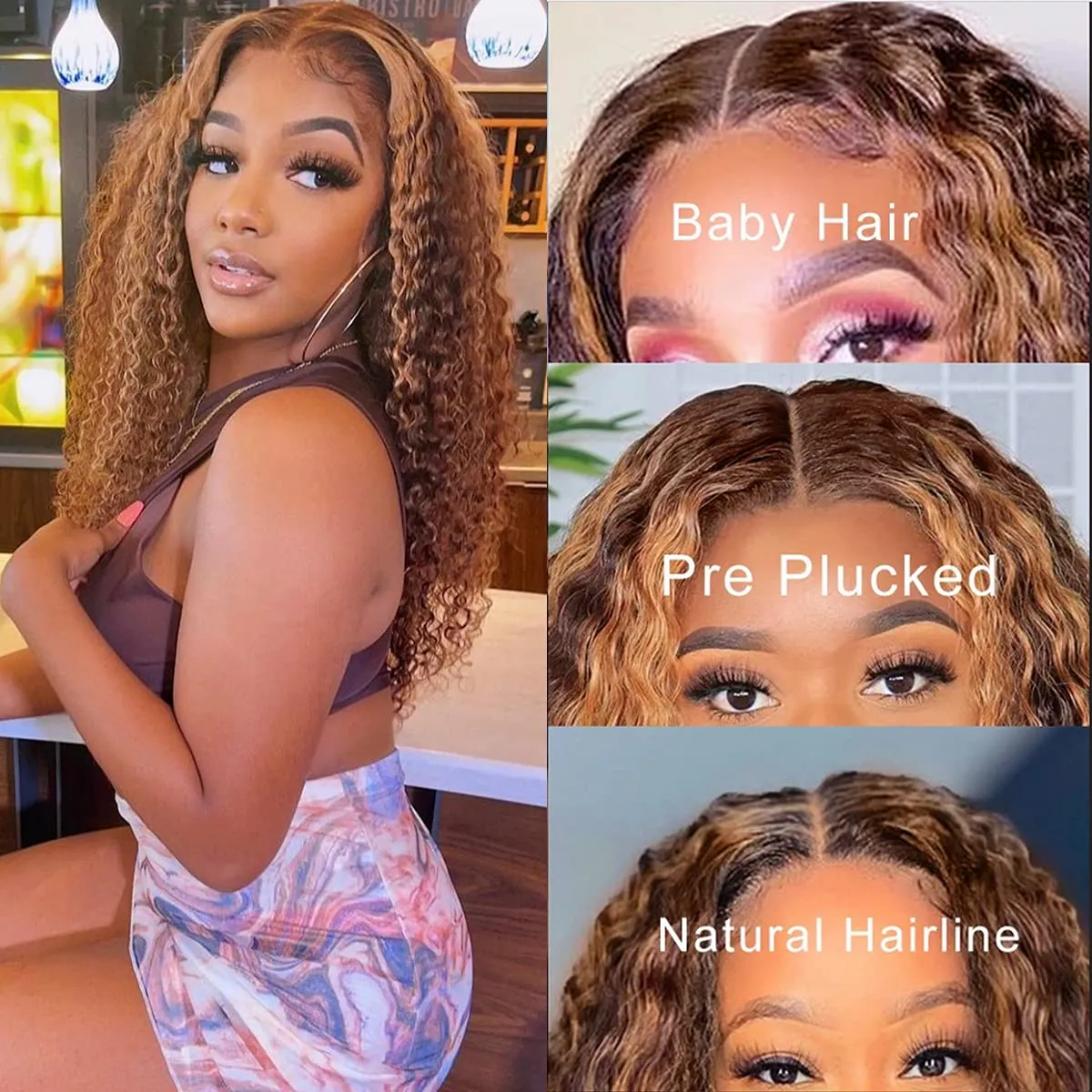
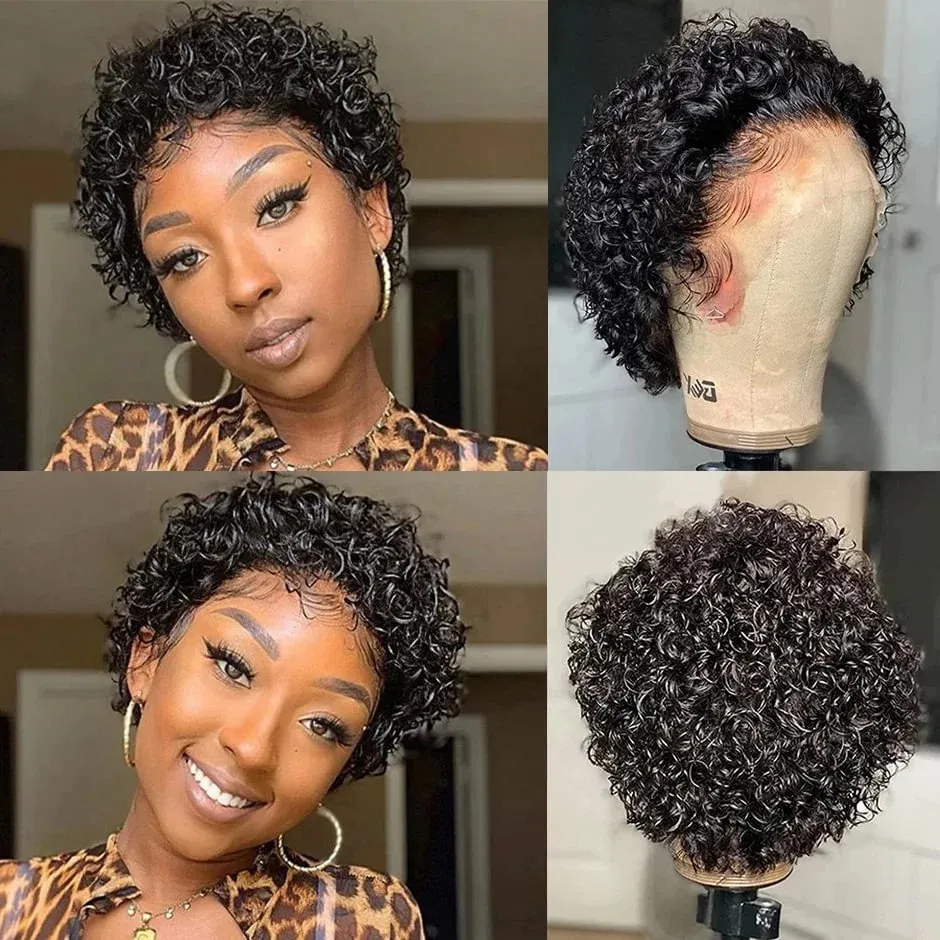
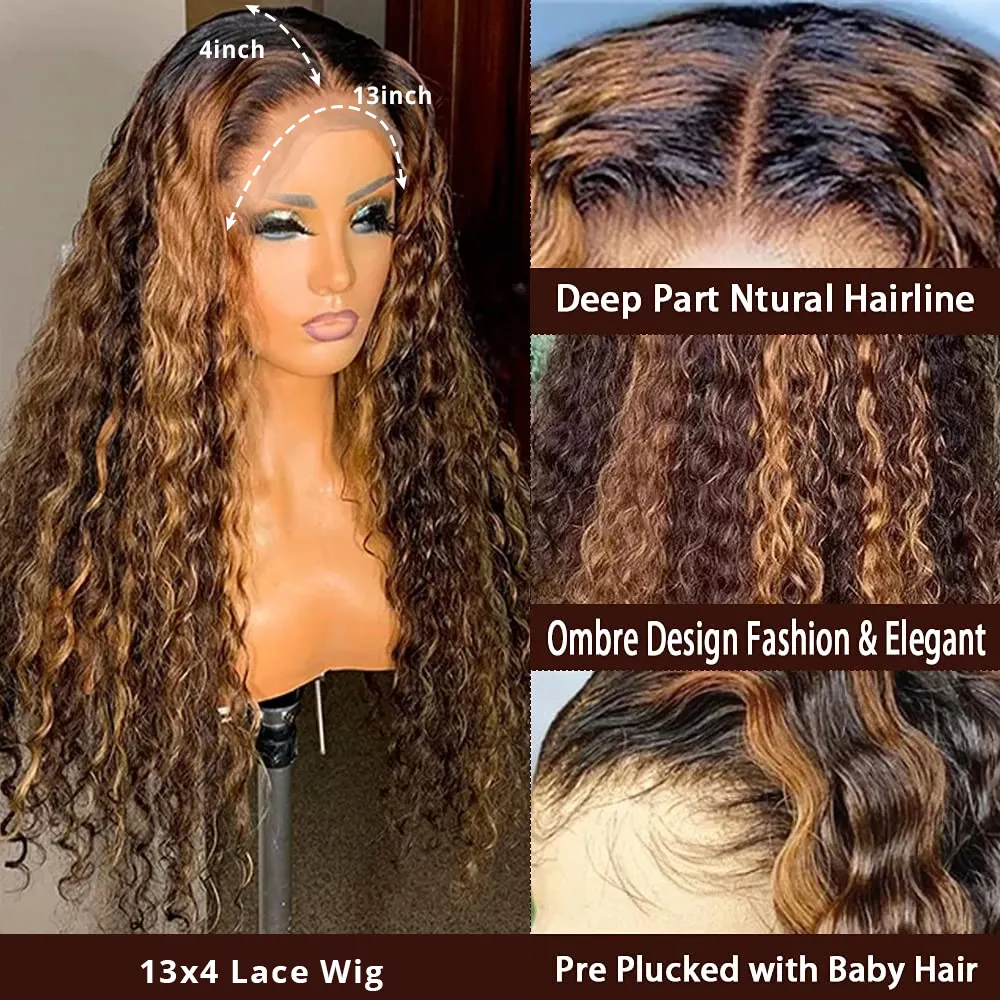
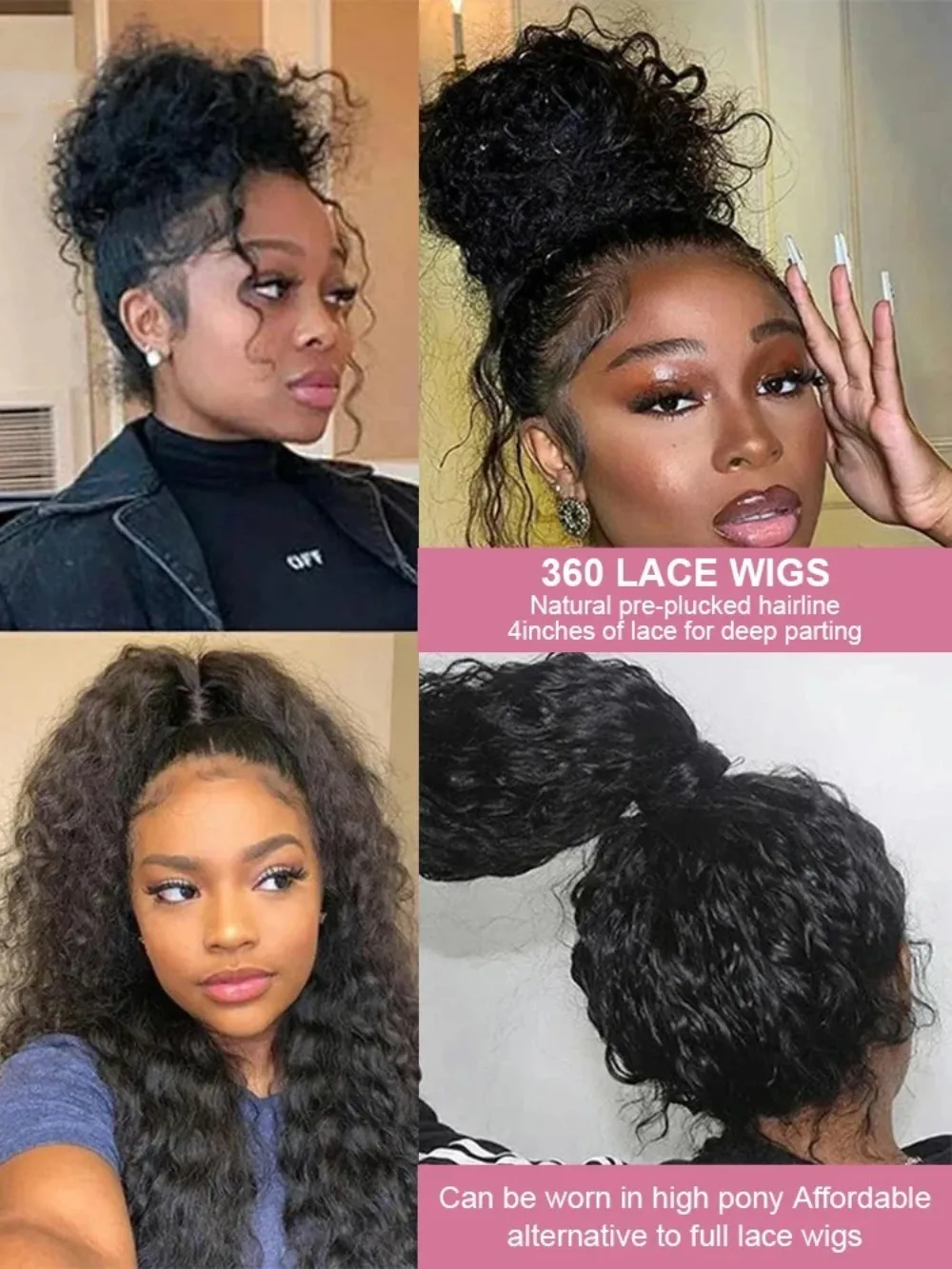
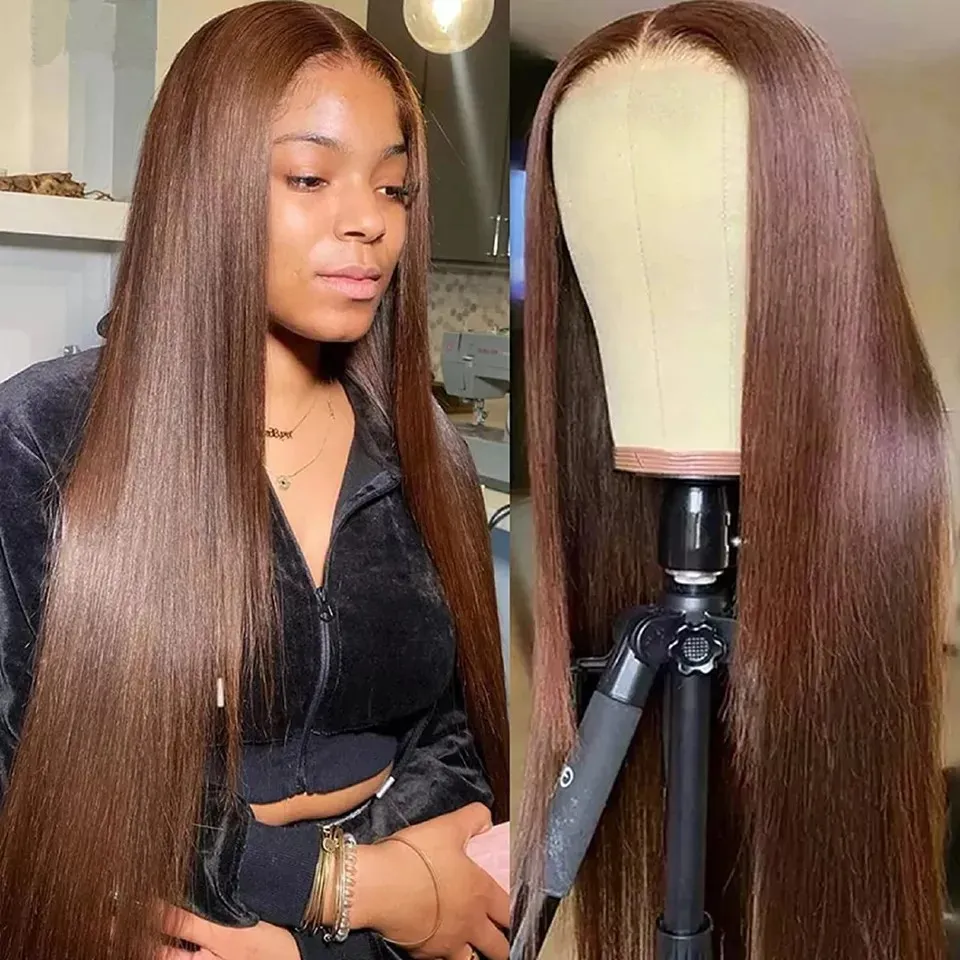
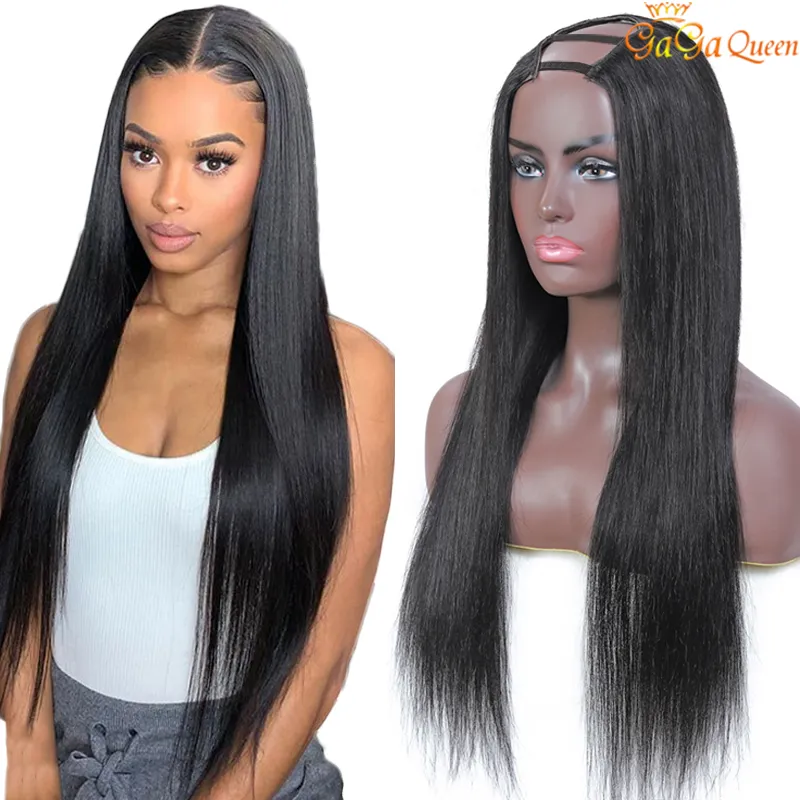
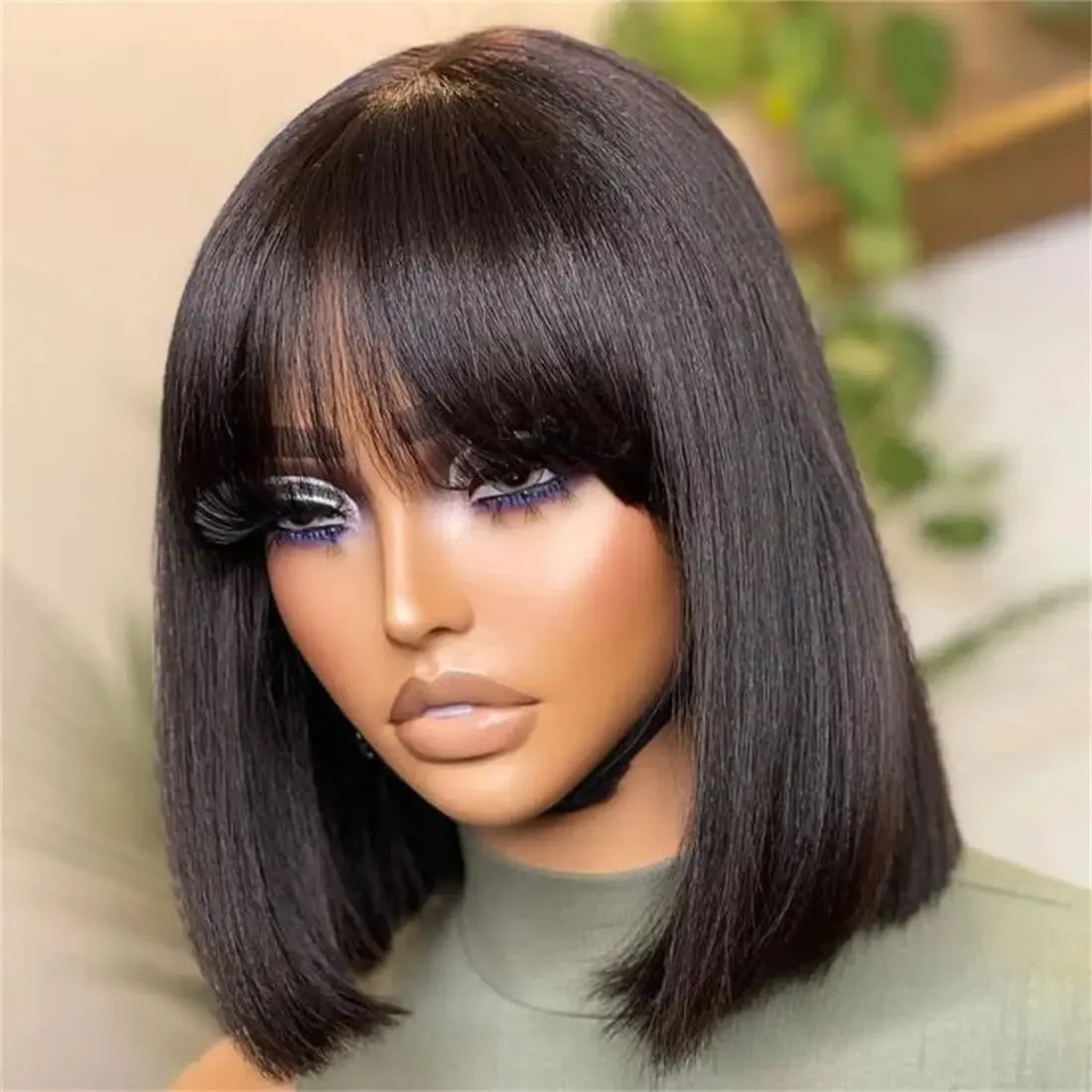
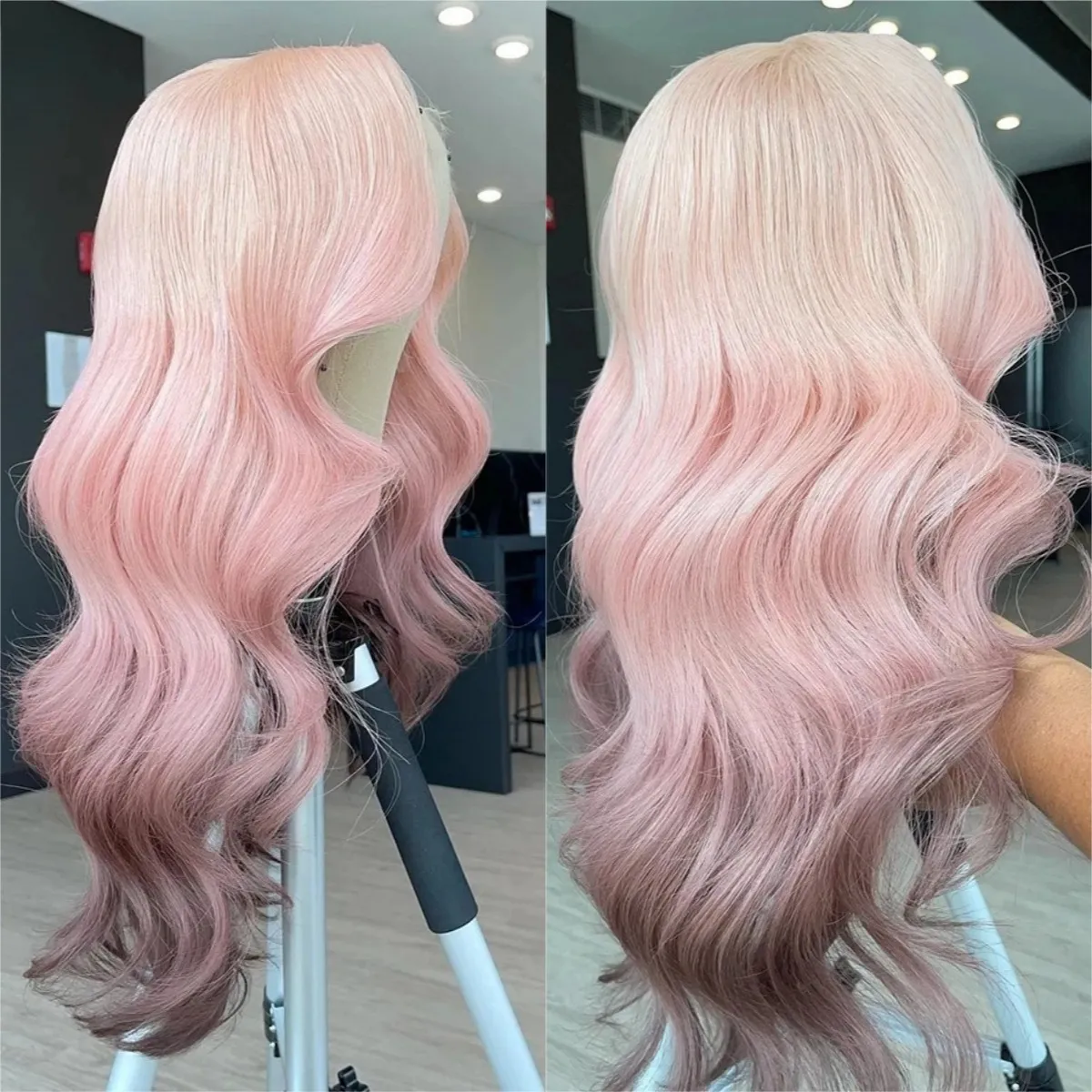
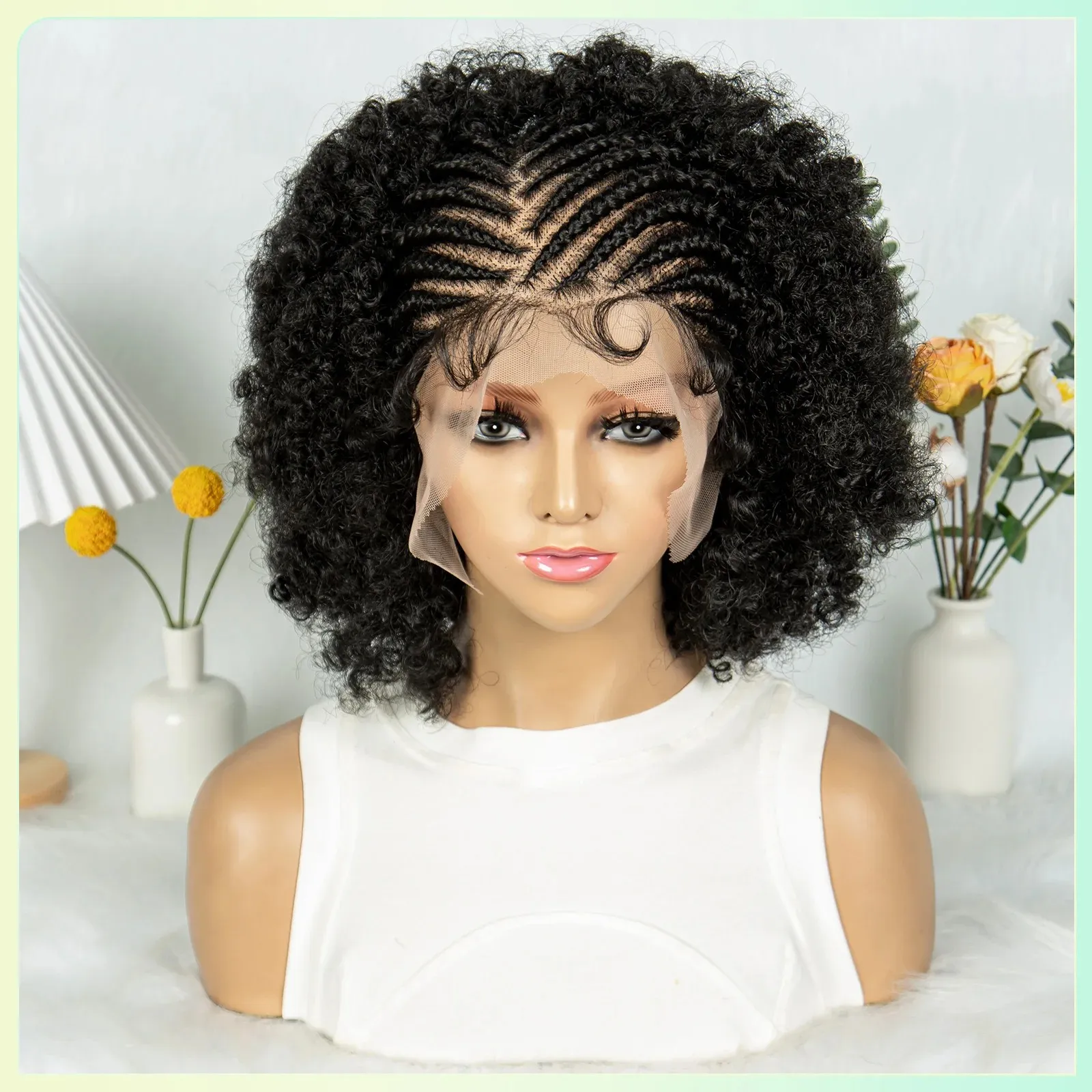
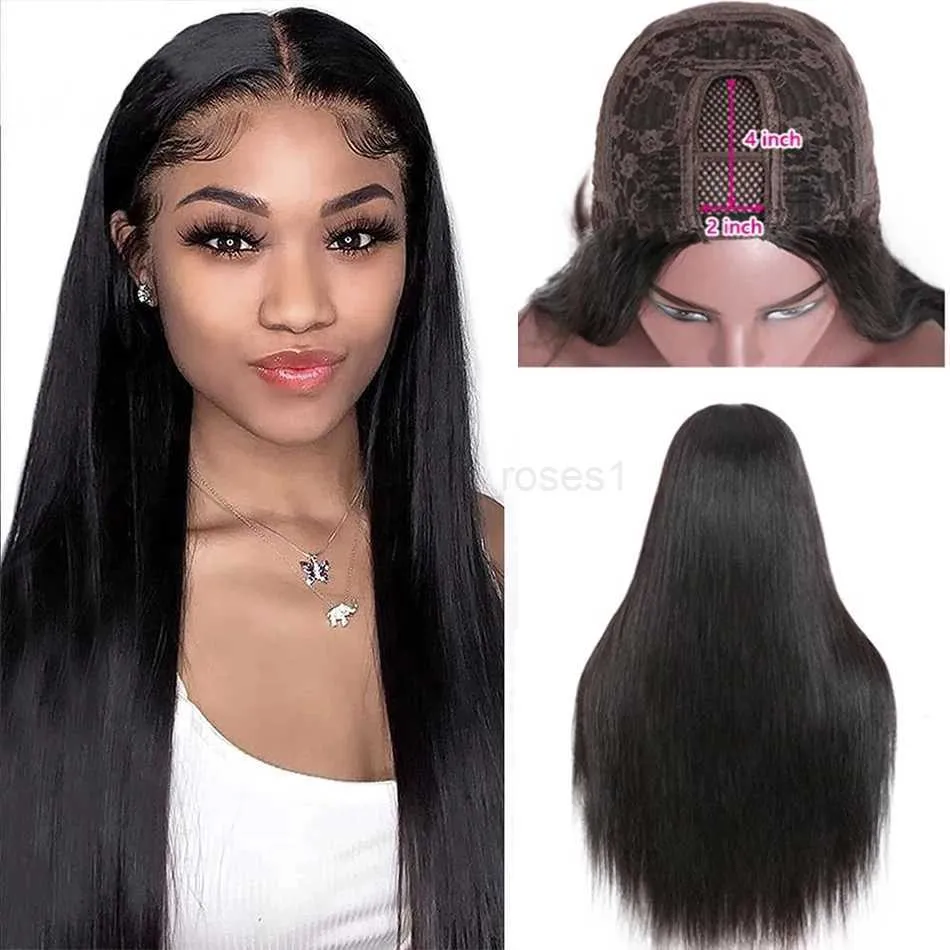
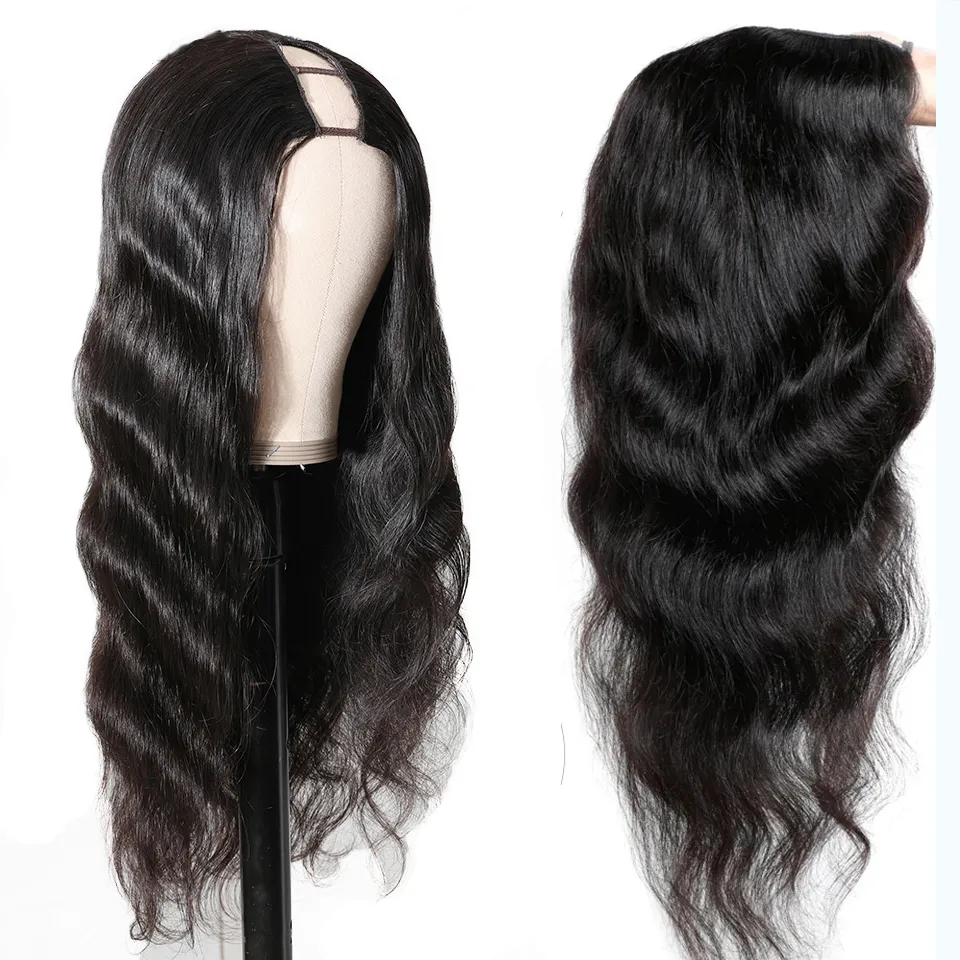
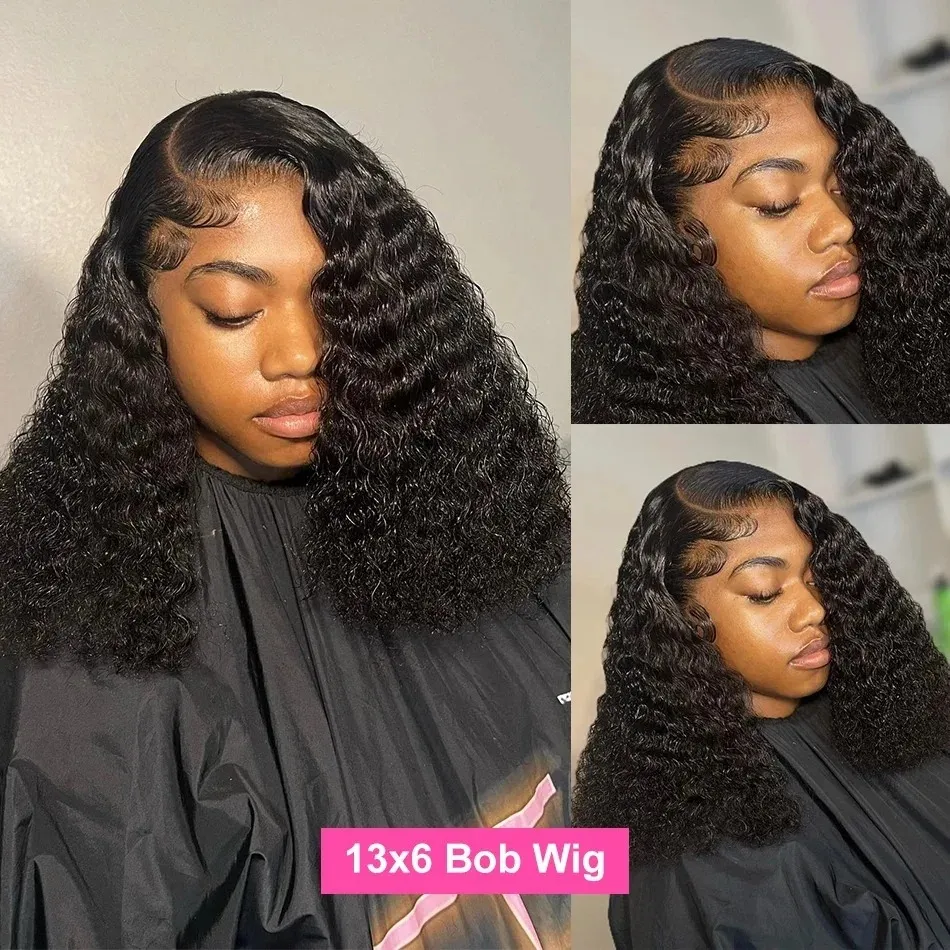
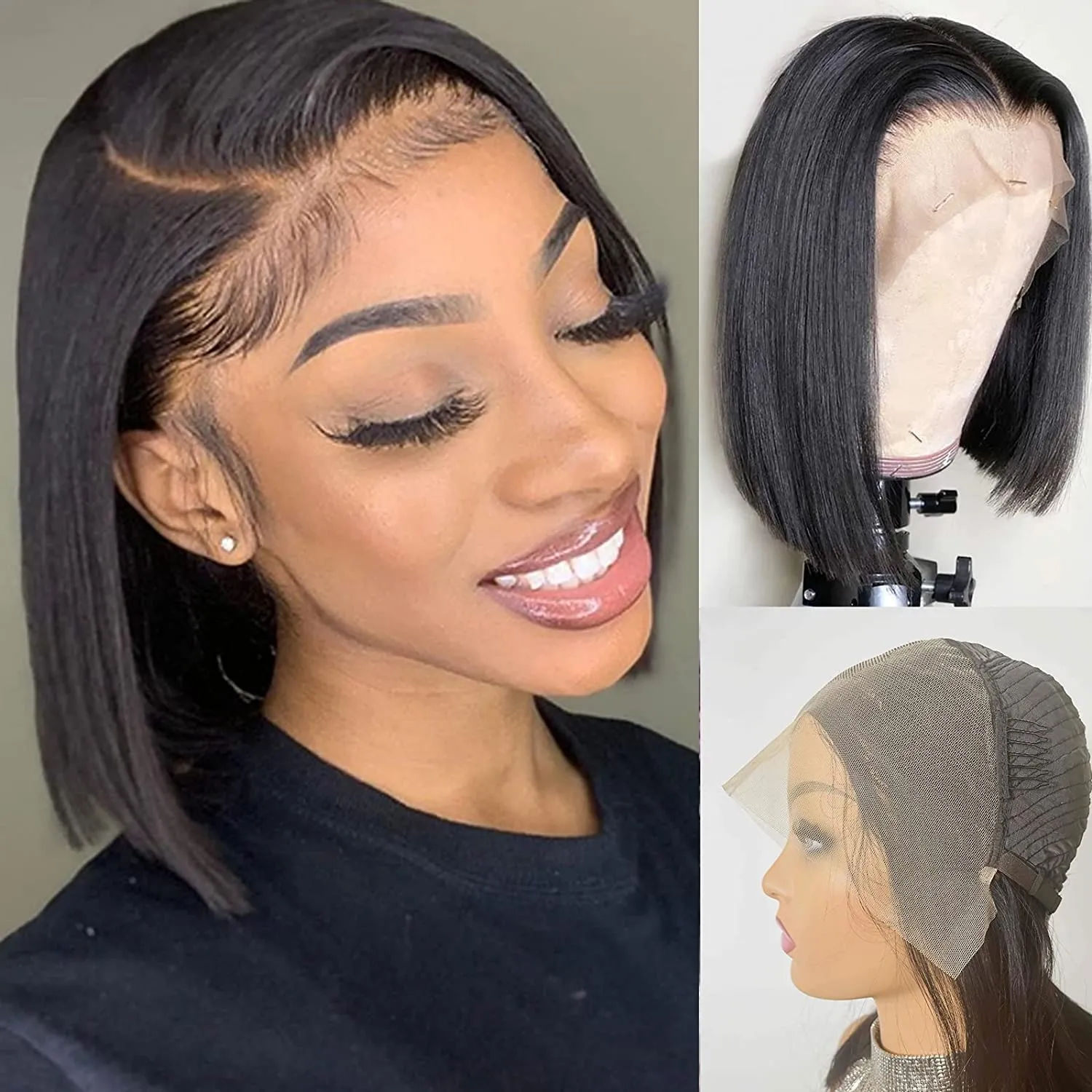
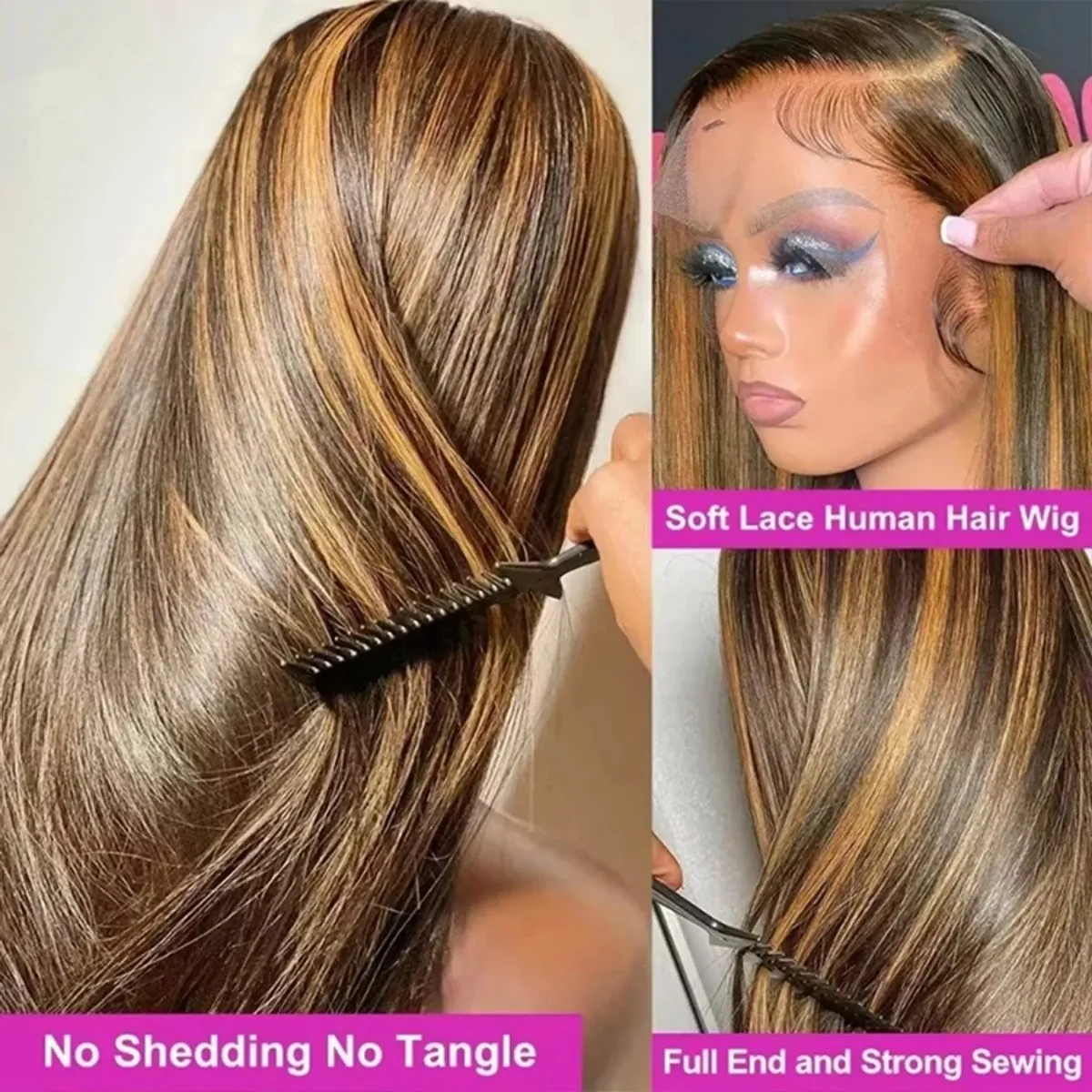
Wigs can be full (covering the entire head), partial (covering part of the head, like a half-wig or fall), or specialized (lace front, full lace, 360 lace, U-part, V-part, etc.). The materials range from 100% human hair to high-quality synthetic fibers to blends. The method of attachment ranges from simple adjustable straps to medical-grade adhesives. But at its core, a wig is defined by two characteristics: it's worn on the head, and it mimics the appearance of natural hair.
The dictionary definition doesn't capture what "wig" means to the people who wear them. In 2026, the word carries very different connotations depending on context:
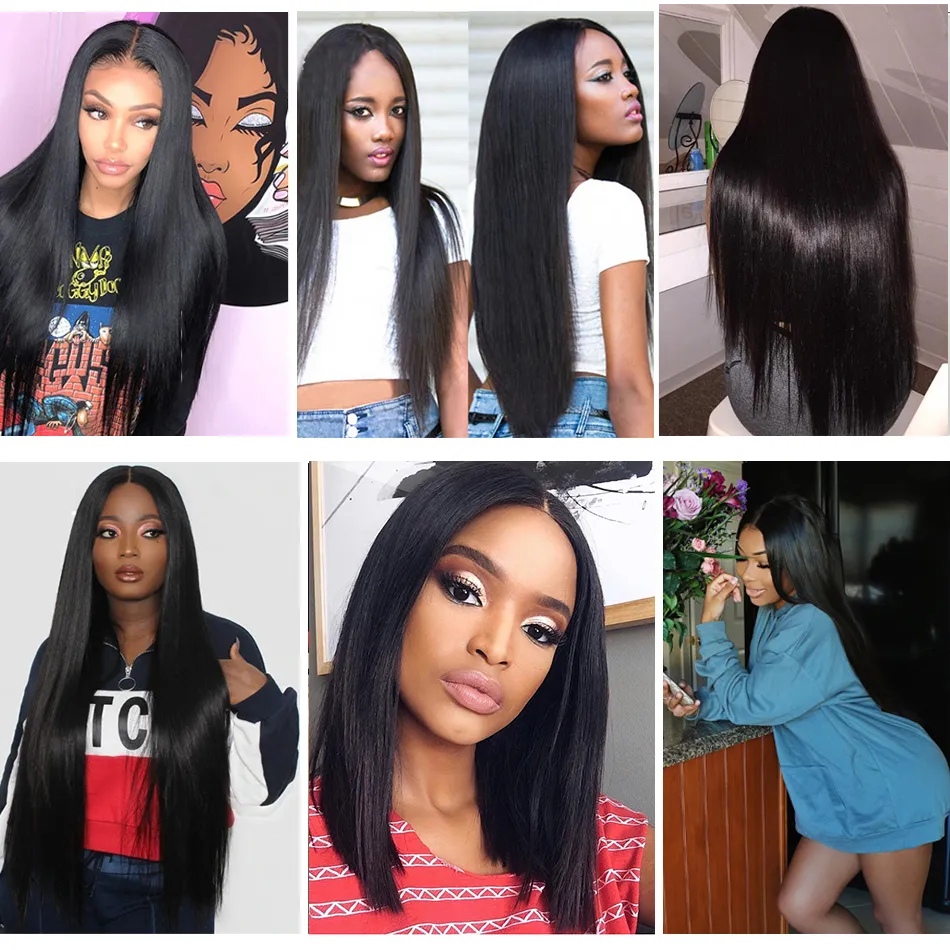
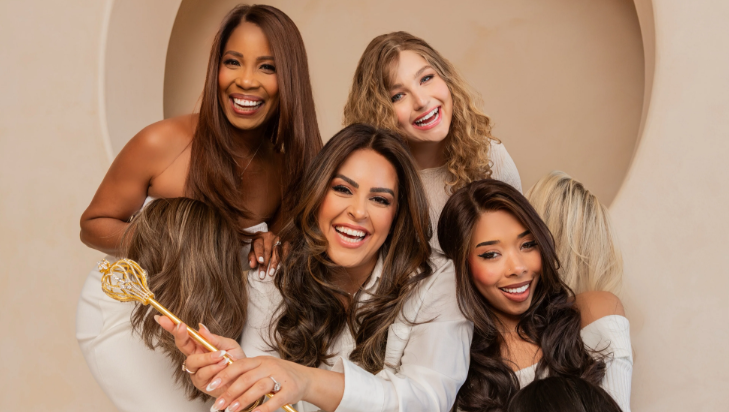
In Black women's culture: "Wig" is a neutral or positive term — a tool, an accessory, a form of self-expression. The normalization of wigs in Black communities, driven by protective styling needs and creative expression, has been one of the most significant cultural shifts in beauty over the past two decades. Terms like "lace front," "melt," "closure," and "360" entered mainstream vocabulary through Black women's beauty culture.
In drag and LGBTQ+ culture: "Wig" has additional layers of meaning — performance, transformation, fabulousness. The phrase "wig snatched" (meaning something is so shocking or impressive it metaphorically removes your wig) originated in drag culture and spread to mainstream internet slang.
In medical contexts: "Wig" can be a loaded word. Some women undergoing chemotherapy prefer "cranial prosthesis" — the medical insurance term — because "wig" feels frivolous when you're losing your hair to save your life. Others embrace "wig" precisely because they want to treat it as a normal accessory, not a medical device. There's no wrong answer. The meaning of the word is personal.
For everyday wearers: "Wig" increasingly just means "hair option." The stigma is fading. A 25-year-old putting on a $40 synthetic wig for a night out and a 55-year-old putting on a $400 human hair wig for work are both using the same word to describe a fundamentally similar experience: choosing what their hair looks like today.
"Wig" is a three-letter word that contains multitudes. It can mean disguise or self-expression. Confidence or compensation. Fashion or necessity. The word itself is neutral. The meaning comes from the person wearing it.
Whatever "wig" means to you, we respect it. And we'll help you find one that fits your definition — and your head.