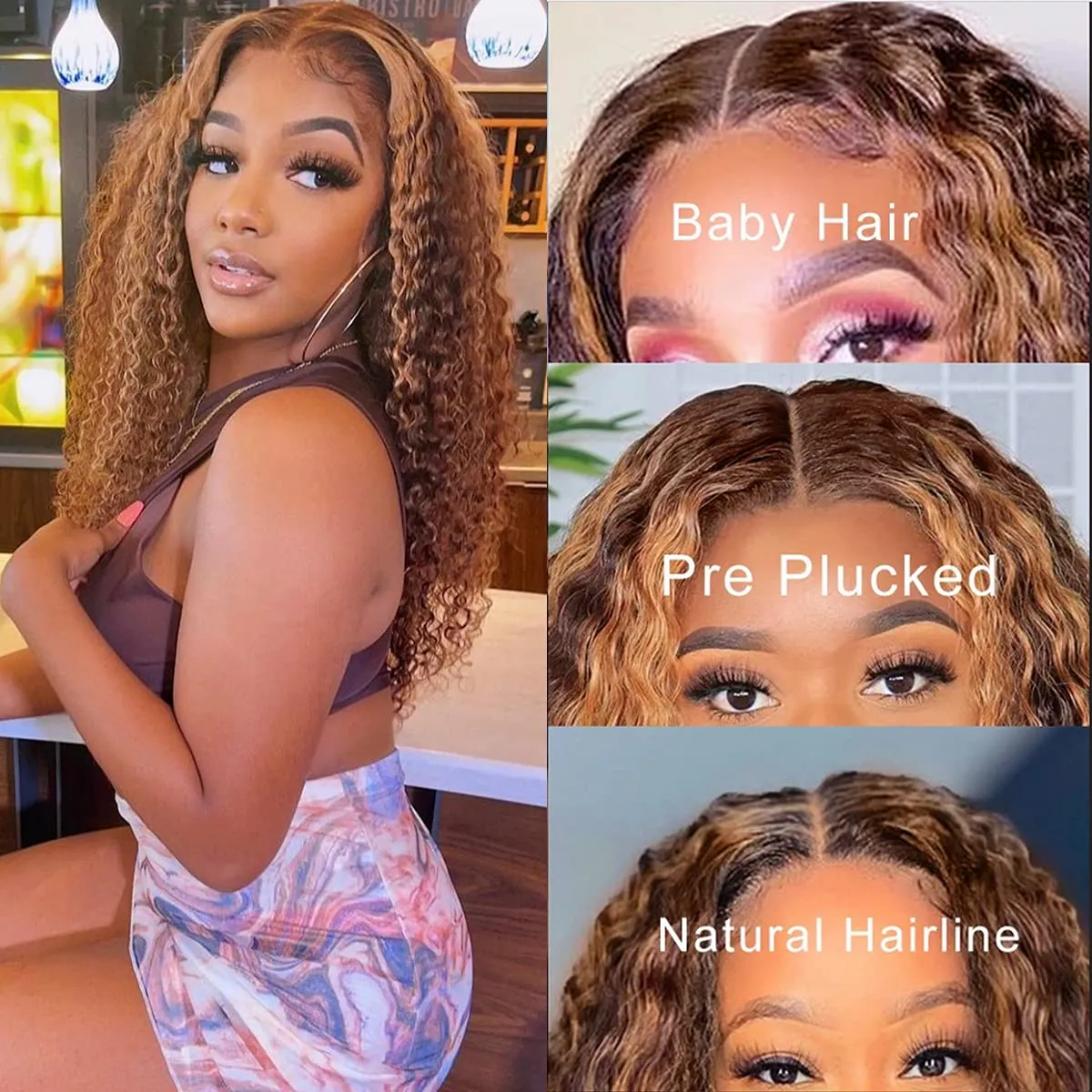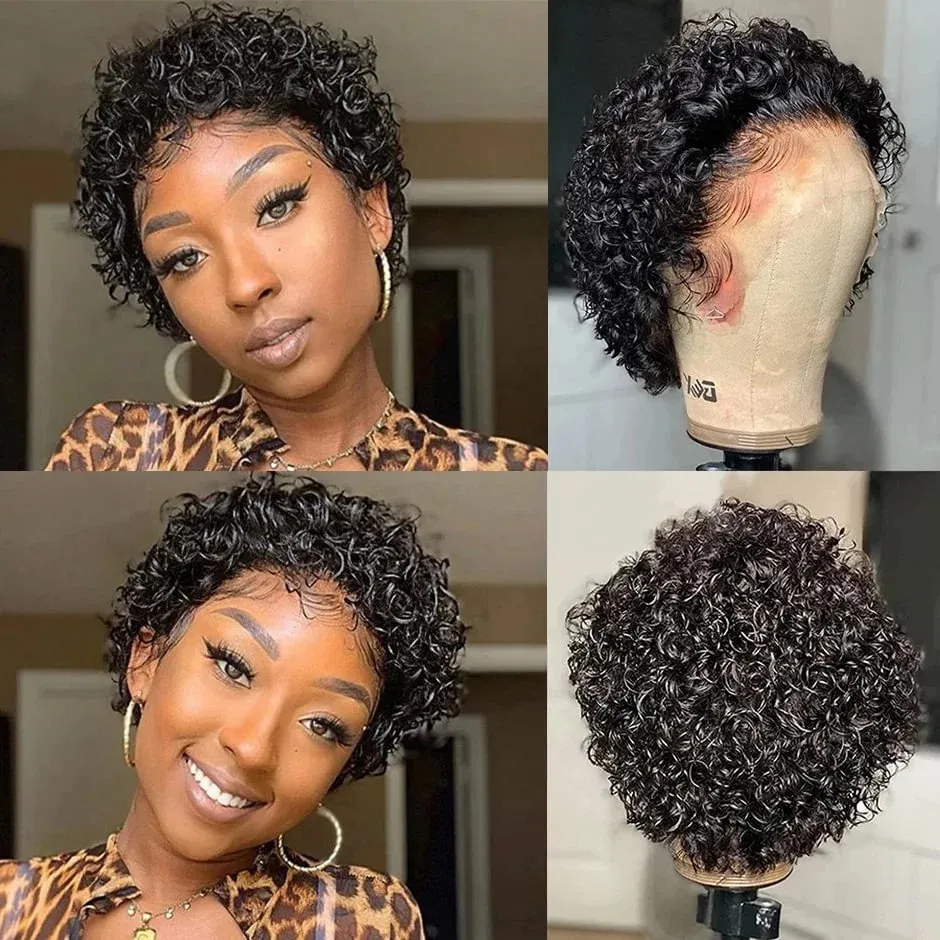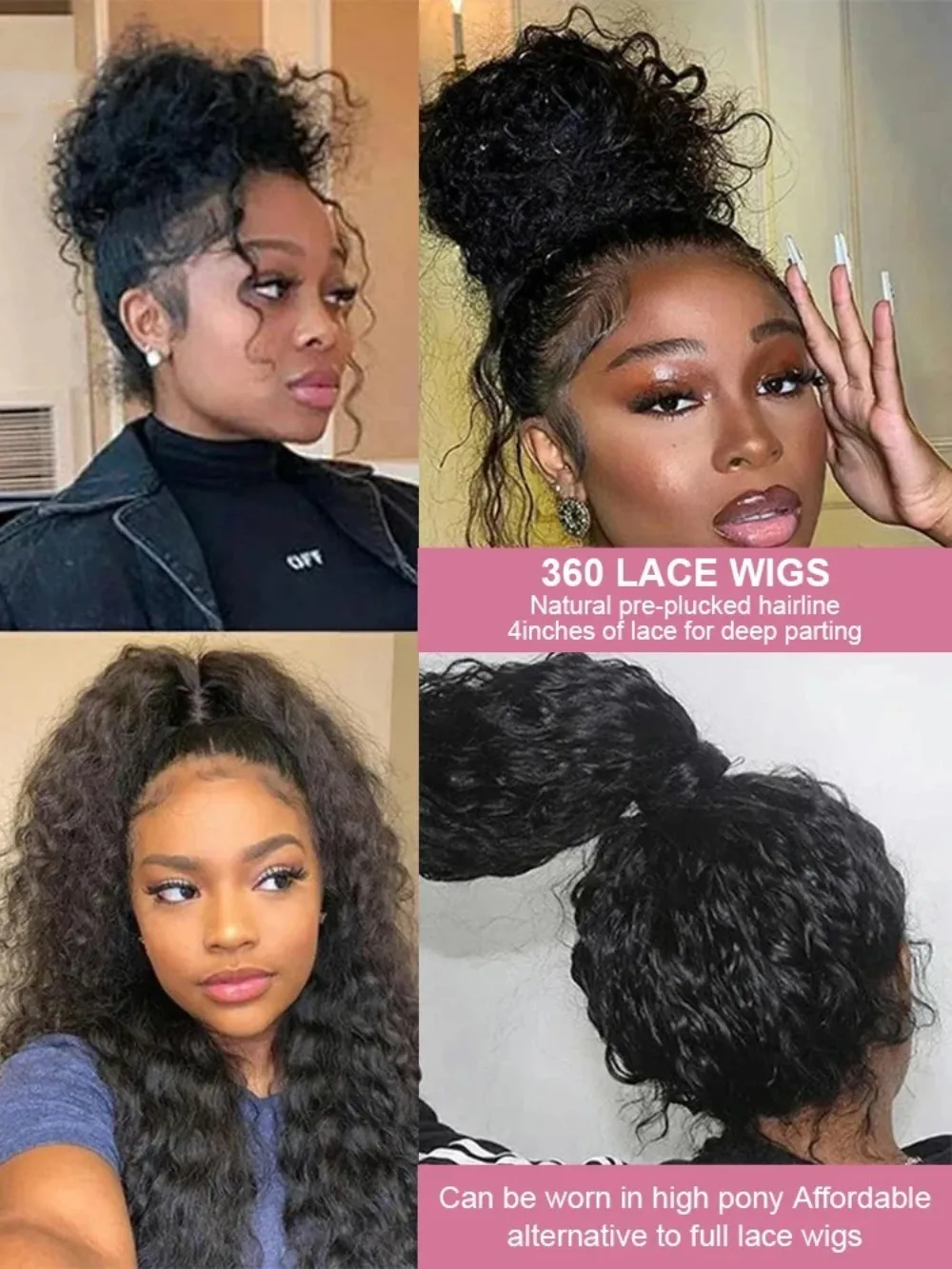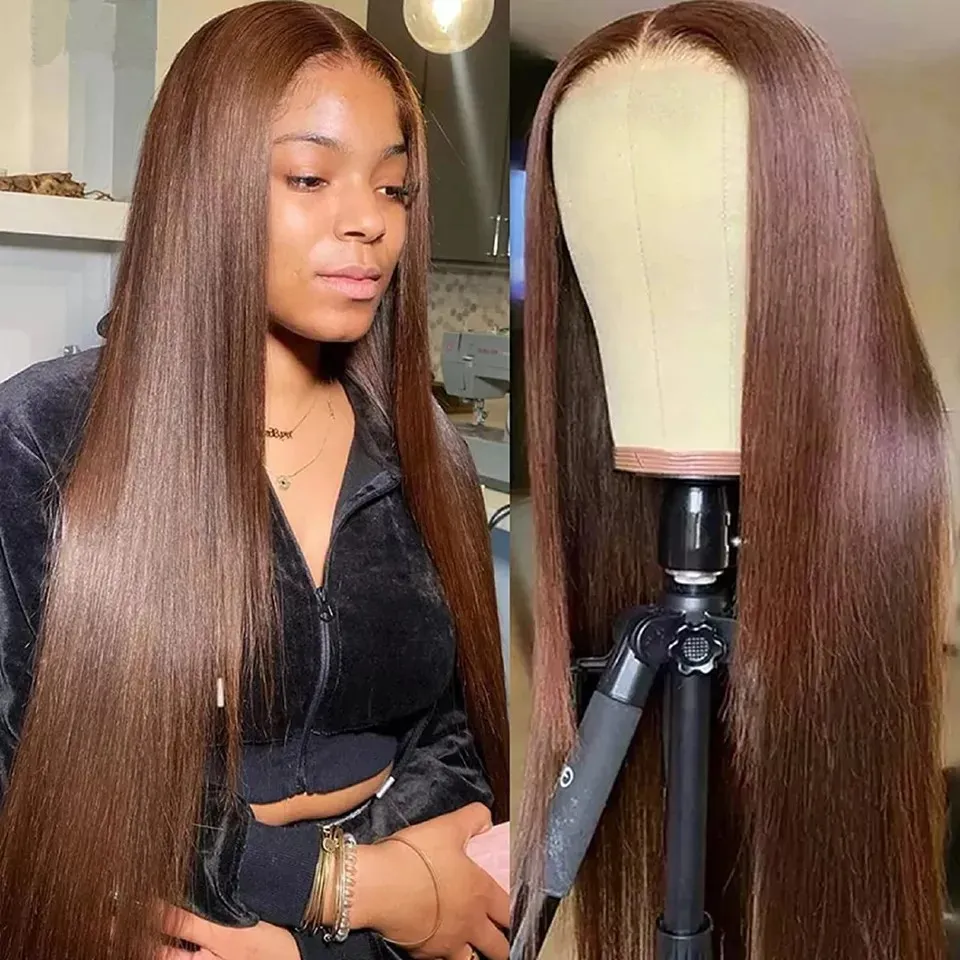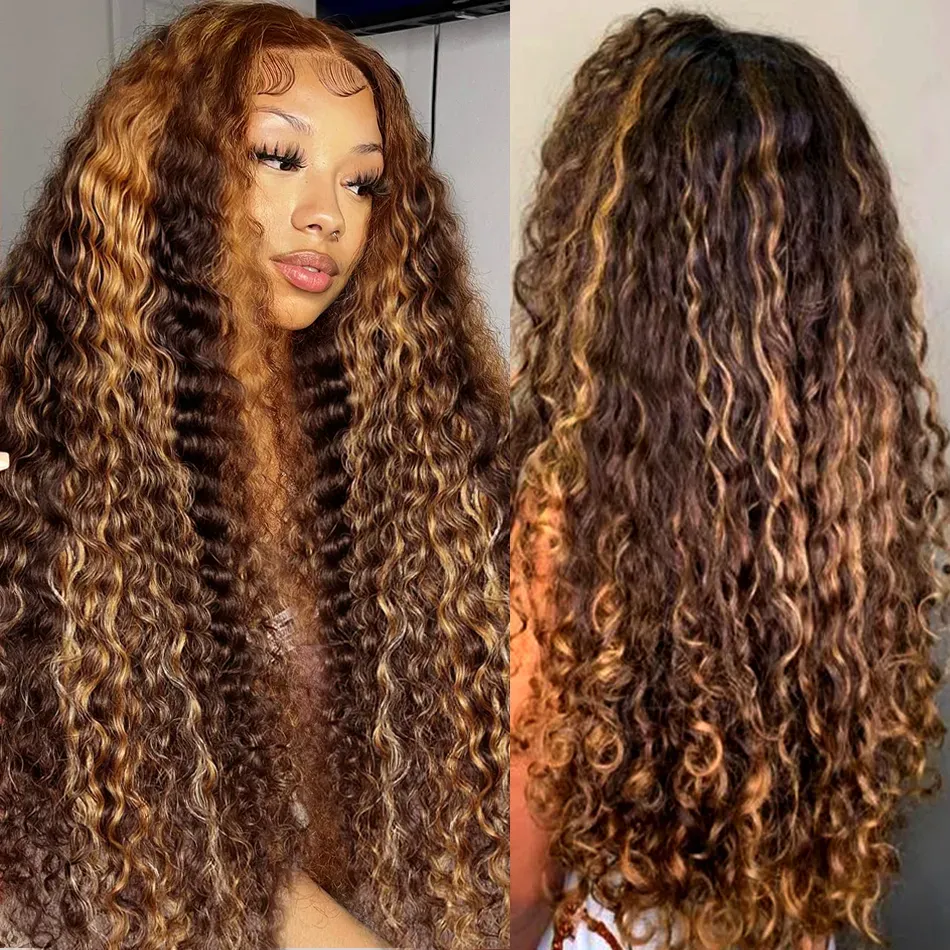







You can color many human hair wigs, but that does not mean every human hair wig can survive every color idea. The safest rule is this: depositing color is usually easier than lifting color, and professional help is worth it when lace, knots, highlights, or expensive hair are involved.

A true 100 percent human hair wig can usually be dyed darker, toned, glossed, or refreshed. A synthetic wig cannot be colored with normal permanent hair dye. Blended wigs are risky because the human hair may take color while the synthetic fibers do not.
Even with human hair, the wig may already be chemically processed. Blonde, highlighted, colored, or heavily textured wigs have often been through bleaching, dyeing, steaming, or silicone treatments before you bought them. That affects how evenly they absorb color.
The safest changes are low-risk deposits: adding a gloss, toning brassiness, going from light brown to deeper brown, adding a semi-permanent fashion tint over 613 blonde, or refreshing faded color. These changes do not demand aggressive lightening.
Going from black to blonde, bleaching knots again, doing heavy highlights, or trying to lift old box dye can ruin the hair. The wig cannot grow back. If the strands become mushy, dry, or broken, no deep conditioner can fully reverse the damage.
Coloring a lace wig is not just about the hair. Dye can stain lace, darken knots, discolor the part, or leave the hairline looking dirty. That is why stylists protect lace with careful sectioning, controlled application, and sometimes barrier products. Dunking an entire lace wig into dye may look easy online, but it can stain the base.
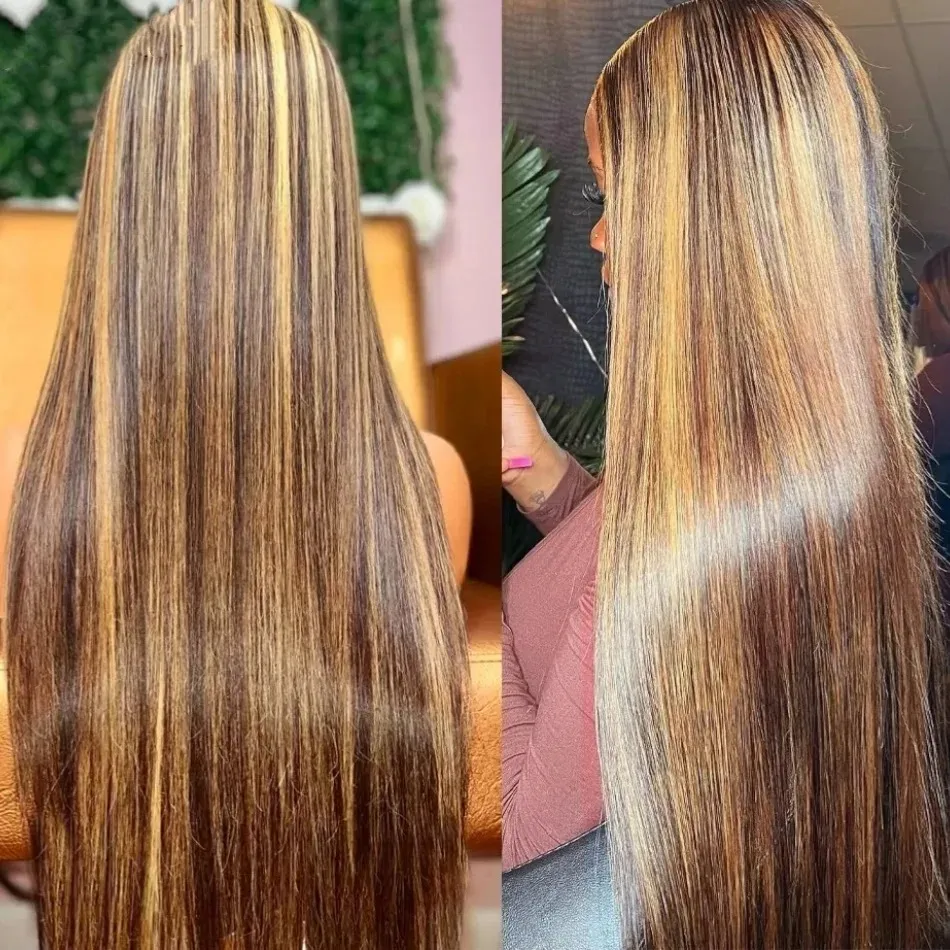
Always strand test first. Test a small section underneath, process it, rinse it, dry it, and check texture as well as color. Use professional color rather than random box dye when possible. Keep bleach away from fragile hair unless a professional is handling it. After coloring, rinse thoroughly, condition deeply, and avoid high heat for a few days.
Do not color a wig that already feels dry, gummy, shedding heavily, or coated with unknown products. Do not color a non-returnable expensive wig for the first time the night before an event. And do not assume "human hair" automatically means "can bleach to platinum."
Bottom line: yes, human hair wigs can be colored, but the smartest changes are gentle, deposit-based, and tested first. If the wig is expensive or lace-front, pay a colorist who understands wigs.