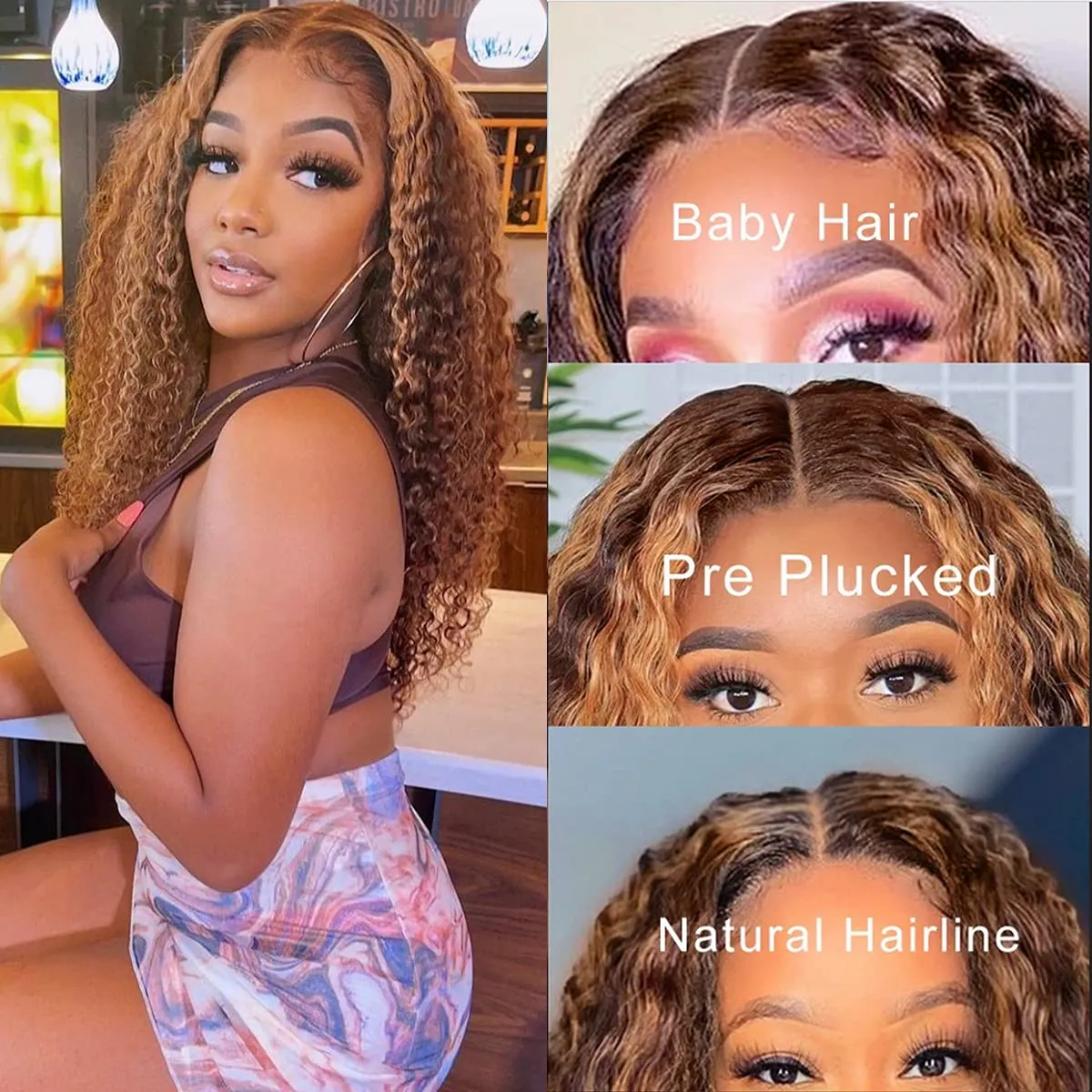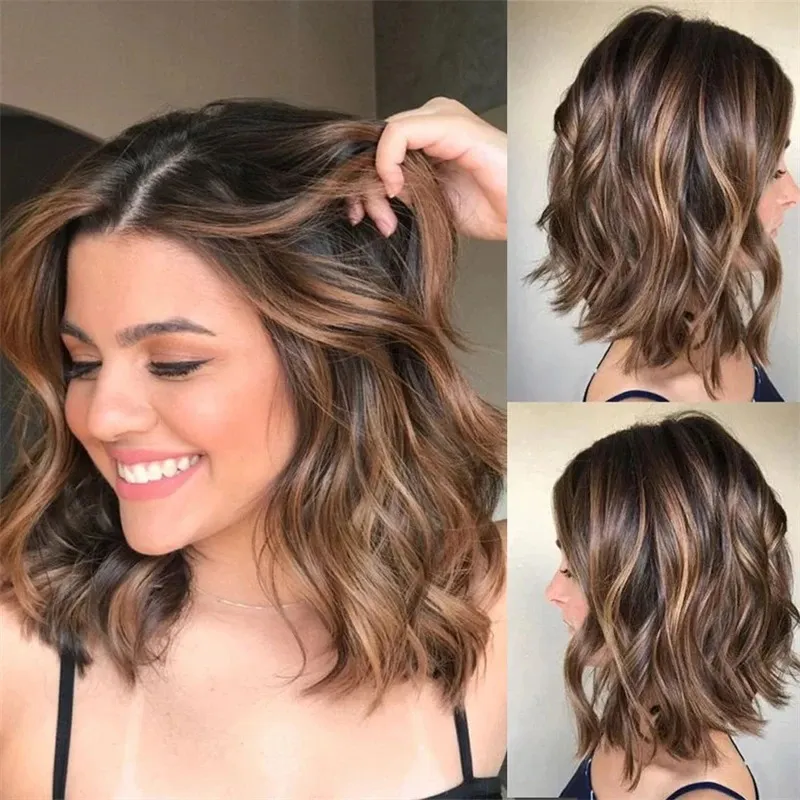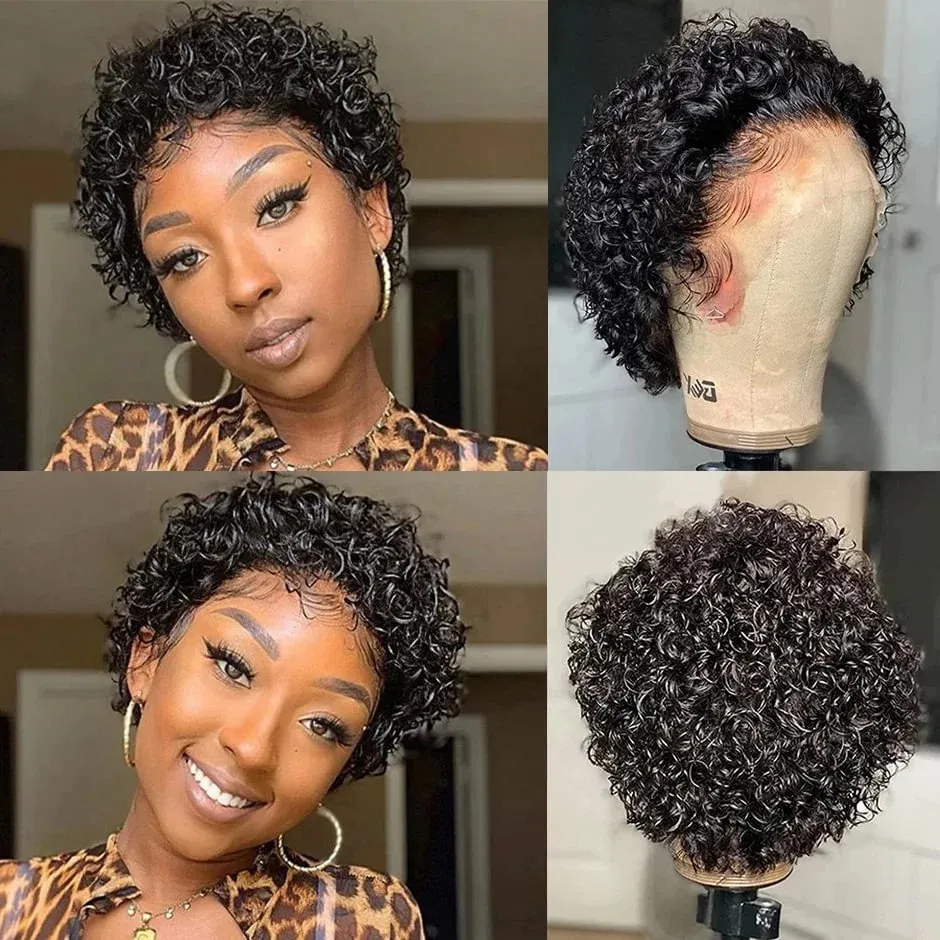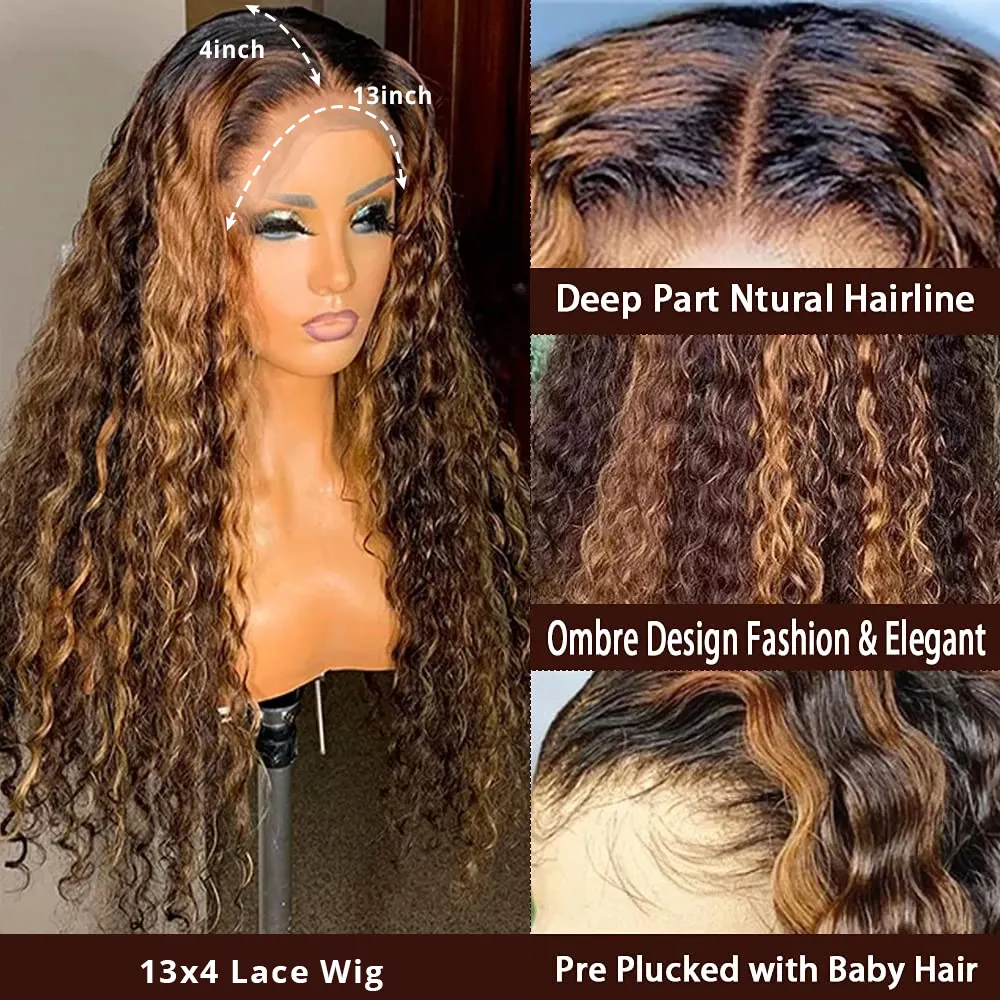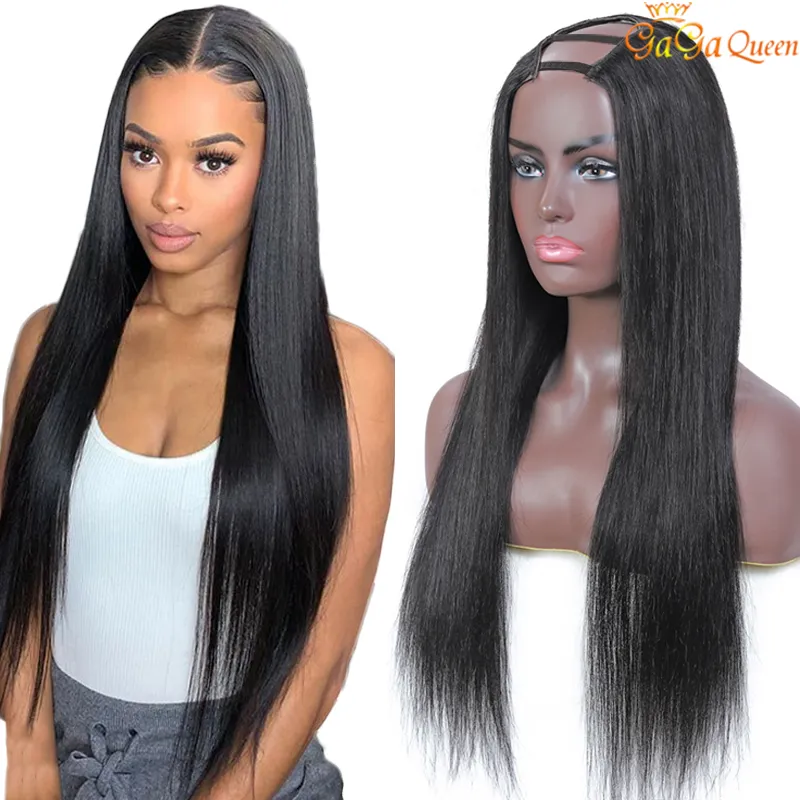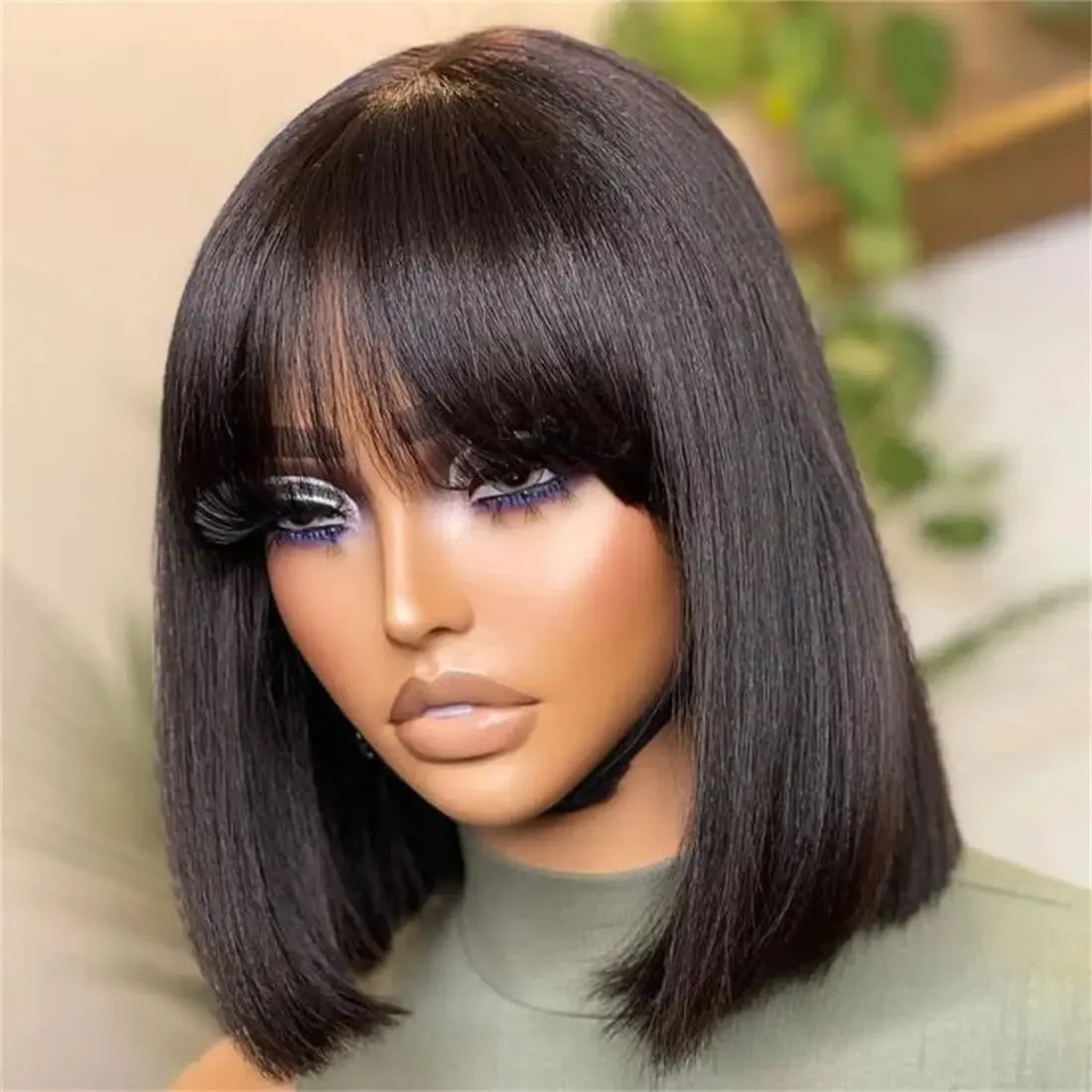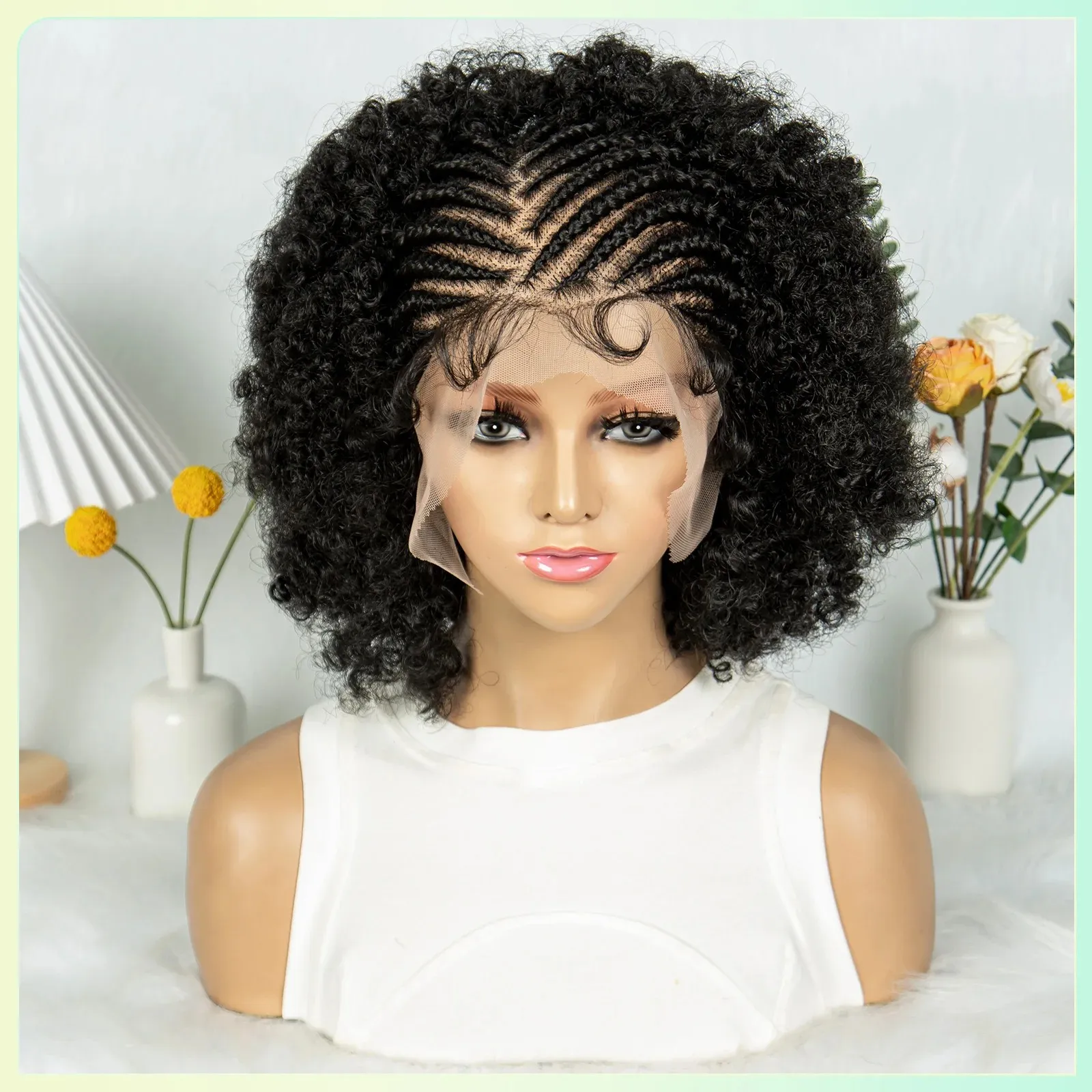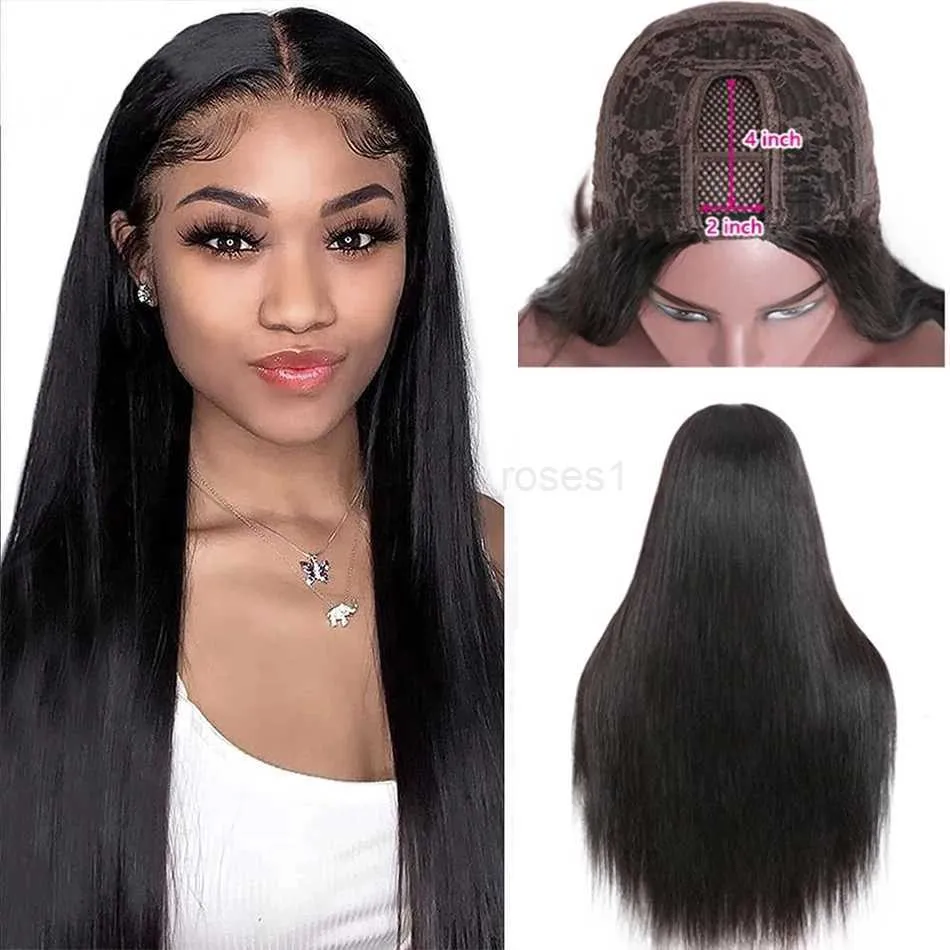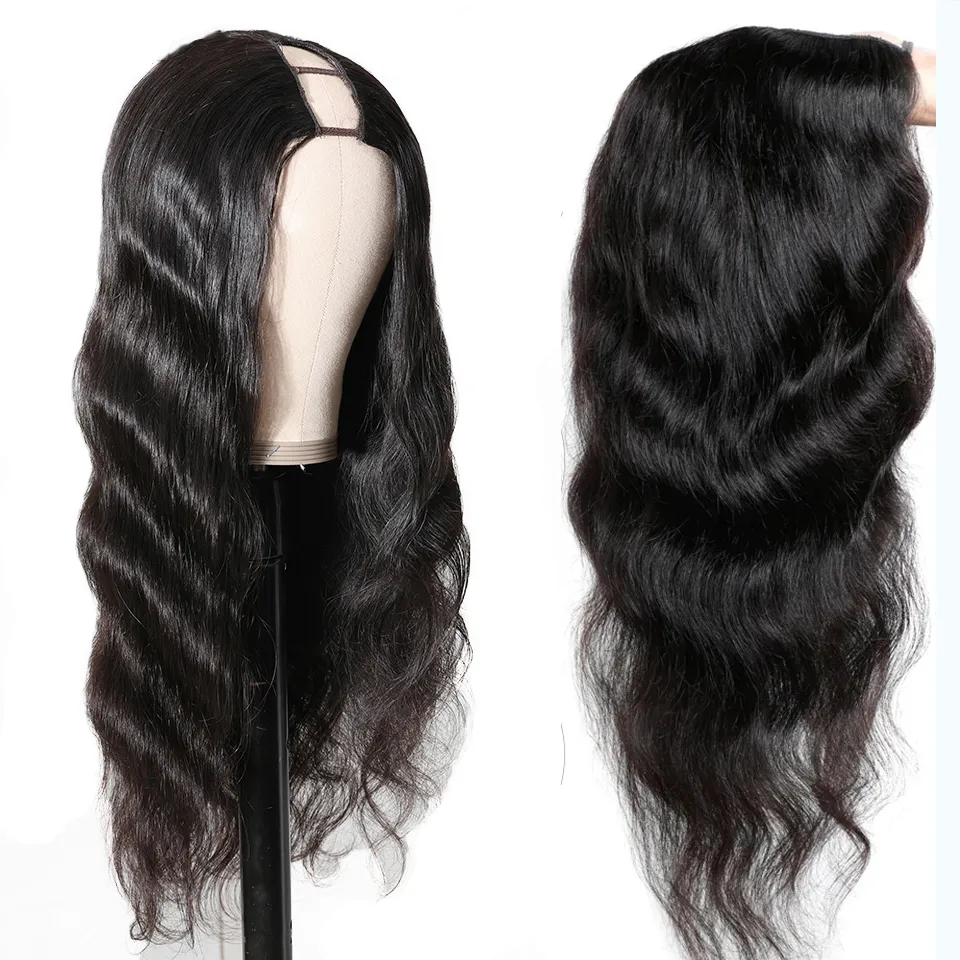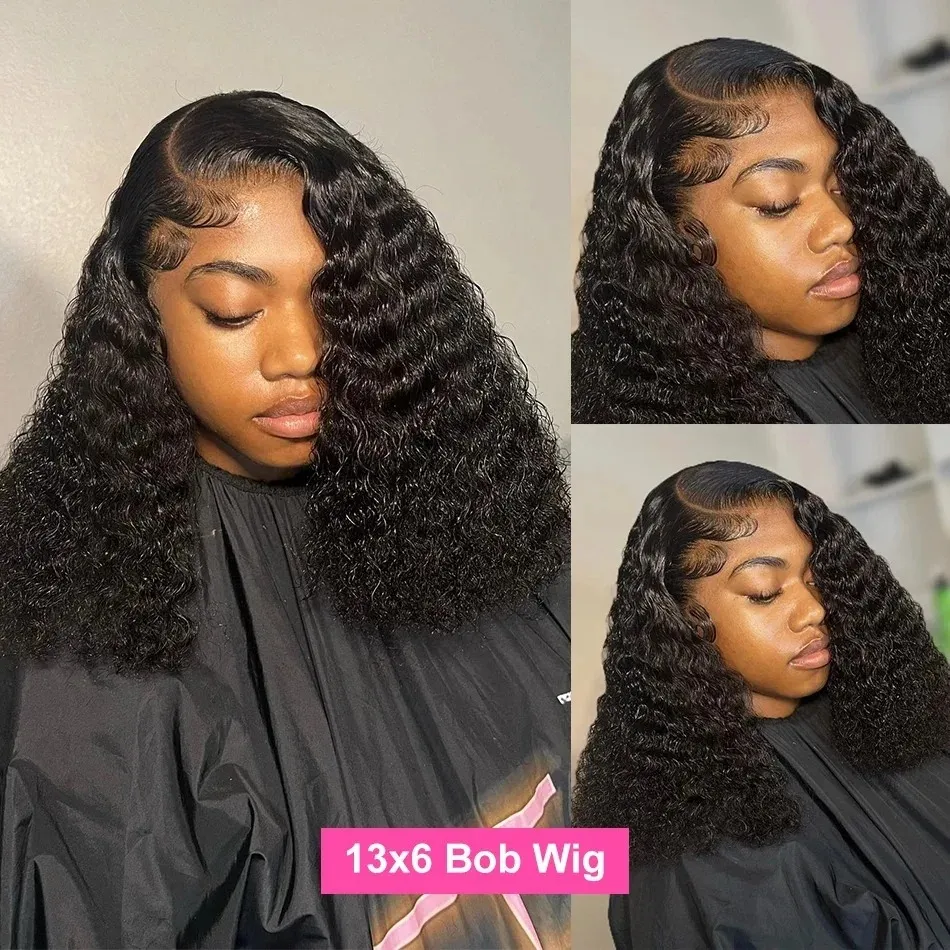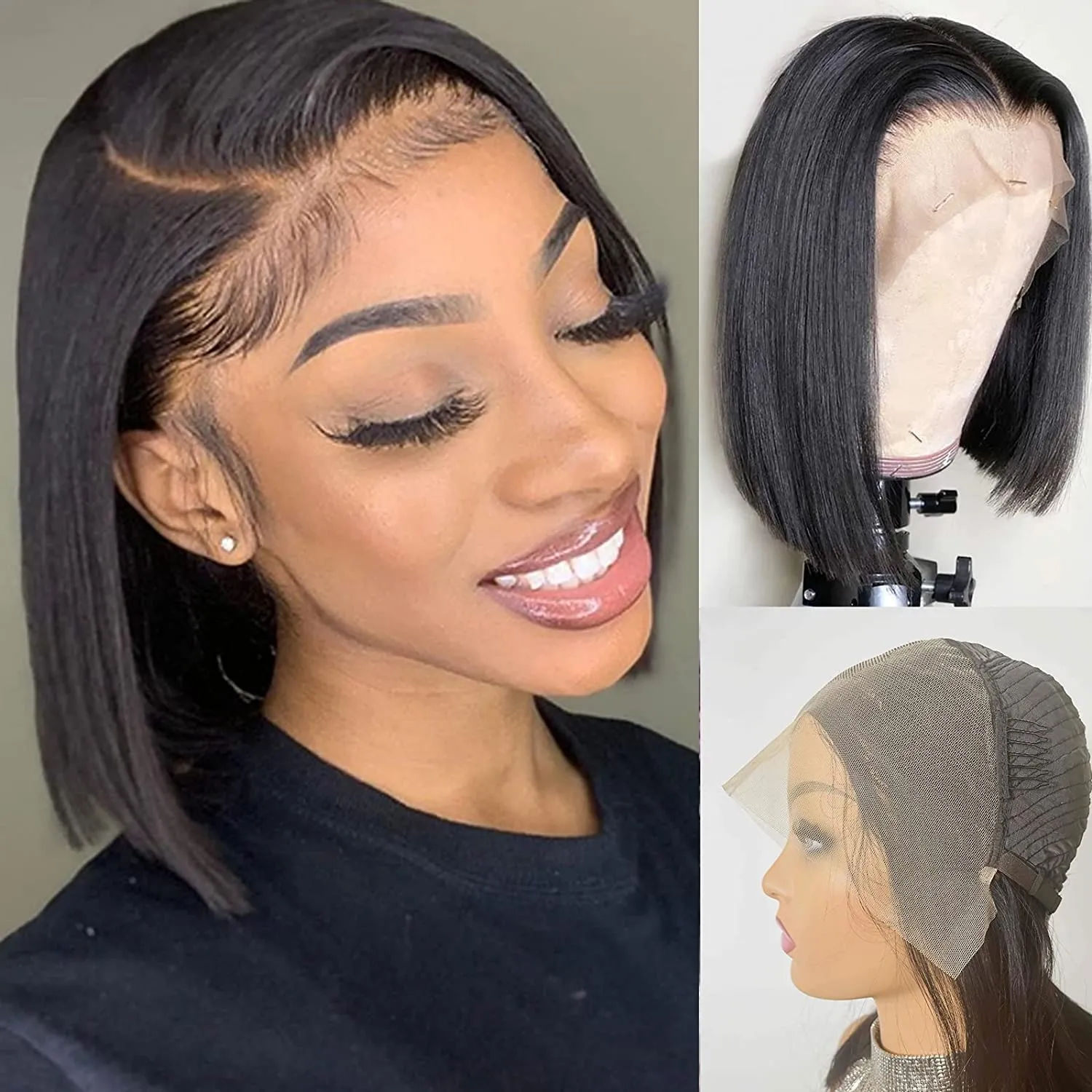






The question "why do Black women wear wigs" gets asked a lot — and the way it's asked usually reveals more about the asker than the answer. Behind the question is often an assumption: that wig-wearing must be about covering something, hiding something, or compensating for something. The reality is both simpler and more complex: Black women wear wigs for the same reasons everyone else does — protection, convenience, creativity, and choice — plus a few reasons that are specific to Black hair culture and history. Here's the real answer.
Black hair, especially Type 4 (coily/kinky) textures, is structurally different from straight hair. The tight curl pattern makes the hair more prone to breakage at the bends, and the natural oils produced by the scalp have a harder time traveling down the hair shaft. This means Black hair requires more moisture, more gentle handling, and more protection from environmental damage than straighter textures.
Wigs are one of the most effective forms of protective styling. When natural hair is braided or twisted flat underneath a wig, it's shielded from heat, manipulation, weather, and the daily wear that causes breakage. Women who wear wigs regularly often have healthier natural hair underneath than women who style their natural hair daily — because the wig takes the damage while the real hair rests and grows. This isn't concealment. It's preservation.
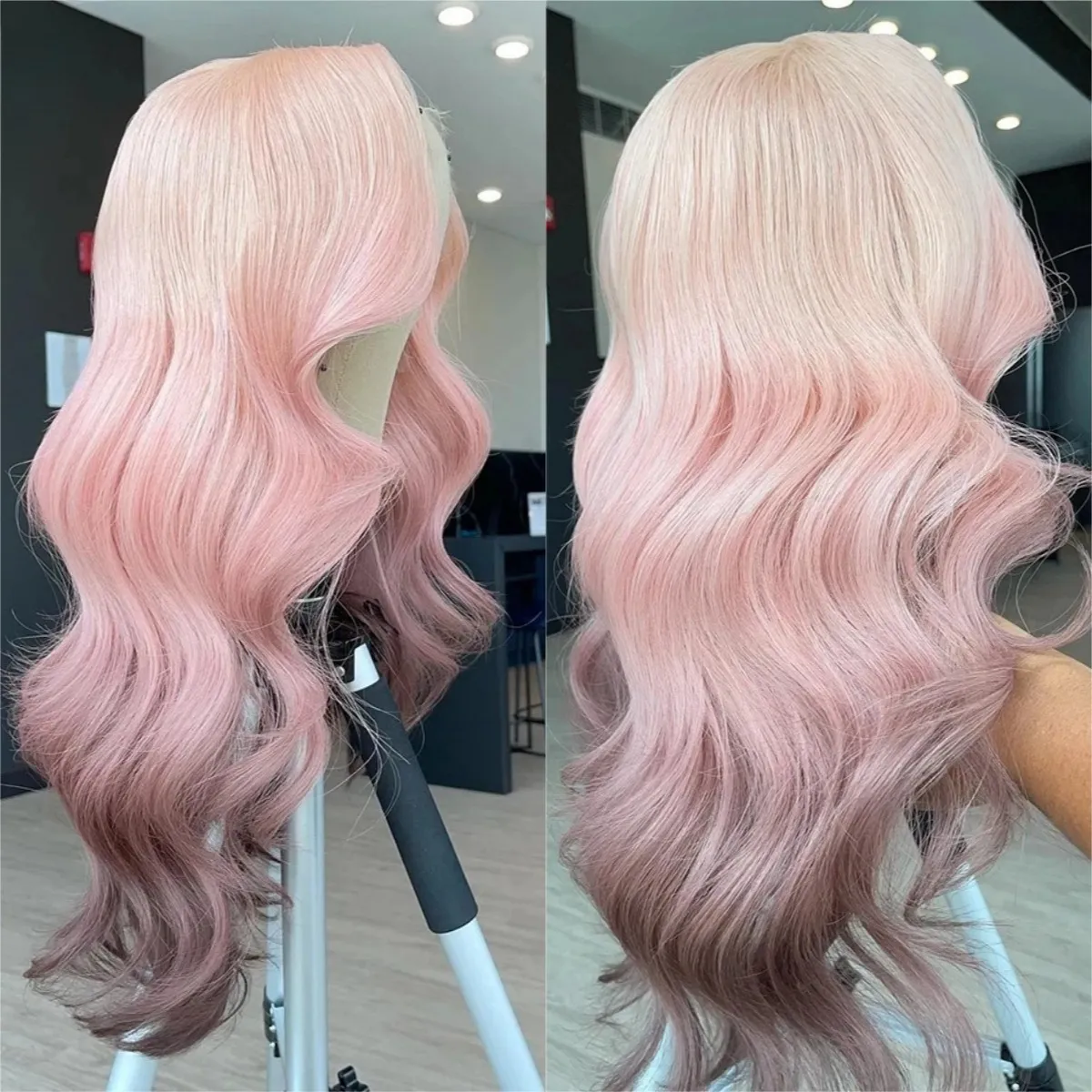
Black hair can be straightened, but the process involves heat (flat ironing) or chemicals (relaxers), both of which damage the hair over time. Relaxers, in particular, have been linked to long-term scalp damage and hair loss. A wig gives you straight hair, curly hair, blonde hair, pink hair — whatever you want — without a single chemical touching your actual scalp. You can be a blonde on Tuesday and a brunette on Wednesday, and your natural hair underneath stays exactly as it was. The wig absorbs the experimentation. The natural hair stays protected.
Wash day for natural Type 4 hair — washing, deep conditioning, detangling, twisting, drying — can take 2–4 hours. Styling daily adds more time. For a woman with a job, kids, a commute, and a life, spending 4+ hours a week on hair isn't always realistic. A wig changes the math: braid your hair down once every two weeks (1–2 hours), then spend 5 minutes putting on a wig each morning. Two hours every two weeks instead of 2–4 hours every week. The time savings alone explain why wigs are so popular among busy Black women.
Black women have been wearing head coverings, wigs, and protective styles for centuries. Headwraps during slavery. Pressed and styled hair during the Great Migration. Wigs and weaves during the 1960s–1980s. Natural hair movements in the 1990s and 2010s. Wigs and protective styles as mainstream fashion in the 2020s. Each era's styling choices reflect the available technology, the political climate, and individual preference. Wigs aren't a recent trend. They're the current expression of a tradition of hair creativity and adaptation that goes back generations.
When white women wear extensions, toppers, or wigs — which they do, constantly, especially in Hollywood and on television — it's called "styling." When Black women do the same thing, it's called "fake" or "hiding." The double standard is exhausting and inaccurate. Everyone — every race, every gender, every age — uses tools to modify their appearance. The only difference is which tools get stigmatized and which get normalized. Black women have borne the brunt of wig stigma for decades, and the rise of wig-positive online communities in recent years is a direct response to that unfair burden.
Black women wear wigs to protect their natural hair, to save time, to experiment with style without damage, and because wigs are genuinely enjoyable as a form of self-expression. The same reasons anyone wears wigs. The only difference is that Black women have had to justify these choices more often, to more people, for longer — and that justification is something they increasingly refuse to provide.
You don't need to understand why someone wears a wig. You just need to respect that it's their choice. The "why" is their business. The wig is just hair.
We celebrate every woman's hair choices — whatever her texture, whatever her reason. Wigs aren't about hiding. They're about options. We're here to give you as many as possible.