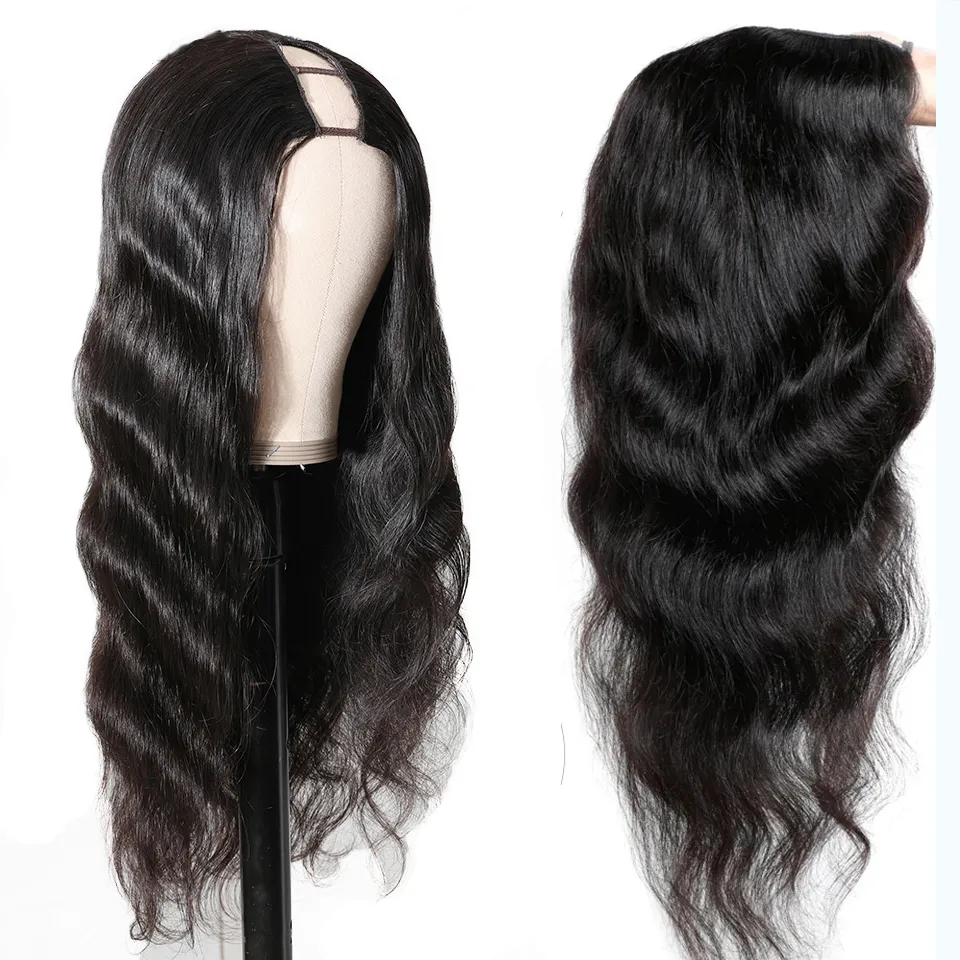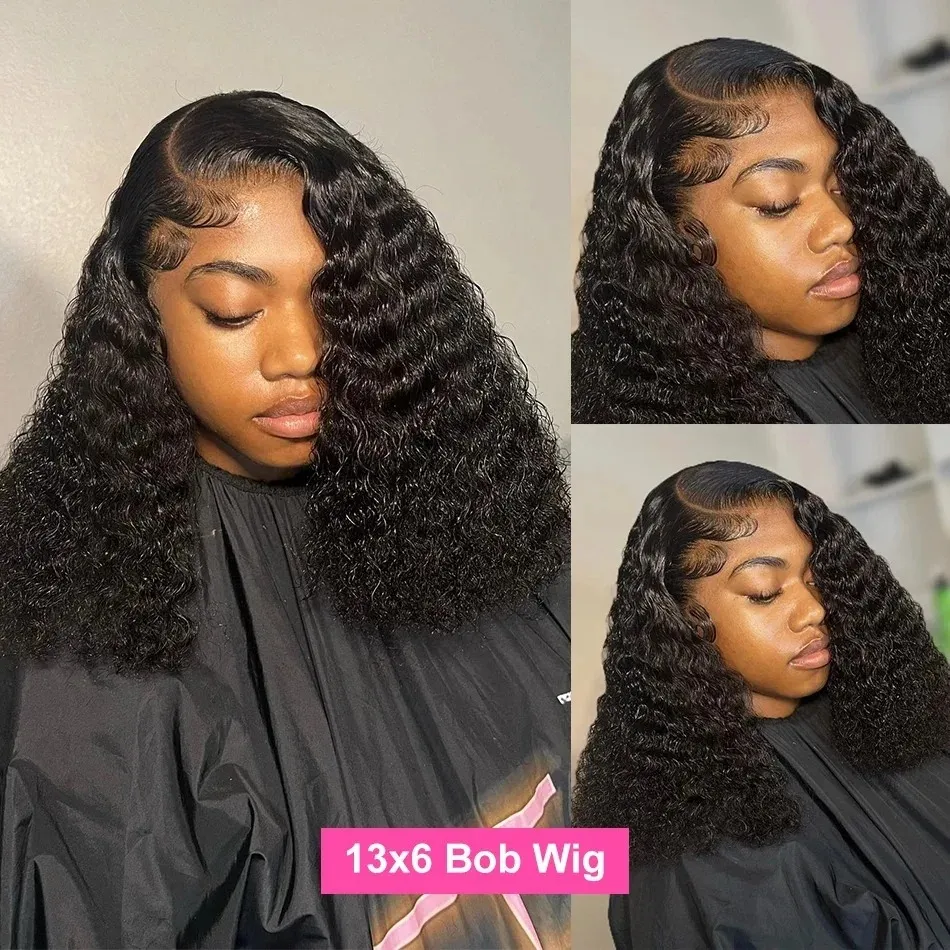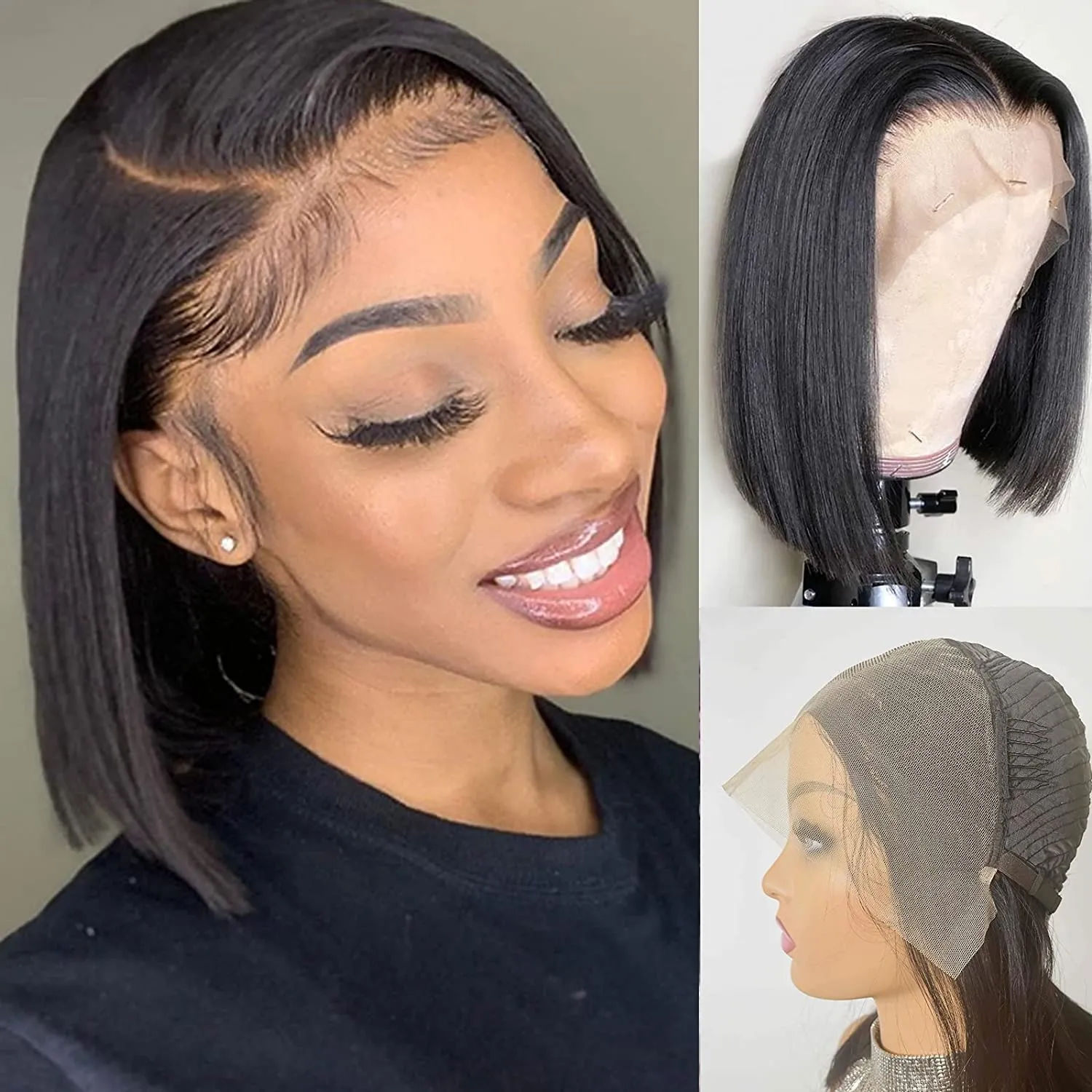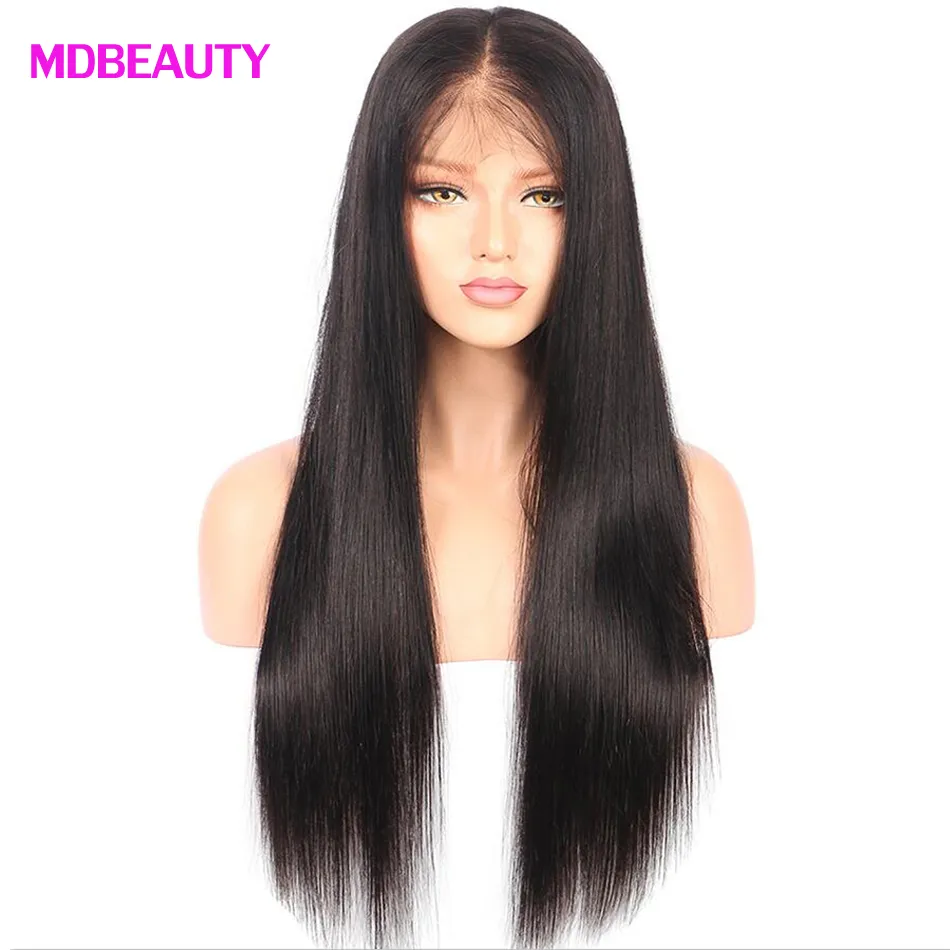






My first wig was a $34.99 synthetic bob from a beauty supply store in Inglewood. I put it on in the parking lot, looked in the rearview mirror, and immediately knew: everybody was going to know. It wasn't the color. It wasn't the style. It was a hundred tiny things I didn't even have the vocabulary to name yet. That was eight years and probably forty wigs ago. Here's what I know now that I wish I knew then.
If you only fix one thing, fix this.
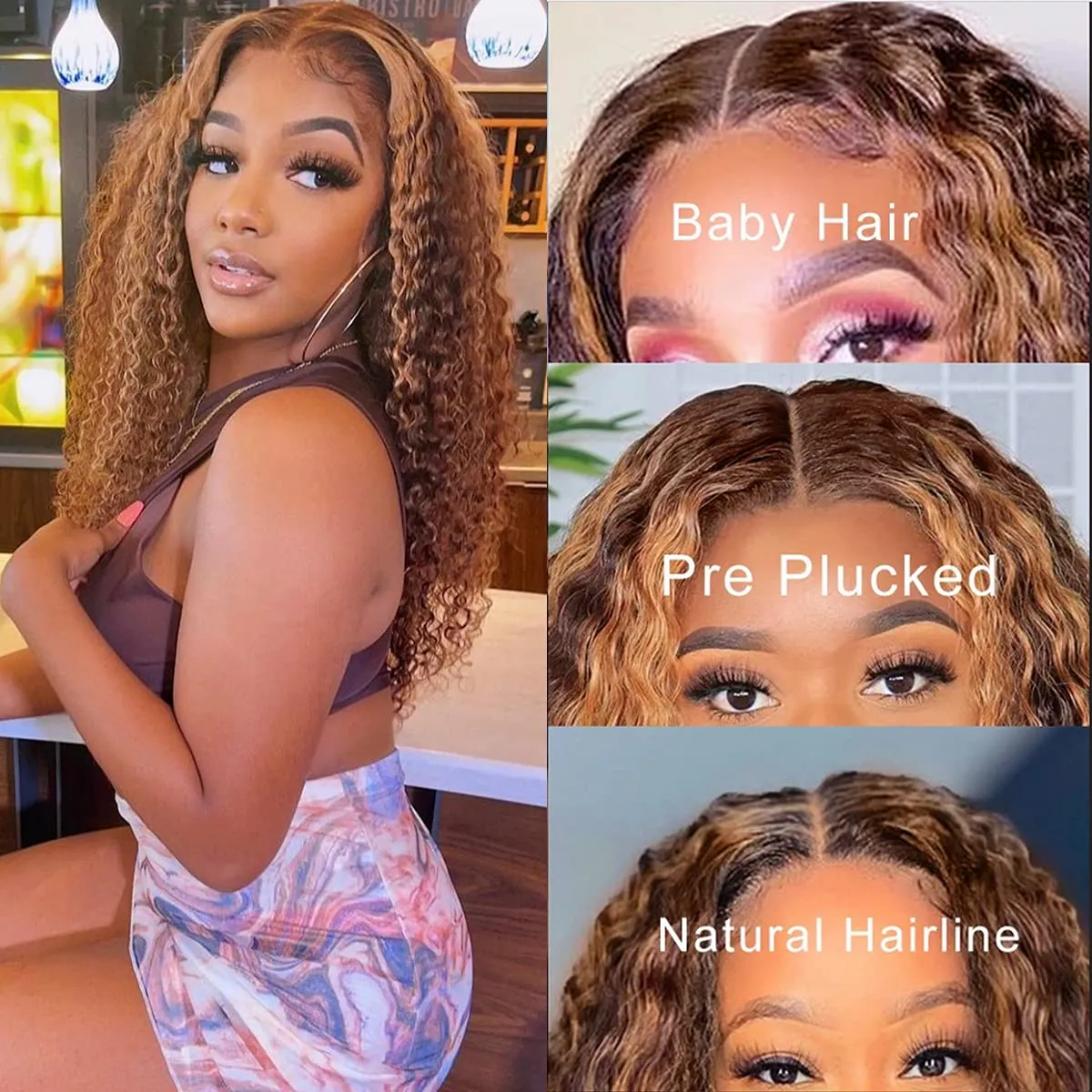
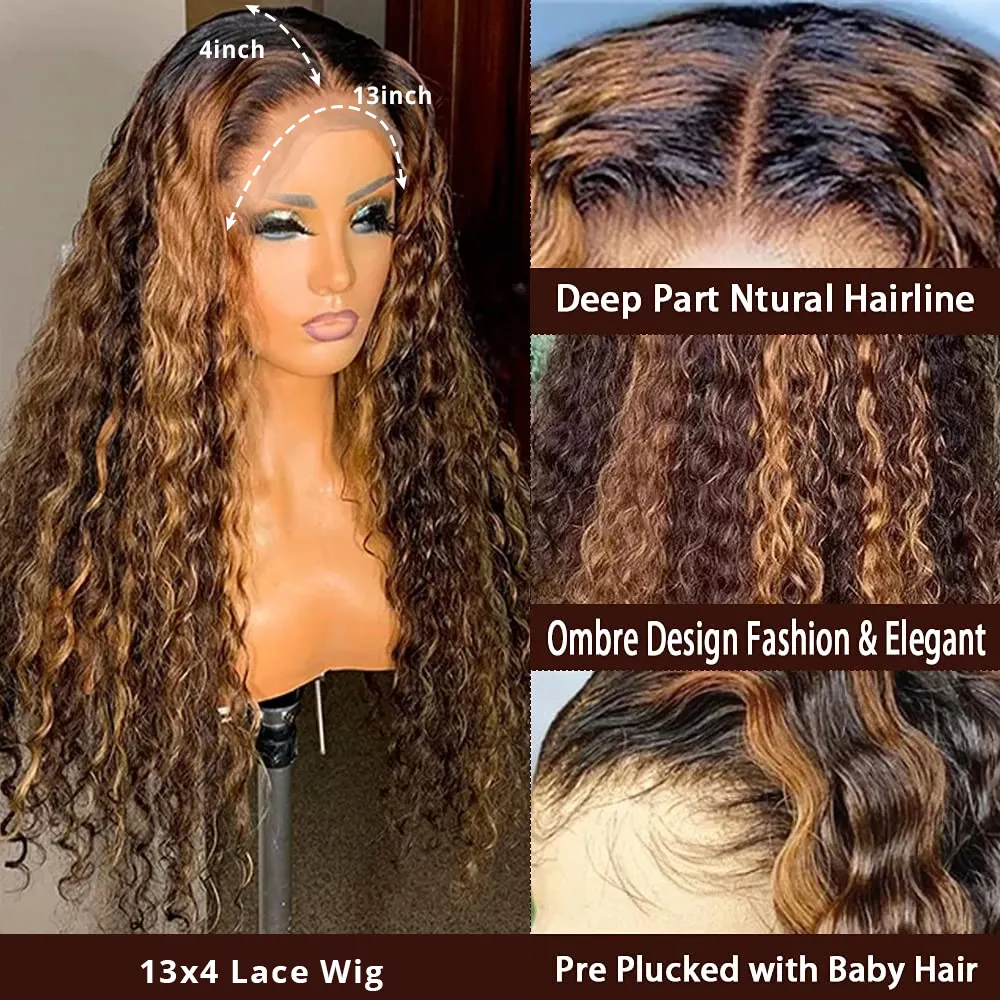
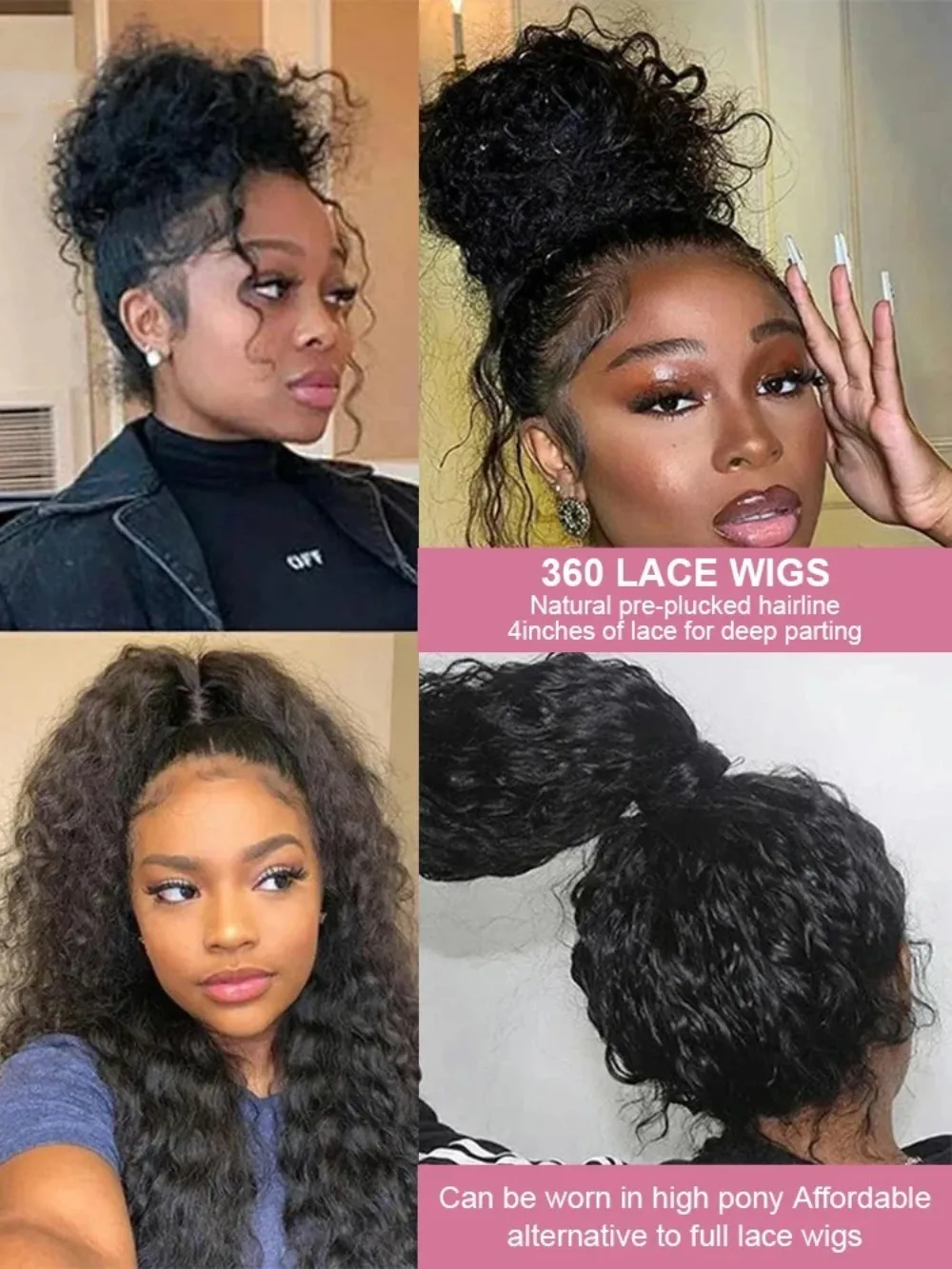
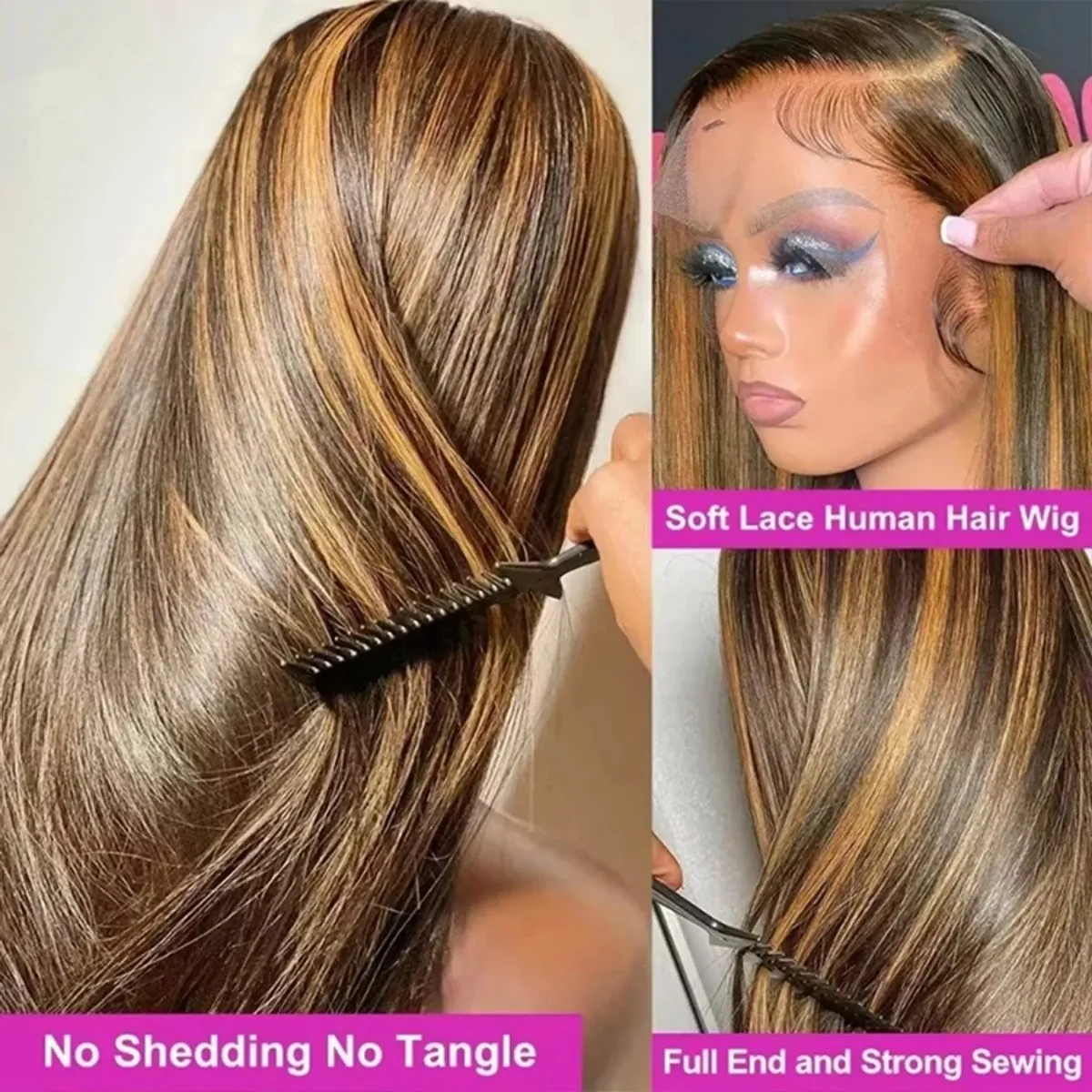
A wig's hairline is where the human eye goes first. It's the single biggest tell. A factory hairline is too dense, too straight, too perfect. Real hairlines have irregularity — a little thinner at the temples, a few shorter hairs at the edge, a subtle unevenness that your brain reads as "natural."
What to do: Pluck the hairline with tweezers. Focus on the first quarter-inch. Thin it out. Create slight irregularity in density. Then, if the wig is human hair, bleach the knots so they disappear against the lace. If you do nothing else — pluck the hairline. A $60 wig with a plucked hairline will look more natural than a $300 wig with a factory hairline.
Factory parts look like someone drew a line with a ruler.
Real parts have slight zigzag, some skin tone showing through, maybe a few shorter hairs near the root. A factory part is a dead-straight white line — and your eye knows something is off even if your brain can't name it. The fix: use the end of a rat-tail comb to create a slightly irregular, zigzag part. Then apply a small amount of powder or foundation that matches your scalp tone along the part line. The goal is to make the "scalp" visible through the part look like actual scalp, not white lace.
I have seen more wigs ruined by bad baby hairs than by any other single mistake.
Good baby hairs — soft, wispy, irregular swoops along the hairline — make a wig look like it's growing out of your scalp. Bad baby hairs — thick, gel-crusted, perfectly symmetrical curls that look drawn on — make a wig look like a costume. If you're not confident in your baby hair skills, skip them entirely. A clean hairline without baby hairs looks better than a hairline with bad ones. When in doubt, less is more: pull down a very thin section of hair (quarter-inch deep), use the minimum amount of edge control, and set with a scarf for 10 minutes.
Natural hair doesn't reflect light like plastic. Synthetic fiber does.
The synthetic wig shine is what makes a wig visible from across the room. The fix depends on your fiber type. For synthetic wigs: a light dusting of dry shampoo (formulated for wigs) or a very small amount of cornstarch applied with a makeup brush to the hair — not the cap — will mattify the shine. Work it through with your fingers. For human hair wigs: a light dry shampoo at the roots. For both: avoid silicone-heavy shine sprays unless you specifically want a glossy look. Matte hair reads as natural hair.
If I can see the grid of the cap through the hair, so can everyone else.
This happens when a wig's density is too low or the hair isn't directed properly. If you can see the cap tracks through the parting space or at the crown, you need more coverage. Solutions: use a wig cap underneath that matches your scalp color (the cap underneath fills in the gaps), apply a small amount of tinted mousse to the parting area (it coats the visible cap and mimics scalp), or — if the density is genuinely too low — consider that this wig may not be the one for realistic wear. Some wigs are made to be worn with hats or headbands for a reason.
Hair that doesn't move is one of the biggest tells — and one of the easiest to fix.
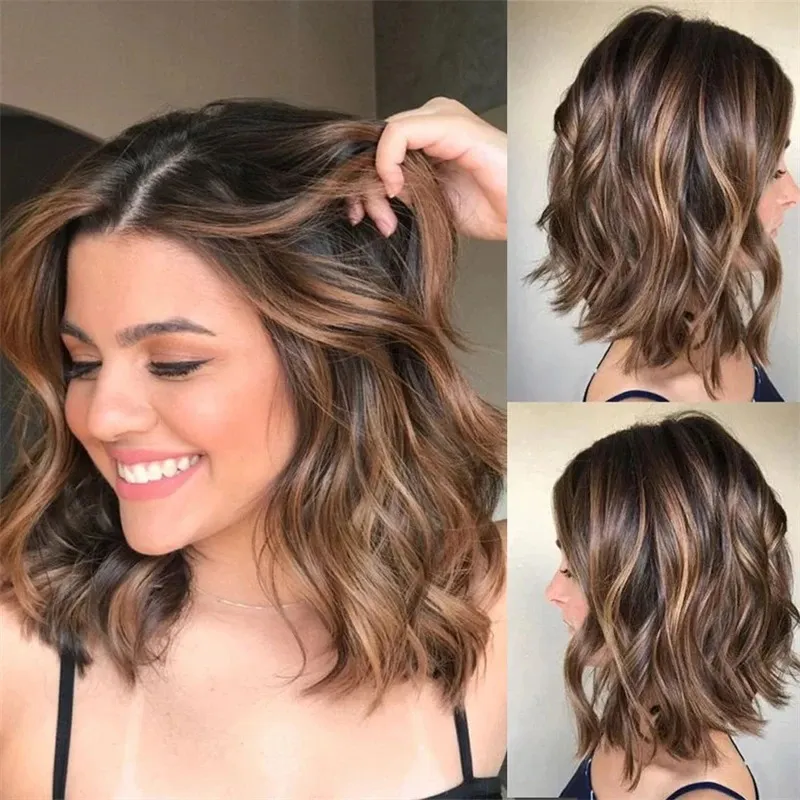
A wig straight from the package often has hair that's too stiff, too uniform, too "behaved." Real hair has movement. It separates into strands. It catches the light unevenly. After you put the wig on, run your fingers through it. Flip it upside down and shake it out. Break up any sections that look too perfect. A wig that looks slightly "lived in" will always look more realistic than one that's been brushed into perfection. The goal is hair that looks like it's been on a head, moving through air, not sitting in a box.
The most undetectable wig in the world still looks like a wig if you're constantly touching it, adjusting it, and checking reflective surfaces.
I know this sounds like a pep talk instead of a practical tip, but it's the most practical thing on this list. When I first started wearing wigs, I was so self-conscious that I probably drew more attention to my hair than the wig itself did. I'd touch my hairline every five minutes. I'd check my reflection in store windows. I'd over-explain to anyone who complimented my hair. All of that signals "something is different about this hair" more than any visible wig feature ever could.
The fix isn't a product. It's exposure. Wear the wig around the house. Wear it to the grocery store. Wear it around people who already know you wear wigs. By the tenth time you leave the house in it, the self-consciousness will have faded by about 80%. By the fiftieth time, you'll forget you have it on. And that — the moment you stop thinking about your wig — is when it looks most real.
✨ The 4-minute realness check: Before you leave the house — pluck check (hairline irregular?), part check (zigzag? color matched?), shine check (too glossy?), movement check (shake it out?). Four checks. Four minutes. Worth it every time.
A realistic wig starts with a good base — quality lace, natural density, the right cap construction. We handle the foundation. The tips above handle the rest.