






Under Jewish religious law (halacha), a married woman is obligated to cover her hair in the presence of men who are not her husband or immediate family members. The requirement derives from the Torah — specifically the story of the sotah, the woman accused of infidelity, whose hair is uncovered as part of a ritual that includes humiliation. From this, the rabbis derived that hair covering is the standard for a married woman; uncovering is the deviation. The practice became codified around the 15th century and has been observed consistently in Orthodox communities since.
What many outsiders don't understand is that the obligation is specifically about covering the hair — not about the method. The halachic requirement is satisfied by a wig, a scarf (tichel), a hat, a snood, a beret, or any combination thereof. The choice among these options is where community custom, family tradition, and personal preference come into play, and the variations are significant.
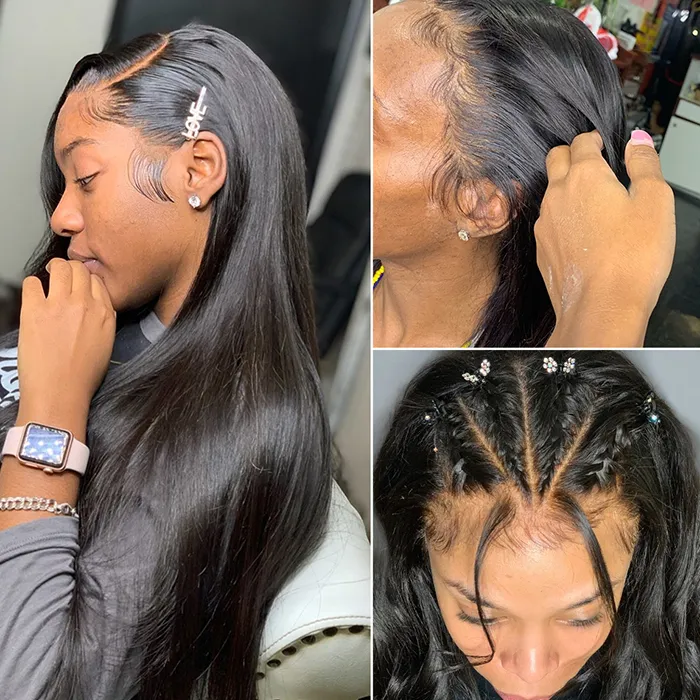
In Hasidic communities, the most common covering is a headscarf (tichel) or a hat worn over a sheitel or fall (partial wig). Some Hasidic groups, particularly certain sects within Satmar and related communities, practice head-shaving before the wedding, with the hair never growing back. The shaved head is then covered with a tichel or sheitel at all times. This practice is rooted in the concern that even a single hair might escape the covering — a strict interpretation that not all Orthodox communities share.
In Modern Orthodox communities, the practice tends toward what's called "covering according to the spirit of the law." Many Modern Orthodox women do cover their hair — with sheitels, hats, or scarves — but the sheitels are often styled to look as natural as possible, sometimes indistinguishable from biological hair. Some Modern Orthodox women cover only in synagogue or at religious events, leaving their hair uncovered in daily life. Others cover consistently but choose styles that read more as fashion than as religious observance.
In the Lubavitch (Chabad) community, the Rebbe Menachem Mendel Schneerson strongly encouraged women to wear sheitels specifically rather than scarves, arguing that a wig provides complete coverage while allowing a woman to maintain her dignity and attractive appearance. This shaped the practice of Chabad women worldwide, and the Chabad community is one of the largest consumers of high-quality sheitels.
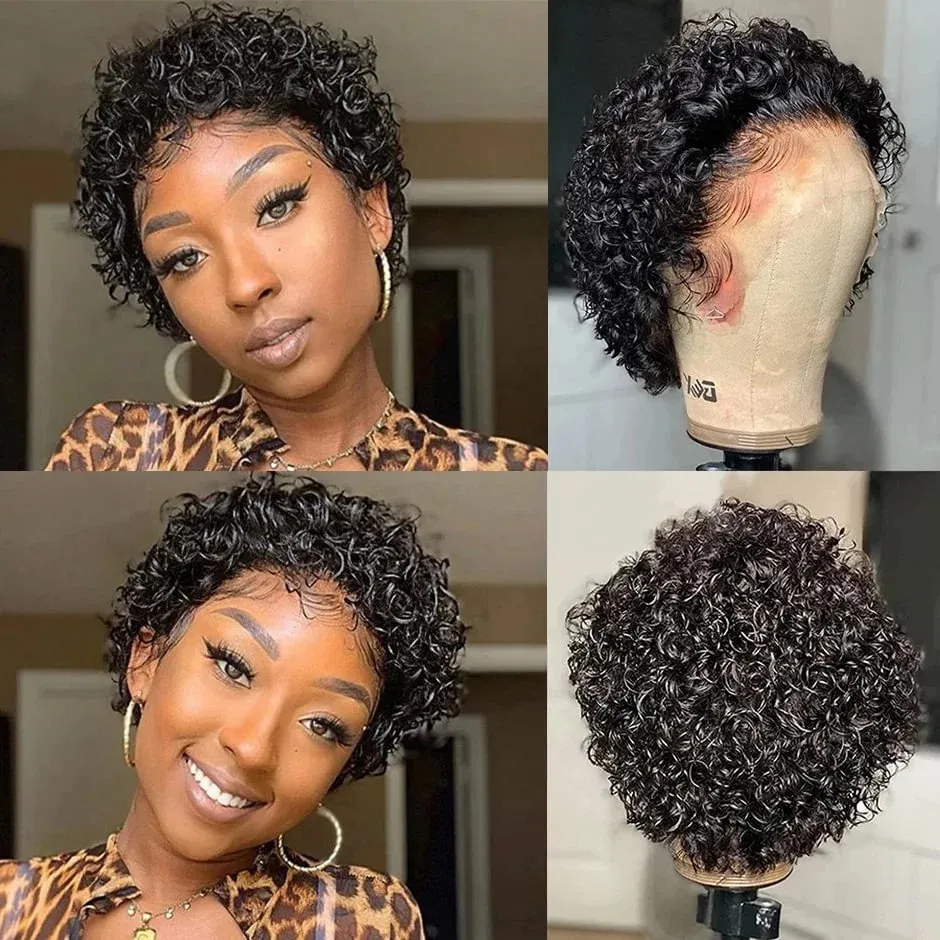
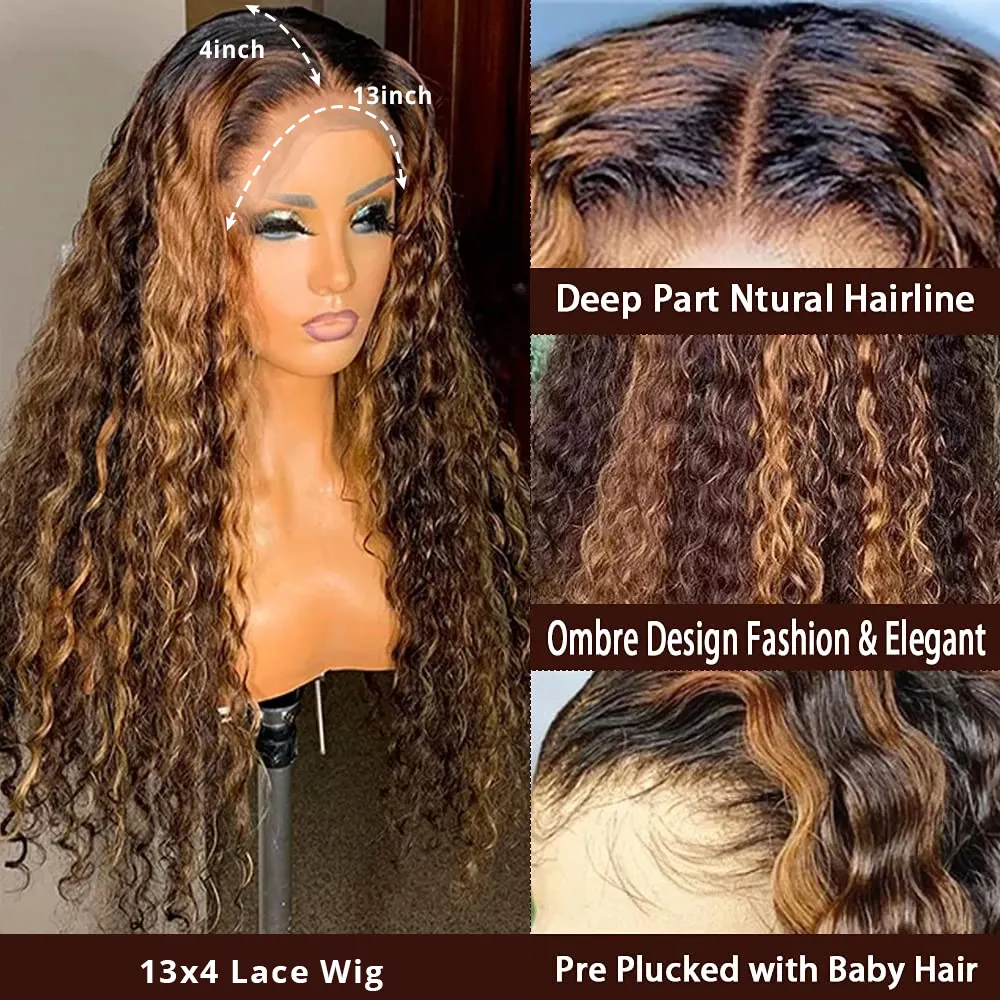
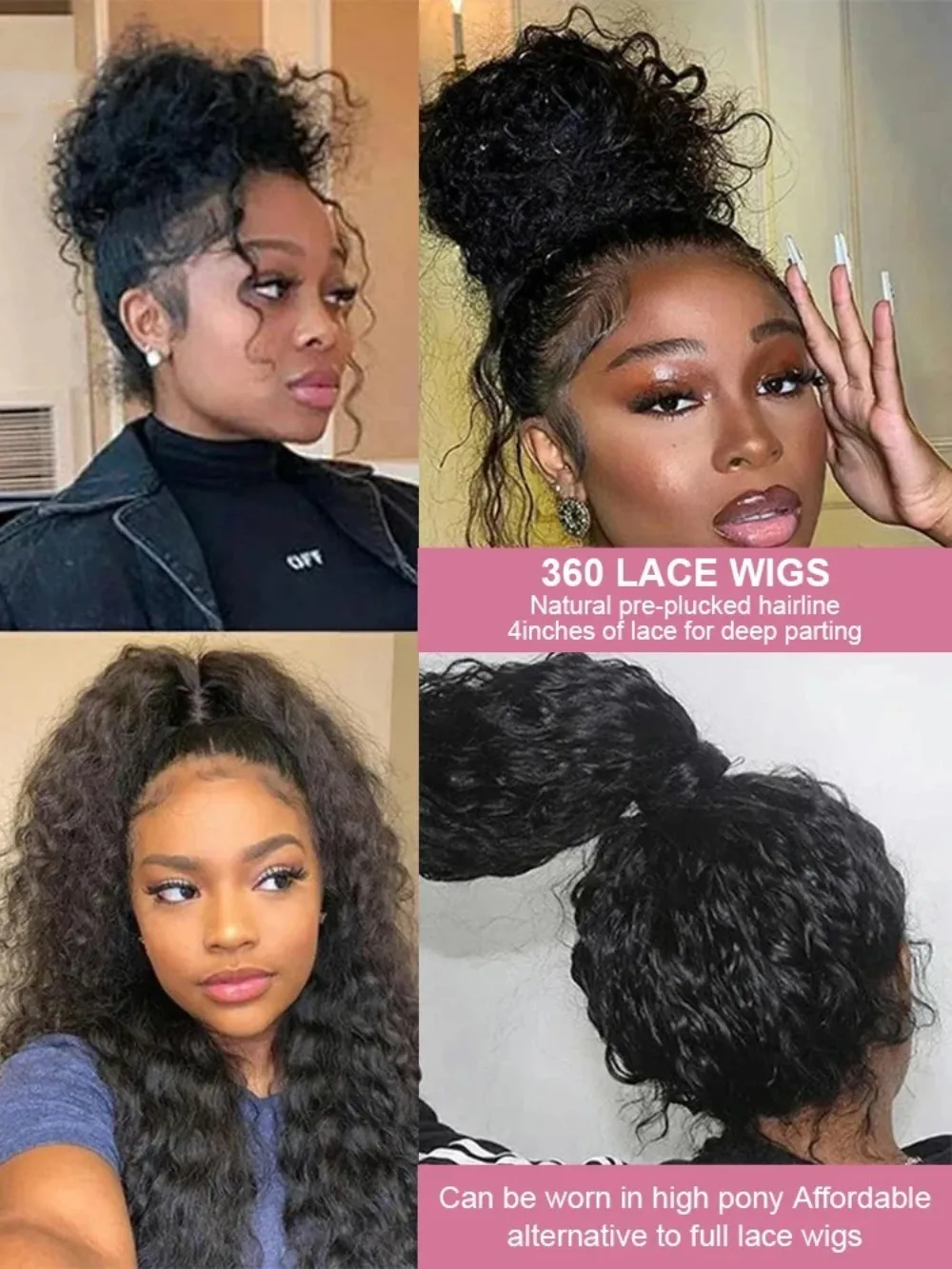
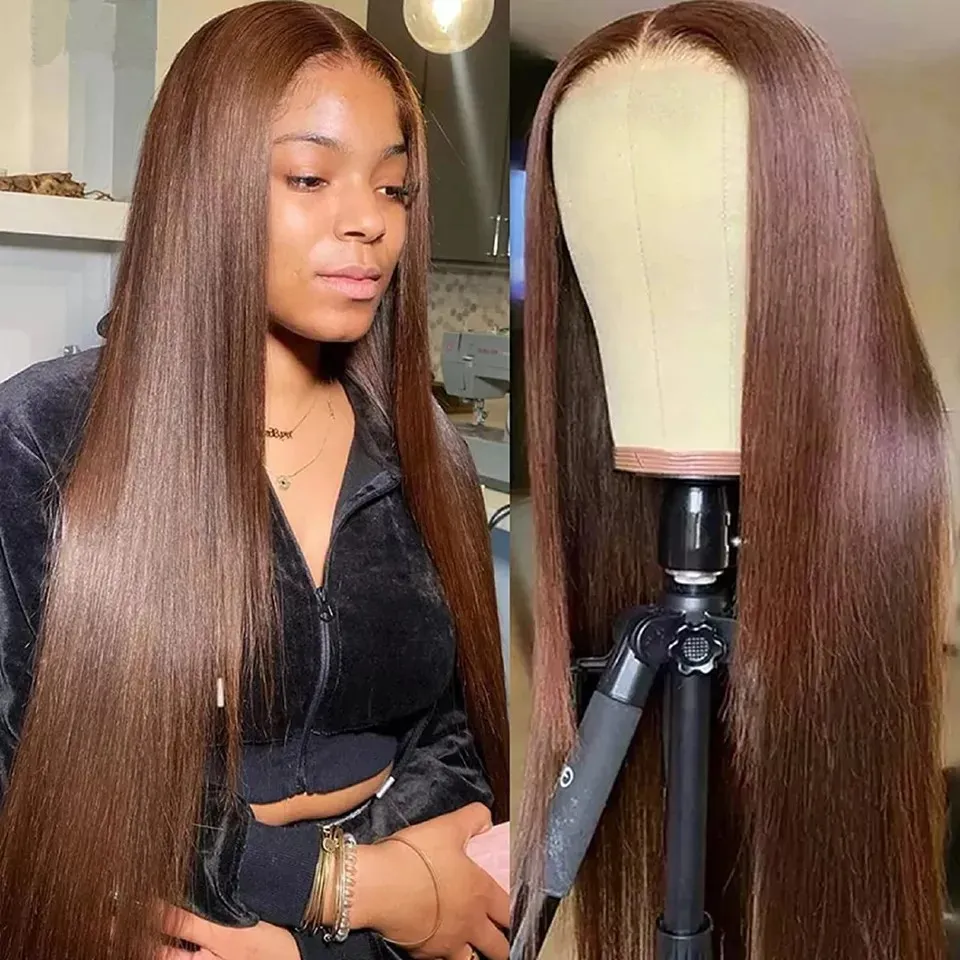
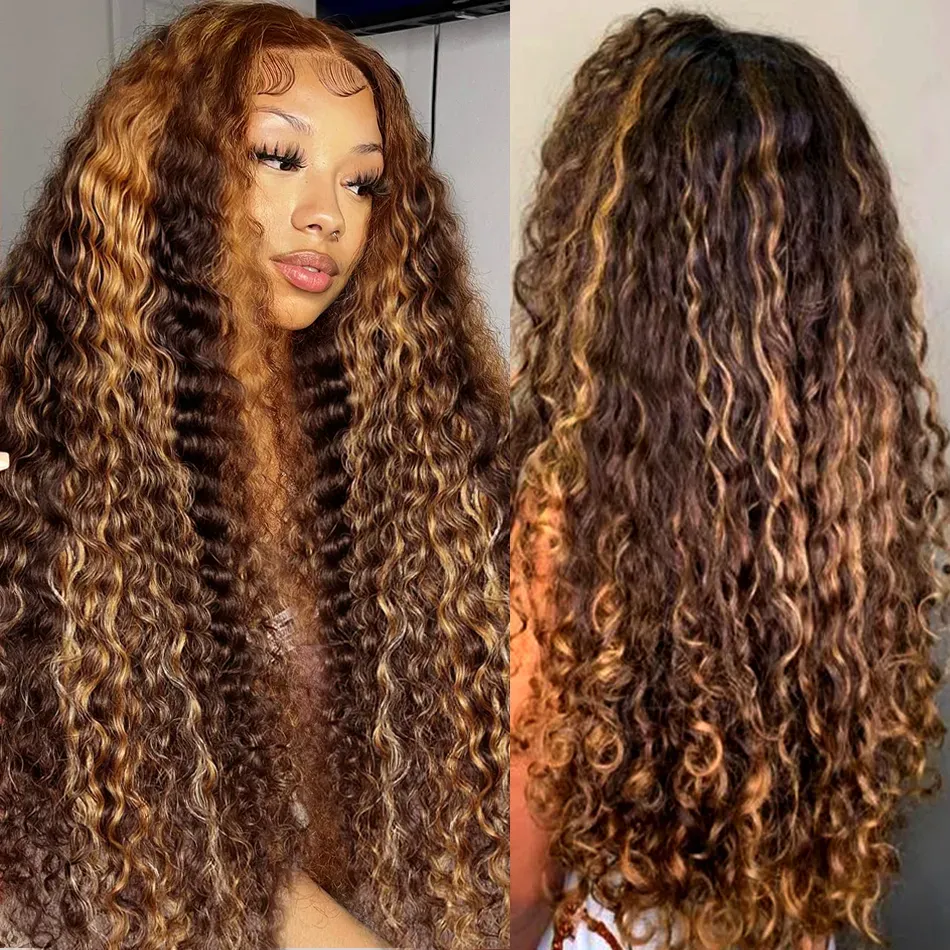
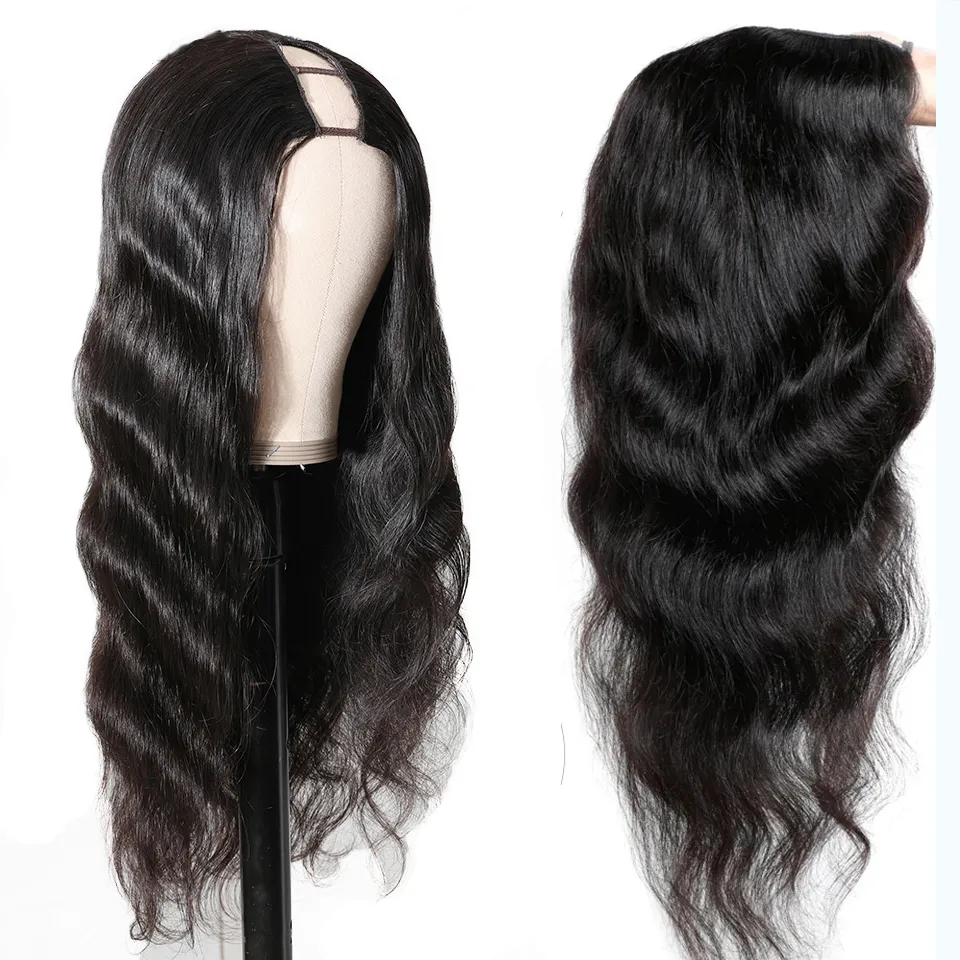
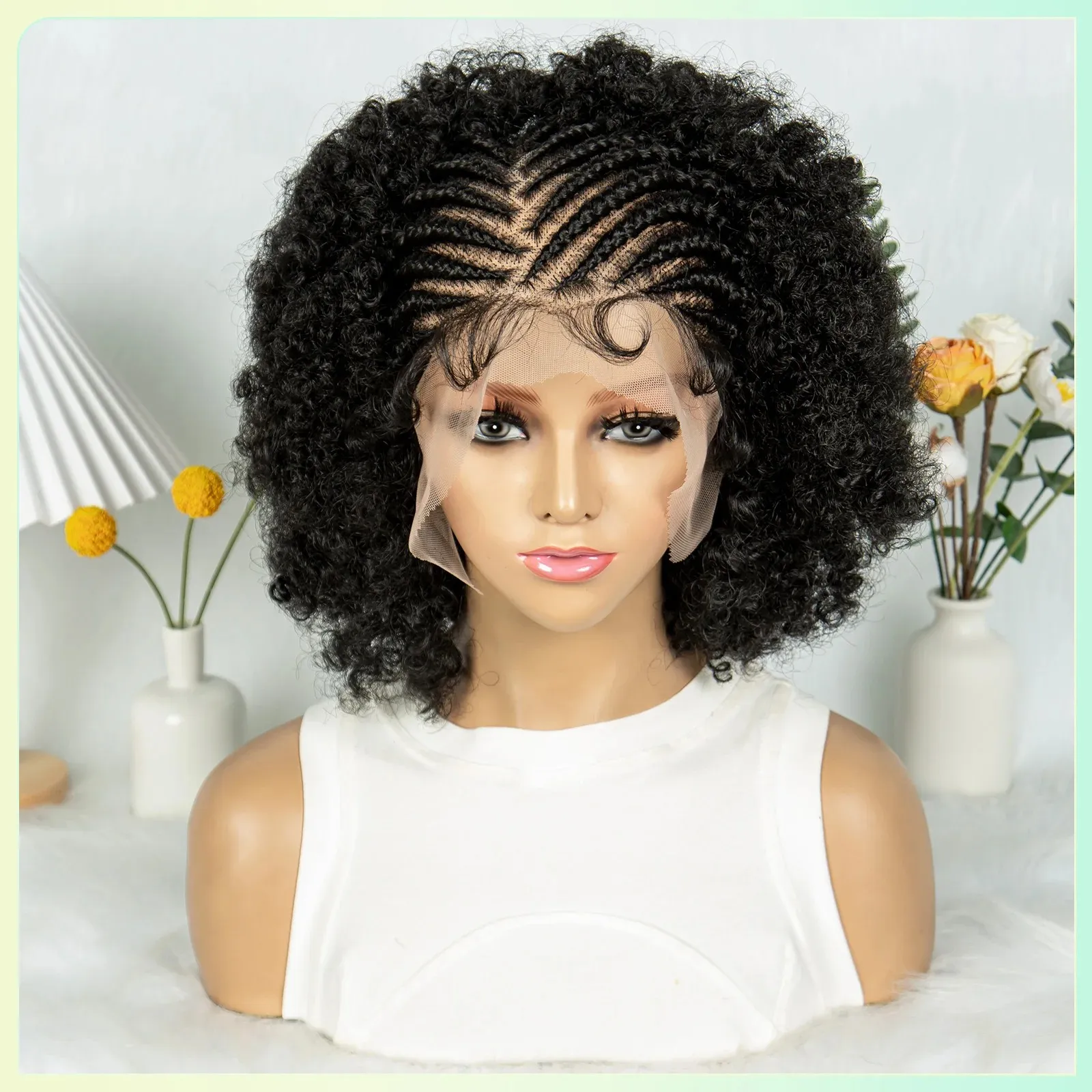
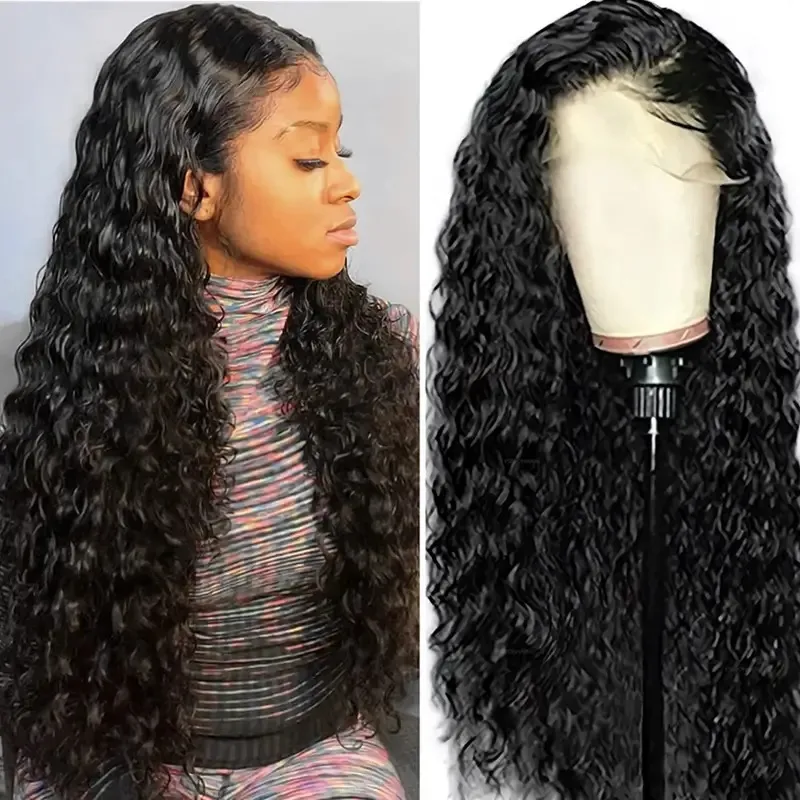
The wig-wearing practices of Orthodox women have created an entire industry. Sheitel machers (wig dressers) are skilled professionals who cut, color, style, and maintain sheitels. A quality sheitel from a reputable maker can cost $2,000 to $6,000 or more. The hair is typically European human hair, hand-tied into a lace cap. Many Orthodox women own multiple sheitels — a "daily" sheitel for errands and casual wear, and a "Shabbos sheitel" that's more elaborate for Sabbath and holidays.
This industry has developed its own geography, with major sheitel centers in Brooklyn, Jerusalem, London, and Los Angeles. The women who run these businesses are often deeply respected in their communities — not just as vendors, but as artists who understand the intersection of religious observance and personal aesthetics.
If you ask Orthodox women why they cover their hair, you'll get different answers from different women. Some will cite halacha — it's commanded, so they do it. Some will talk about modesty (tzniut) as a framework that enhances rather than diminishes their sense of self. Some will describe the covering as a constant reminder of their marriage, their commitments, their identity — a physical practice that anchors spiritual awareness throughout the day.
Others will talk about the practical benefits: the bad hair days that don't exist when your real hair isn't on display; the freedom of separating your public presentation from your private self; the way a good sheitel eliminates the daily styling struggle that occupies so much bandwidth for women who wear their natural hair. These aren't trivial benefits, and Orthodox women who've been covering for years are often the first to point them out.
The one thing you almost never hear from Orthodox women about hair covering is that they do it to look unattractive. That's an outsider's assumption — and a deeply mistaken one. The sheitel industry exists precisely because Orthodox women want to look beautiful while observing the letter and spirit of the law. There's no contradiction between modesty and beauty in this framework. They coexist, intentionally.
We respect every woman's reasons for covering her hair — religious, medical, stylistic, or personal. Whatever brings you to wigs, we're glad you're here.