






The wig craze that would dominate the 1700s actually began in the mid-1600s, and its original driver was medical. Syphilis was rampant in Europe, and one of its symptoms was patchy hair loss. Open sores on the scalp were another. A wig covered both — the hair loss and the visible signs of disease. But in covering them, it created an aesthetic that men without syphilis began to adopt. If the king's advisors were wearing wigs to hide their symptoms, ambitious courtiers without symptoms started wearing them too, to look like they were in the inner circle. What began as a medical covering became a status symbol.
King Louis XIII of France was an early and influential wig-wearer. He began losing his hair in his twenties and turned to wigs to maintain his appearance. His son, Louis XIV — the Sun King — took it further, employing dozens of wig makers and establishing the wig as an essential element of court dress. When the most powerful monarch in Europe wore an elaborate wig, the signal was clear: this was what powerful men looked like.
The 17th and 18th centuries were not great centuries for personal hygiene. Bathing was infrequent — many people believed that water opened the pores to disease. Hair was washed rarely. Lice were common. A wig, paradoxically, was more hygienic than natural hair. You could take the wig off and clean it (by boiling or powdering). Your natural hair underneath could be shaved short or kept clean more easily without the styling requirements of long, fashionable hair. The wig became a hygienic solution as much as a fashion statement — a removable, cleanable covering that sat on top of whatever was happening underneath.
By the 1700s, the wig-making industry was enormous. London alone had hundreds of wig makers. The hair itself was a commodity — human hair was bought from poor women who sold theirs for cash, and horsehair and goat hair were processed into cheaper wigs. A high-quality peruke could cost the equivalent of a year's wages for a working-class person. The expense was part of the point. Wearing an elaborate wig demonstrated that you had money, you had standing, and you had occasions that required formal dress.
The styles evolved across the century. Early 1700s wigs were full and long, cascading over the shoulders (the "full-bottomed" wig). By mid-century, smaller styles emerged — the tie-wig, the bag-wig, the queue-wig — that were more practical for daily wear. The full-bottomed wig became reserved for formal occasions and for certain professions (judges, bishops) that maintained the older style as a marker of their authority.
The French Revolution (1789) was the beginning of the end for the powdered wig. The revolutionaries associated wigs with the aristocracy they were overthrowing. Wearing a wig in revolutionary France was literally dangerous. In Britain and America, the fashion declined more gradually through the 1790s and early 1800s. A tax on hair powder introduced in Britain in 1795 accelerated the decline. By the 1820s, wigs had largely disappeared from everyday fashion, surviving only in the formal dress of certain professions.
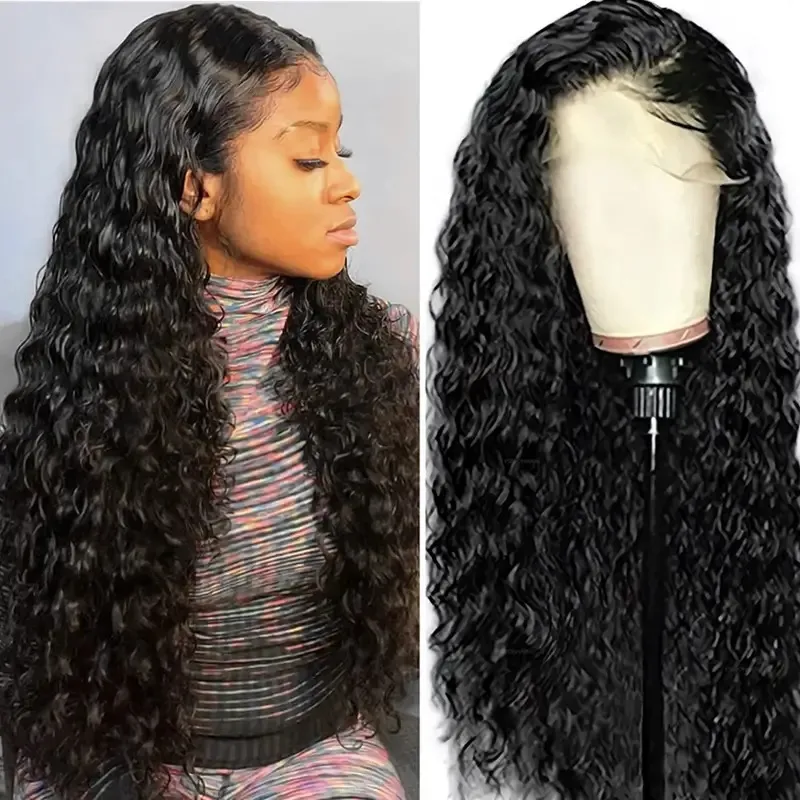
The 1700s wig craze demonstrates something that's still true: what we put on our heads signals who we are — or who we want to be perceived as. The 18th-century man who wore a wig was signaling wealth, status, and membership in the ruling class. The 21st-century woman who wears a wig is often signaling something similar — not class status necessarily, but self-possession, intentionality, control over her own appearance. The materials have changed. The human impulse hasn't.
Today's wigs don't require powder, pomade, or a dedicated servant to maintain. They look better, feel better, and cost a fraction of what an 18th-century peruke would set you back. Progress is real.