


Look at any portrait of George Washington — the one on the dollar bill, the famous Gilbert Stuart painting, the statue in the Capitol Rotunda — and you'll see a man with white hair, swept back from his forehead, tied at the nape with a ribbon. It looks exactly like the powdered wigs worn by every other 18th-century gentleman of means. Which is why almost everyone assumes Washington wore a wig. But here's the thing that makes this one of the most satisfying historical corrections you'll ever encounter: George Washington did not wear a wig. That was his real hair.
George Washington had naturally reddish-brown hair. Yes — reddish. The iconic white you see in every portrait? That's powder. Specifically, finely ground starch or flour, applied to his own natural hair and styled to achieve the look that was expected of a gentleman and military leader in the late 1700s.
This wasn't unusual for the time, but it was distinctive. Unlike many of his contemporaries — Thomas Jefferson, for instance, who wore a full wig throughout his political career — Washington chose to work with what he had. His natural hair was reportedly thinning by the time he became president at age 57, but it was still present, and he was meticulous about its presentation. The process of powdering and styling his own hair, rather than simply putting on a wig, required more daily effort, not less. Washington chose authenticity at the cost of convenience.
His preferred style — pulled back from the face, gathered at the nape, often tied with a black ribbon — was known as a "queue." In military contexts, officers sometimes tucked the queue into a silk bag (a "bag wig" style), and Washington occasionally wore his hair this way for formal occasions. But the base material was always his own hair, never a wig.
The fact that Washington didn't wear a wig wasn't just personal preference. It reflected a broader cultural distinction between colonial American and British attitudes toward appearance. In Britain, the full-bottomed powdered wig was a marker of aristocracy, legal authority, and proximity to the crown. The bigger the wig, the closer to power. British judges, barristers, and members of the House of Lords wore wigs as a visual assertion of their status within a rigid class hierarchy.
In the American colonies — and especially after the Revolution — there was a quiet but significant pushback against this. American leaders were trying to establish a new kind of authority, one based on republican virtue rather than inherited privilege. Wearing a wig was associated with the British aristocracy they had just fought a war to escape. Washington's choice to powder his own hair rather than don a wig was, whether consciously or not, a political statement. He was presenting himself as a citizen-leader, not a monarch.
John Adams also wore his own hair powdered. Thomas Jefferson, as mentioned, wore a wig — but notably, he was the most Francophile of the Founders and the most comfortable with European aristocratic trappings. The pattern holds: the more a Founder leaned toward European-style governance, the more likely they were to wear a wig. The more they leaned toward republican simplicity, the more likely they were to powder their own hair.
We know Washington didn't wear a wig because we have his actual hair. Multiple locks of Washington's hair survive in museums and private collections, authenticated by chain of custody from his family and household. These samples show his natural reddish-brown color with some graying. The hair texture matches descriptions from people who knew him.
We also have his dentures, his spectacles, his surveying equipment, and detailed records of his personal expenses — including purchases of hair powder, pomade, and ribbons for his queue. Nowhere in these records is there a purchase from a wigmaker for a full wig. He bought powder. He bought styling products. He bought ribbons. He did not buy wigs.
One particularly telling detail: Washington was known to be self-conscious about his appearance, but in a specific way. He cared deeply about his teeth (hence the elaborate, uncomfortable dentures), his posture, and his clothing — all areas where he felt he needed to compensate for perceived shortcomings. His hair was not one of those areas. He was comfortable with it, maintained it carefully, and presented it on his own terms.
The Washington wig myth persists because we've collapsed all 18th-century formal hair into a single mental category: "white wig." But the reality was more nuanced. The 1700s offered a spectrum of hair choices — natural hair, powdered natural hair, partial hairpieces, full wigs, elaborate perukes — and different choices carried different social and political meanings. Washington chose the option that said: I am a leader, but I am not a king.
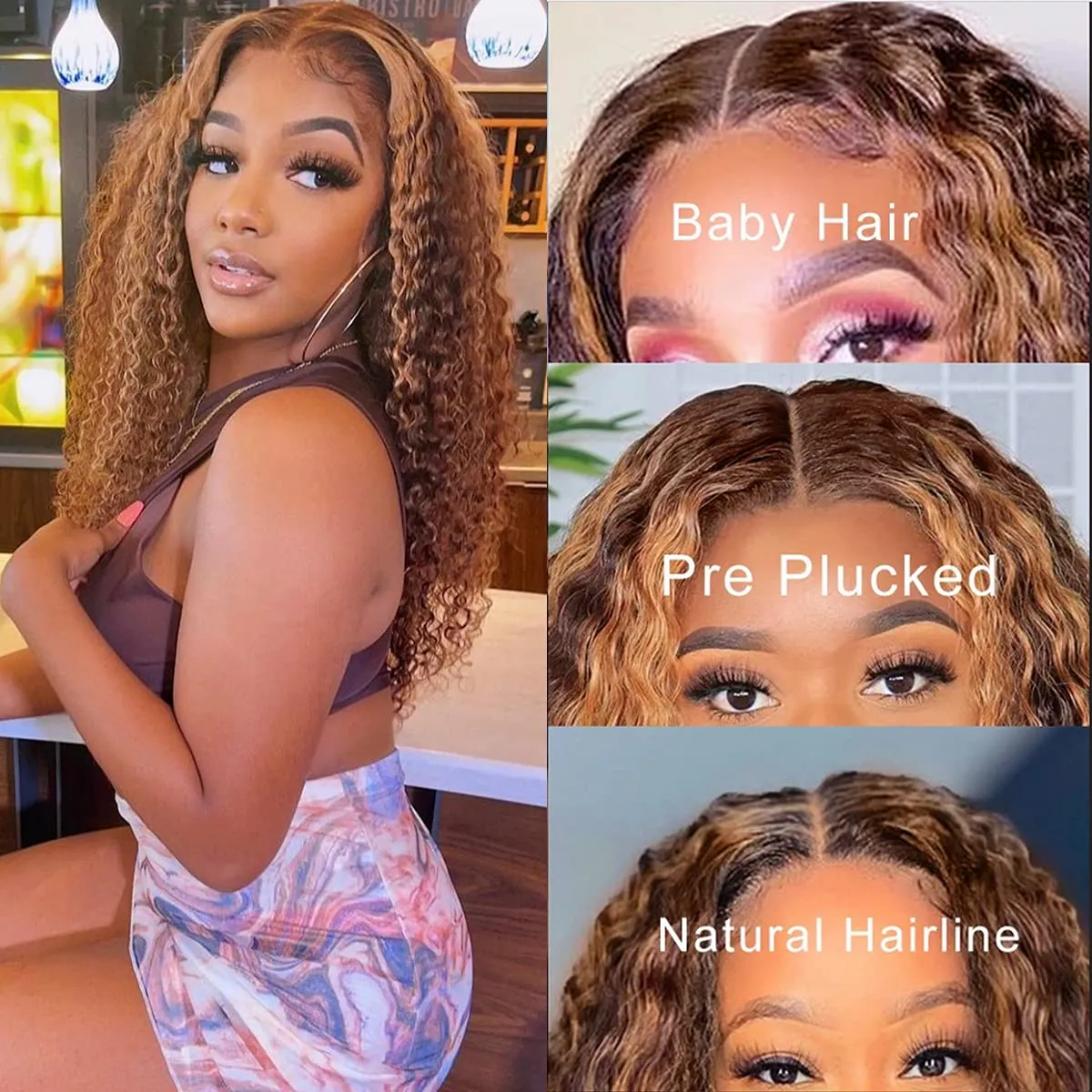
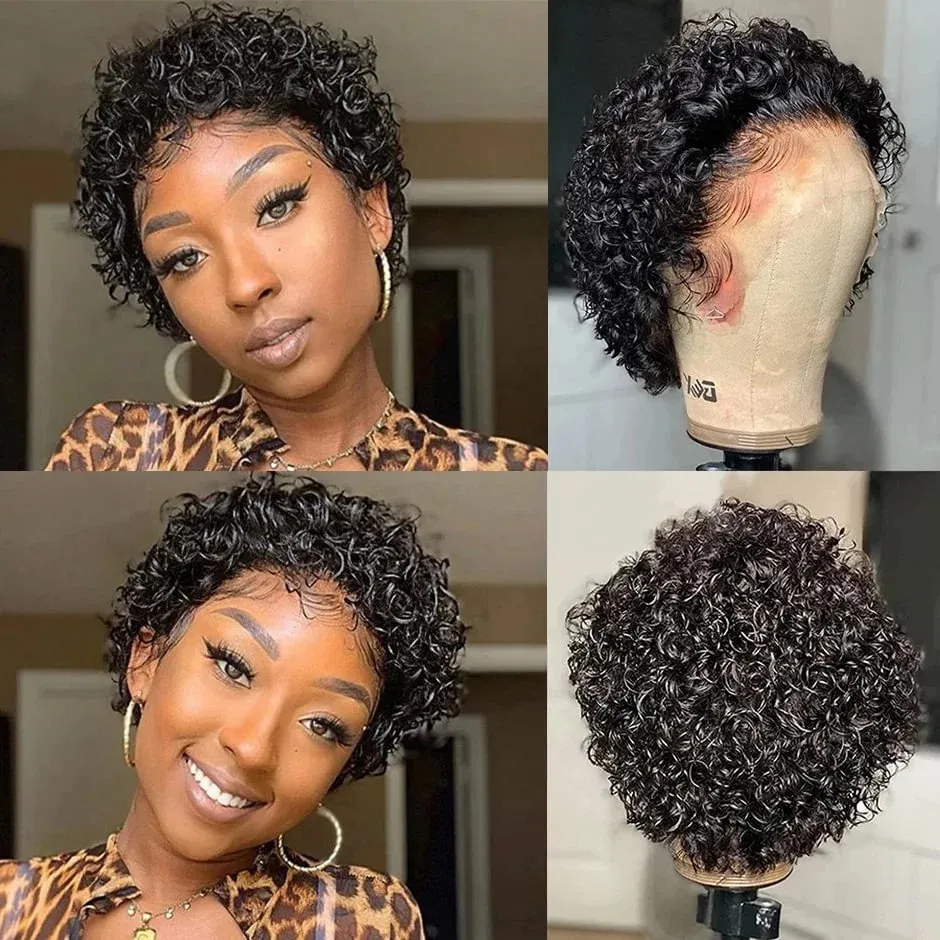
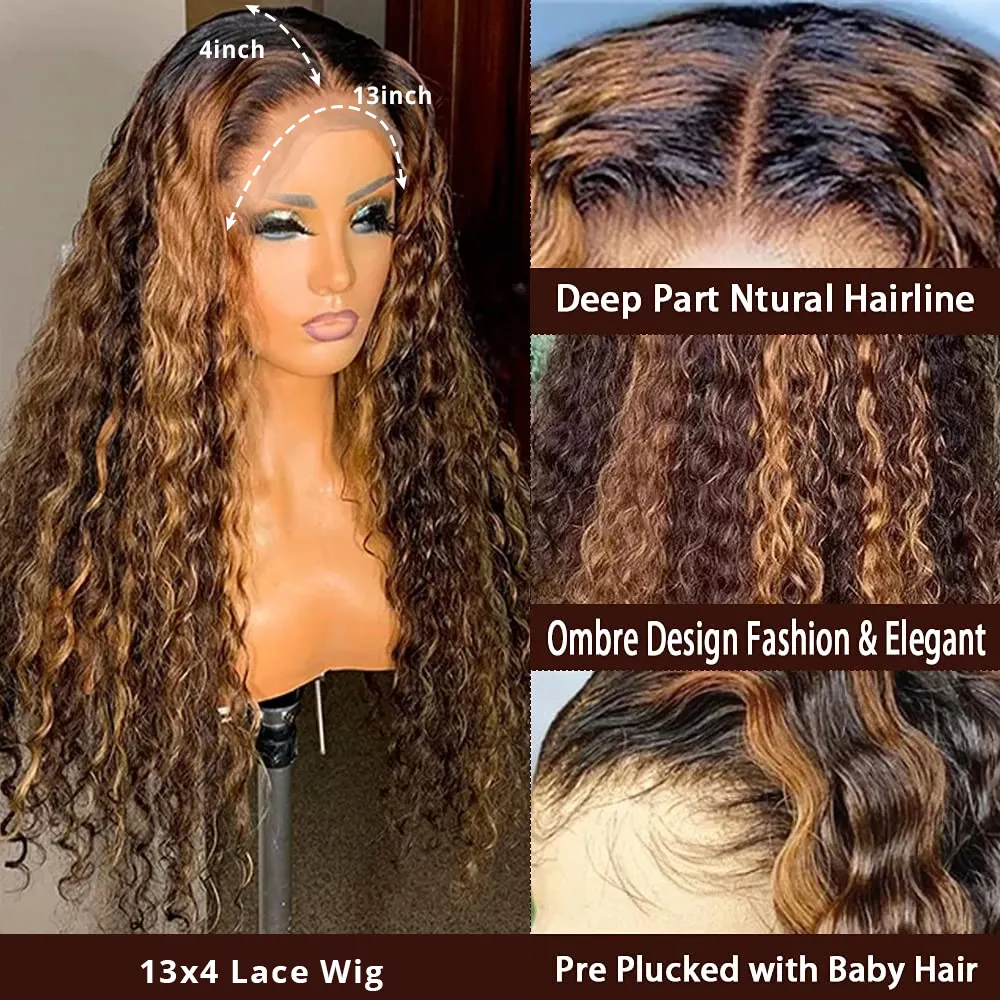
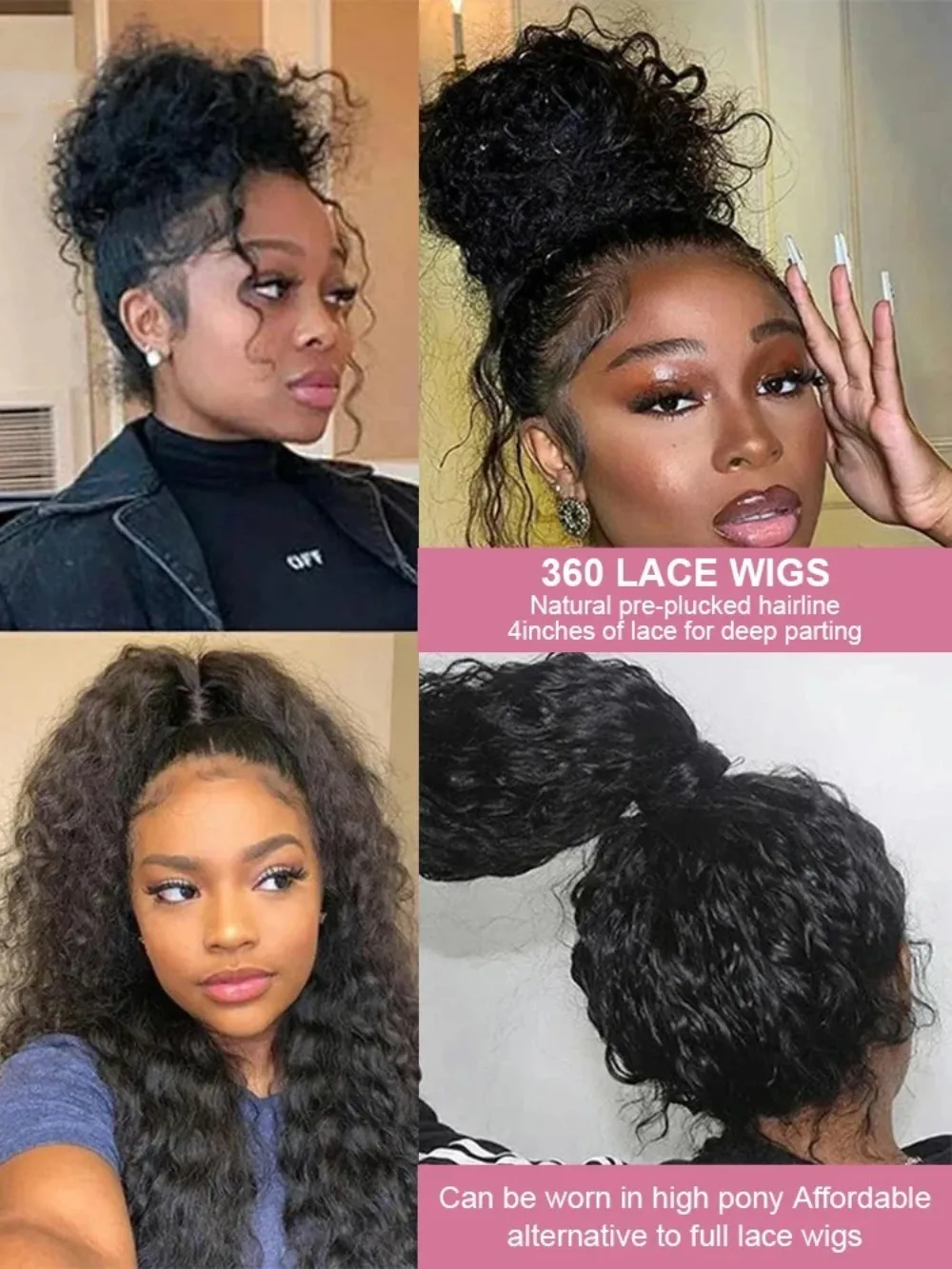
Today's wig-wearers face a similar spectrum of choices, and the same false binary: "real hair" versus "fake hair." But just as Washington's powdered natural hair was neither a wig nor untouched natural hair, today's options include toppers, clip-ins, lace fronts, full wigs, and everything in between. The lesson from history is that what's on your head has always been a choice, and that choice has always carried meaning. The only thing that's changed is the technology.
George Washington chose to work with his own hair — but you don't have to. Whether you're preserving your natural hair underneath or going for a completely different look, the right wig is always a valid choice. We've got options for every preference, every budget, and every reason.