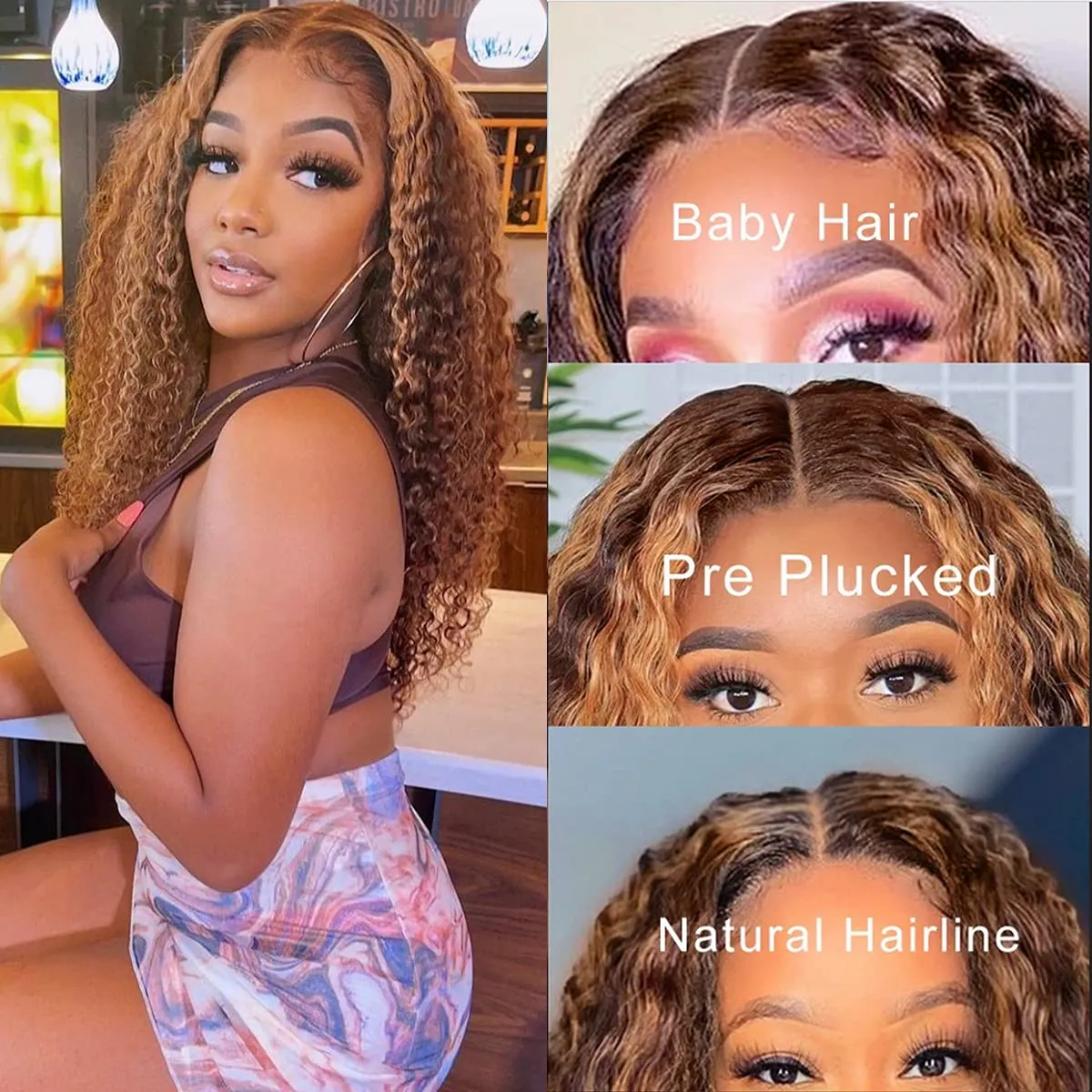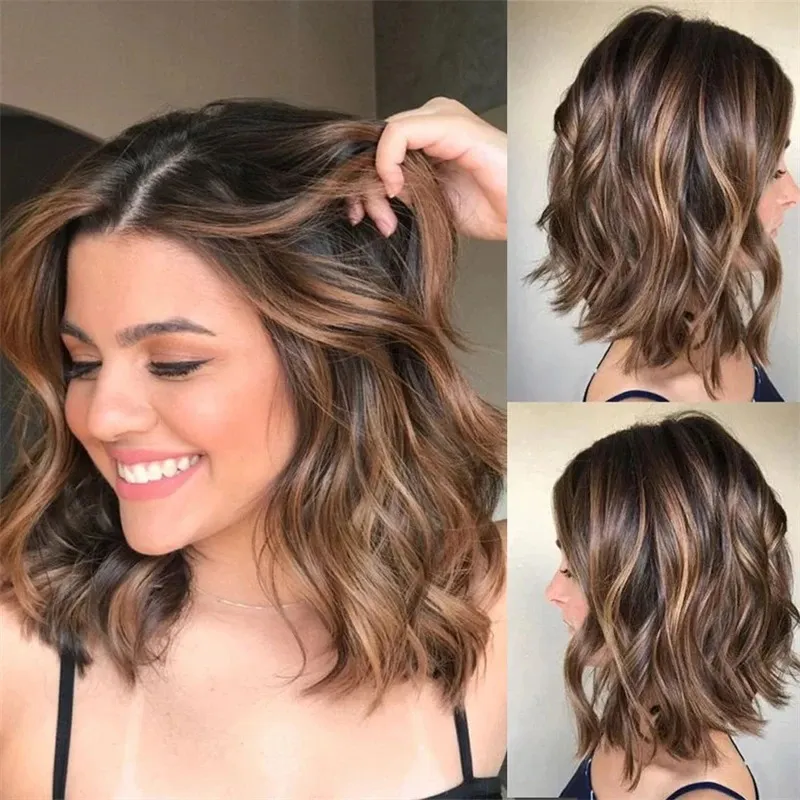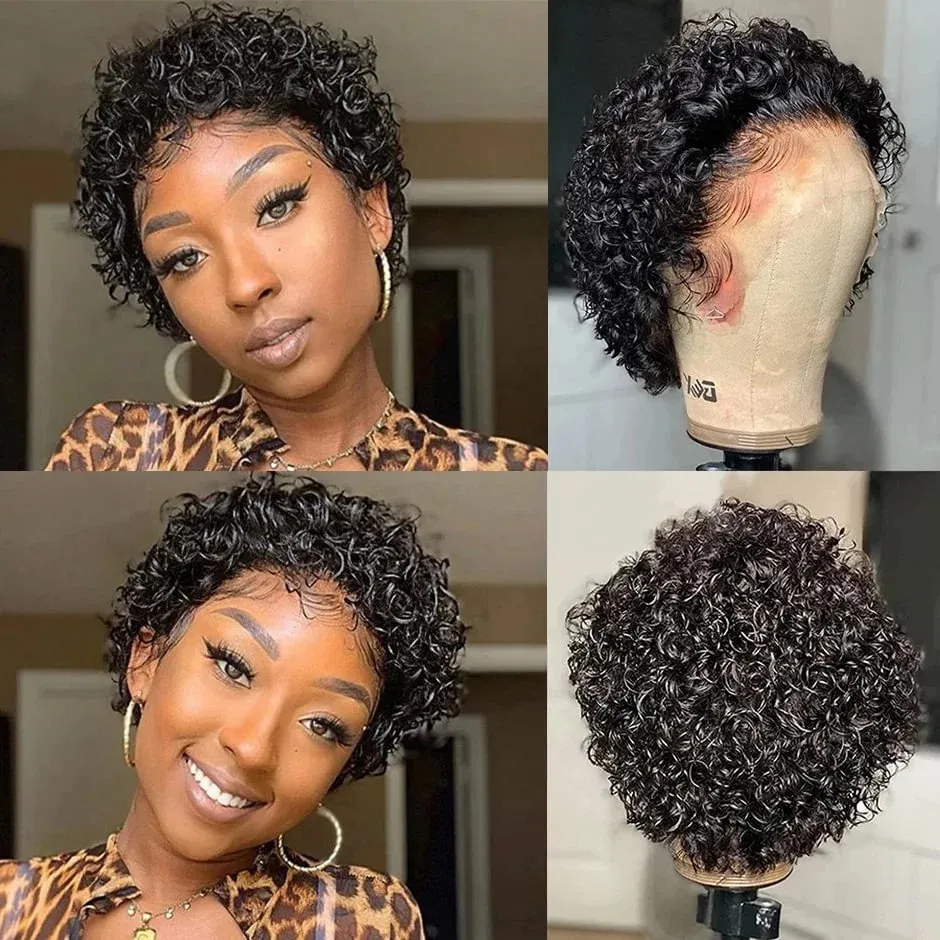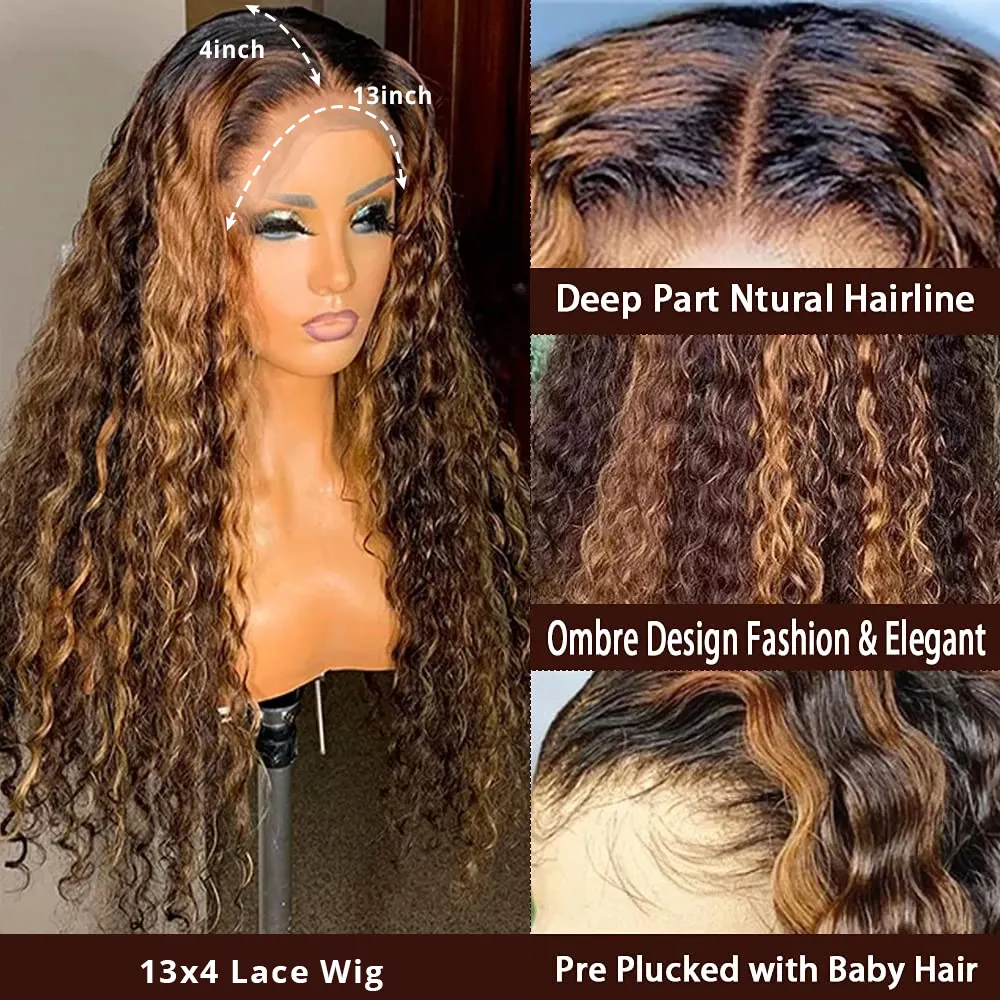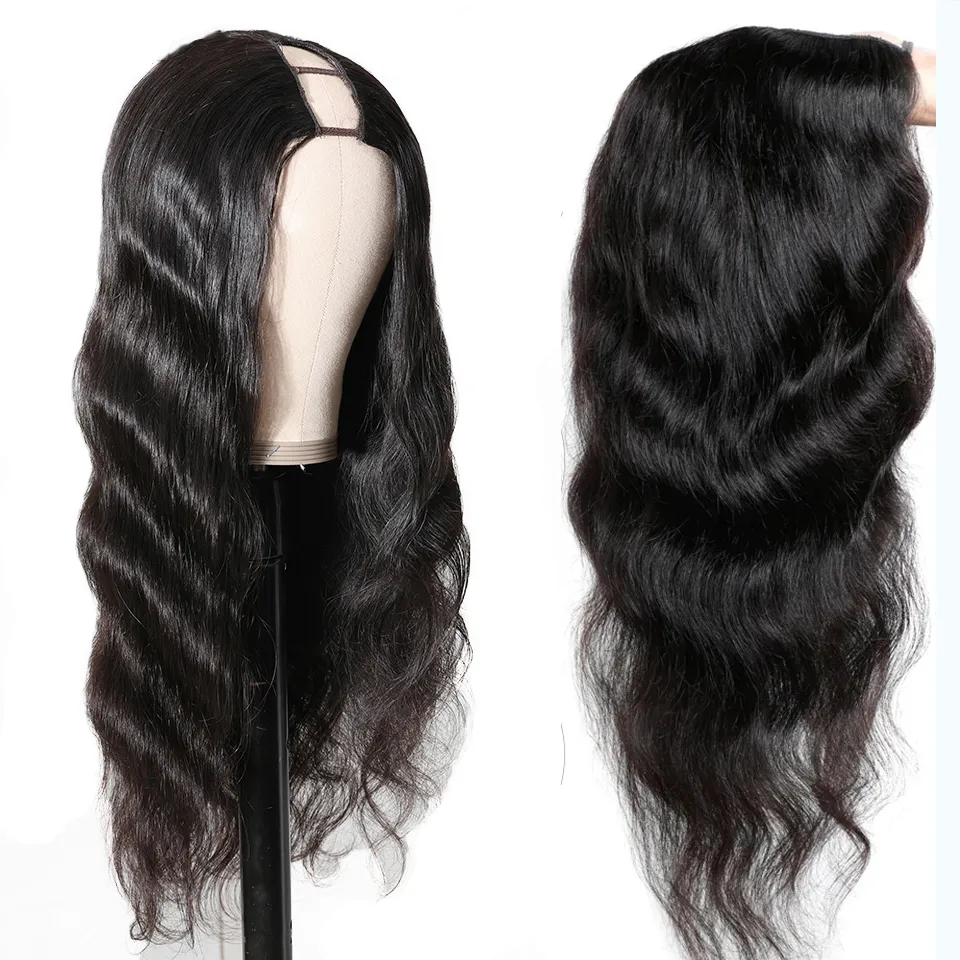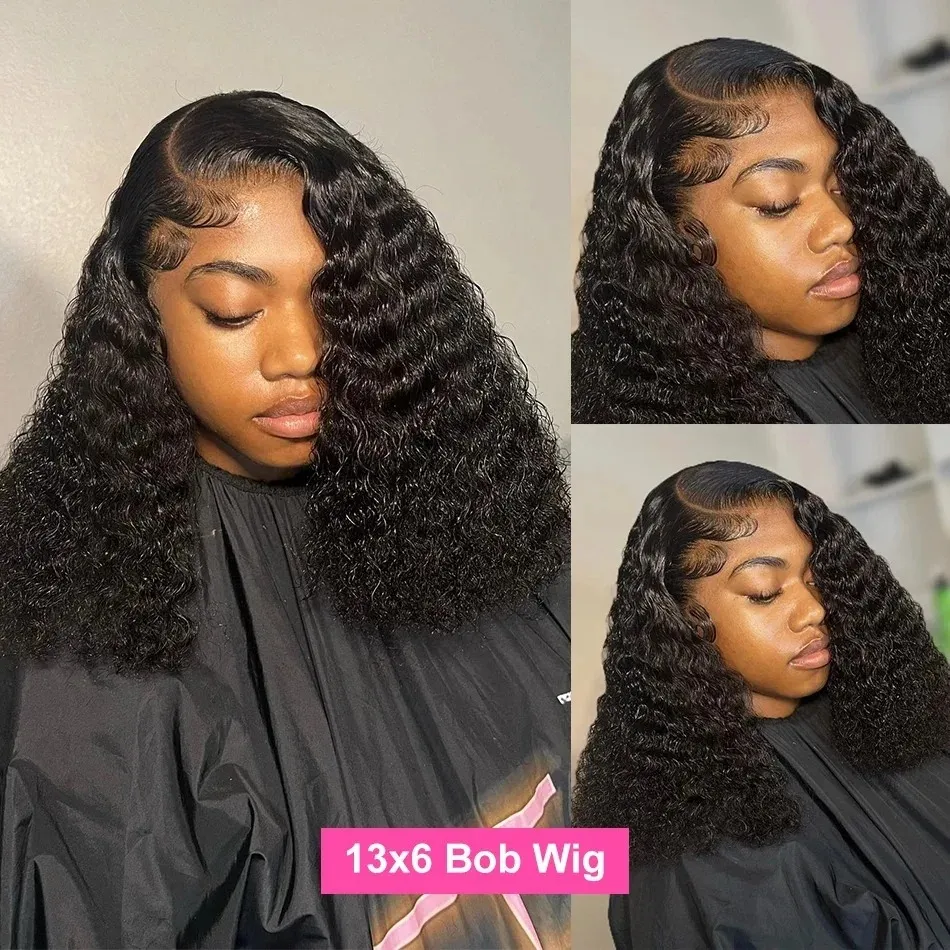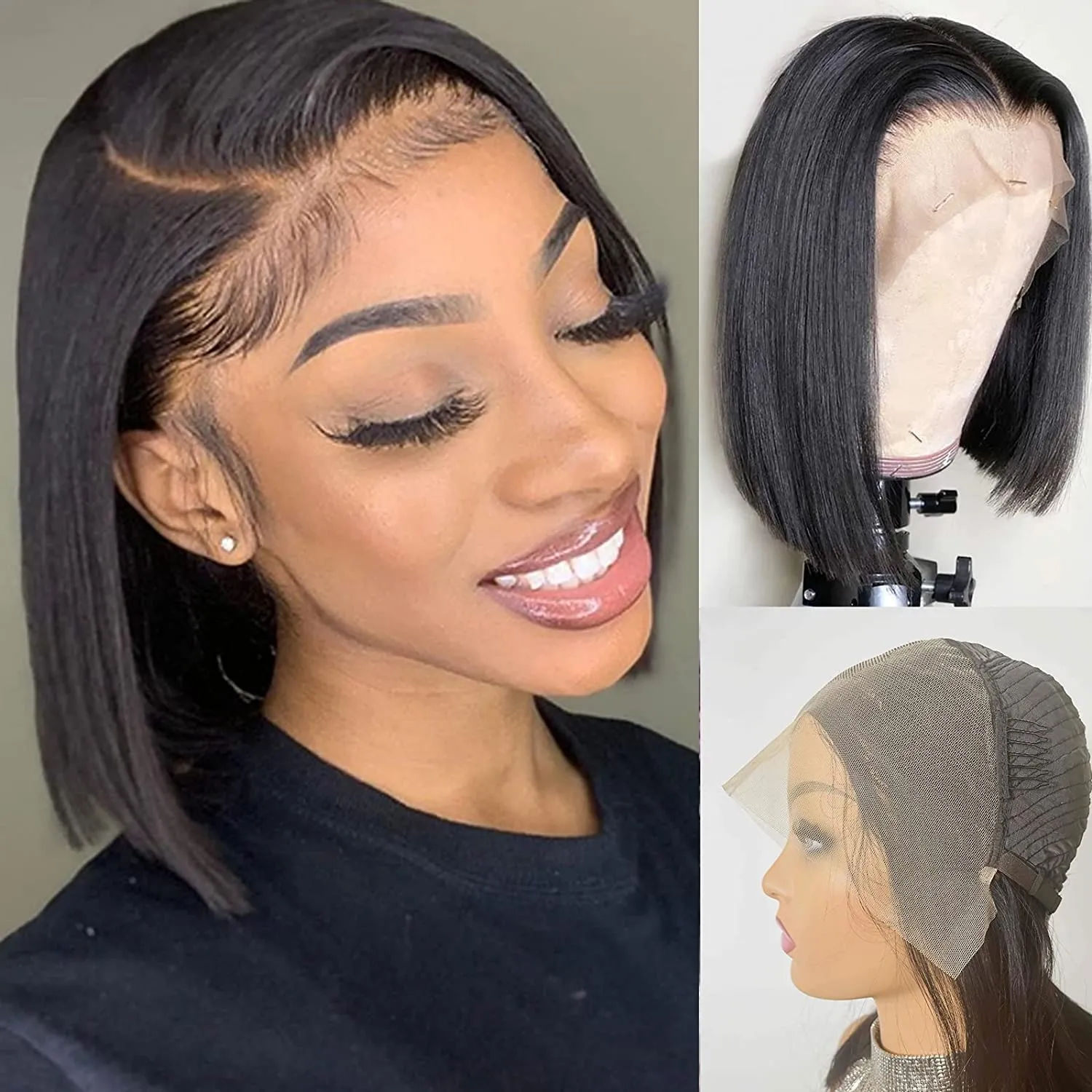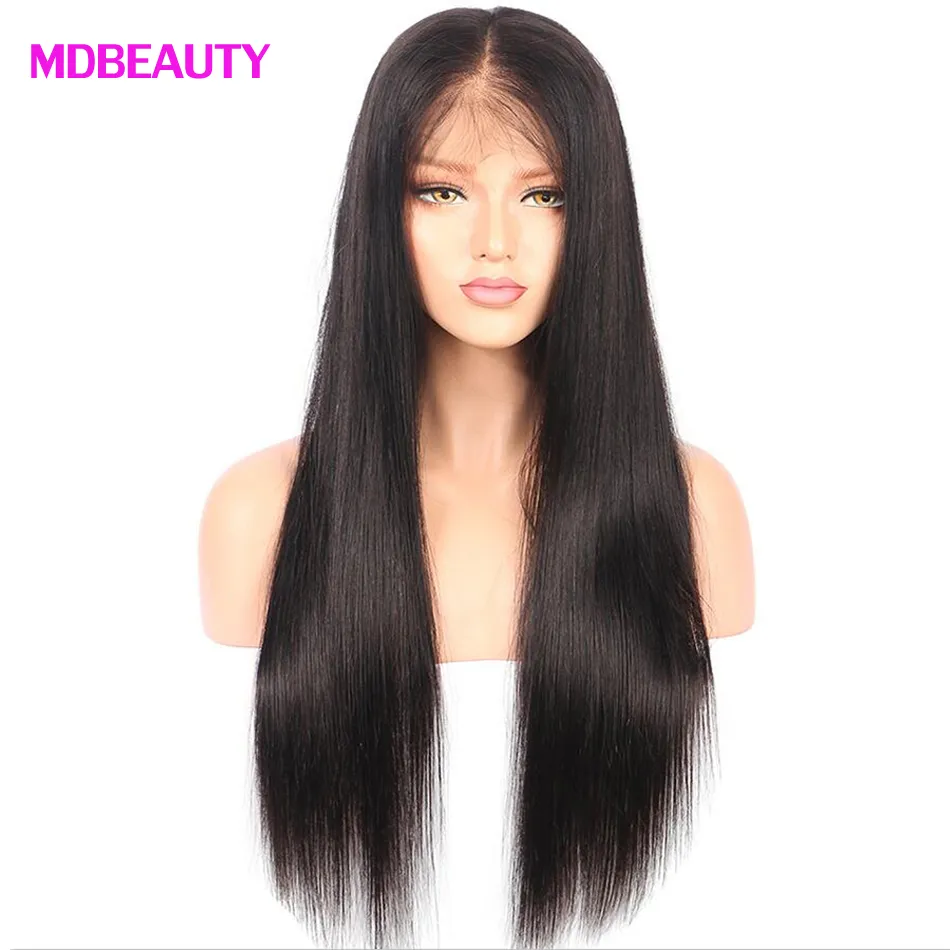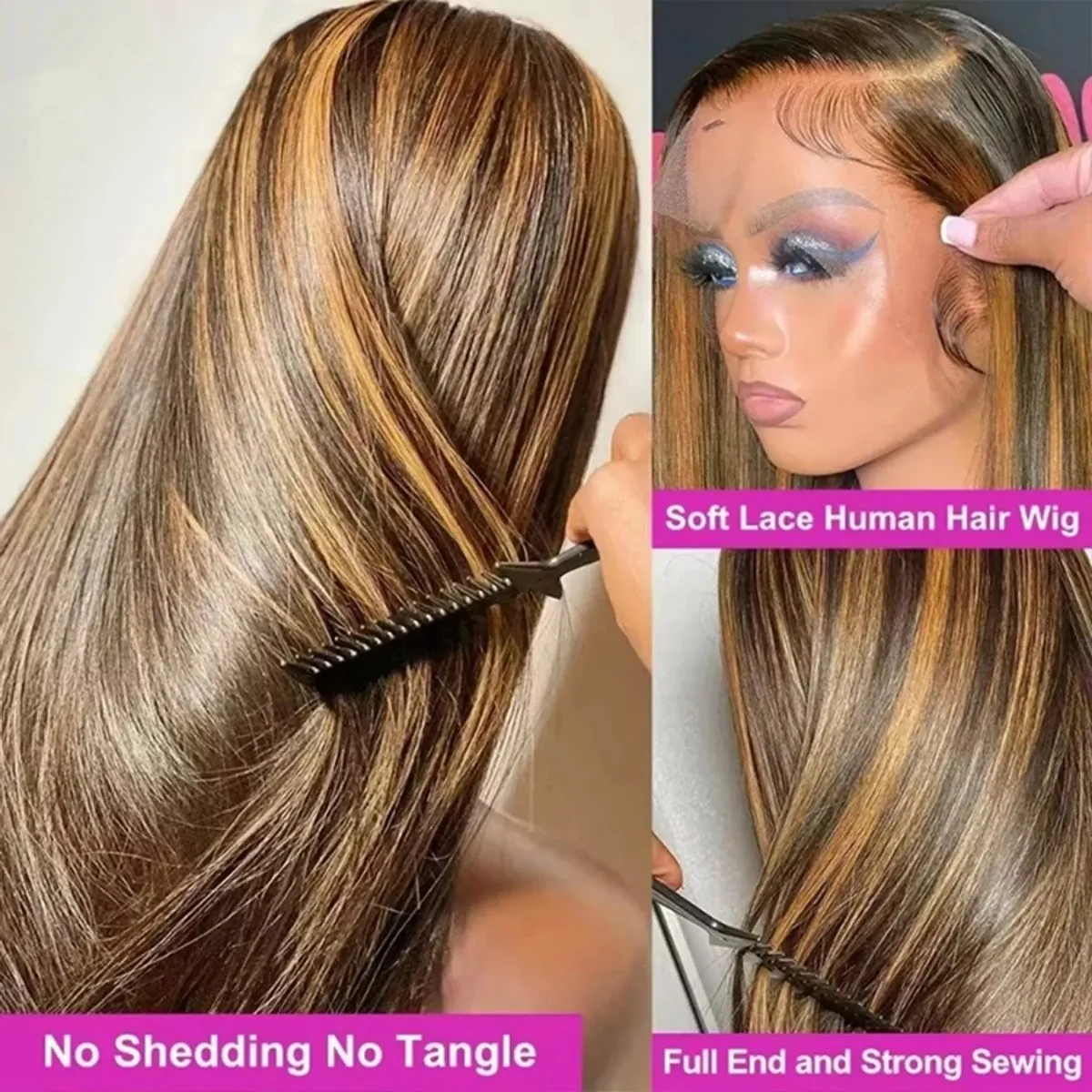






Let me save you from the most common synthetic wig tragedy I see: someone buys a beautiful wig in the wrong color, Googles "can you dye synthetic wigs," finds a TikTok video of someone doing it with acrylic ink or fabric dye, tries it, and ruins a perfectly good wig in under ten minutes. The question "can you dye synthetic wigs" has a simple answer: no, not in the way you're thinking. But the fuller answer — and the alternatives — are worth understanding before you do something you'll regret.
Human hair has a cuticle layer — overlapping scales that can be lifted by the chemicals in hair dye, allowing pigment molecules to enter the hair shaft and deposit color. Synthetic wig fibers have no cuticle. They're solid polymer strands, essentially plastic. The chemicals in permanent, semi-permanent, and demi-permanent hair dye — ammonia, peroxide, developers — are designed to interact with protein structures. On plastic, they do one of two things: nothing at all, or they react with the fiber coating and create a sticky, matted, ruined mess. There is no third option.
This applies to: box dye, professional salon color, semi-permanent color (Manic Panic, Arctic Fox, etc.), henna, vegetable dyes, and every "natural" alternative you've seen on Pinterest. None of them deposit lasting color on synthetic fiber. The color either sits on the surface and rinses right off, or the chemicals damage the fiber and you end up with a ruined wig that's the same color it was before, just now frizzy and matted.
Fabric dye (Rit DyeMore for synthetics): This is the most commonly recommended method because it's specifically formulated for synthetic materials. The theory: simmer the wig in a pot of Rit DyeMore dye, and the heat opens the synthetic fibers enough to accept the dye. The reality: it sometimes works, sort of, on light-colored wigs going to darker shades. But the results are unpredictable. The color can come out patchy. The heat required (near-boiling water) can permanently alter the wig's texture and style. And the dye doesn't penetrate the fiber — it coats the surface, meaning it will fade unevenly with washing. This is the "works 40% of the time, ruins the wig 60% of the time" option.
Acrylic ink and rubbing alcohol: The TikTok special. The method involves mixing acrylic ink with rubbing alcohol and spraying or painting it onto the wig. The alcohol is supposed to help the ink penetrate the fiber. In practice: the ink sits on the surface, dries stiff, flakes off onto your clothes and furniture, and washes out the first time the wig gets wet. This is not dyeing. It's temporary surface coloring that looks bad and makes a mess.
Sharpie/permanent marker method: Yes, people try this. They soak Sharpie ink in rubbing alcohol and dunk the wig. The result is a wig that smells like chemicals, transfers color onto everything it touches, and looks streaky. Do not do this.
1. Temporary colored hair wax (best option for synthetic wigs)
Colored hair wax or color creams specifically formulated for synthetic hair exist. These products coat the outside of the fiber without damaging it. They wash out with shampoo, so you can change colors as often as you want. The application is simple: apply the wax to dry hair, work it through, let it set, and brush out any excess. The result is a temporary color change that looks natural and doesn't ruin the wig.
Brands to look for: Mofajang Hair Color Wax, ORS Curls Unleashed Color Blast, or any synthetic-specific temporary color cream. These cost $8-15 and let you experiment without commitment. For a highlighted effect, apply the wax to selected strands rather than the whole wig.
2. Spray-on wig color (for synthetic wigs)
Wig-specific color sprays exist and are formulated to coat synthetic fibers temporarily. They're less even than wax but faster for an all-over color change. The downside: they can make the hair feel stiff, and some spray formulas leave a residue that attracts dust. Test on an inconspicuous area first.
3. Buy a second wig in the color you want
I know, I know — you wanted to save money by dyeing what you have. But here's the math: a decent quality synthetic wig costs $50-120. The materials to attempt dyeing (Rit dye, a pot you'll never use for food again, color fixative, and the wig you might ruin) will cost $30-40 and has a high probability of failure. For not much more money, you can own two wigs in two different colors, and both of them will look good. This is almost always the smarter financial decision.
4. For human hair wigs: go ahead and dye it (carefully)
If your wig is human hair, the entire conversation changes. Human hair wigs CAN be dyed — darker is safe, lighter requires bleach and caution. If you're going to attempt coloring, make sure you know what your wig is made of before you start. The burn test (snip a tiny piece, hold it to a flame — human hair burns to ash and smells like burning hair; synthetic melts into a hard bead) is the most reliable way to tell.
Synthetic wig fibers cannot be permanently dyed. Period. The science is not ambiguous on this point. What you can do is use temporary color products designed for synthetic hair, or — and this is genuinely the better option for most people — buy a second wig in the color you want. Synthetic wigs are affordable enough that owning multiple colors is realistic in a way that owning multiple human hair wigs is not. The versatility is built into the price point. Use it.
We carry synthetic wigs in a wide range of colors — from natural blacks and browns to blondes, reds, ombres, and fashion colors. No dye required. Just pick the color you want and wear it today.