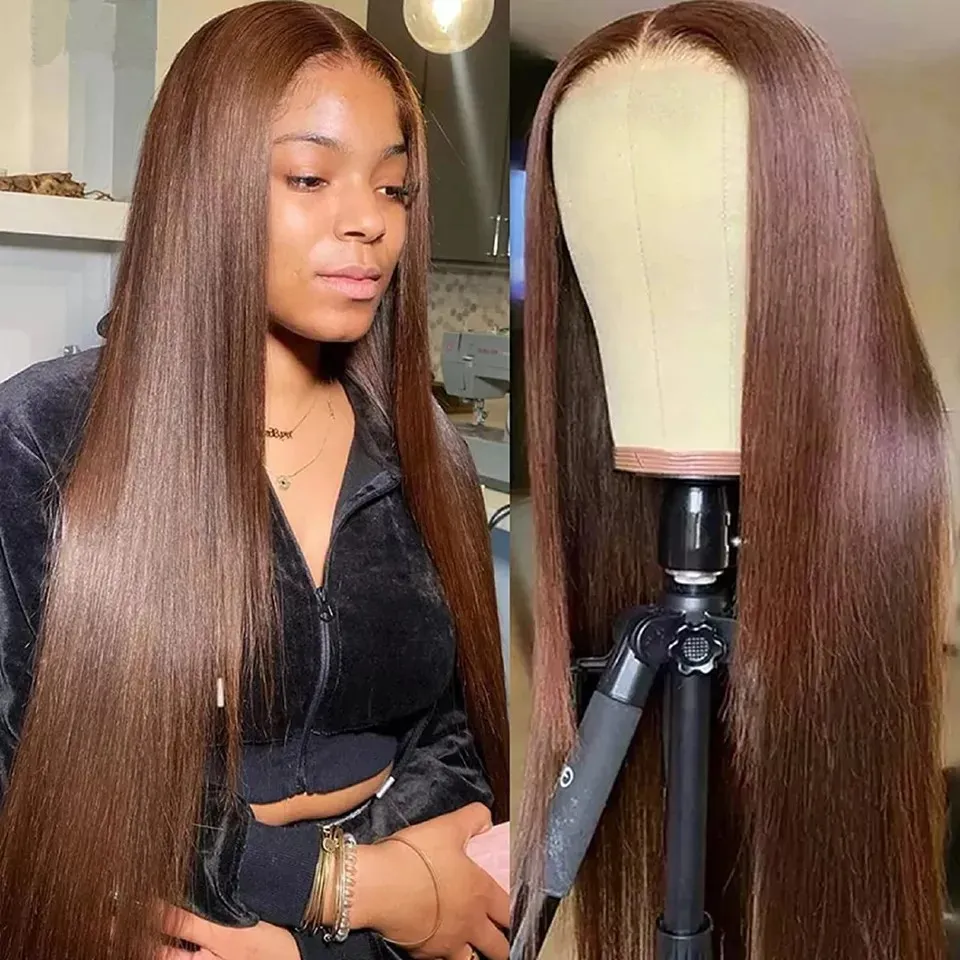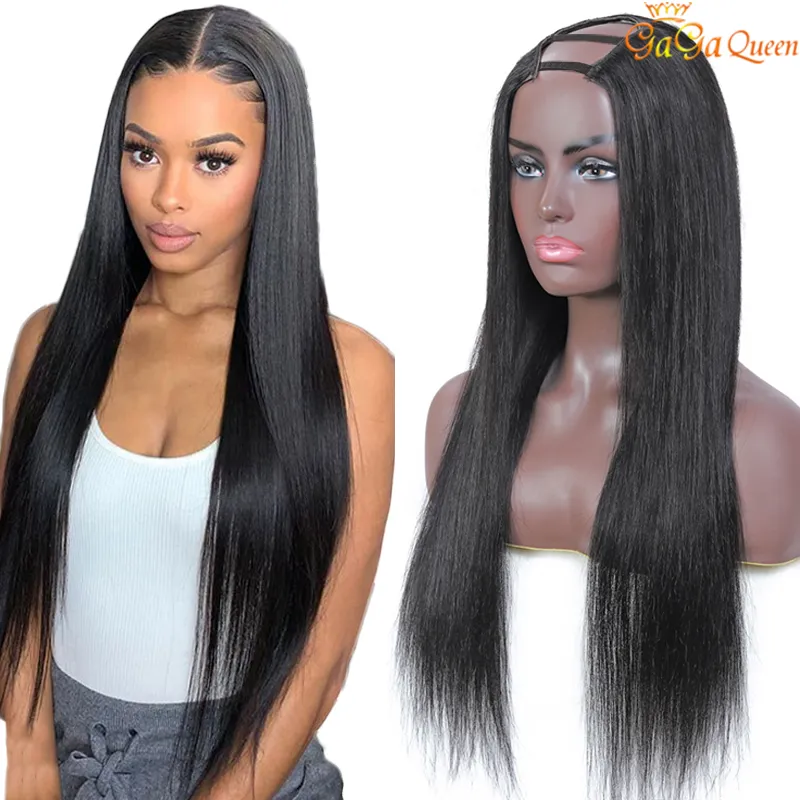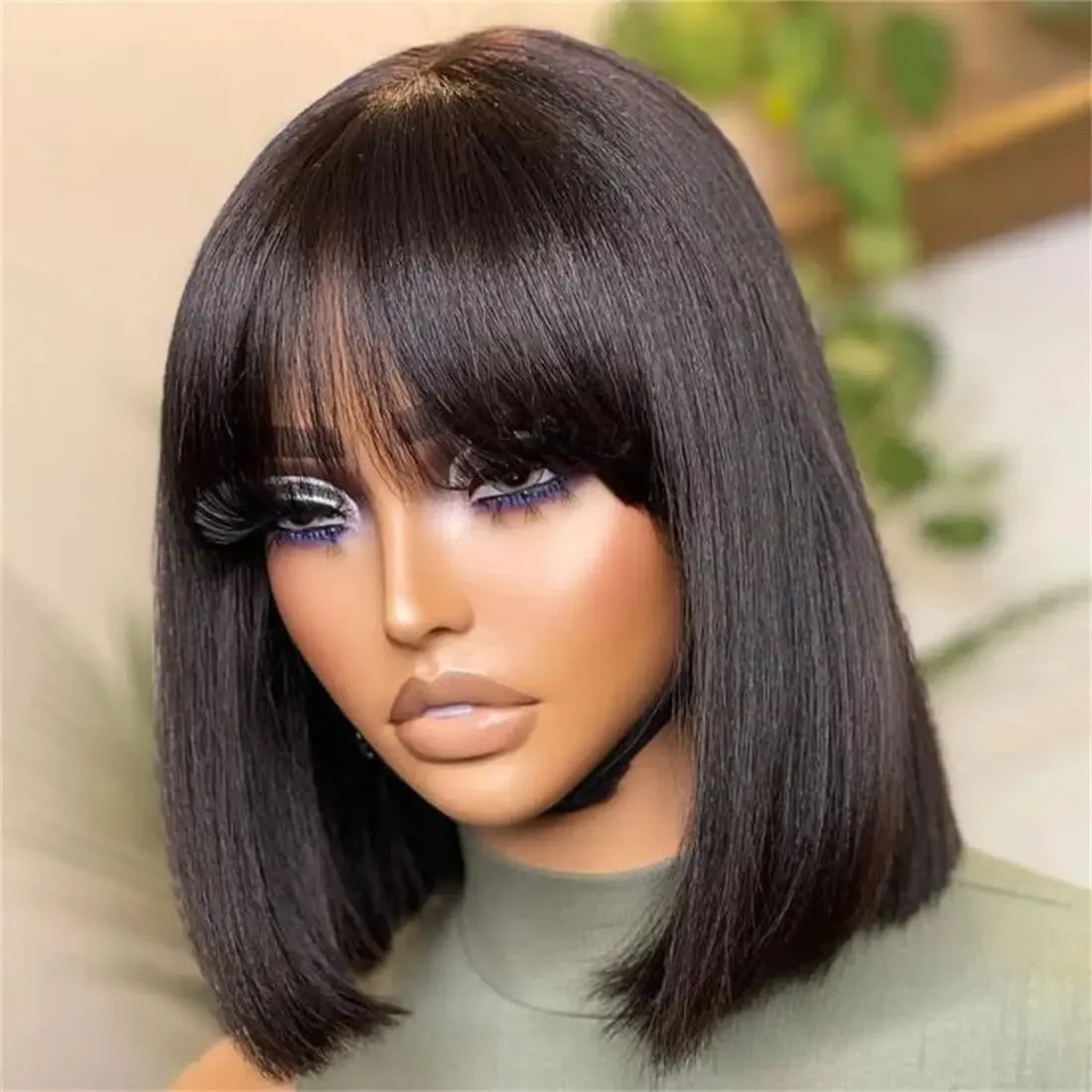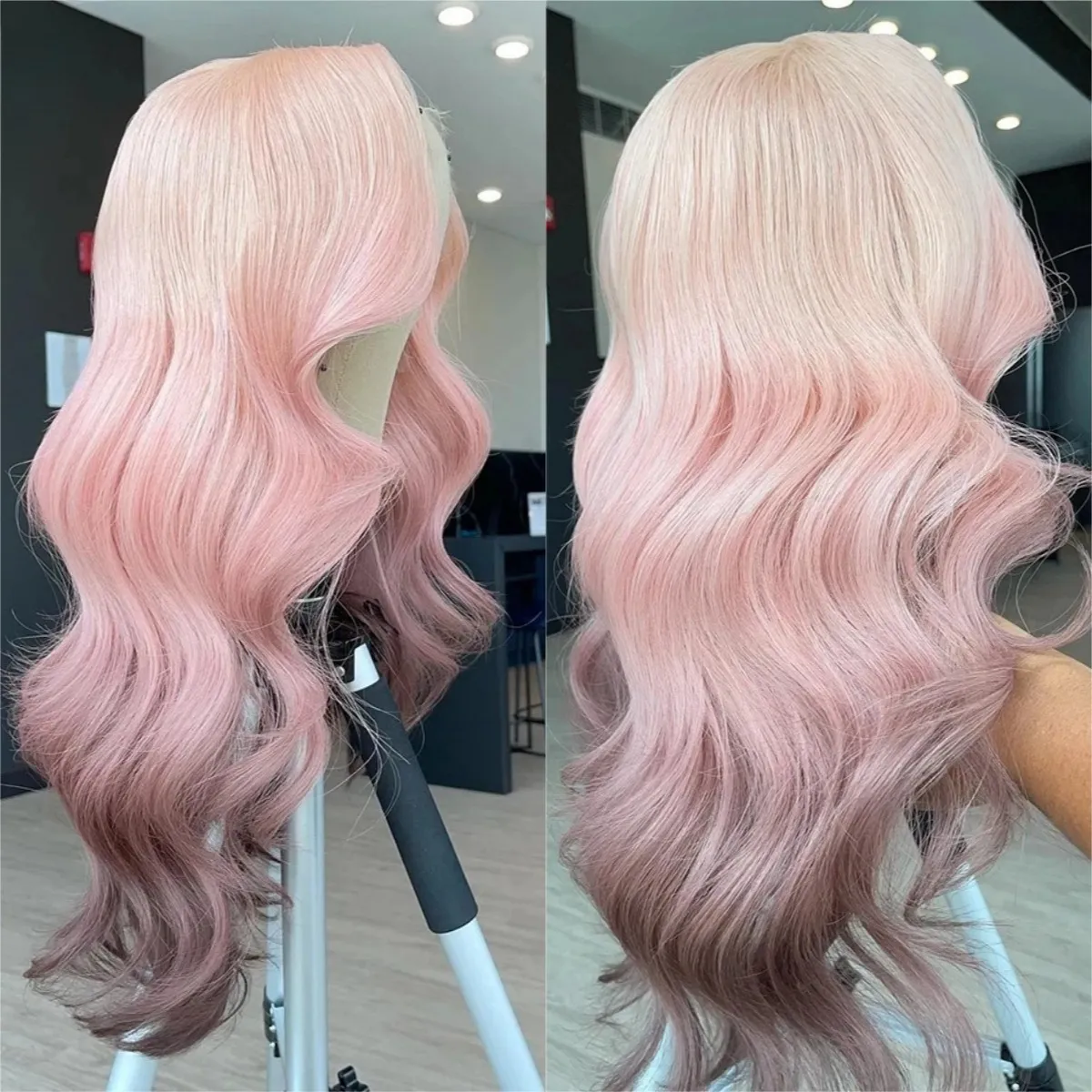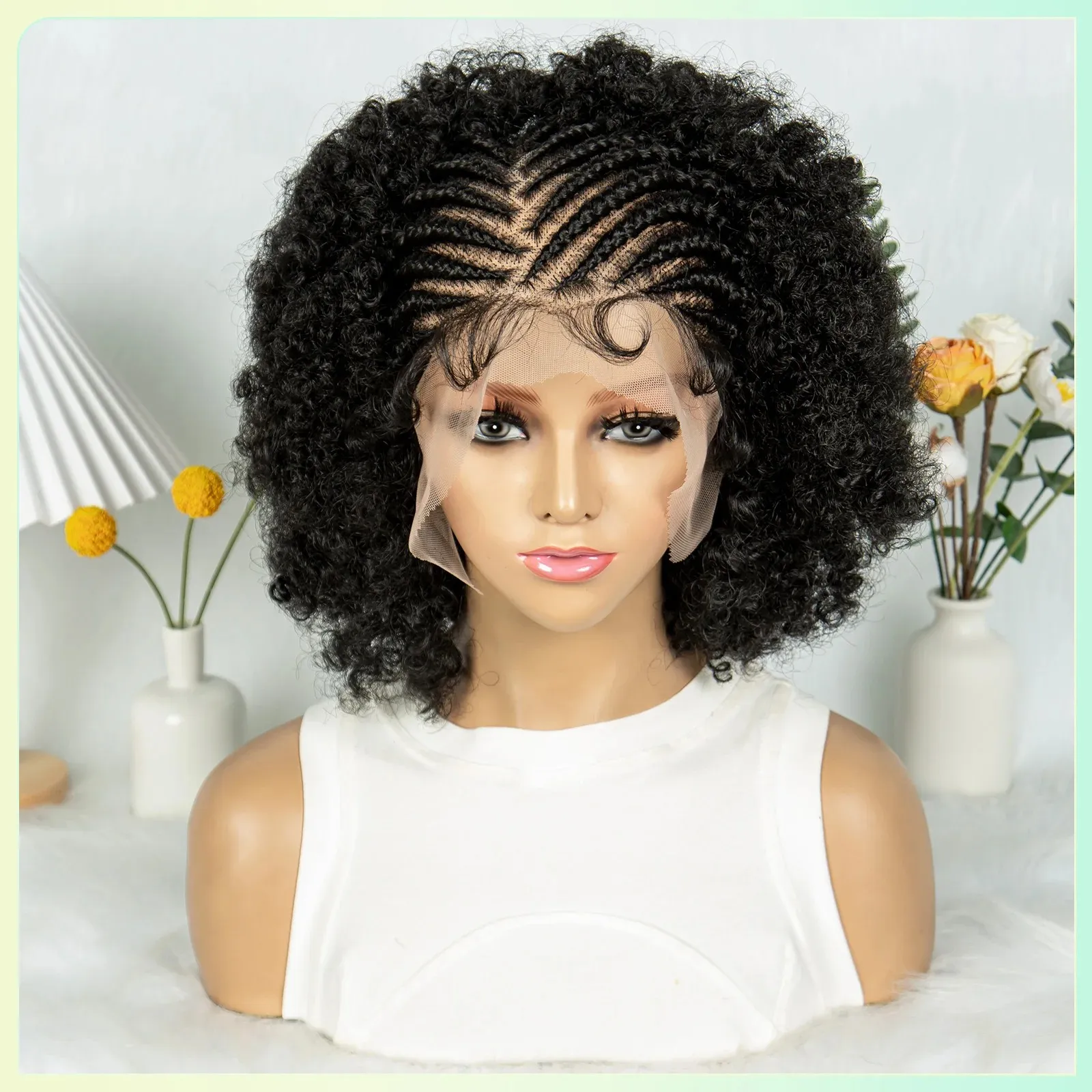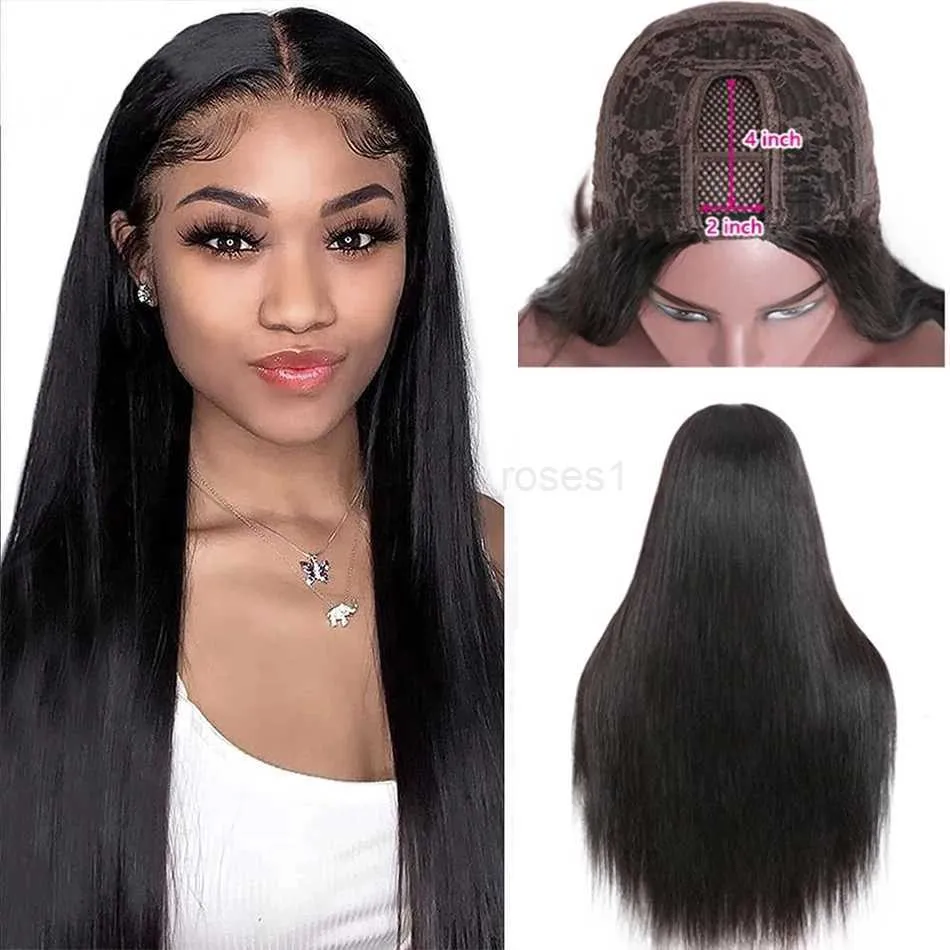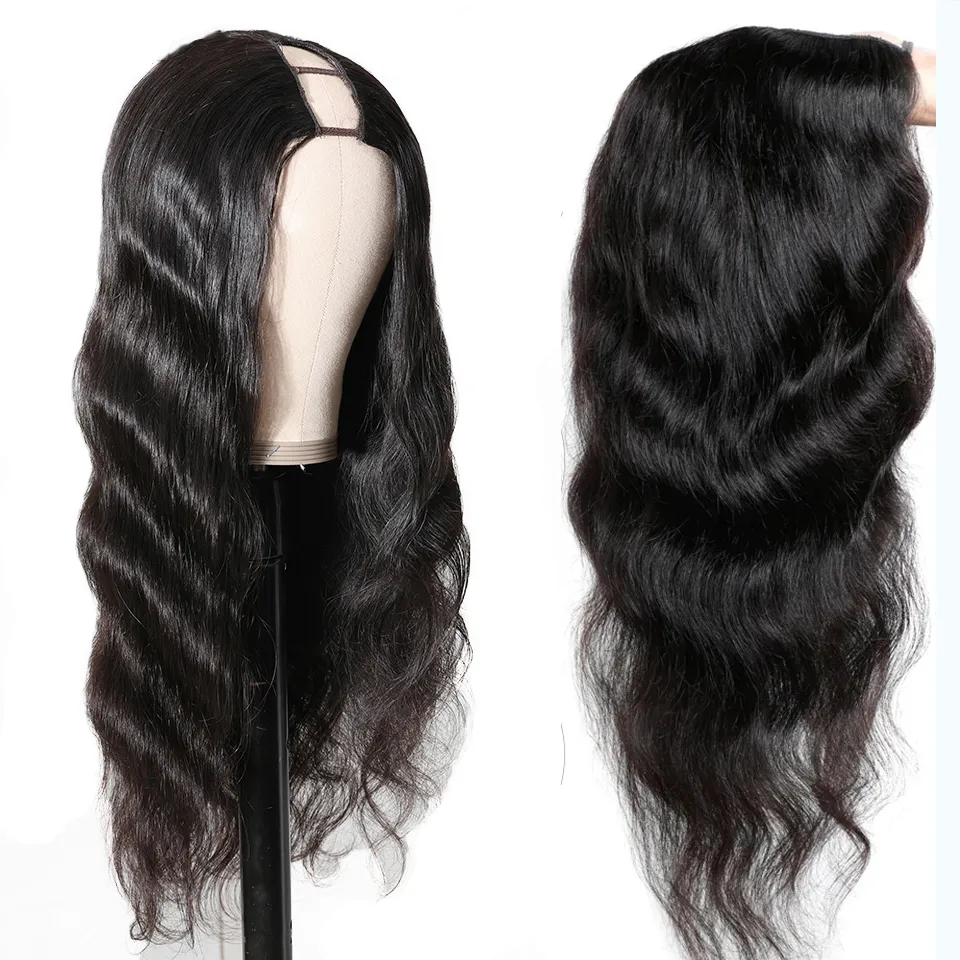


If your only experience with synthetic wigs is the shiny, plastic-looking pieces at the beauty supply store for $29.99, I need you to forget everything you think you know. The synthetic wig market has changed dramatically in the last five years. There are synthetic wigs now that you could wear to a wedding and have people compliment your "hair" without a second of suspicion. But you have to know what to look for — because the difference between a good synthetic wig and a bad one is mostly invisible in product photos.
Synthetic wig quality starts and ends with the fiber. All synthetic hair is plastic — specifically, modacrylic, polyester, or polyvinyl chloride blended and extruded into hair-like strands. But not all synthetic fiber is created equal. Here's the hierarchy:
Standard synthetic fiber: This is what you find in budget wigs under $40. The strands are uniform in thickness, overly shiny, and have a coarse, plastic-like feel. They tangle quickly, frizz at the ends after a few wears, and have a shelf life of maybe 2-3 months with regular use. You've seen these — they catch the light in that unmistakable "wiggy" way.
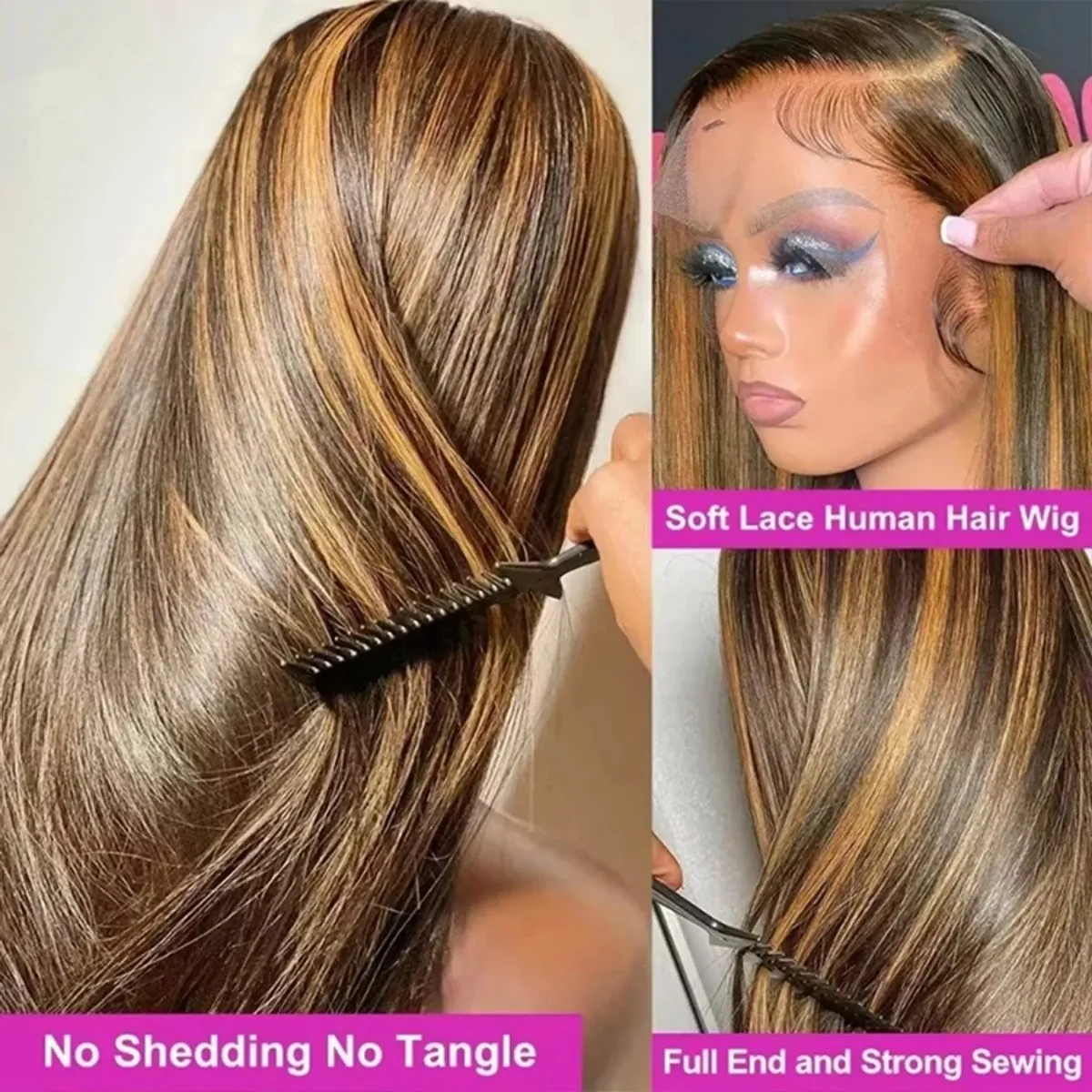
Premium / "silk" synthetic fiber: This is the mid-tier, found in wigs priced $50-120 from reputable brands. The fibers are thinner, softer to the touch, and engineered with a lower-shine finish that mimics the light absorption of human hair. They tangle less, hold their style longer, and feel significantly more natural against your skin. Brands like Bobbi Boss, Outre, and Sensationnel use variations of this fiber in their better lines.
Heat-friendly / heat-defiant synthetic fiber: This is the game-changer, priced $60-180. These fibers can withstand heat up to 320-350°F, which means you can use curling irons, flat irons, and blow dryers on them — carefully. The fiber is engineered to be more porous, allowing it to temporarily change shape with heat and lock into the new shape as it cools. The trade-off: heat-friendly fibers are slightly more prone to frizz over time than premium non-heat-friendly fibers, because each heat application slightly degrades the coating. But the styling flexibility is worth it for many wearers.
Kanekalon and Futura fibers: These are trademarked fiber technologies used by higher-end brands. Kanekalon (often used in braiding hair) has a softer, more matte finish. Futura fiber is heat-resistant up to 400°F and was developed specifically to address the heat-styling limitations of earlier synthetics. Wigs made with these fibers typically cost $100-250 and represent the upper tier of the synthetic market.
You can't see the cap in product photos, which is exactly why cheap wig sellers get away with cutting corners here. But the cap determines fit, comfort, scalp realism, and how the hair moves.
Basic cap (machine-wefted): Rows of hair are machine-sewn onto a fabric base. No lace. No parting flexibility. The crown area usually has teased fibers ("permatease") to hide the cap underneath. These feel hot on the scalp, limit styling to whatever direction the wefts run, and are the most likely to look wiggy. Found in wigs under $40.
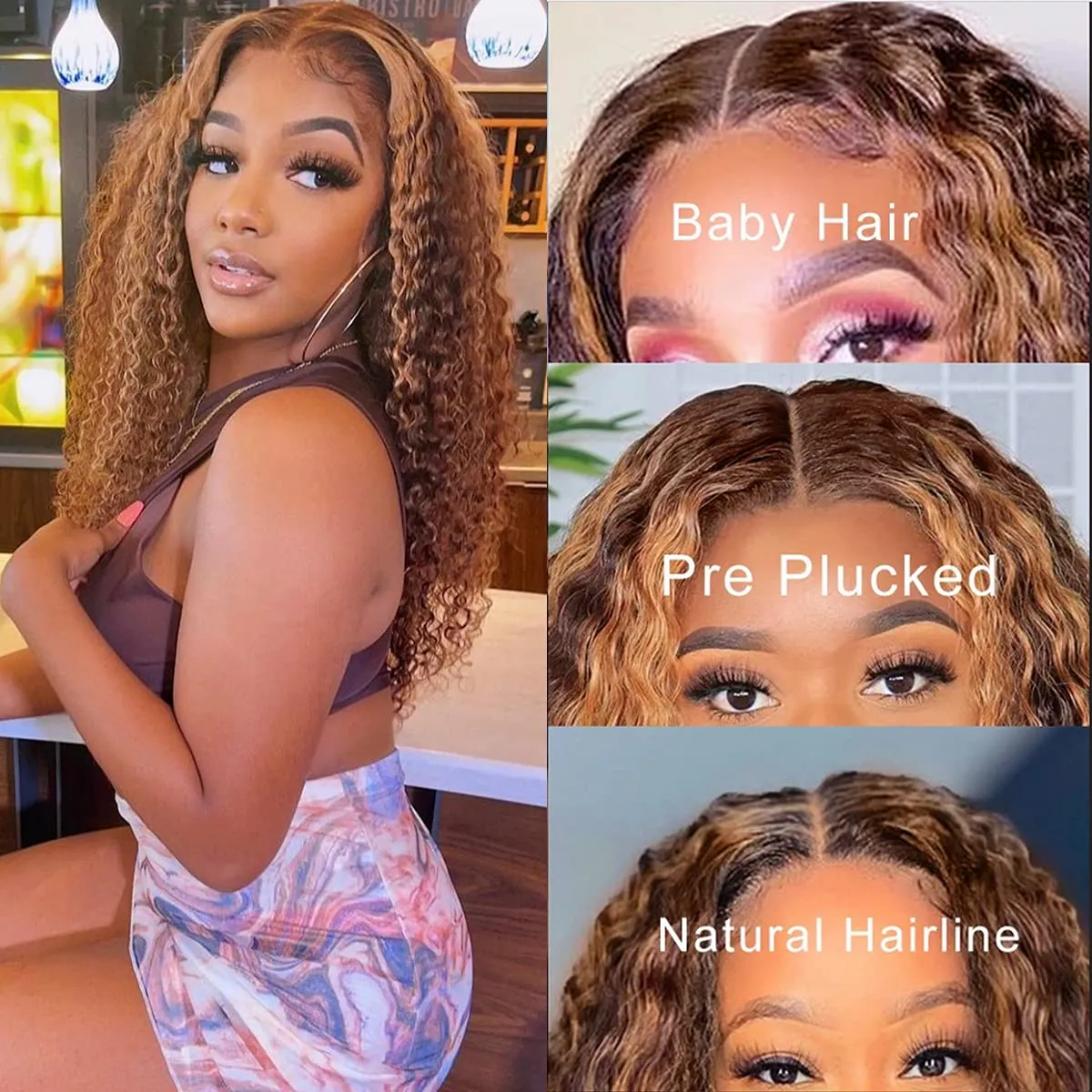
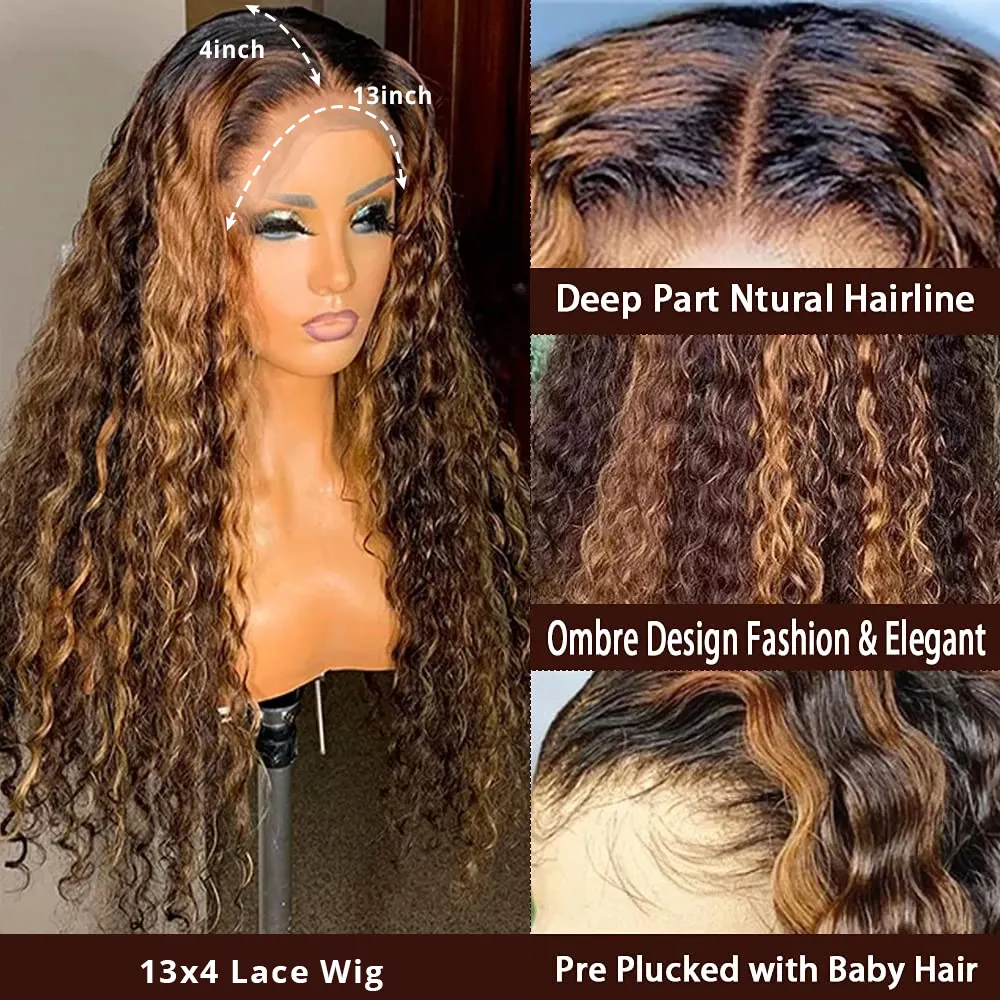
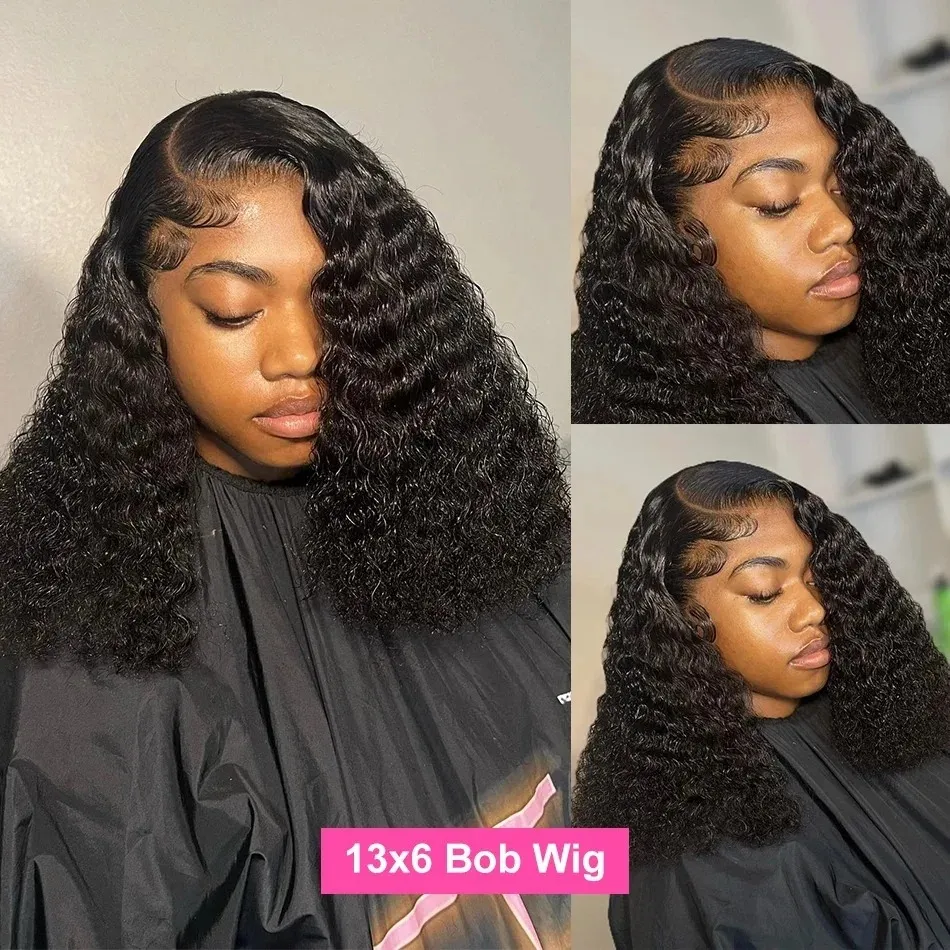
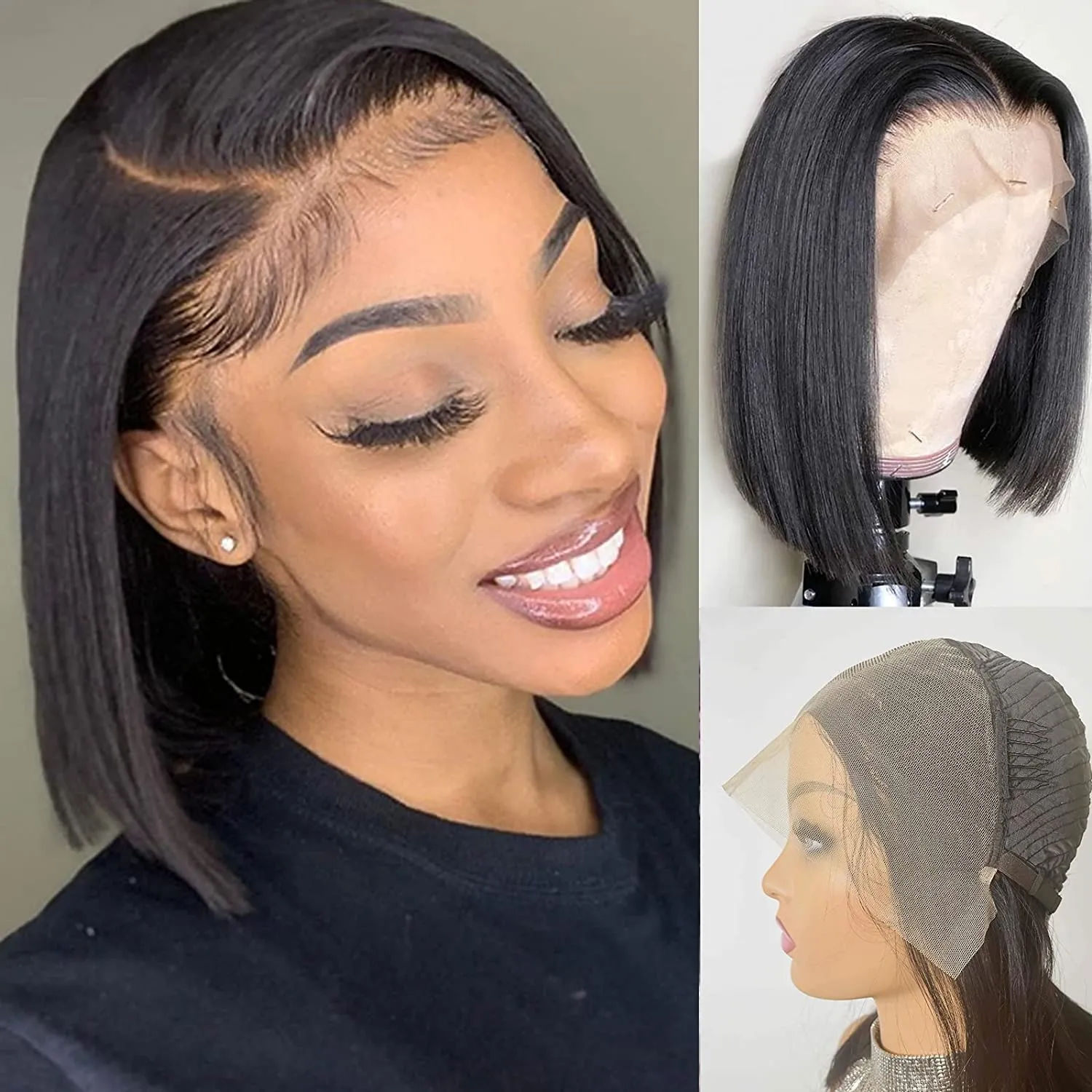
Lace front cap with machine-wefted back: The front hairline has a lace panel (usually 13x4 or 13x6 inches) where individual hairs are hand-tied, while the rest is machine-wefted. The lace gives you a realistic hairline and the ability to part the hair in the front section. The back won't allow updos but for everyday wear with the hair down, this is the sweet spot for value. Found in wigs $50-150.
Monofilament crown with lace front: The entire crown/top area is a fine mesh where individual hairs are hand-tied, allowing multi-directional parting and a realistic scalp appearance through the part. Combined with a lace front hairline, this is the most natural-looking construction at the mid-range. Found in wigs $100-250.
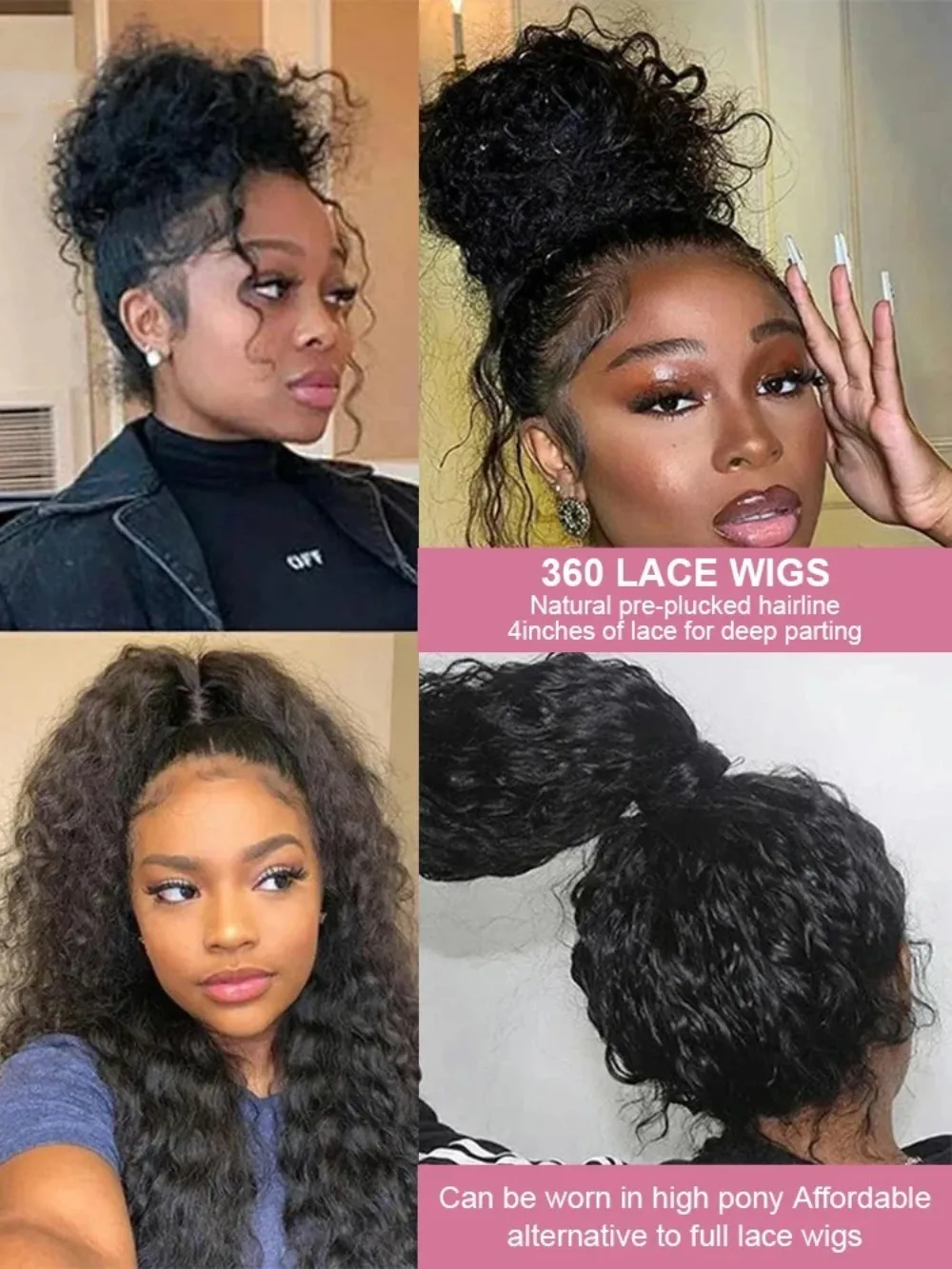
Full hand-tied / 360 lace: Every single hair is individually knotted into a full lace cap. This is the premium construction — breathable, completely natural-looking from every angle, and allowing total styling freedom including high ponytails and updos. In synthetic wigs, this construction pushes the price to $200-400+. At this price point, you're approaching the cost of entry-level human hair wigs, so the choice between premium synthetic and budget human hair becomes a legitimate question of priorities rather than budget alone.
Lace quality is the single most visible differentiator between a good synthetic wig and a great one. Regular lace has a slight opacity and a grid-like texture that's visible up close, especially against darker skin tones. HD (high-definition) lace is thinner, more transparent, and virtually disappears against any skin tone when properly applied. It also melts better — meaning it conforms to your skin more seamlessly when adhesive is applied.
HD lace adds $20-50 to the price of a wig, and it's worth every cent if you're going to wear the wig with the hair pulled back from your face. If you always wear your hair down and nobody's going to see your hairline, regular lace is fine. But for a truly undetectable look, HD lace is where the magic happens.
We carry synthetic wigs from the value sweet spot upward — because we believe everyone deserves a wig that doesn't look like a wig. No $29.99 plastic pieces here. Just quality synthetic fiber in styles that move, shine, and fall like the real thing.