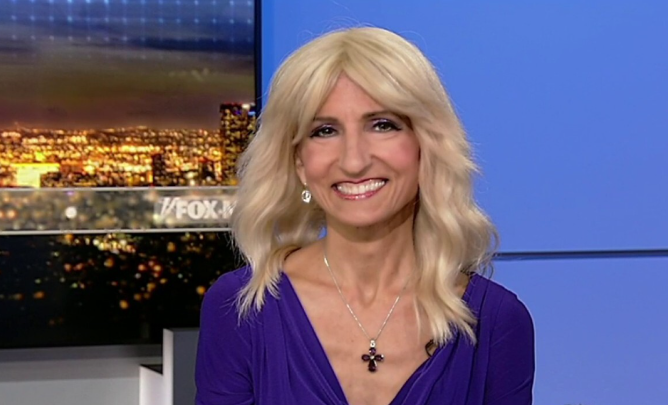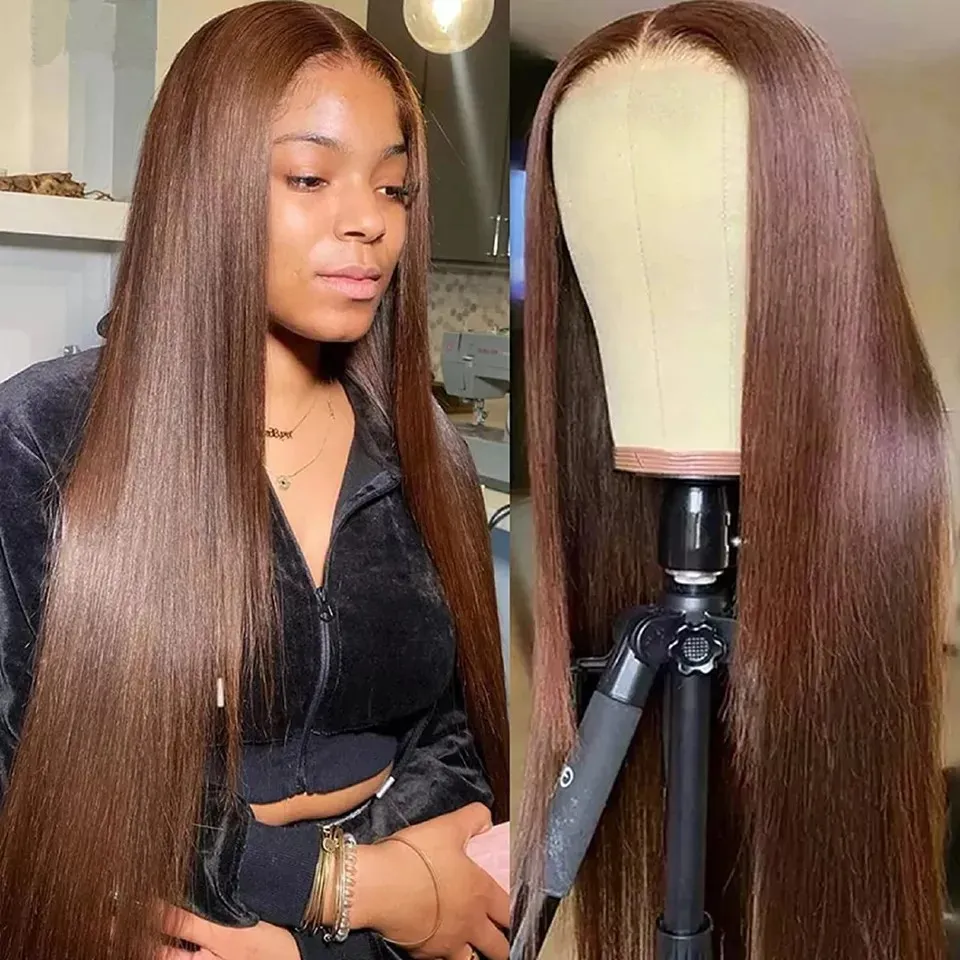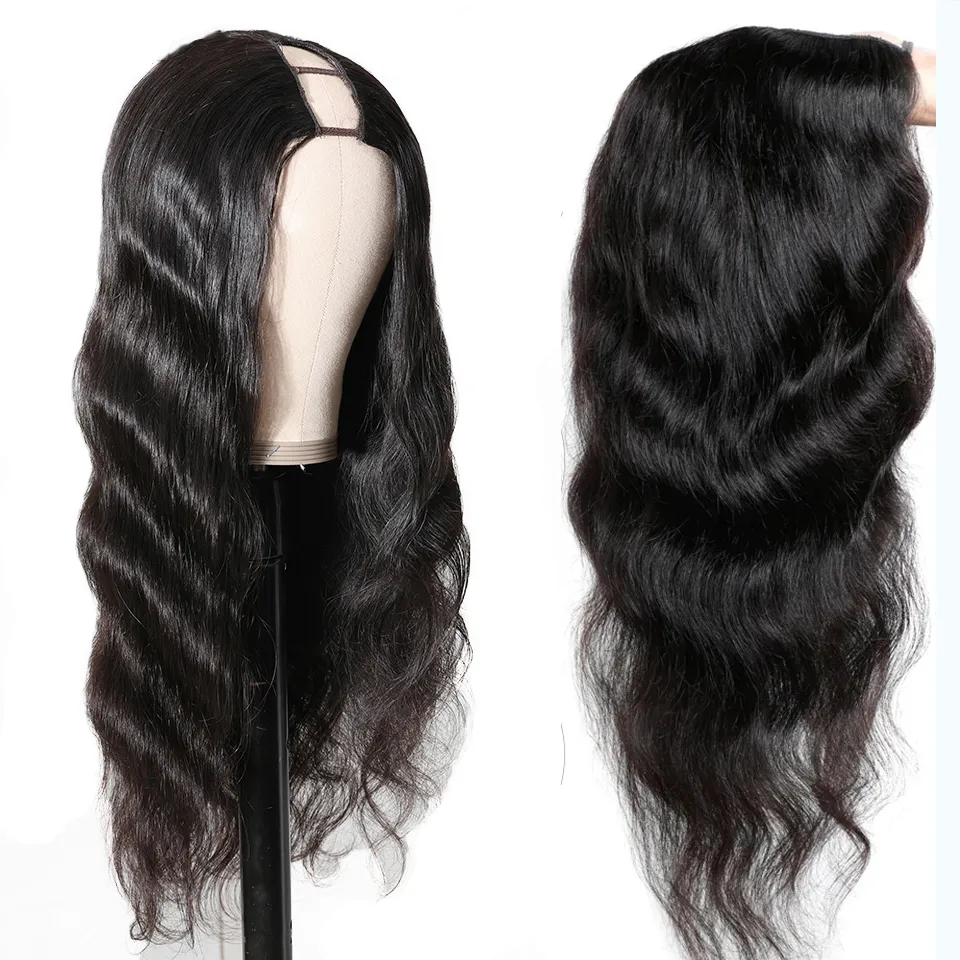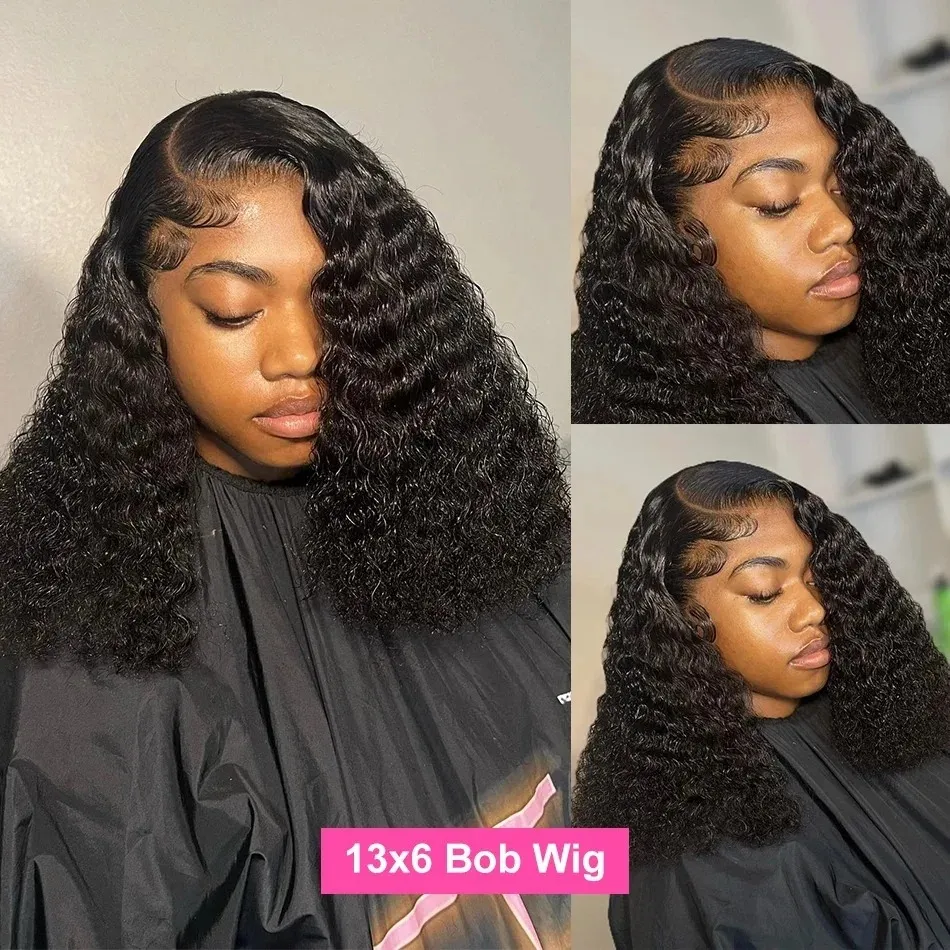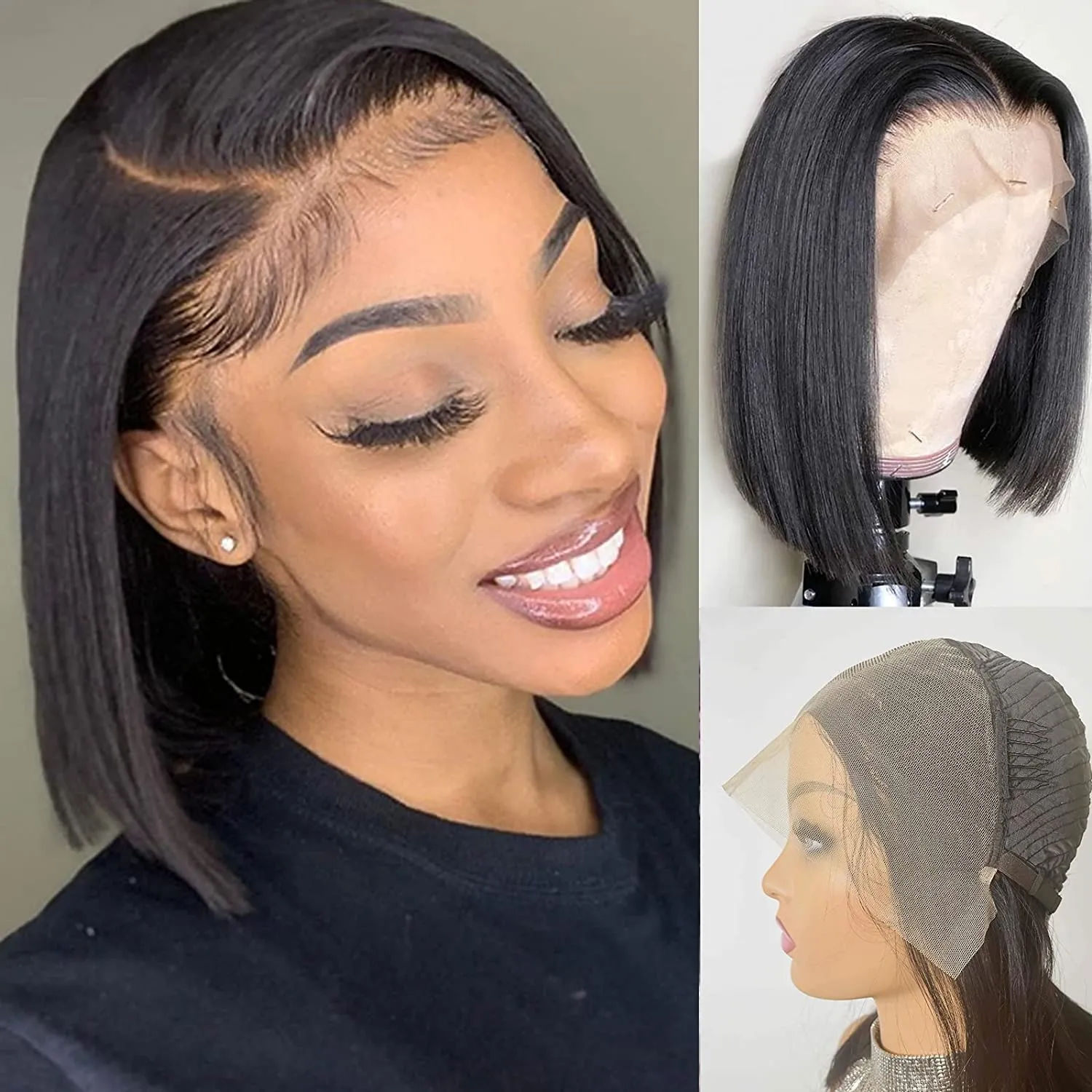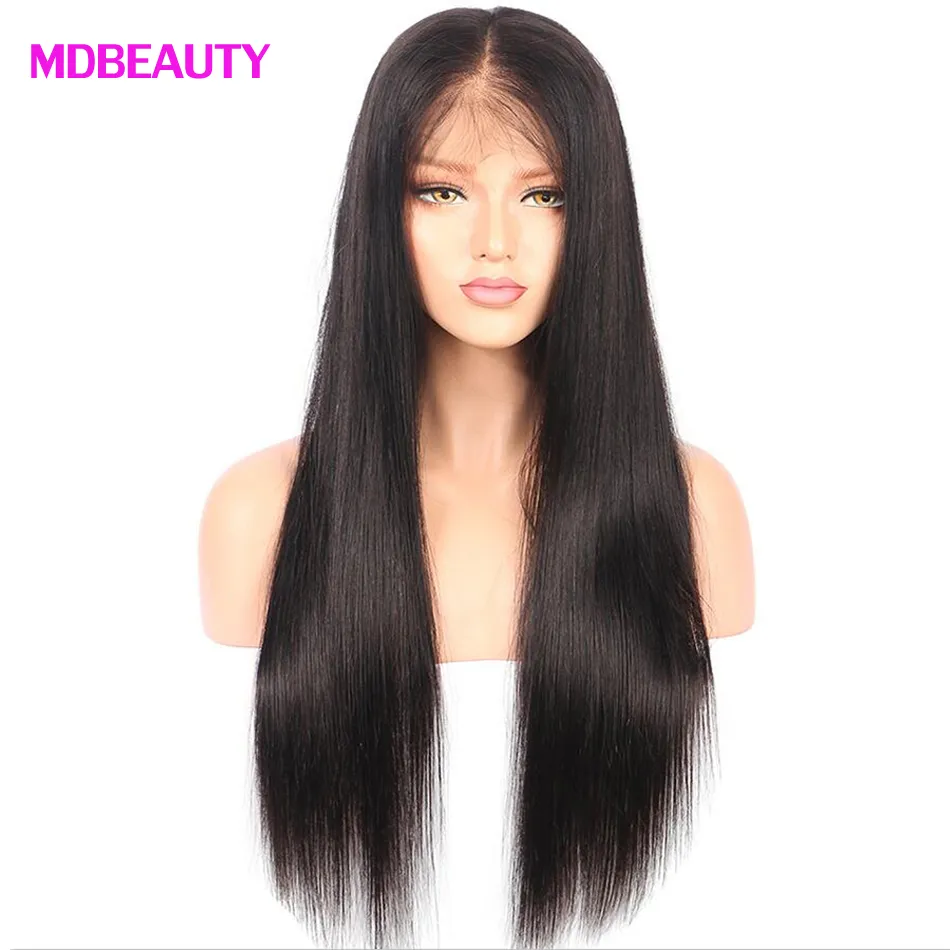





Molly Jong-Fast has never publicly confirmed or denied wearing a wig. She's never addressed the speculation at all. What we can observe: her hair consistently appears shoulder-length, blonde with highlights, smooth and full at the roots, and styled to perfection in every public appearance. Some observers point to this consistency as evidence of a wig. Others point to it as evidence of a woman who simply maintains her hair — regular blowouts, good color work, keratin treatments, a stylist she trusts.
Both are possible. Neither changes anything about the quality of her work.
Jong-Fast is not a pop star. She's not an actress. She's a political commentator — a job where appearance theoretically shouldn't matter at all. But women in media, especially on television, face a double standard that male commentators almost never deal with. A man can show up to a cable news segment with thinning hair, gray hair, or the same suit he's worn for fifteen years, and nobody mentions it. A woman whose hair looks too perfect gets the wig question. A woman whose hair looks less than perfect gets the "she looks tired" commentary. There is no winning.
The speculation about Jong-Fast's hair isn't really about her hair. It's about the way we process women in public life — the need to categorize, to determine what's "real" and what's "fake," to find the seam between the public presentation and the private person. It's the same impulse that drives tabloid coverage of celebrity bodies, and it's exhausting for the women on the receiving end.
A childhood photo of Molly Jong-Fast shows her natural hair color as brunette with subtle blonde tones — similar to her mother Erica Jong's coloring. The blonde she wears now is almost certainly achieved through professional coloring. Whether she also uses extensions, toppers, or occasionally a full wig for convenience is information she hasn't shared, and she doesn't owe anyone that information.
The most reasonable assessment from hair professionals who've commented publicly: Jong-Fast likely uses a combination of high-quality color work, regular professional styling, and possibly strategic pieces for volume on camera. This is standard practice for women in television. It's not deception. It's production value — the same way male anchors wear makeup on camera without anyone accusing them of hiding their real face.
Molly Jong-Fast's work — her writing, her commentary, her interviews — is what matters. The hair is window dressing. But the fact that this question gets asked about her at all is a reminder of how much bandwidth women spend thinking about, maintaining, and defending their appearance — bandwidth that men in similar positions simply don't have to spend.
If you're a woman reading this and you've ever felt self-conscious about whether people can tell you're wearing a wig: the people whose opinions matter don't care. And the people who care enough to ask probably aren't asking about you — they're working through their own assumptions about authenticity, femininity, and what a woman "should" look like. That's their problem, not yours.
Your hair is your business. But when you want it to look exactly the way you want it to look — for a TV appearance, a job interview, or just a regular Tuesday — we're here to help.