





Let's be clear about the most important part: Reba McEntire is a natural redhead. That copper-red color that's become her trademark? It grew out of her scalp. She's posted throwback photos on Instagram for World Redhead Day, showing her natural curls as a young woman, and the color is unmistakably authentic. She was born with red hair, she still has red hair, and when you see her without wigs or pieces — which she has shown publicly multiple times — that red is the real thing.
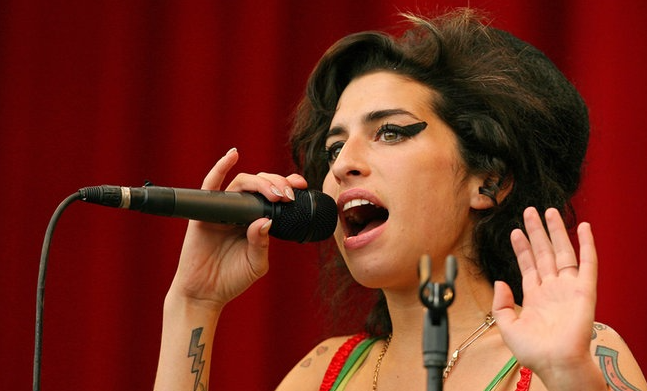
But being a natural redhead and wearing wigs are not mutually exclusive. Reba has been photographed wearing wigs on stage and at award shows for years. The 2024 Academy of Country Music Awards is one of the more recent examples where hair-watchers spotted a wig. And she's been open about this in her own way — not by issuing a formal statement about her relationship with hairpieces, but by simply living her life and letting fans see her both with and without them.
This is the part that people who don't perform for a living often don't understand: stage hair and real-life hair serve completely different functions. Under hot lights, after two hours of moving around, real hair — even gorgeous, thick, naturally curly red hair — doesn't hold the same shape it had at the start of the show. It gets flat. It gets frizzy. It stops catching the light the way it's supposed to.
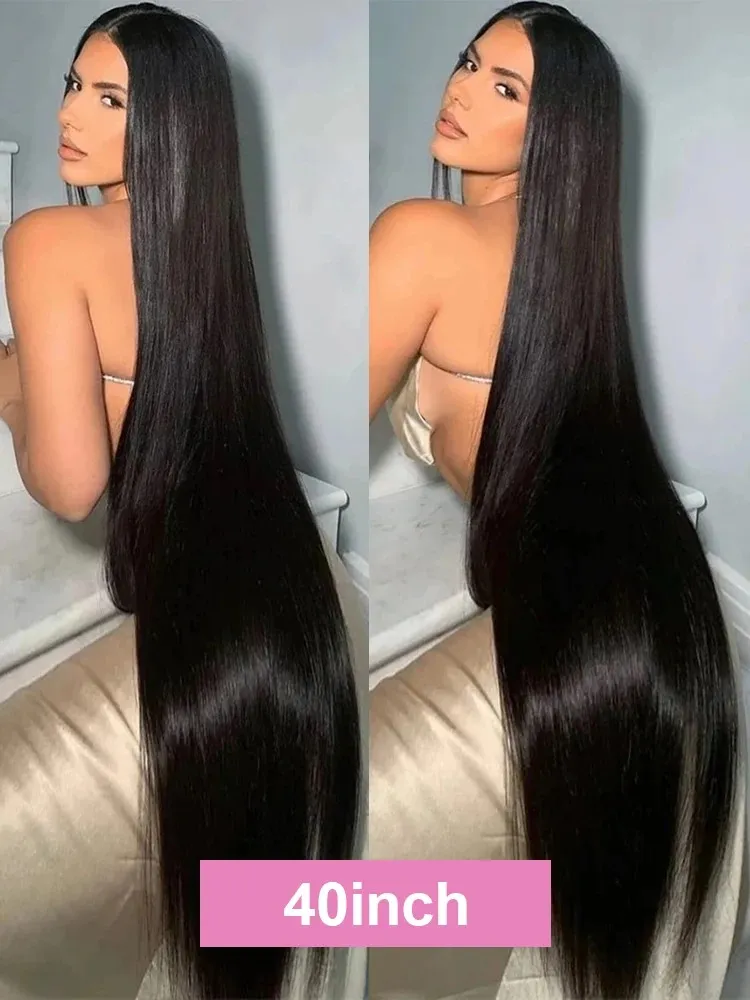
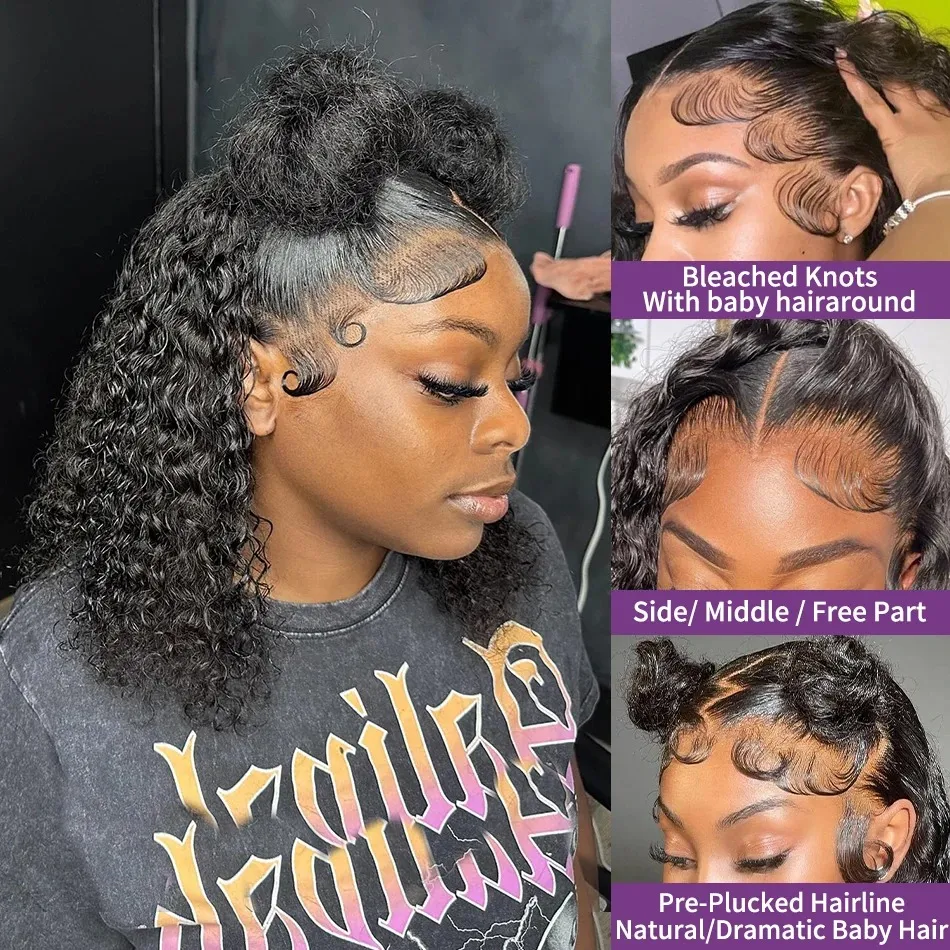
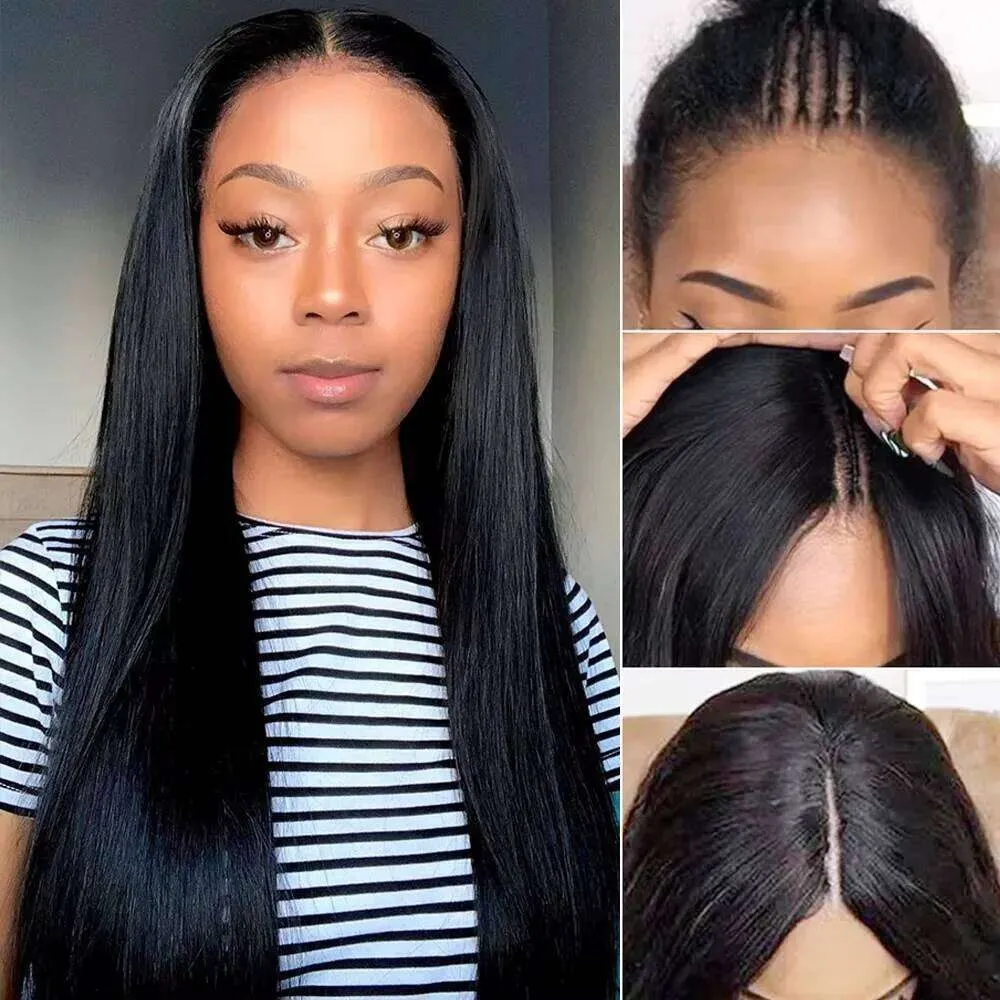
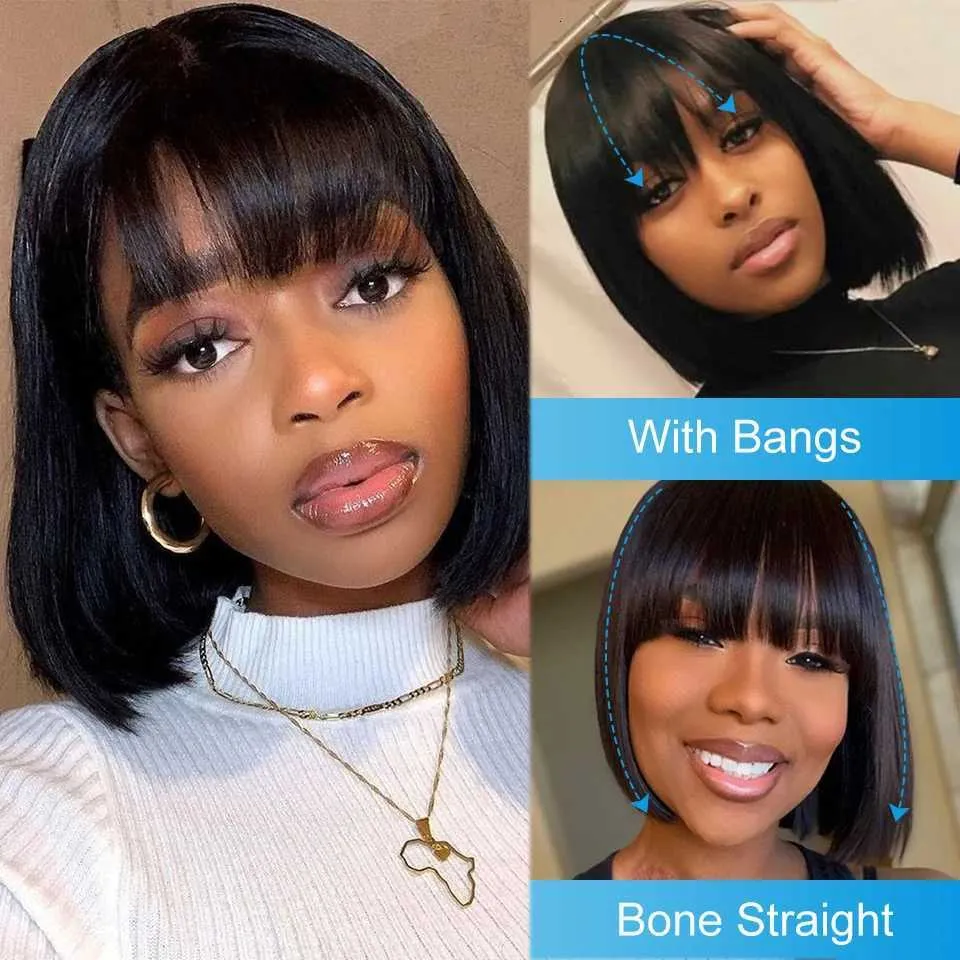
Wigs solve this. A well-made wig arrives on stage looking exactly the way it looked in the dressing room. It doesn't react to humidity. It doesn't lose volume after the third song. It's a tool — and for a performer at Reba's level, it's an essential one. Most hair professionals who've commented on Reba's look agree that she likely uses wigs, pieces, or extensions strategically for performances and television appearances while wearing her natural hair in her daily life.
Reba's natural hair has been documented across decades. At the 1987 CMT Awards, she performed with thick, rounded curls that were unmistakably her own. At the 1991 Oscars, she wore voluminous natural hair with soft fringe. At the 1992 People's Choice Awards, her hair was teased high in the early-90s style — all natural texture, all her own color, no wig involved.
In her book "Not That Fancy: Simple Lessons on Living, Loving, Eating, and Dusting Off Your Boots," Reba shared her real-life hair routine: blow dryer, hot rollers, then "pick out curls and tease to desired height and fullness." That's not a wig routine. That's a woman who knows her own hair and has spent decades learning exactly how to make it do what she wants.
She's also talked about the one hair mistake she regrets: getting a perm in the early 1980s on top of her already-naturally-curly hair. "It looked angry," she told Glamour. Anyone with curly hair who's ever made that mistake knows exactly what she means.
Reba McEntire's approach to hair — wigs when she wants them, natural hair when she doesn't, no apologies either way — is quietly radical. She's never felt the need to issue a statement "admitting" to wig use, because she's never pretended she doesn't use them. She just... uses them, when it makes sense, and doesn't when it doesn't.
That's the model. You don't have to be "a wig wearer" or "not a wig wearer." You can be a woman who owns a wig — or several — and wears them when you feel like it and doesn't when you don't. The wig is a tool in your styling arsenal, not an identity you have to claim or deny. Reba understood this decades ago, and the rest of us are still catching up.
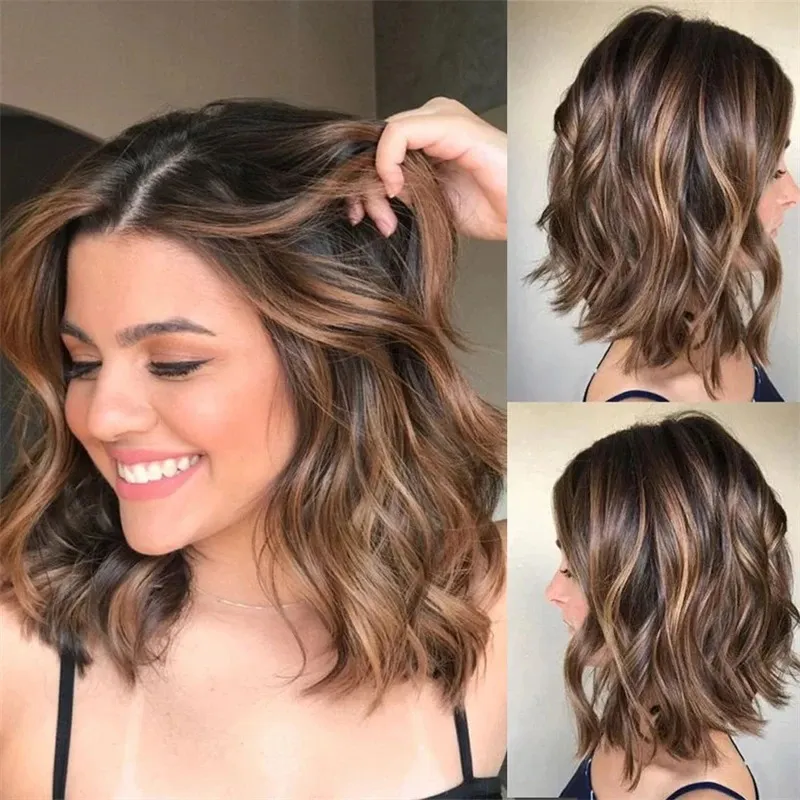
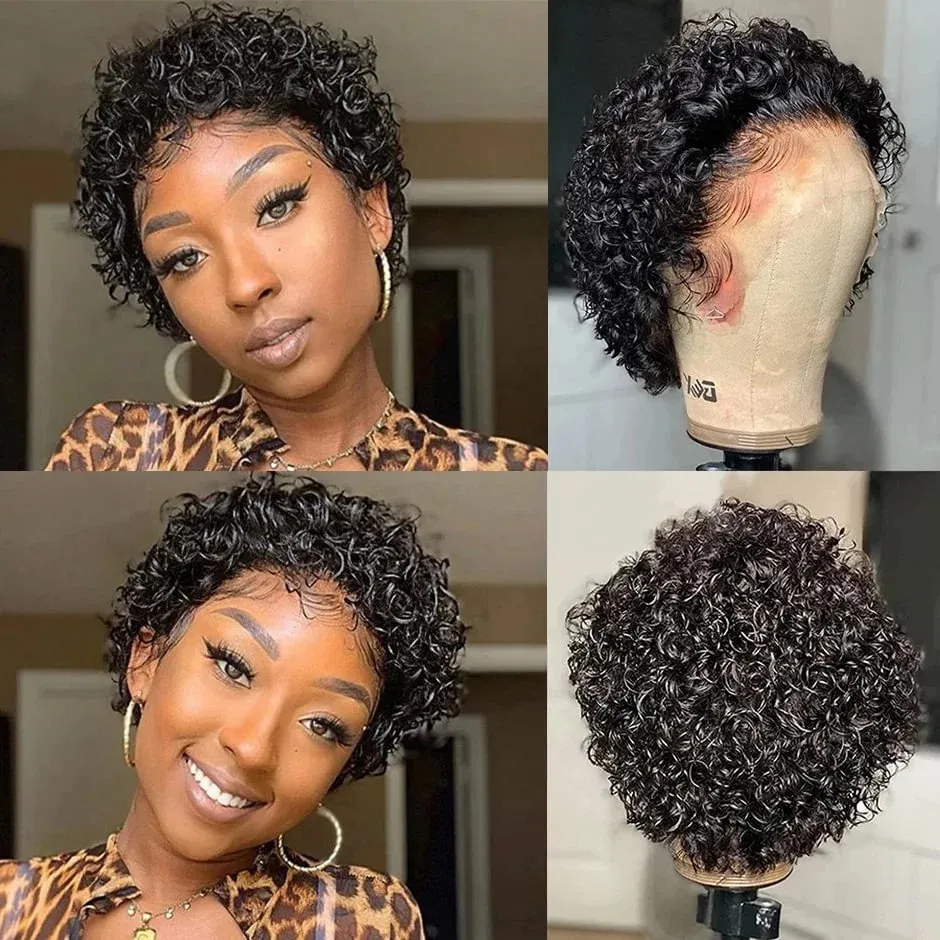
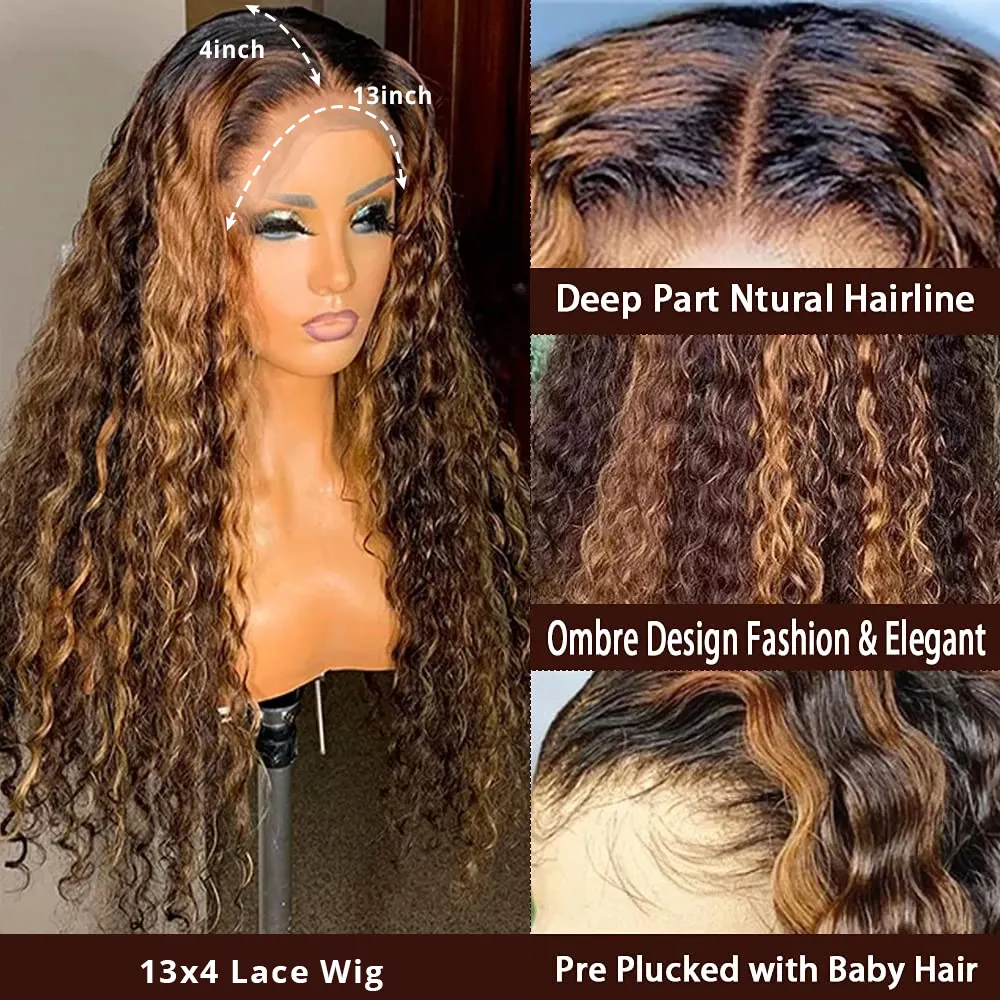
Looking for a wig that gives you that "could be my real hair" confidence? We've got reds, blondes, brunettes, and everything in between — all priced for real women, not just country music royalty.