





Elton John began losing his hair in the early 1970s, right as his career was exploding. He was in his early twenties, debuting in America, and simultaneously dealing with the early stages of male pattern baldness. His response was practical: he started wearing elaborate hats on stage. The oversized glasses and flamboyant headwear that became his trademark weren't just fashion — they were functional. They covered a receding hairline that made him deeply self-conscious.
By the late 1970s, the hair loss had progressed significantly. Photos from this era show a man whose hairline had retreated to the classic M-shape of someone at Norwood Stage 3 or 4 on the baldness scale. He was in his late twenties and already losing the battle with genetics.
Elton underwent at least two hair transplant procedures in the late 1970s and early 1980s, using the older FUT (follicular unit transplantation) method. This was the era of "hair plugs" — the technique where strips of scalp were removed from the back of the head and transplanted to the front. The results were often unnatural-looking, with visible scarring and patchy growth. Elton's transplants failed. In his autobiography, he described the results as disappointing and admitted the procedures didn't give him what he wanted.
The failure wasn't necessarily the surgeons' fault — though the technology was primitive compared to today's FUE methods. Elton's lifestyle at the time worked against any surgical intervention. He was using drugs heavily, drinking excessively, and living with the kind of stress that comes with being one of the most famous people on earth. Hair transplants need a healthy body to heal properly, and Elton's body in the late '70s and early '80s was fighting other battles.
After getting sober in 1990, Elton turned to wigs. His first attempts were... not great. When he performed with Freddie Mercury at Wembley, a reviewer wrote that his wig looked like "a dead squirrel on his head." Elton quoted that review himself in a BBC interview decades later, adding with characteristic self-deprecation: "Looking back at it, it did look like a dead squirrel — more like a dead mole."
He also told a story about waking up in an Atlanta hotel room to what he thought was a burglar. He ran into the hallway, realized he wasn't wearing his hair, ran back to grab it, put it on, and discovered the "burglar" was two maintenance men fixing a leak. He'd put the wig on backward. These are the kinds of stories you only tell when you're genuinely comfortable with the reality of wearing a hairpiece — and Elton tells them freely.
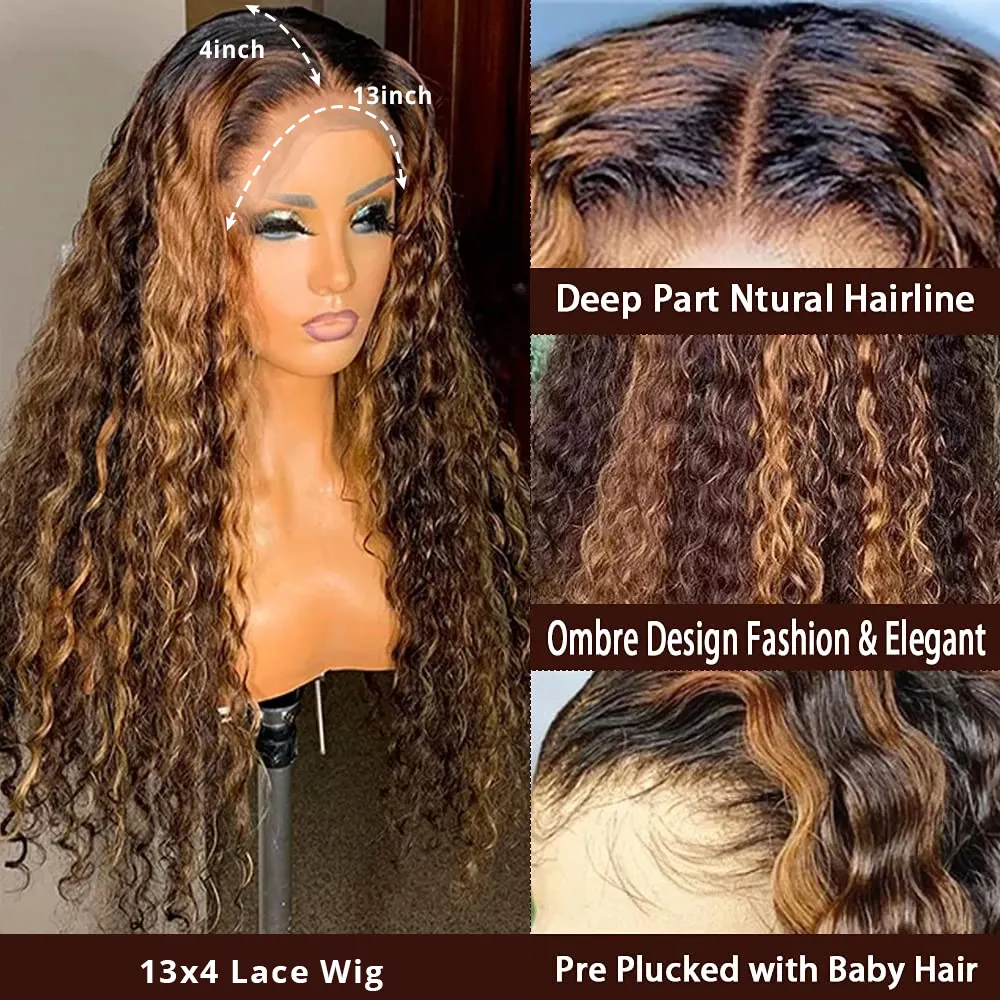
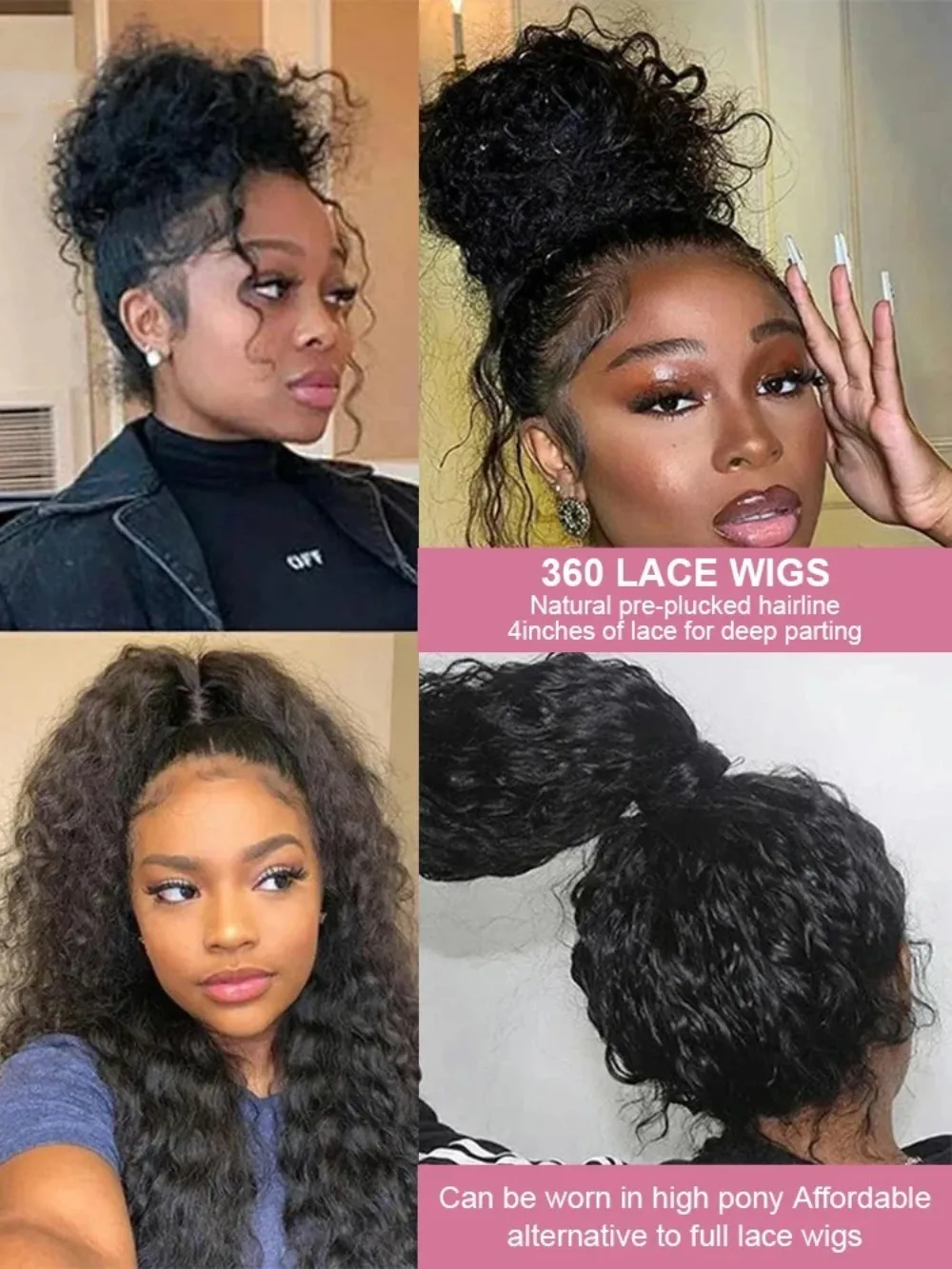
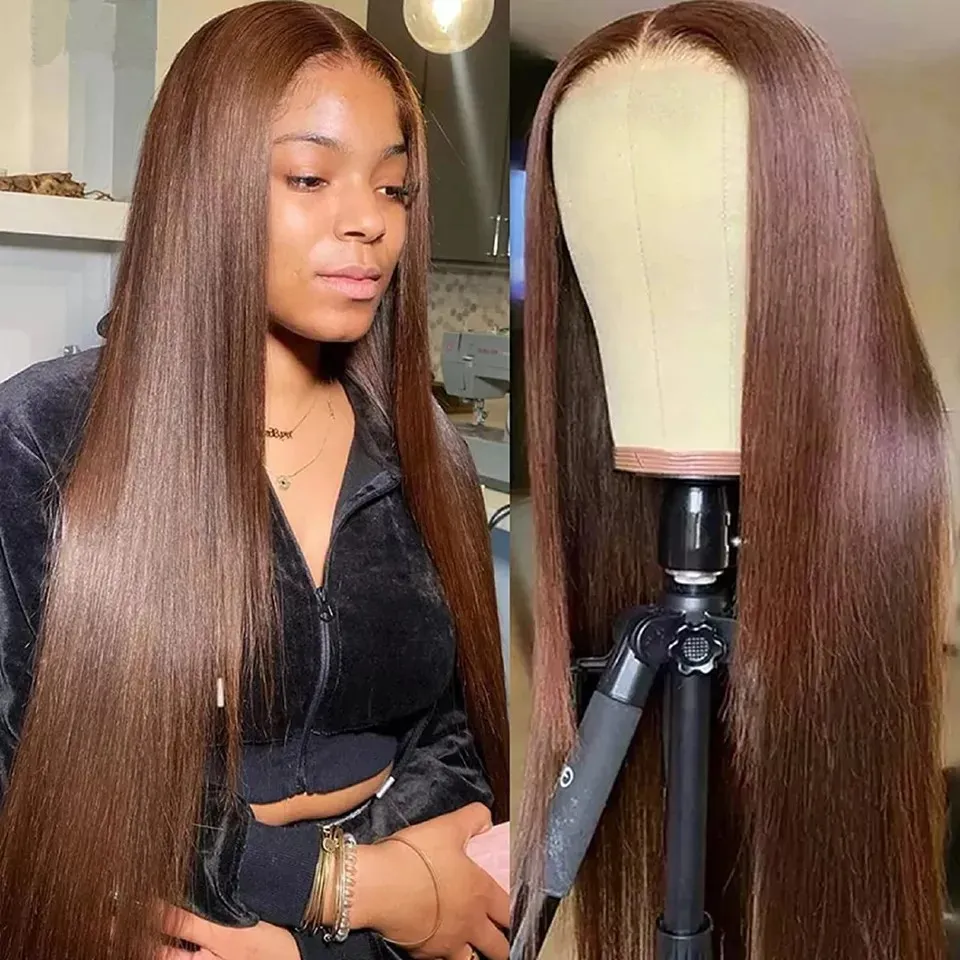
Today, Elton John wears custom-made wigs created by the same wig-makers who supply Hollywood films. These are hand-tied, ventilated lace pieces that cost thousands of dollars and look completely natural. The dead squirrel era is long behind him. His current wigs are auburn or light brown, styled in the shaggy rock-star cut he's worn for decades, and indistinguishable from natural hair to anyone who isn't specifically looking.
He's said that media interest in his hair died down once he started wearing a consistent, natural-looking piece. The speculation fed on inconsistency — when his hair looked different every time he appeared in public, people noticed. When it settled into a stable, believable look, the conversation moved on. There's a lesson in that for anyone considering a hair system: consistency and quality matter more than anything else.
Elton John is worth an estimated $550 million. He's been knighted. He's sold over 300 million records. He could afford literally any hair solution on earth, and he chose wigs — and more importantly, he chose to be honest about choosing wigs. For men who are dealing with hair loss and feeling like a hair system is somehow shameful or embarrassing, Elton John is the counterexample. If Sir Elton Hercules John can tell the world he wears a toupee, the rest of us can probably relax about it.
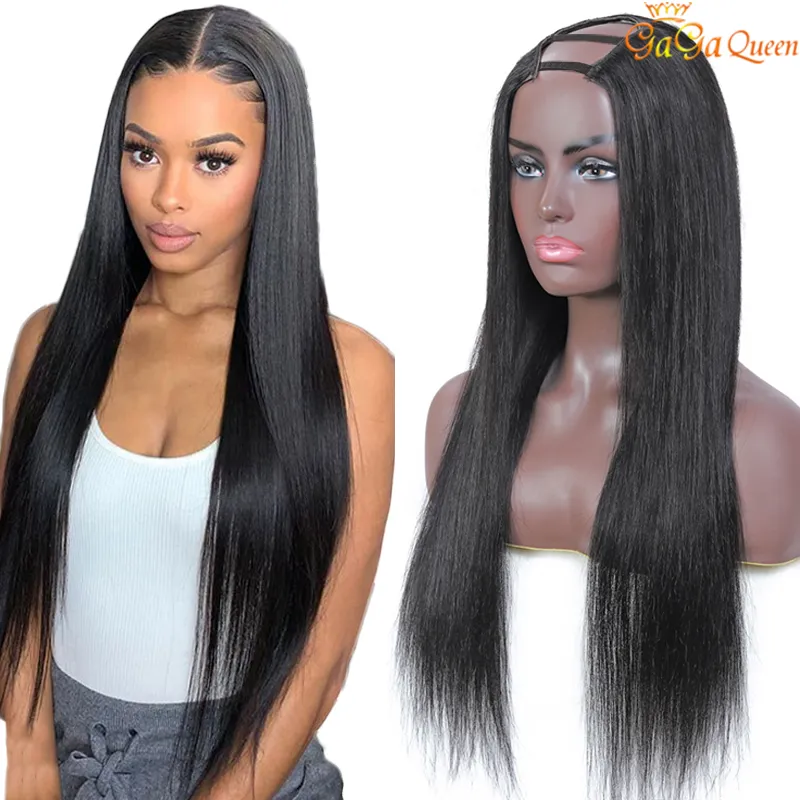
While our wigs are designed for women, we believe the principle is universal: hair is personal, solutions are normal, and nobody should feel like they have to hide what's on their head.