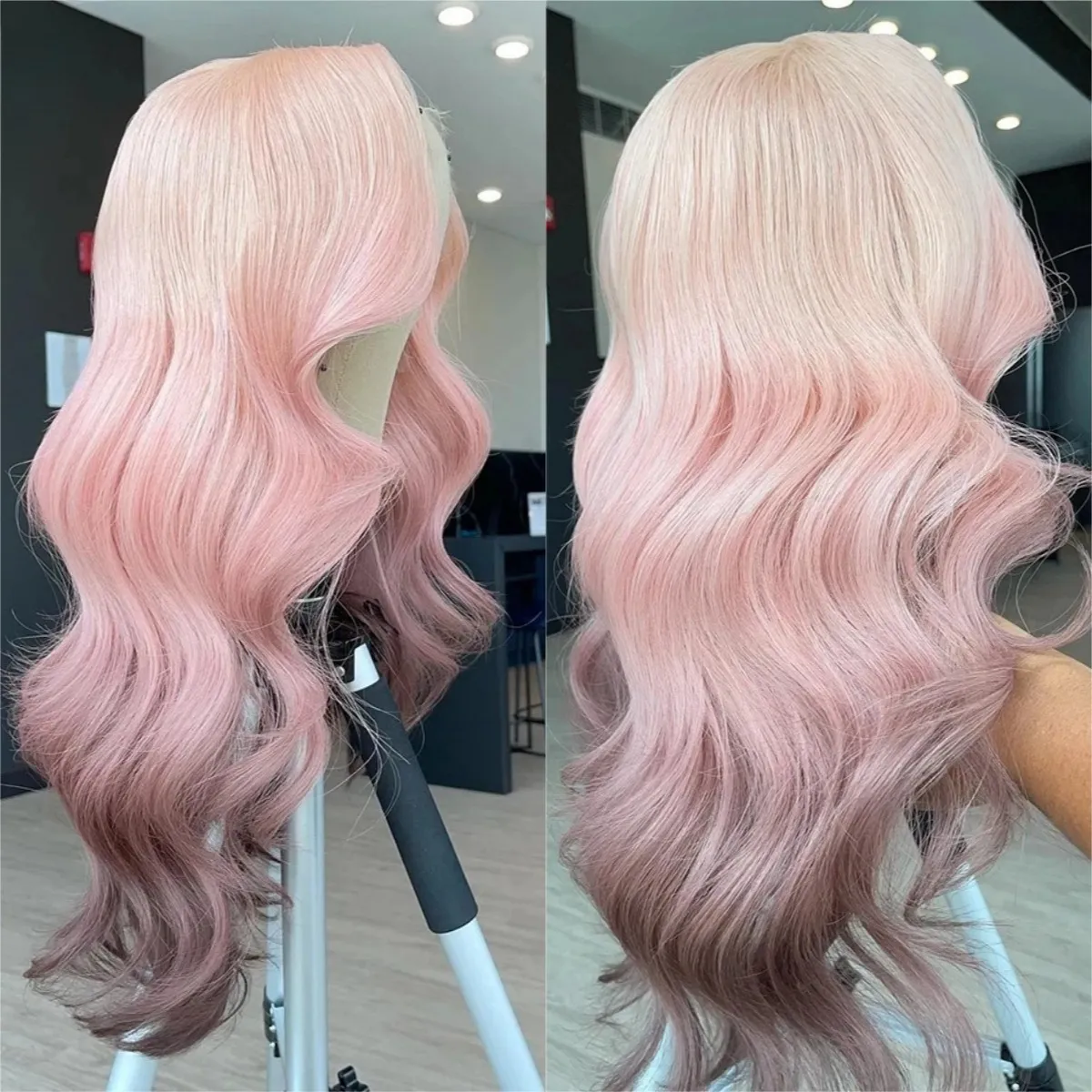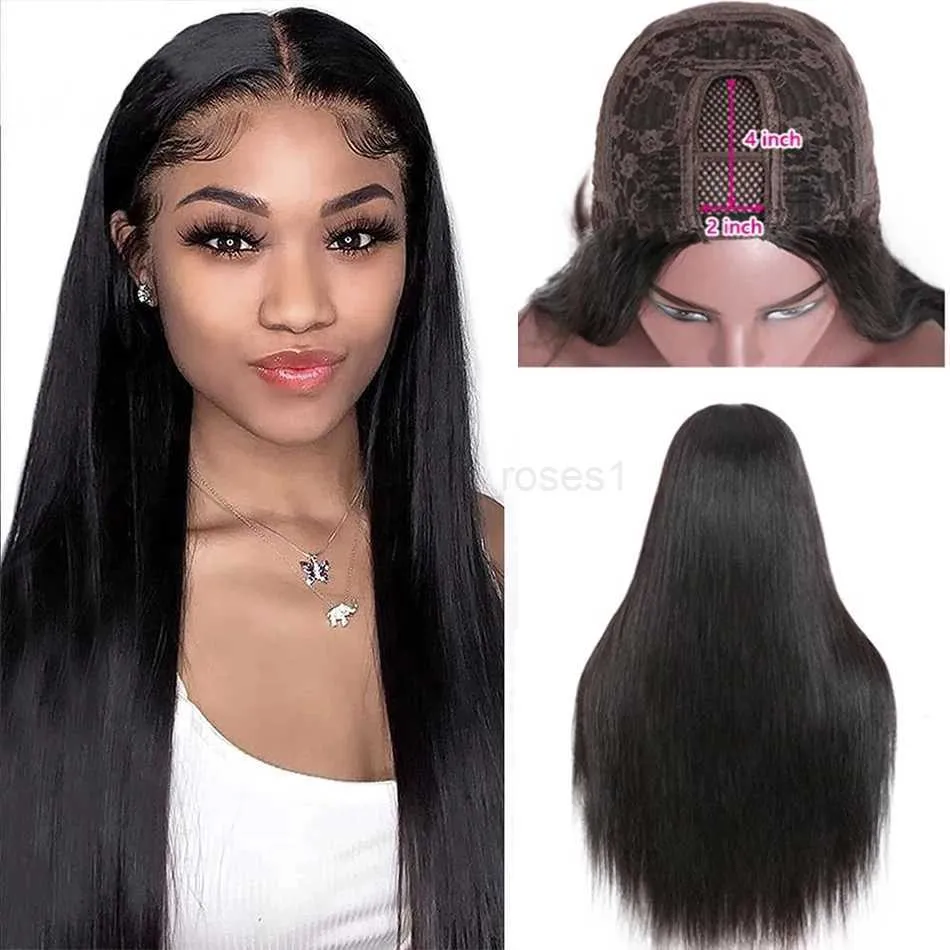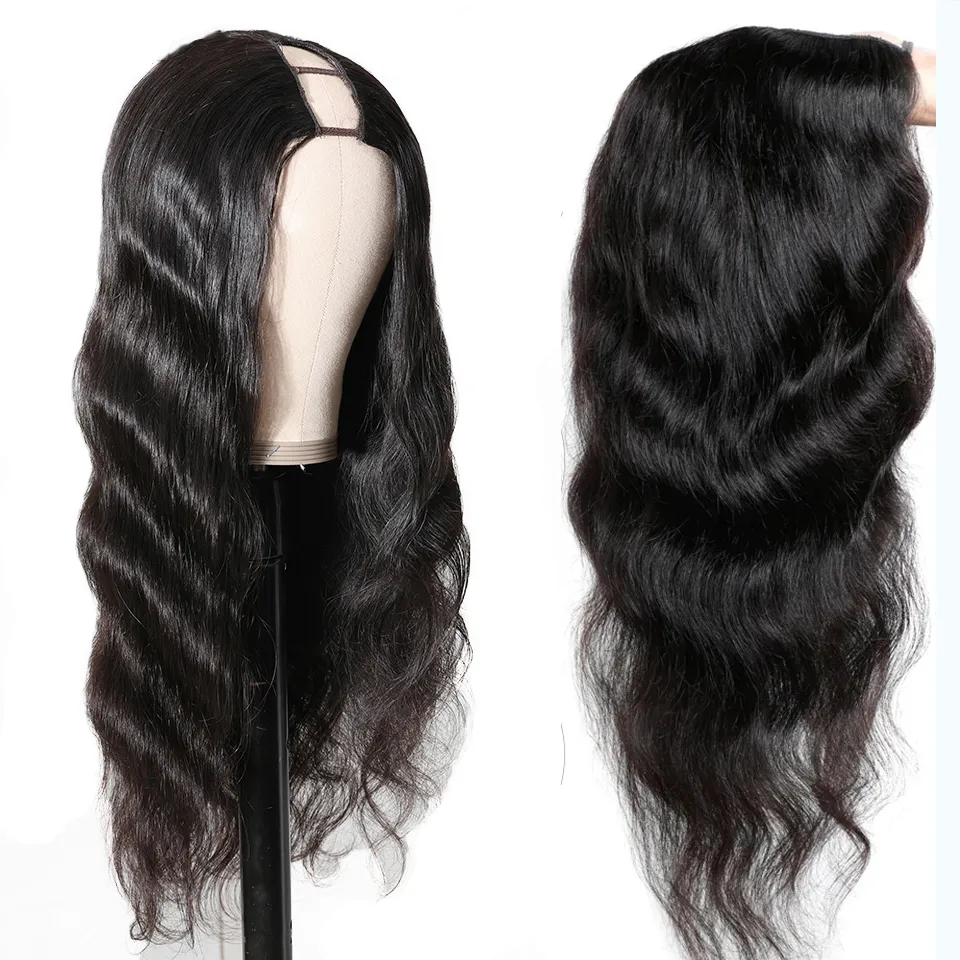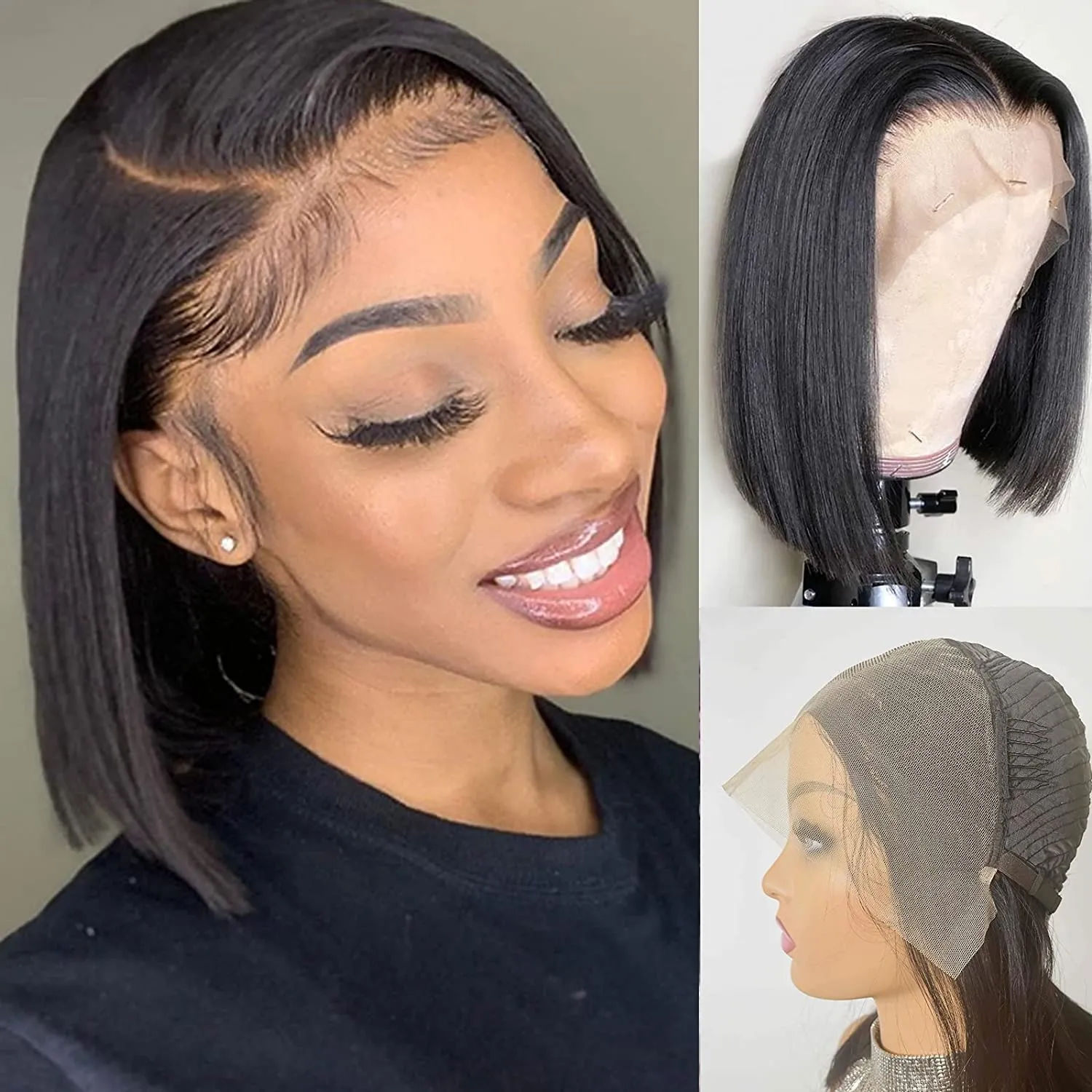





The global wig market is projected to reach over $13 billion by 2030. That's not medical wigs. That's not theatrical wigs. That's everyday women buying wigs for everyday wear. The growth is driven by several factors that aren't going away: social media visibility (wig tutorials are some of the most-watched beauty content on YouTube and TikTok), improvements in technology (modern lace fronts are genuinely undetectable), and a cultural shift toward treating hair as an accessory rather than an identity.
Younger consumers — Gen Z and younger Millennials — are driving the fastest growth. These are women who grew up watching their favorite influencers switch hair colors and styles multiple times per week. To them, a wig isn't a secret or a medical device. It's an option, like choosing which shoes to wear.
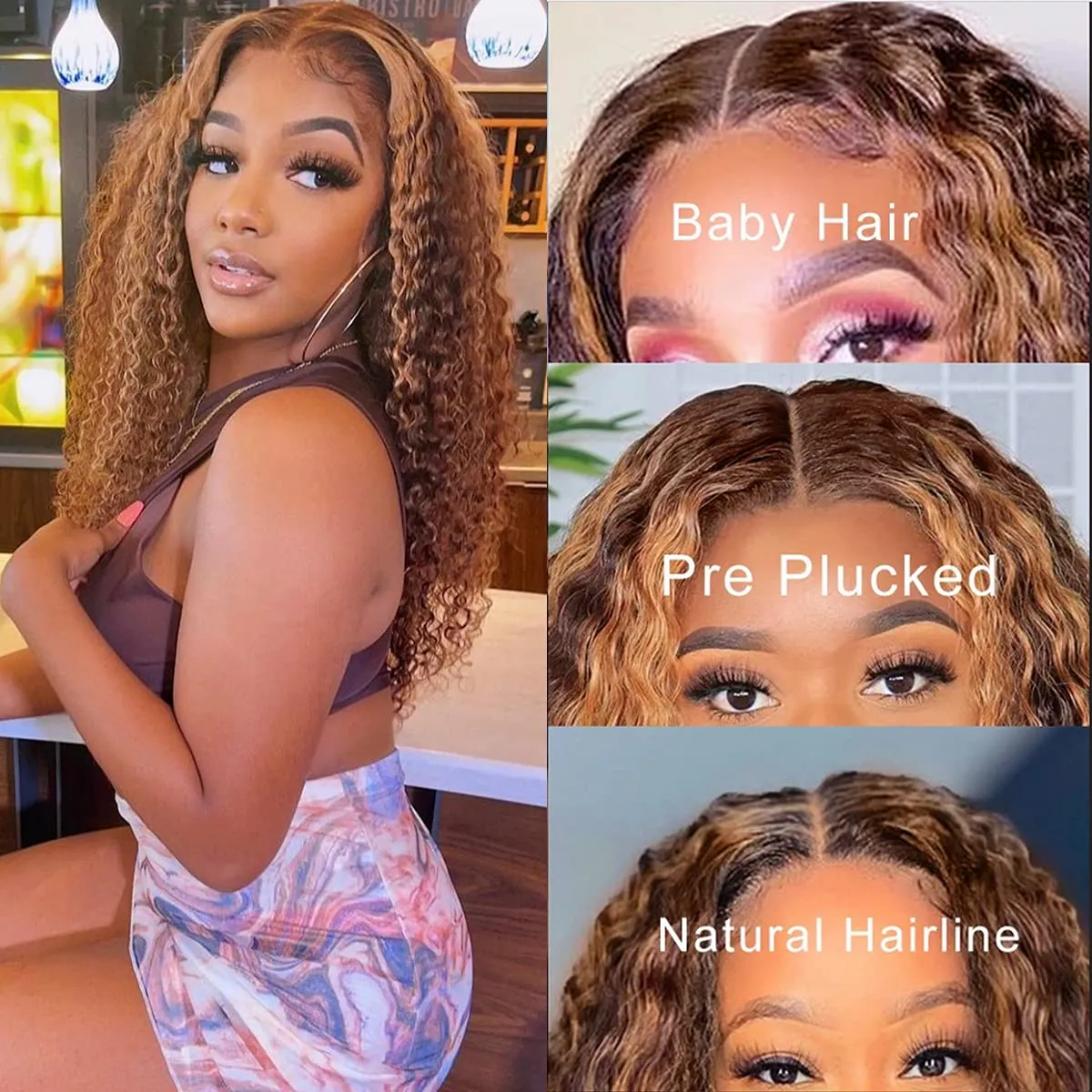
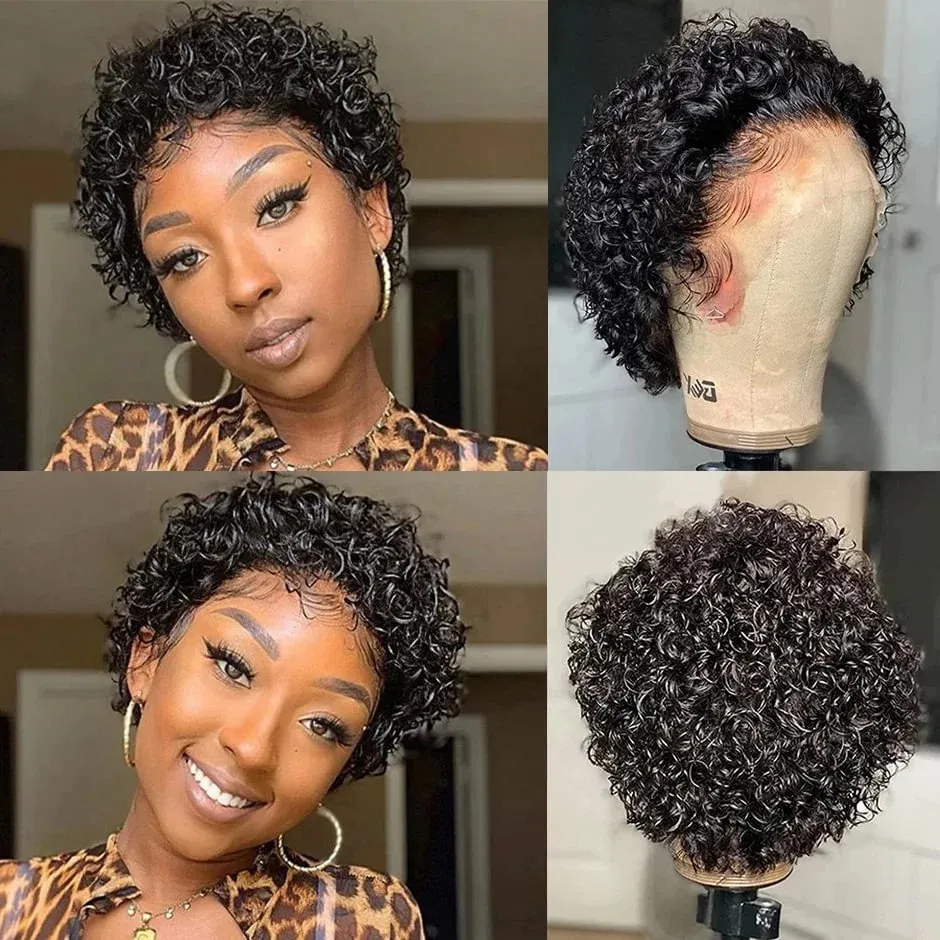
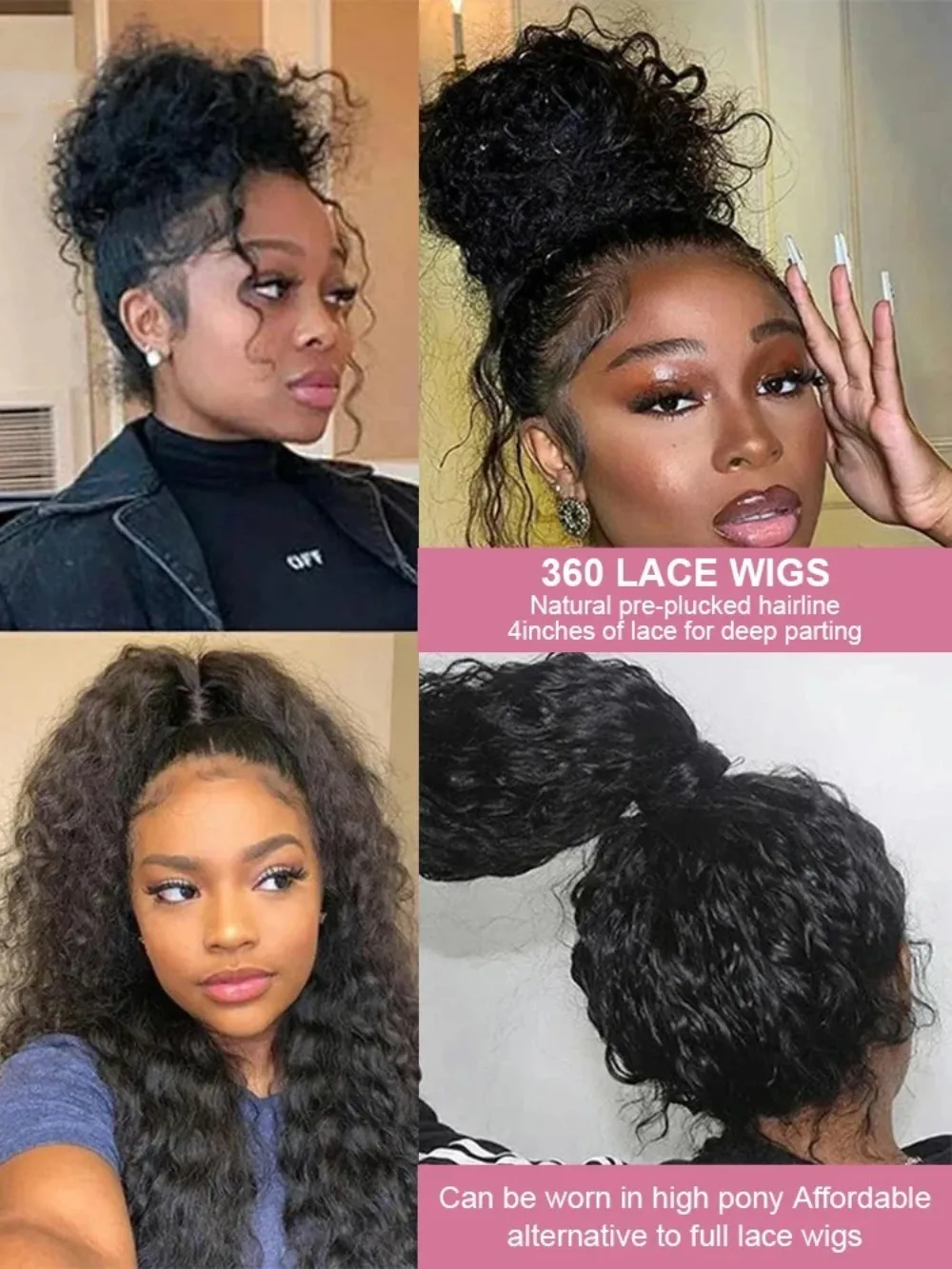
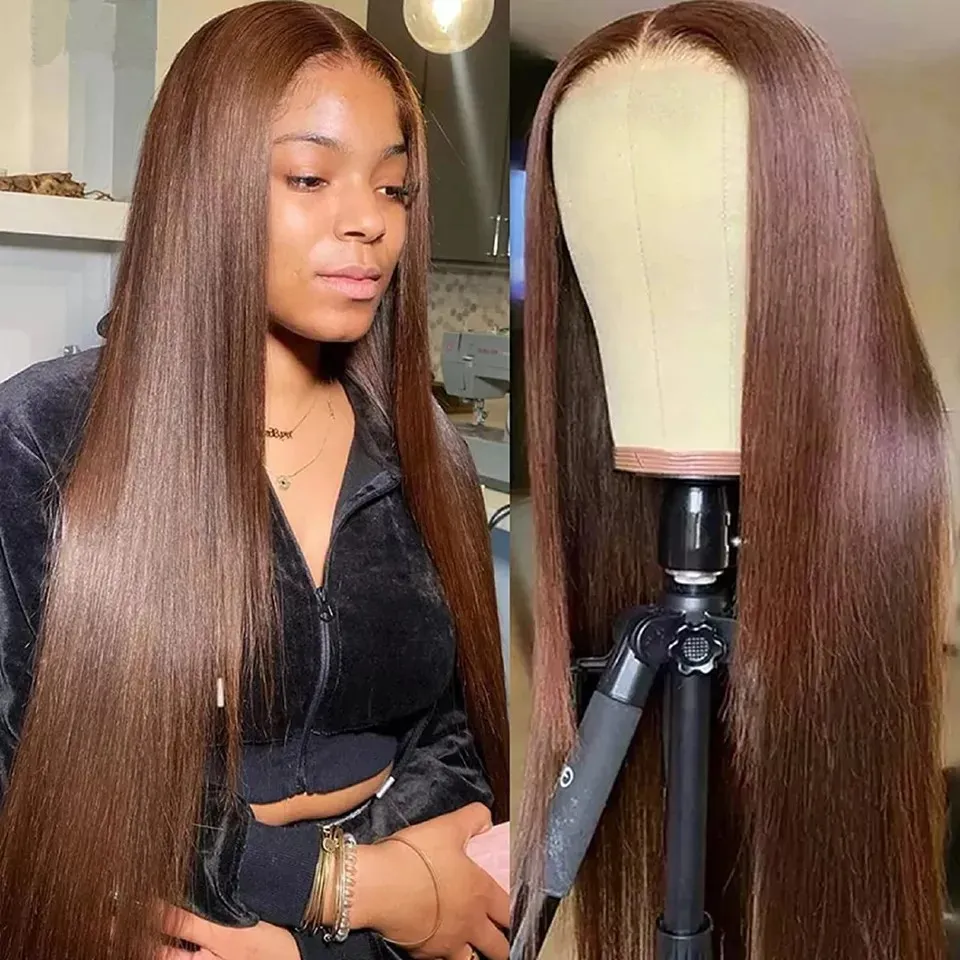
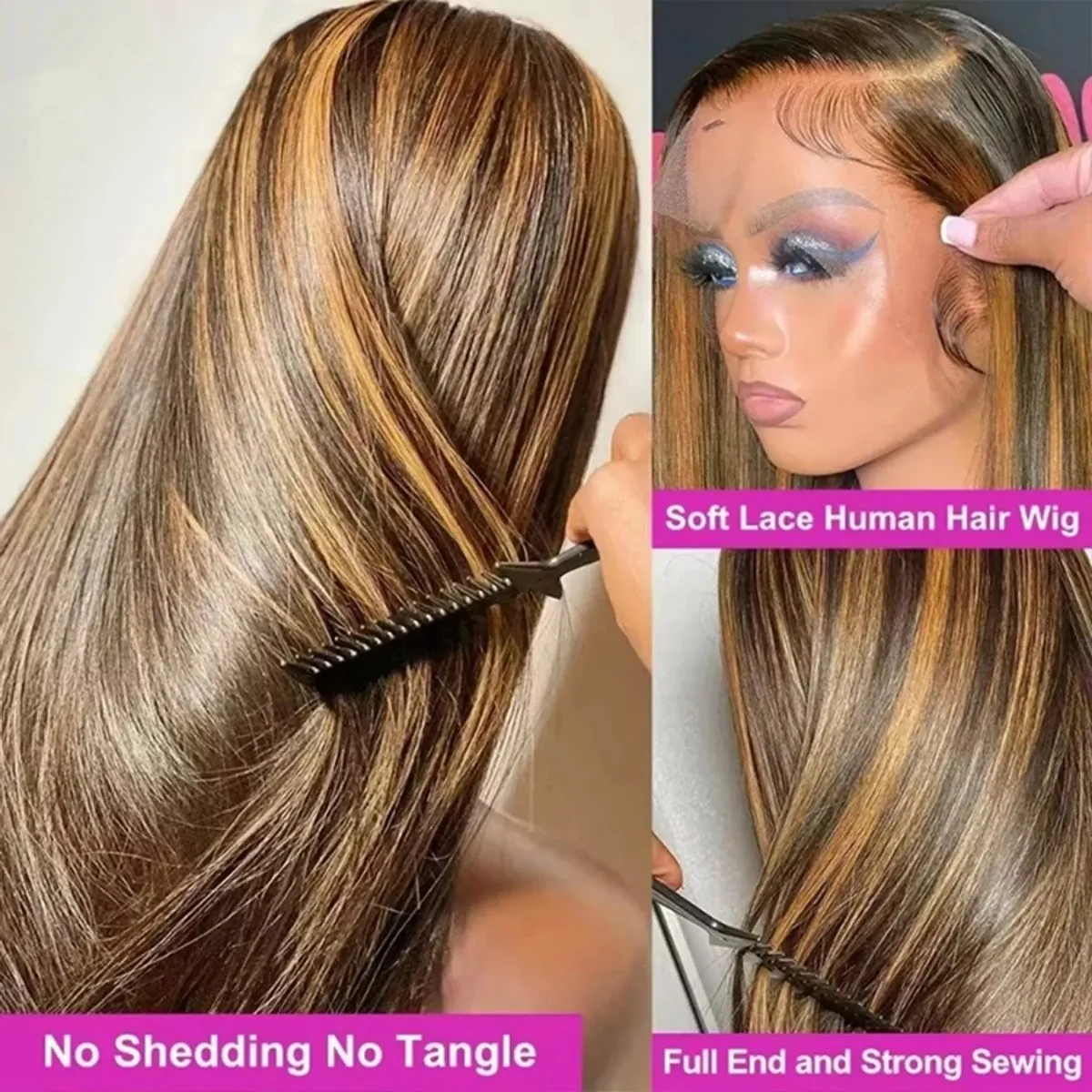
Ten years ago, an affordable wig looked like a wig. Today, a $100 lace front wig can look indistinguishable from natural hair to anyone more than two feet away. The technology is improving on every front:
As manufacturing improves and competition increases, the quality that used to cost $500 now costs $150. The quality that used to cost $150 now costs $50. The barrier to entry — both financial and technical — is lower than it's ever been.
This is the biggest shift, and it's cultural rather than technological. The idea that wearing a wig means you're "fake" or "hiding something" is a relic of a previous generation. Today's consumers have watched Beyoncé, Cardi B, Doja Cat, Kylie Jenner, and thousands of influencers openly wear wigs and talk about wearing wigs. When the most admired women in popular culture treat wigs as normal, the stigma collapses.
The COVID-19 pandemic accelerated this shift in an unexpected way. During lockdowns, women couldn't get to salons. Many started experimenting with wigs at home for the first time — partly out of boredom, partly out of necessity, partly because video calls meant they were looking at their own faces more than ever before. The experimentation stuck. Women who tried wigs during the pandemic kept wearing them afterward because they'd discovered what wig-wearers have always known: it's convenient, it's fun, and it looks better than struggling with your natural hair every morning.
If you're reading this and you've never worn a wig, the odds are good that you will, eventually. Maybe not this year. Maybe not for a daily look. But at some point — for an event, for a costume, for a period when your natural hair is going through something, or just because you're curious — you'll try one. And once you see yourself in the mirror with exactly the hair you wanted, exactly the way you wanted it, without spending two hours at a salon or committing to a color you might hate in three weeks — you'll understand why everyone else is already there.
The future of hair isn't growing out of your scalp. It's hanging on a stand in your closet, ready when you are. We'll help you find your first one.