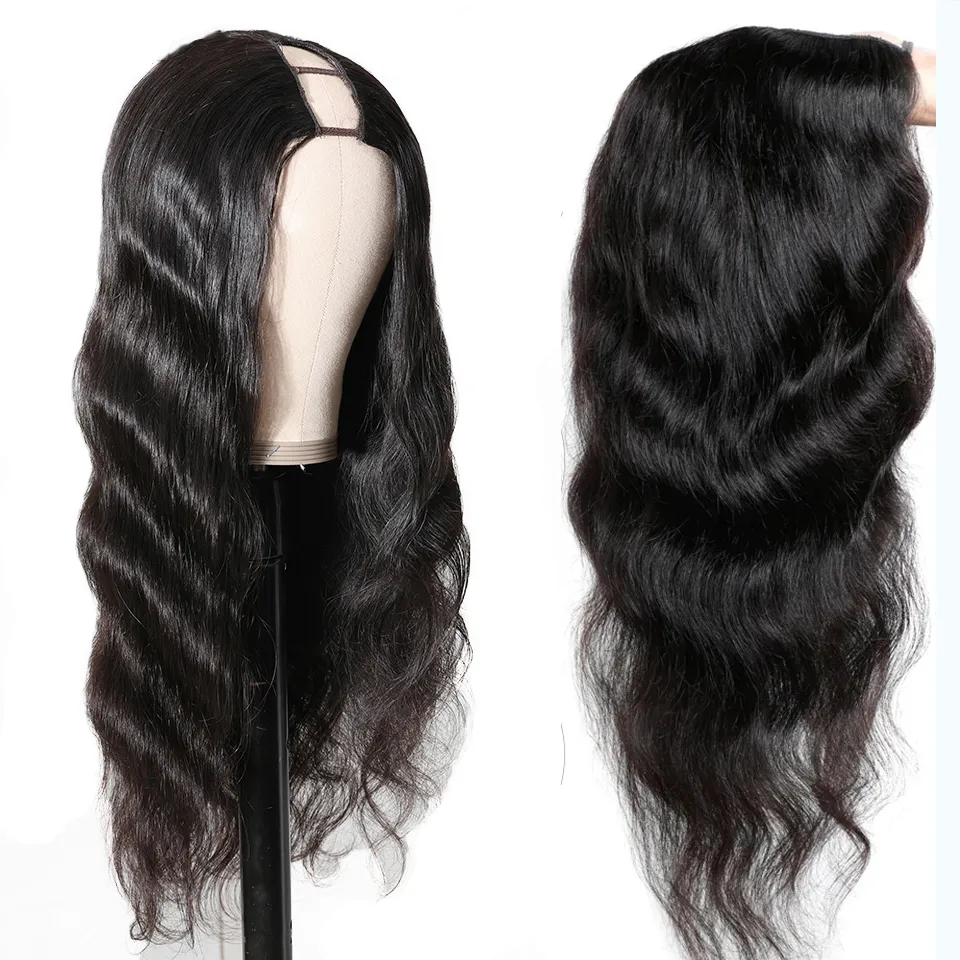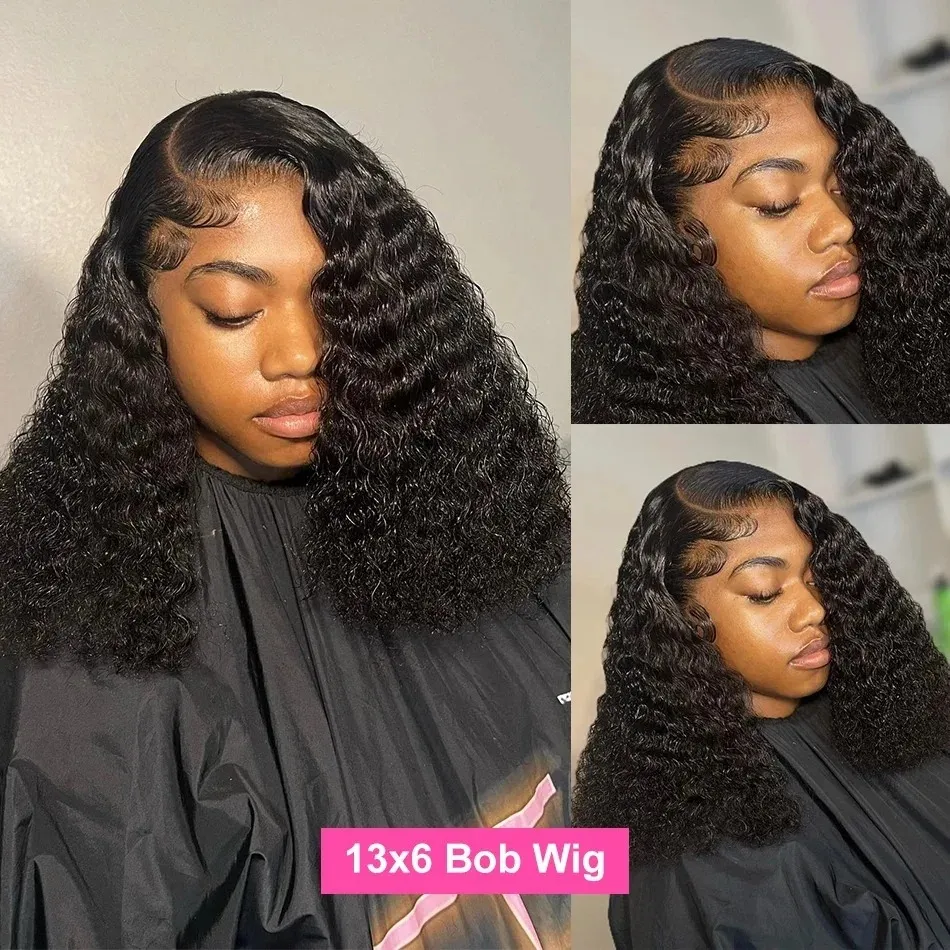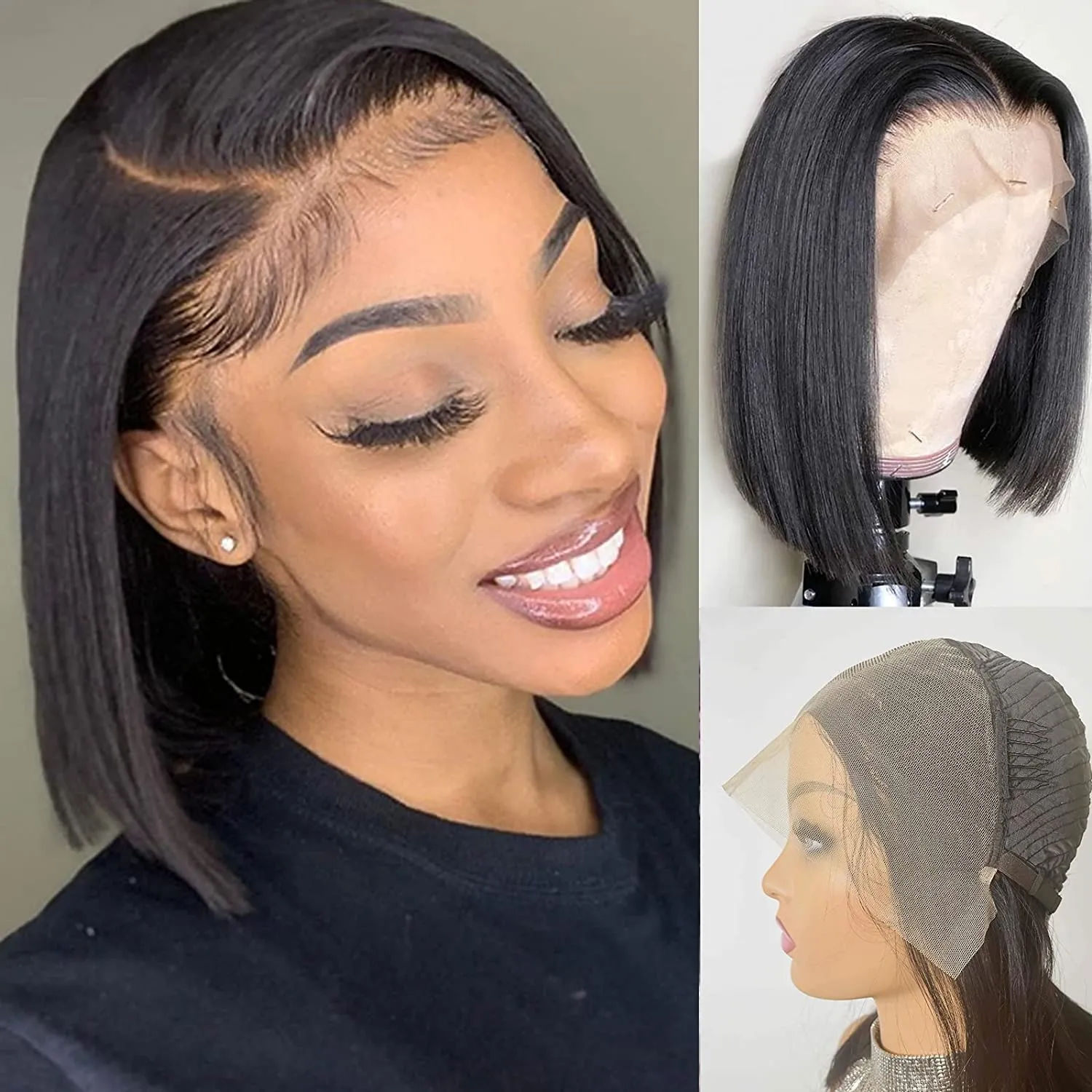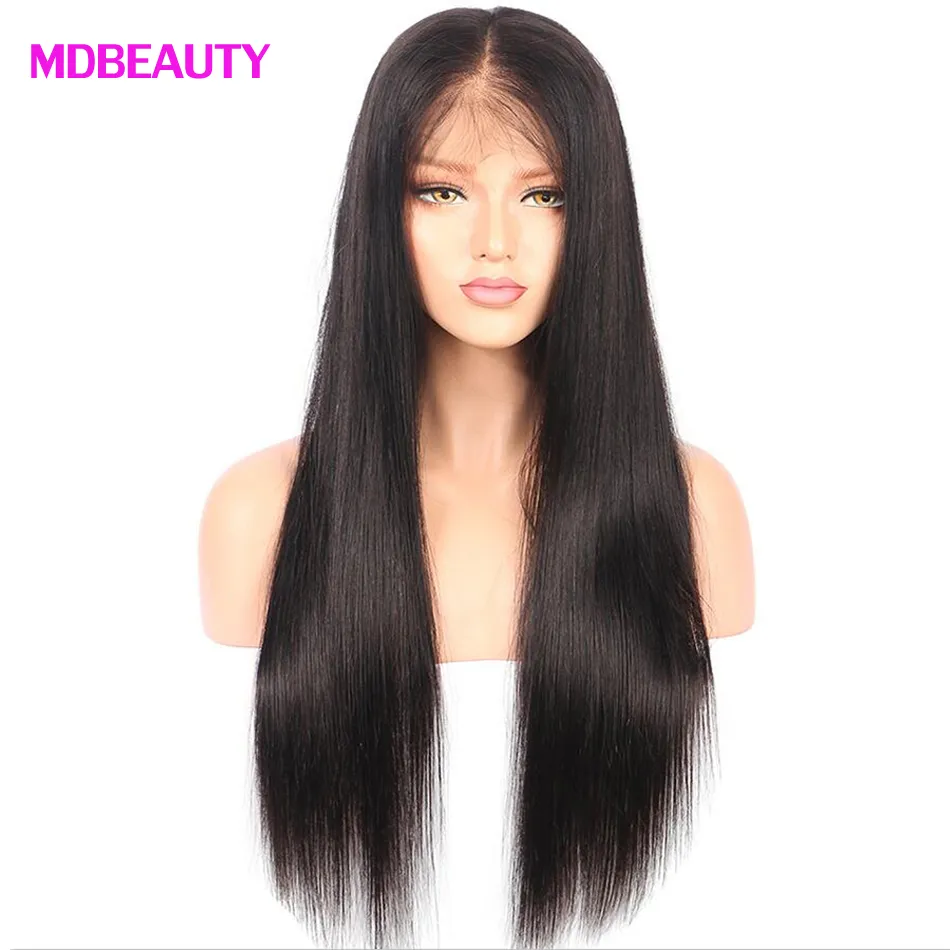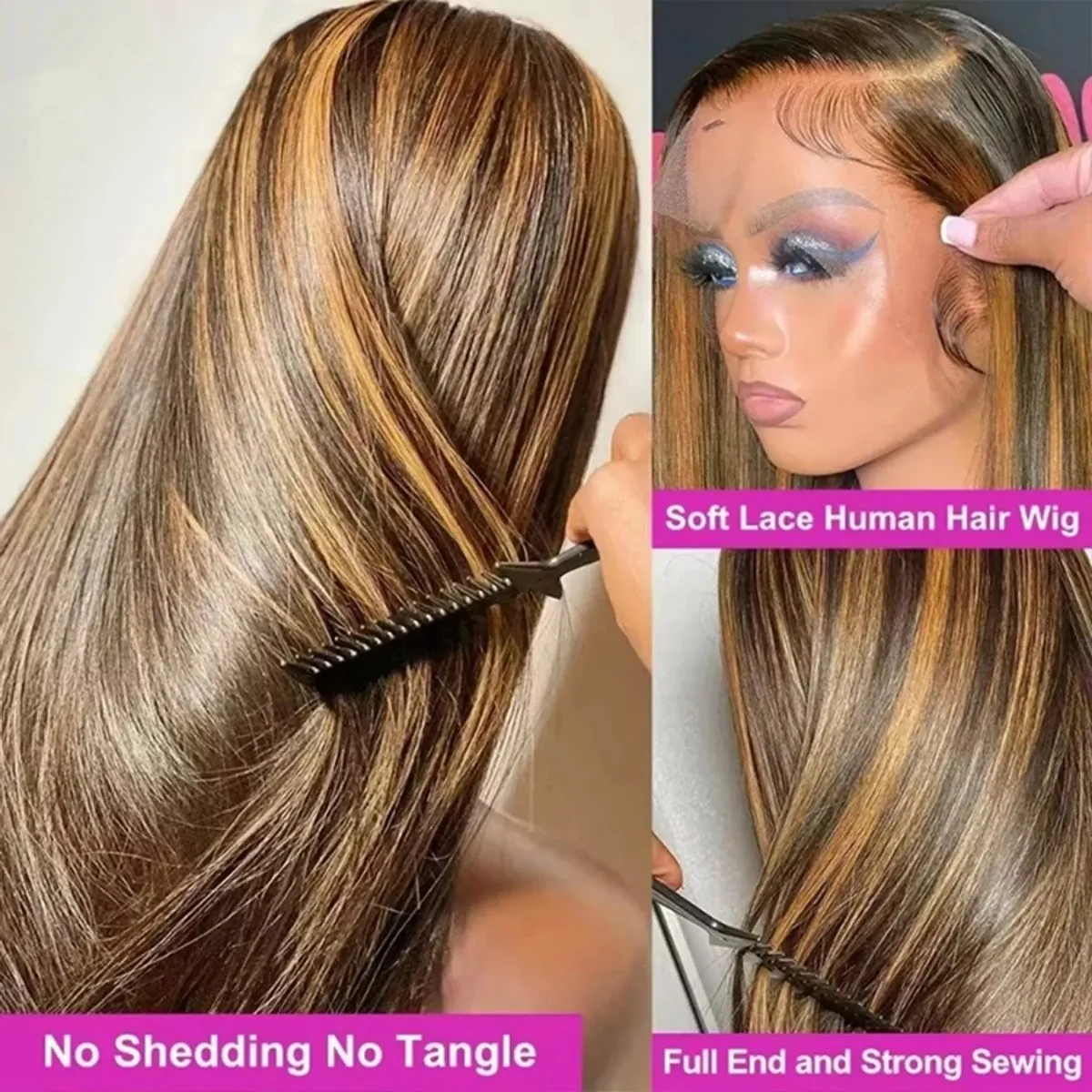







"Can you wear a wig?" The literal answer is yes — almost anyone can. Wigs don't require a certain hair type, a certain head shape, a certain age, or a certain reason. They're one of the most universally accessible beauty tools ever invented. But the question people are really asking when they type this into Google is usually more specific: "Can I wear a wig given my particular situation?" The answer to that is almost always yes too, but the path to getting there depends on what's making you hesitate.
This is the most common concern, and it's the easiest to solve. You don't need short hair. You don't need thin hair. You need the right preparation. Long, thick hair can be flattened under a wig using cornrows, flat twists, or a wrap technique. The key is getting the hair as close to the scalp as possible and distributing the bulk evenly. Two flat French braids pinned around the head, or cornrows going straight back, create a smooth surface that a wig can sit on without lumps. A wig cap over the flattened hair provides grip and keeps everything in place.
If you have very dense natural hair — Type 4 curls that create significant volume — you may want to blow it out first, or do the braiding while the hair is damp with a setting product to keep it compressed as it dries. The volume of hair isn't a barrier. It just requires preparation. Every wig-wearer with thick natural hair figures out their preferred flattening method within the first few tries. You will too.
The concern flips for women with little or no hair: a smooth, hairless scalp can actually be more challenging for wig security because there's less friction. The solutions are straightforward. A silicone or velvet grip band worn underneath the wig creates the friction that hair would otherwise provide. Wig tape or adhesive along the hairline gives extra security. A properly fitted wig with adjustable straps will stay in place on a bald head as well as on a full head of hair — possibly better, because there's no hair shifting underneath to destabilize the wig.
For women going through chemotherapy or dealing with alopecia, wigs designed specifically for sensitive scalps are available. These have softer cap linings, no rough seams, and materials that won't irritate skin that's tender from treatment. A wig cap made of bamboo fiber or similar soft material adds a layer of comfort between the scalp and the wig.
Most ready-to-wear wigs come in "average" size, which fits the majority of adults. But if average doesn't fit you, options exist. Many brands offer petite and large sizes. Adjustable straps inside the cap can tighten or loosen the fit by about an inch in circumference. For heads that fall outside standard sizing entirely, custom wigs are made to your exact measurements — they cost more, but they fit perfectly.
The average adult head circumference is about 22.5 inches. If yours is significantly above or below that, measure before you buy. Most wig product pages list the cap circumference and the range the adjustable straps can accommodate. A wig that's slightly too big is easier to work with than one that's too small — a too-big wig can be tightened with straps, padded with a grip band, or taken in by a professional. A too-small wig gives you a headache and can't be easily enlarged.
Climate is a real consideration. Wearing a wig in 95-degree heat with 80% humidity is different from wearing one in a climate-controlled office. But women wear wigs in Florida, in Houston, in the Caribbean, in West Africa — everywhere it's hot. The solutions: choose a wig with a breathable cap (full lace or open-wefted), wear a moisture-wicking wig cap underneath, use less adhesive (heat makes adhesive break down faster), and consider synthetic wigs for humid climates (synthetic fibers don't react to humidity the way human hair does — your human hair wig will frizz in the rain while your synthetic stays exactly the same).
Wind is mostly a non-issue for properly fitted wigs. A wig secured with combs, adjustable straps, and adhesive doesn't blow off any more than your natural hair blows off. The sensation of wind through wig hair feels different — lighter, less anchored — but the wig stays put.
Quality and price don't always correlate the way people assume. A $50 synthetic wig from a reputable brand can look significantly better than a $150 "human hair" wig from an unreputable source. The sweet spot for value is around $80-150 for synthetic and $120-250 for human hair. Below those thresholds, you're making tradeoffs in fiber quality, cap construction, or both. But you don't need the $600 full lace custom unit to look great. You need a wig that fits your head, matches your style, and is made well enough to last more than a few wears. That exists at reasonable prices. The key is buying from a source that inspects what they sell rather than just dropshipping from a factory catalog.
Whatever your hair situation, head size, budget, or climate — there's a wig solution that works. The barriers are real, but they're all solvable. The only real barrier is never trying.
Not sure what will work for your specific situation? That's what customer service is for. We answer real questions from real women — because we wear wigs too, and we've been through every scenario you're dealing with.