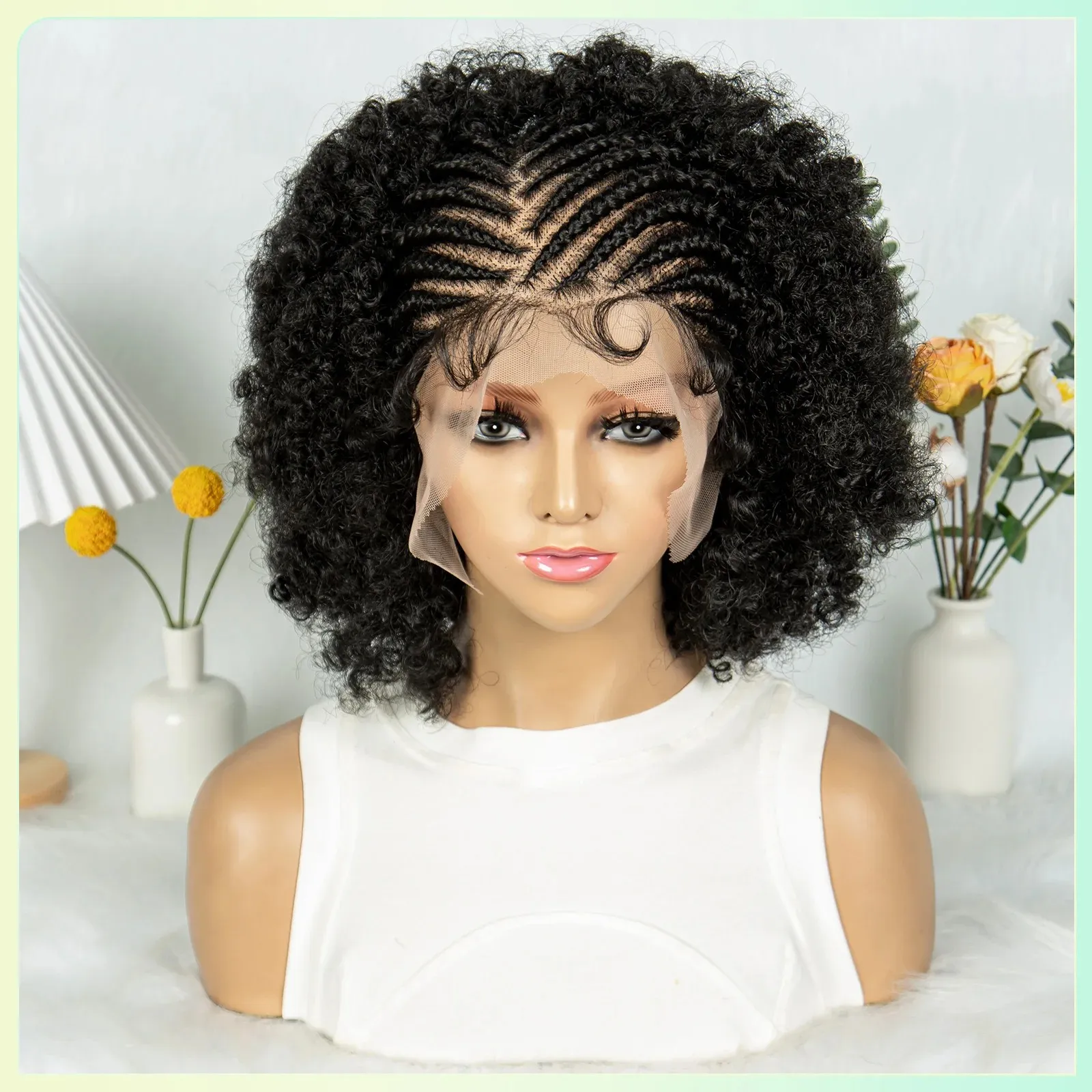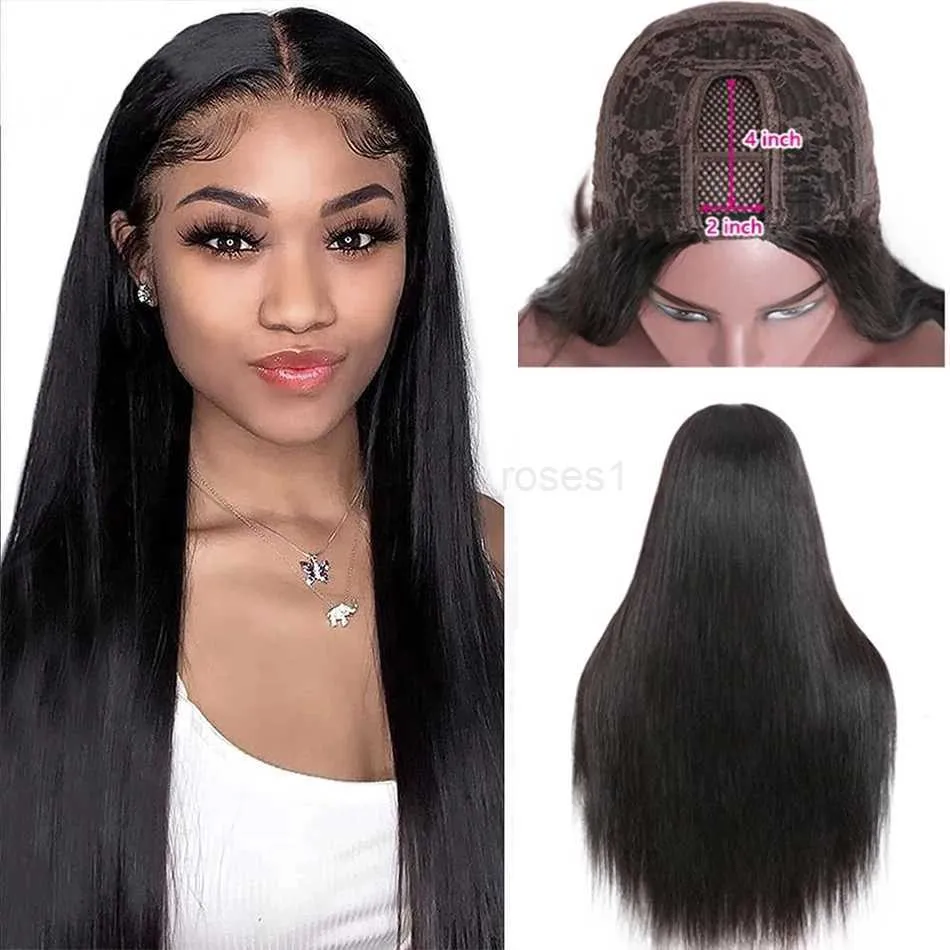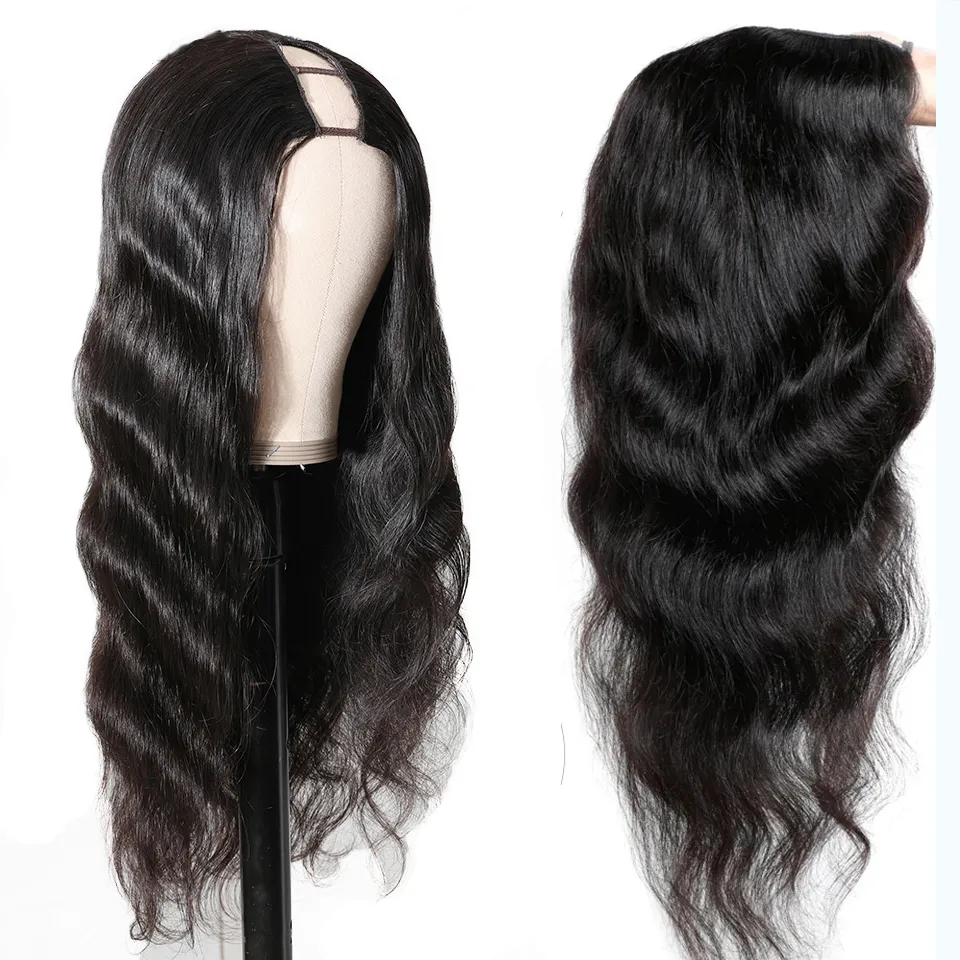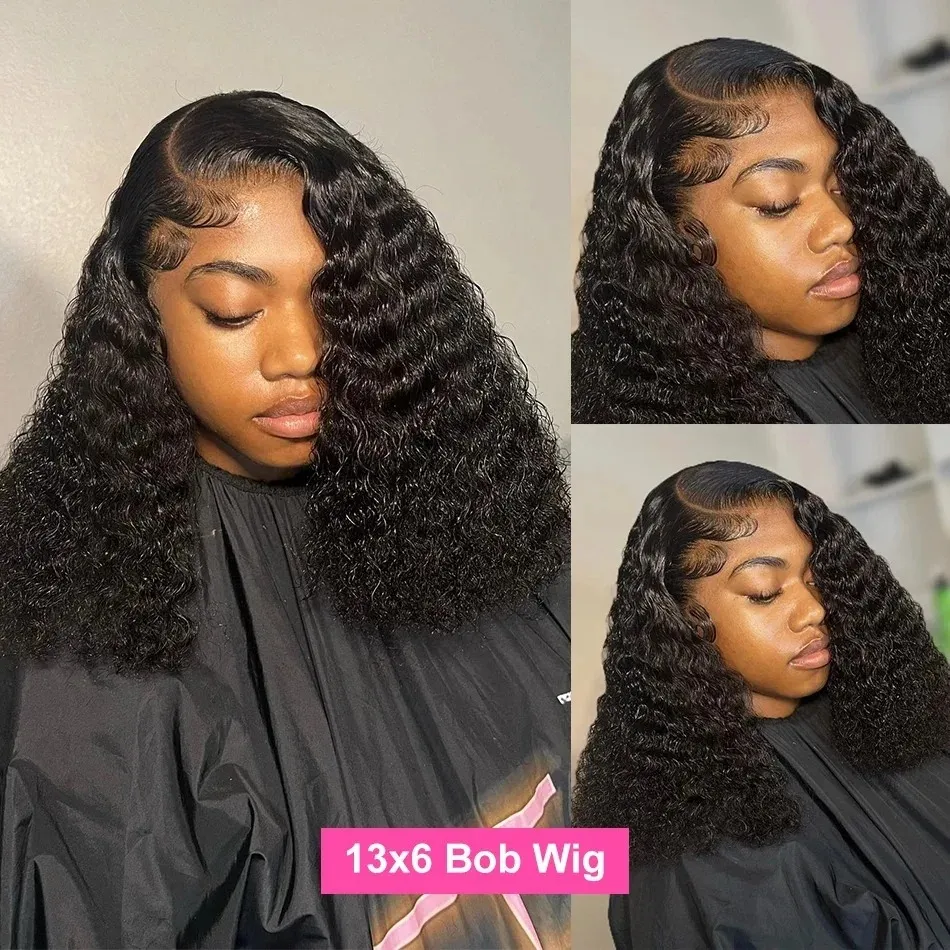






If you've been watching 90 Day Fiancé and wondering about Emma's hair — specifically, why it looks different episode to episode, or why she seems to wear wigs — you're not alone. The question "why does Emma wear a wig on 90 Day Fiancé" combines genuine viewer curiosity with some of the worst instincts of reality TV fandom. Here's what's actually known, what's speculation, and why the conversation matters.
📺 Context for non-watchers: Emma is a cast member on 90 Day Fiancé (or one of its many spinoffs in the TLC franchise). The show follows international couples navigating the K-1 visa process. Cast members' appearances are heavily discussed online, and hair — especially hair that changes between episodes or confessionals — often becomes a topic of viewer speculation.
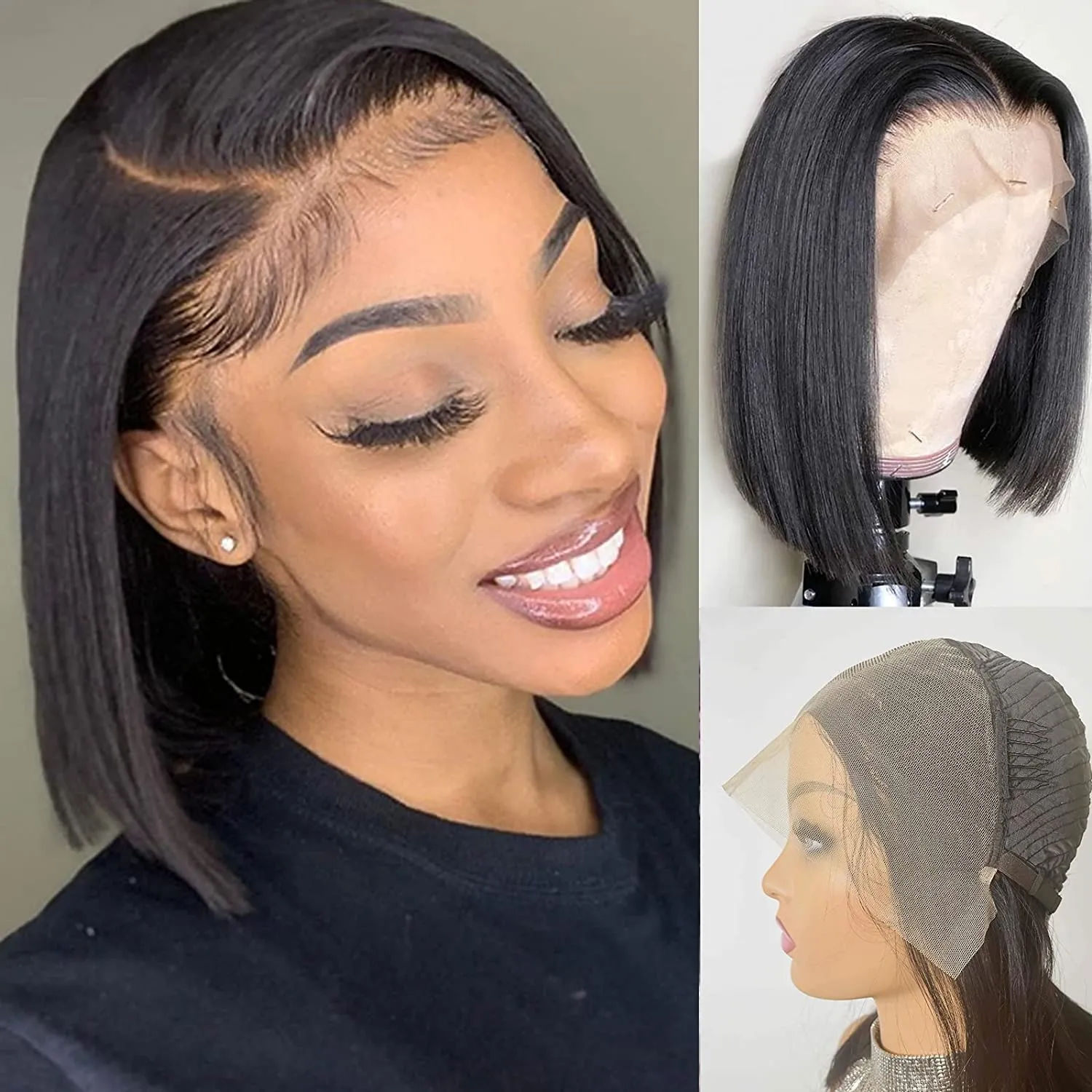
Emma has not publicly explained why she wears wigs, if she does. Like most reality TV cast members, her personal choices about her appearance are exactly that — personal. What viewers see is hair that changes texture, length, and style across episodes in ways that are consistent with wig-wearing: different styles in confessionals vs. scenes, perfect consistency under varying conditions, and the kind of "too perfect" finish that wigs provide.
But "it looks like a wig" and "she's confirmed she wears a wig" are different things. The first is observation. The second is information only Emma can provide. And she hasn't.
Before jumping to conclusions about anyone on reality TV, it helps to understand the production realities:
None of these reasons have anything to do with "hiding" or "deception." They're practical production decisions that anyone in front of a camera for extended periods would make if they had access to good wigs.
"Why does Emma wear a wig on 90 Day Fiancé" assumes that wig-wearing requires an explanation. It doesn't. Women wear wigs for a hundred reasons: hair loss, protective styling, convenience, creativity, medical conditions, or simply because they want to. None of those reasons require justification to an audience.
The better question is: why do viewers feel entitled to know the answer? Reality TV trains us to treat cast members' bodies as public property — to analyze, critique, and demand explanations. But the person on screen is still a person. Her hair is still her hair, whether it grew from her scalp or came from a store. The line between "curiosity" and "scrutiny" is thin, and it's worth noticing when you're crossing it.
If you're reading this because you wear wigs and you've felt the same scrutiny Emma is experiencing — from coworkers, from family, from strangers on the internet — know this: the scrutiny says more about the people doing the scrutinizing than it says about you. Women on reality TV face it at scale. You might face it at the office, or at a family gathering, or in a comment section. The dynamic is the same. The question "why do you wear a wig" is almost never about the wig. It's about the asker's need to categorize, to label, to determine whether you're "real" or "fake." That's their issue to work through. Not yours.
Wear the wig. Change the wig. Don't explain unless you feel like it. The people who matter will care about you, not about what's on your head. The people who fixate on your hair were never going to be your people anyway.
We believe every woman's reason for wearing a wig is valid — whether it's for TV cameras, medical reasons, or just because you felt like it on a Tuesday. No explanations needed. Just good hair.