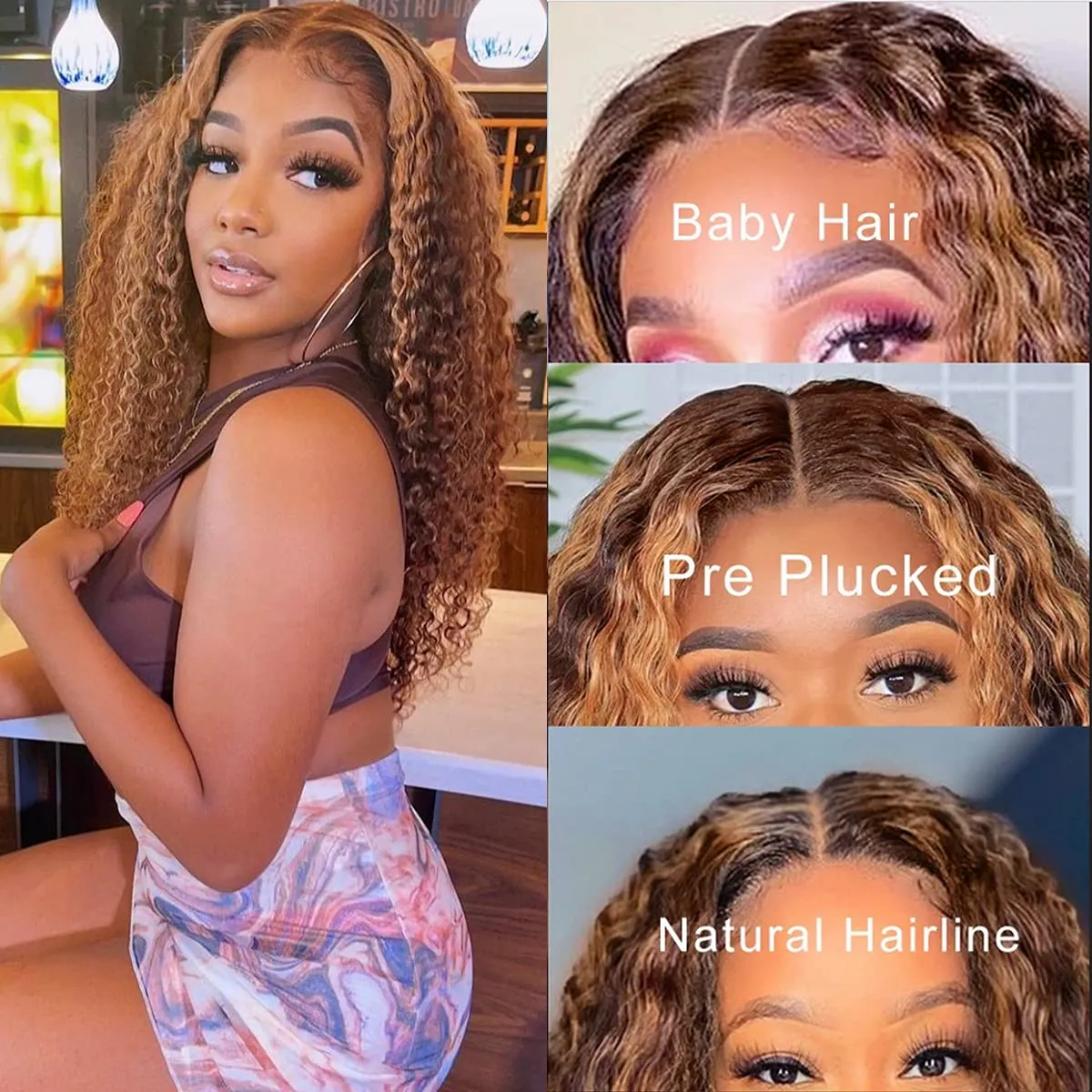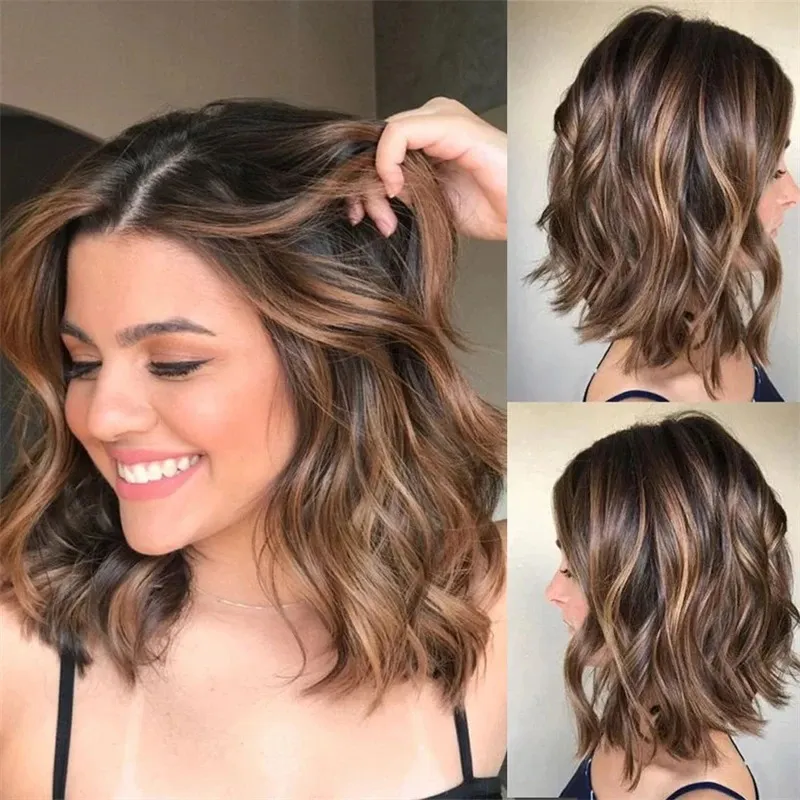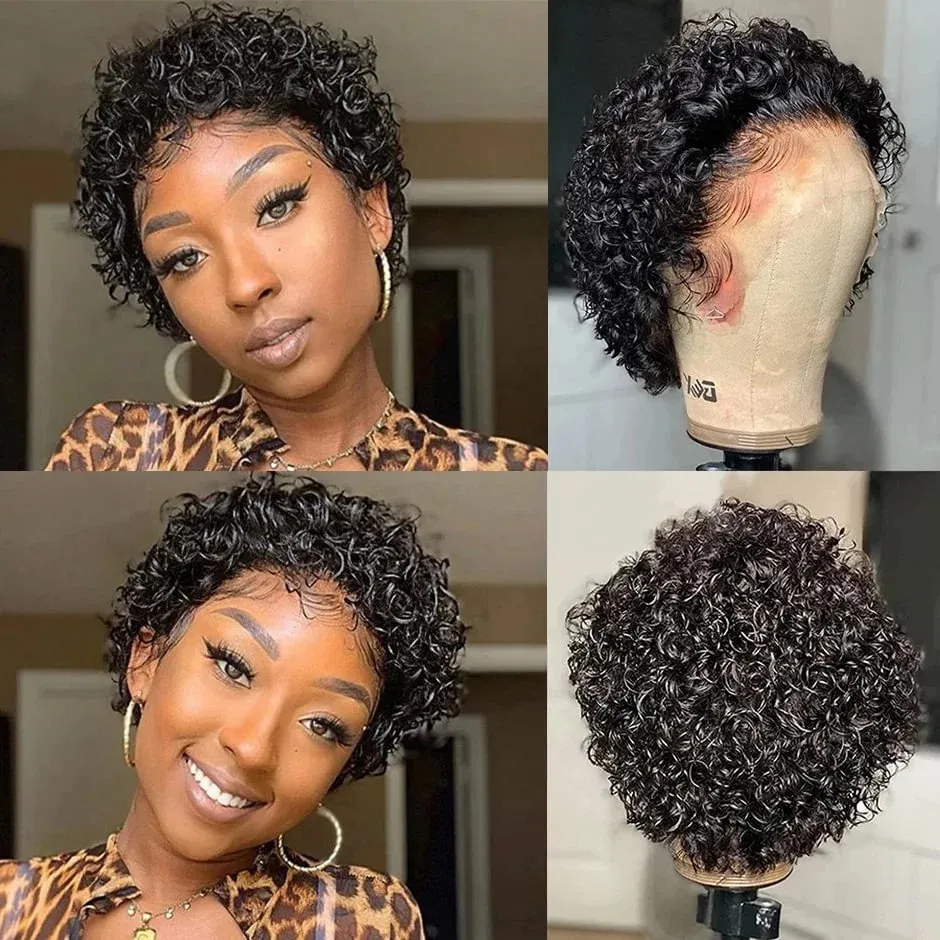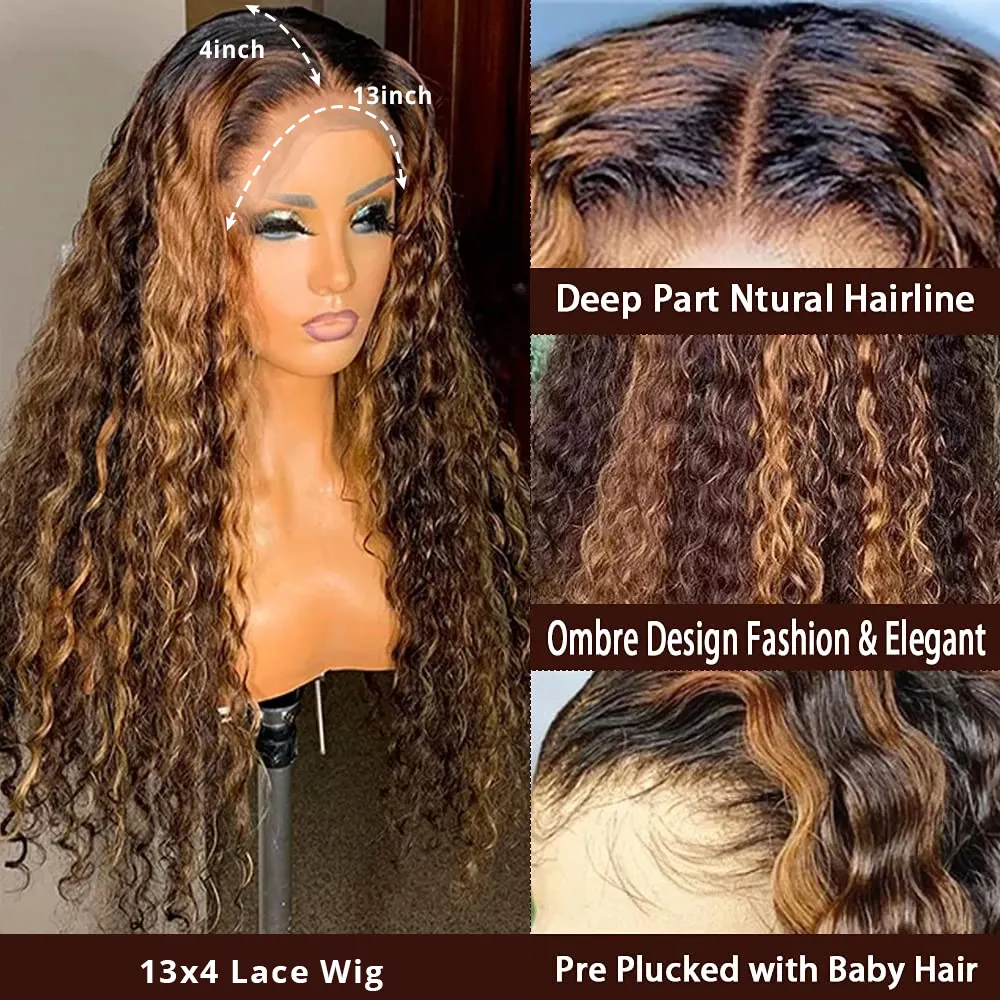






The short answer: You can. You shouldn't. Here's why.
Sleeping in a wig creates friction between the wig fibers and your pillow. That friction causes tangling, matting, and fiber damage — especially at the nape, which rubs against the pillow all night. A synthetic wig slept in regularly will develop permanent frizz and matting at the nape within weeks. A human hair wig will fare slightly better but will still tangle and develop breakage at friction points.
The cap also needs time to "rest." Wig caps absorb sweat and oils from your scalp during the day. At night, those need to air out. Sleeping in a wig traps moisture against the cap fabric, which can lead to odor, bacteria growth, and degradation of the cap materials.
And your natural hair underneath? While you sleep, your hair underneath the wig cap can't breathe. Moisture builds up. If your hair is braided underneath, the braids stay damp — which can lead to mildew, scalp irritation, and breakage if done repeatedly.
When it's unavoidable (travel, unexpected overnight): Use a silk or satin pillowcase — it creates less friction than cotton. Wrap the wig in a silk scarf before sleeping. In the morning, expect to detangle and restyle. Don't make it a habit.
🛌 The one exception: If you wear wigs for medical reasons (chemo, alopecia) and removing your wig at night causes emotional distress, there are sleep-safe wig options — lighter caps, softer materials, and sleep caps designed for overnight wear. Talk to a medical wig specialist.
The short answer: No. Worn correctly, wigs protect your hair. Worn incorrectly, they can cause damage. It's about method, not the wig itself.
How wigs PROTECT your hair:
How wigs CAN damage your hair (when done wrong):
🧴 The healthy wig routine: Wash and moisturize your natural hair every 1–2 weeks. Don't braid too tight. Don't apply glue directly to your hairline. Give your scalp 1–2 days per month completely wig-free. Your hair will be healthier under a wig than it would be with daily heat styling.
Take your wig off at night. Moisturize your hair underneath. Don't glue on your edges. Do those three things and wigs are not only not bad for your hair — they're one of the best protective styling tools available. The wig isn't the problem. Bad habits are.
Healthy hair starts with good habits. We'll provide the wig. You provide the care routine. Together, your natural hair will thrive underneath.