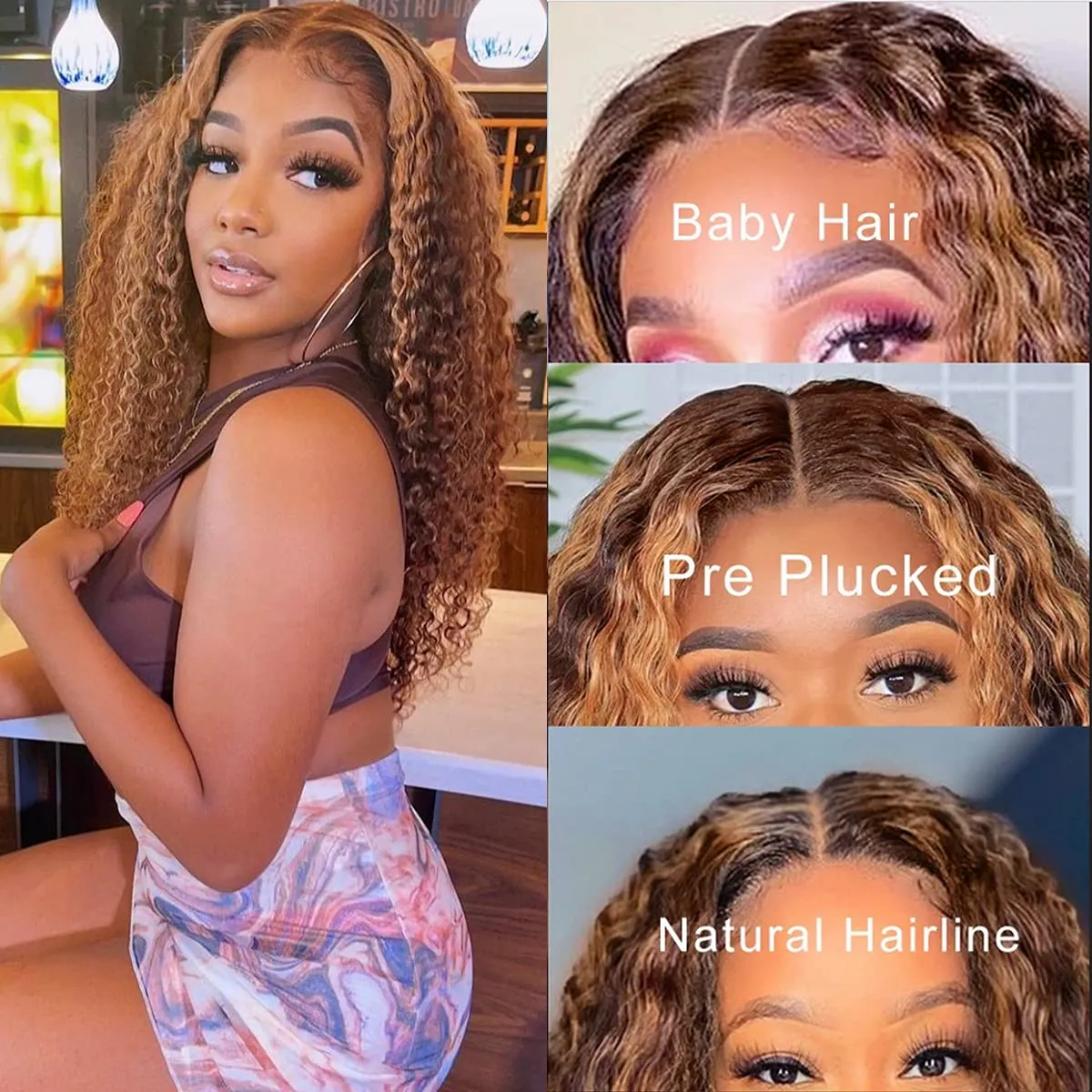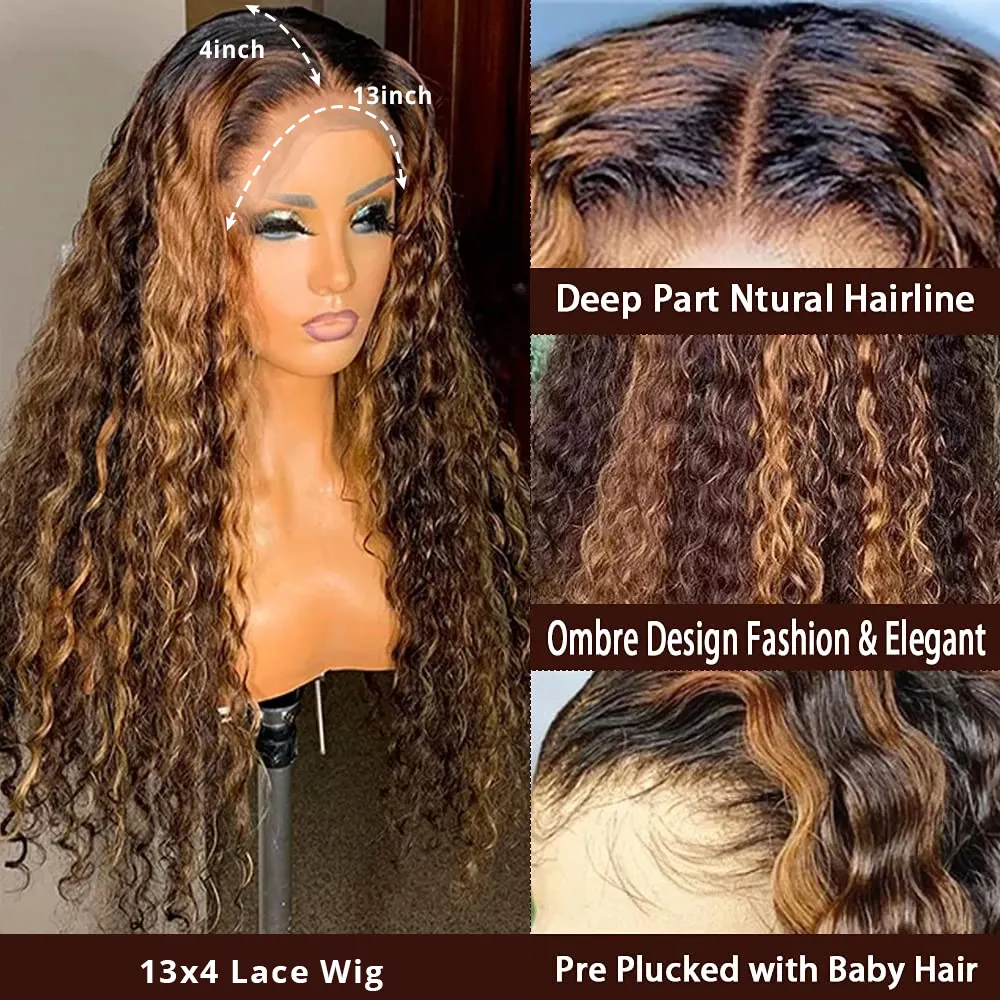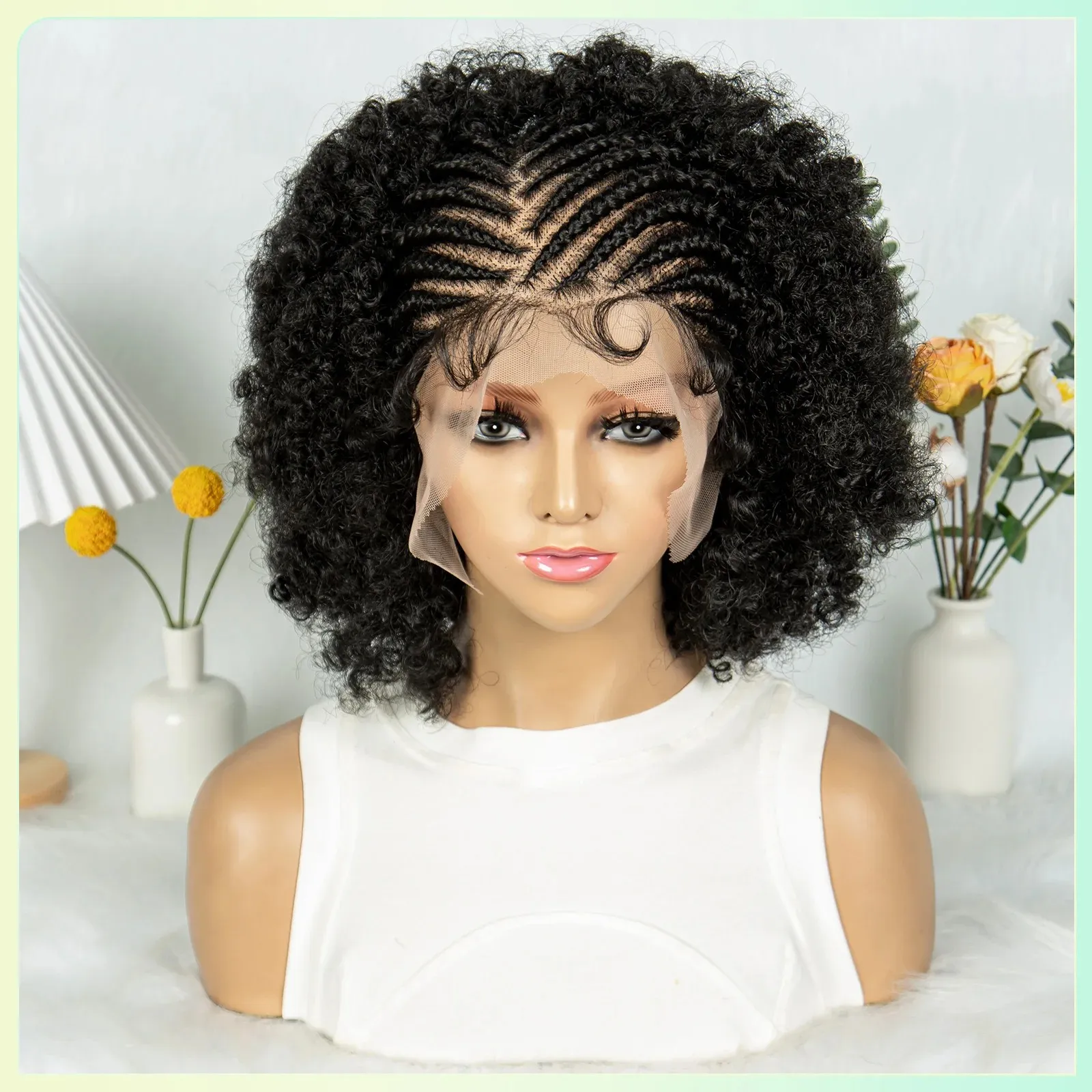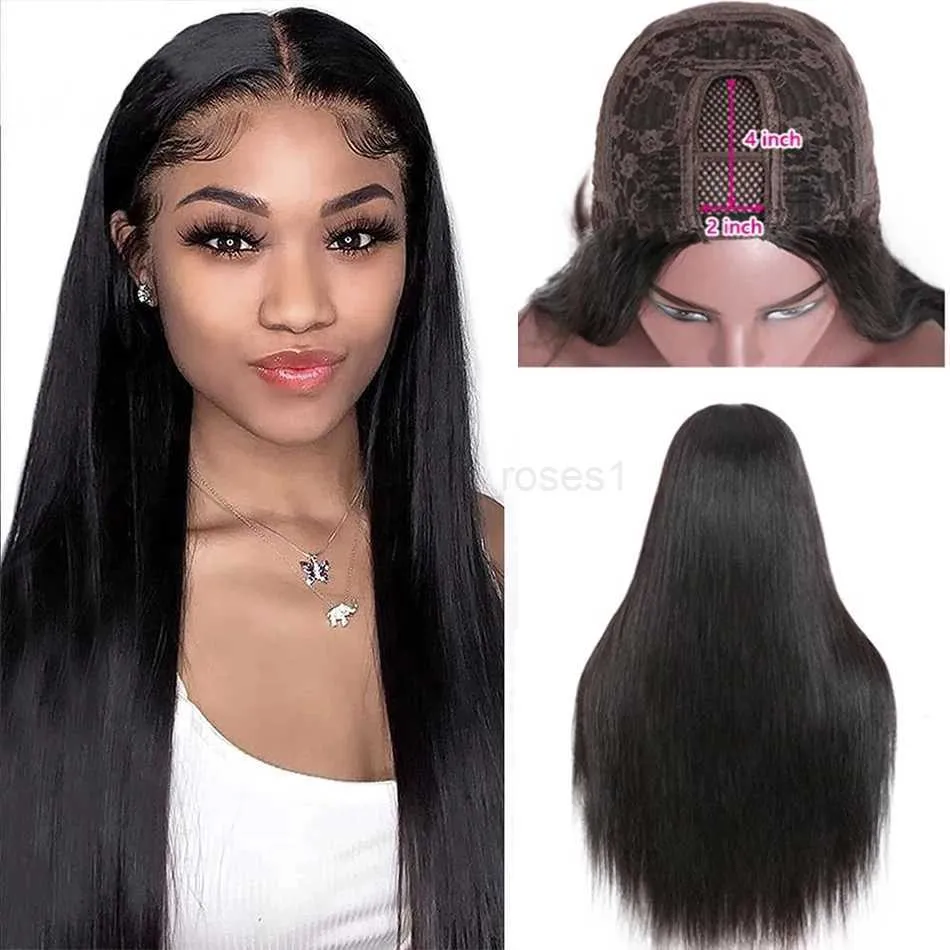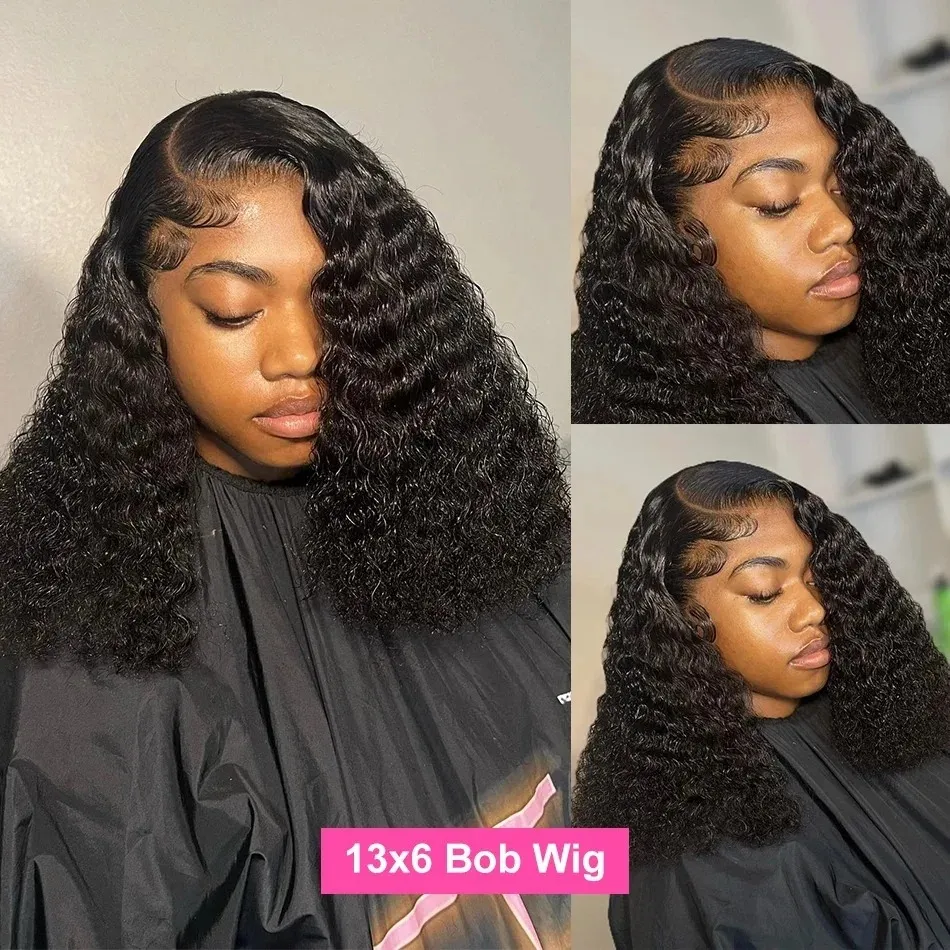






Synthetic wigs are affordable and low-maintenance — until they're not. When a synthetic wig tangles, frizzes, or loses its shape, the fix is different from human hair. Here's what works for the five most common synthetic wig problems, ranked from "5-minute fix" to "it might be time to let go."
Difficulty: Easy | Time: 5–15 min | Success rate: 90%
The fix: Saturate the tangled section with a silicone-based detangling spray (or a DIY mix of water + a few drops of silicone serum). Let it sit for 1 minute. Using a wide-tooth wig comb, start at the VERY ends and work upward in tiny increments — half an inch at a time. Do not pull. Do not rush. Each tiny section needs to be freed before you move up.
If it won't budge: Steam the tangled section with a garment steamer for 10–15 seconds, then comb. The steam relaxes the fiber just enough to release the tangles without heat damage.
Prevention: Comb the nape after every wear. That's where tangles start. 30 seconds of prevention saves 15 minutes of detangling.
Difficulty: Easy-Medium | Time: 10–20 min | Success rate: 75%
The fix: Frizzy ends mean the fiber coating is wearing down. You can't restore the original coating, but you can smooth what's left. Fill a sink with cool water and add a capful of fabric softener — yes, fabric softener. Submerge just the ends of the wig (not the cap) for 15 minutes. Rinse with cool water. Let air dry. The fabric softener coats the roughened fibers and smooths them temporarily.
Catch: This is a temporary fix that lasts 3–5 wears. It doesn't repair the fiber — it masks the damage. If the ends frizz again immediately after washing, the wig is reaching end of life.
Alternatively: Trim the frizzed ends. Use sharp scissors. Cut at a slight angle rather than straight across. You'll lose some length but gain a smooth, healthy-looking edge.
Difficulty: Medium | Time: 30 min + drying | Success rate: 80%
The fix (heat-friendly wig): Re-style with low-heat tools. Flat iron at 250–280°F for straight. Curling iron for waves. The fiber resets as it cools — hold each section in its new shape until completely cool before releasing.
The fix (non-heat-friendly wig): Steam reset. Set the wig on rollers in the desired style. Steam each section with a garment steamer for 10–15 seconds. Let dry completely on rollers — overnight is best. The steam relaxes the current style memory and the cooling/drying sets the new one.
If neither works: The wig's style memory may be permanently degraded. This happens after 15–20+ washes on budget synthetic wigs. At this point, the wig will only hold its factory style if you do a full hot water reset (Method 3 in the straightening guide).
Difficulty: Easy | Time: 5 min | Success rate: 95%
The fix: Dry shampoo. Spray a light mist of dry shampoo formulated for wigs (or aerosol dry shampoo for human hair — check it's alcohol-free) onto the hair, focusing on the crown and the top layer where shine is most visible. Work it through with your fingers. The powder particles coat the fiber surface and scatter light, eliminating that plastic-like shine.
Alternative: A very light dusting of cornstarch applied with a large makeup brush. Tap off the excess before applying. Too much will make the hair look dusty; just enough will kill the shine.
Alternative 2: Wash the wig with a clarifying rinse (1 part white vinegar to 3 parts water) to remove product buildup that's making the hair look shiny-greasy rather than shiny-plastic. Then dry and apply dry shampoo.
Difficulty: Impossible | Time: 0 min | Success rate: 0%
The fix: There isn't one. Melted synthetic fiber is permanently damaged. The melted section turns hard, shiny, and plastic-like — because that's exactly what it is. You can't un-melt plastic.
What you can do: If the melted section is small and at the back or underneath, you can cut it out and style the surrounding hair to cover the gap. If it's at the front hairline or highly visible, the wig is done. Prevention is the only real fix: never apply direct heat to a non-heat-friendly synthetic wig. Always confirm heat-friendliness before touching a hot tool to the fiber.
If your synthetic wig has more than two of the above problems simultaneously — it's tangled, frizzy, AND won't hold its style — it's reached end of life. A $50 synthetic wig is not worth hours of repair work. Calculate your time: if the repair takes longer than an hour and the wig cost under $80, replacing it is usually the smarter choice. Fix the wig if the problem is isolated and fixable. Replace it if the problems are stacking up.
A well-made synthetic wig shouldn't need major repairs for months. We stock synthetic wigs built to last — and when they eventually reach end of life, we'll help you find the next one.