





Michael Jackson's appearance changed more dramatically over his lifetime than almost any public figure in history. His skin, his facial structure, and his hair all transformed across decades in ways that fueled endless tabloid speculation. The hair, specifically, went from a full, natural Afro in his Jackson 5 days to the sleek, straight, jet-black styles of his solo career. The question "did Michael Jackson wear a wig" has a definitive answer — yes, he did, for documented medical reasons — and the story behind that answer is one that most of the sensationalist coverage never bothered to tell.
Michael Jackson was 25 years old, at the absolute peak of his career, filming a Pepsi commercial at the Shrine Auditorium in Los Angeles. A pyrotechnic effect misfired. The explosion happened too close — about two feet from where Jackson was standing. His hair caught fire. He suffered second and third-degree burns to his scalp, and the damage was permanent.
The Pepsi accident didn't just burn his skin. It destroyed hair follicles across a significant portion of his scalp. Hair doesn't grow back through scar tissue. From that day forward, Jackson had areas of his head where hair would never grow again. He began wearing wigs and hairpieces to cover the damage — not as a fashion choice, not as part of his evolving image, but because a significant portion of his scalp was permanently scarred. He also began taking painkillers for the burns, which would eventually lead to the dependency issues that plagued the rest of his life.
Jackson was also diagnosed with vitiligo — the skin condition that causes patches of pigment loss — and lupus, an autoimmune disease. Both conditions were confirmed by his autopsy in 2009. Lupus can cause hair loss. The medications used to treat lupus can cause hair loss. Combined with the physical damage from the Pepsi accident, Jackson was dealing with multiple medical factors that affected his hair.
The wigs weren't optional. They were medically necessary. And this context changes everything about how we should understand his changing appearance. The straight black wigs of his Bad and Dangerous eras weren't vanity. They were adaptive equipment — the same way someone with a prosthetic limb uses technology to live the life they want to live.
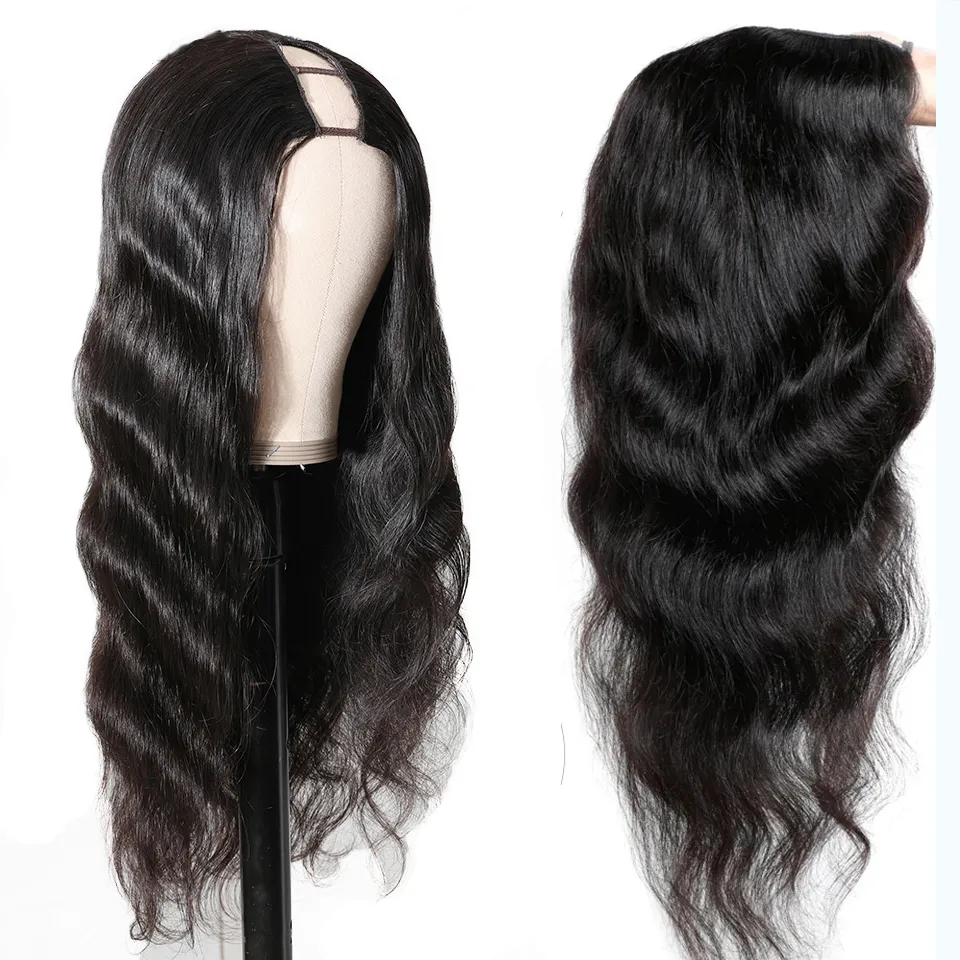
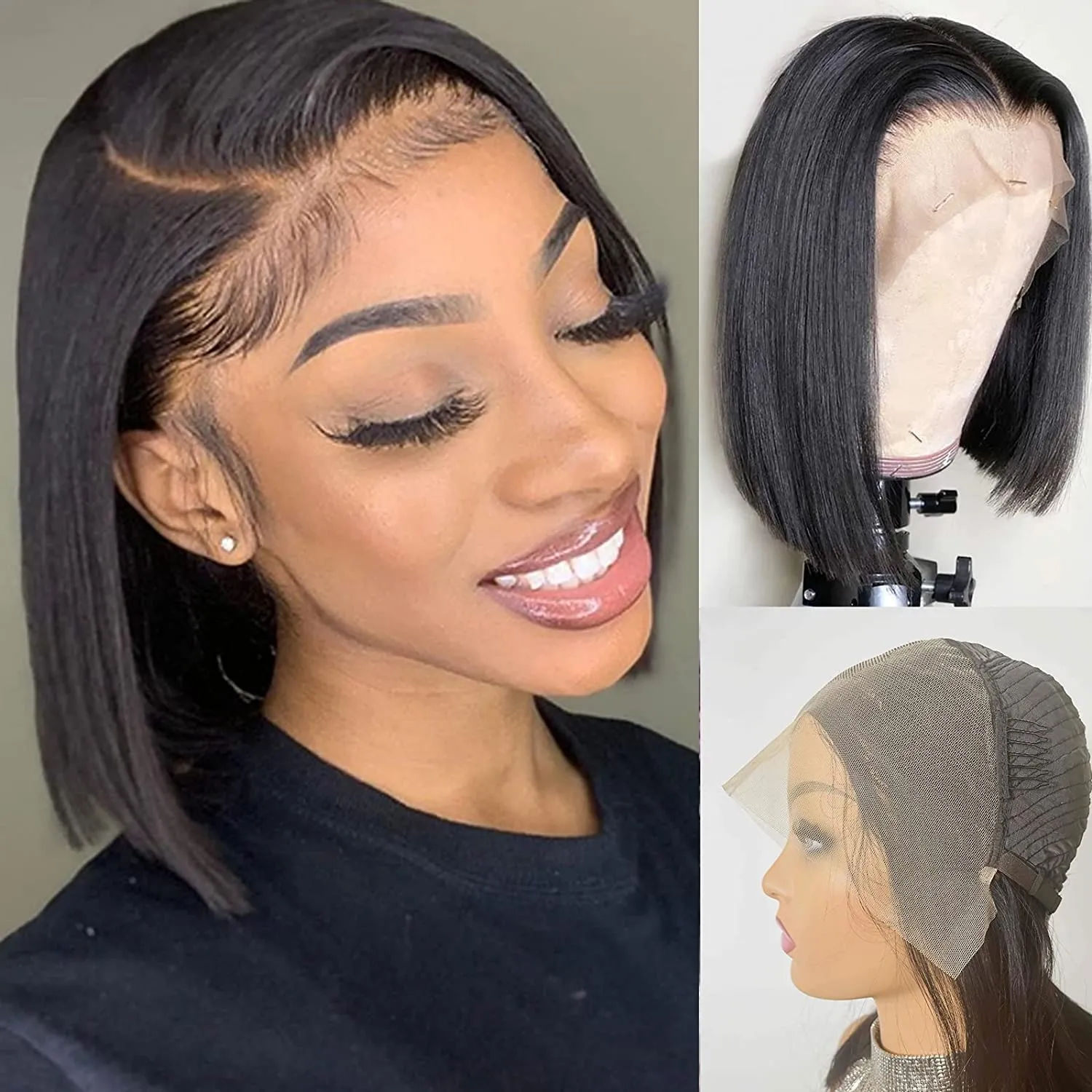
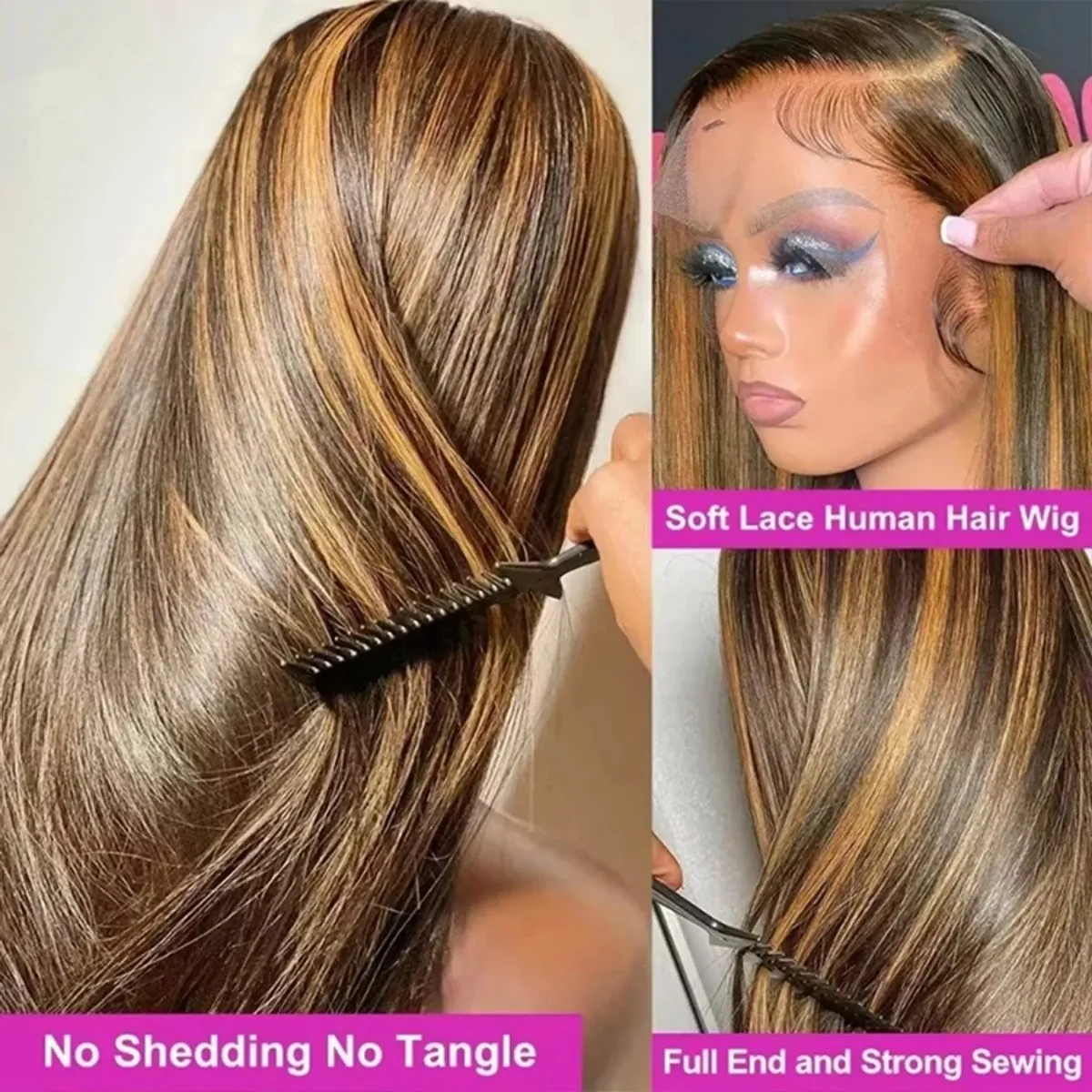
Jackson's wigs were, by all accounts, extraordinary pieces of craftsmanship. He worked with top Hollywood wig makers who created custom pieces designed to withstand the physical demands of his performances — the spins, the grabs, the gravity-defying leans. These weren't off-the-shelf units. They were custom-designed, hand-tied, ventilated lace wigs secured with medical-grade adhesives, colored and cut to his specifications.
The styles changed across his eras — from the Jheri curl look of the Thriller period (which may have been his natural hair with pieces filling in the damaged areas) to the long, straight styles of the later years (which were predominantly full wigs). Each era's hair was as carefully designed as the choreography and the costumes. The wigs were performance tools, built to move the way he needed them to move, look the way he wanted them to look, and stay secure through movement that would dislodge a lesser piece.
Michael Jackson's wig-wearing was treated by the media as another piece of evidence in the "weird Michael Jackson" narrative — one more thing that made him strange, artificial, unknowable. But when you understand the medical reality, the story flips completely. Here was a man who survived a traumatic accident that left him permanently scarred, living with two autoimmune conditions, performing at a level that would exhaust a perfectly healthy person — and he used wigs, skillfully and unapologetically, to present the image he wanted the world to see. That's not weird. That's resilience.
Millions of people wear wigs for medical reasons. Burns, alopecia, chemotherapy, trichotillomania, lupus, and dozens of other conditions make wigs a medical necessity, not a cosmetic indulgence. The way the media treated Jackson's wig-wearing — as spectacle rather than adaptation — said more about the media than it did about him.
You don't owe anyone your medical history. If you wear a wig because of a health condition, you get to decide whether and how to share that. If you wear a wig because you feel like it and there's no medical reason at all, that's equally valid. Michael Jackson's story is a reminder that you never know what someone is dealing with — and that the judgment people pass on others' appearance usually reveals their own ignorance, not the wearer's shortcomings.
We believe wigs are for everyone — medical reasons, style reasons, confidence reasons, or reasons that are nobody's business but yours. Whatever brings you here, you're welcome.