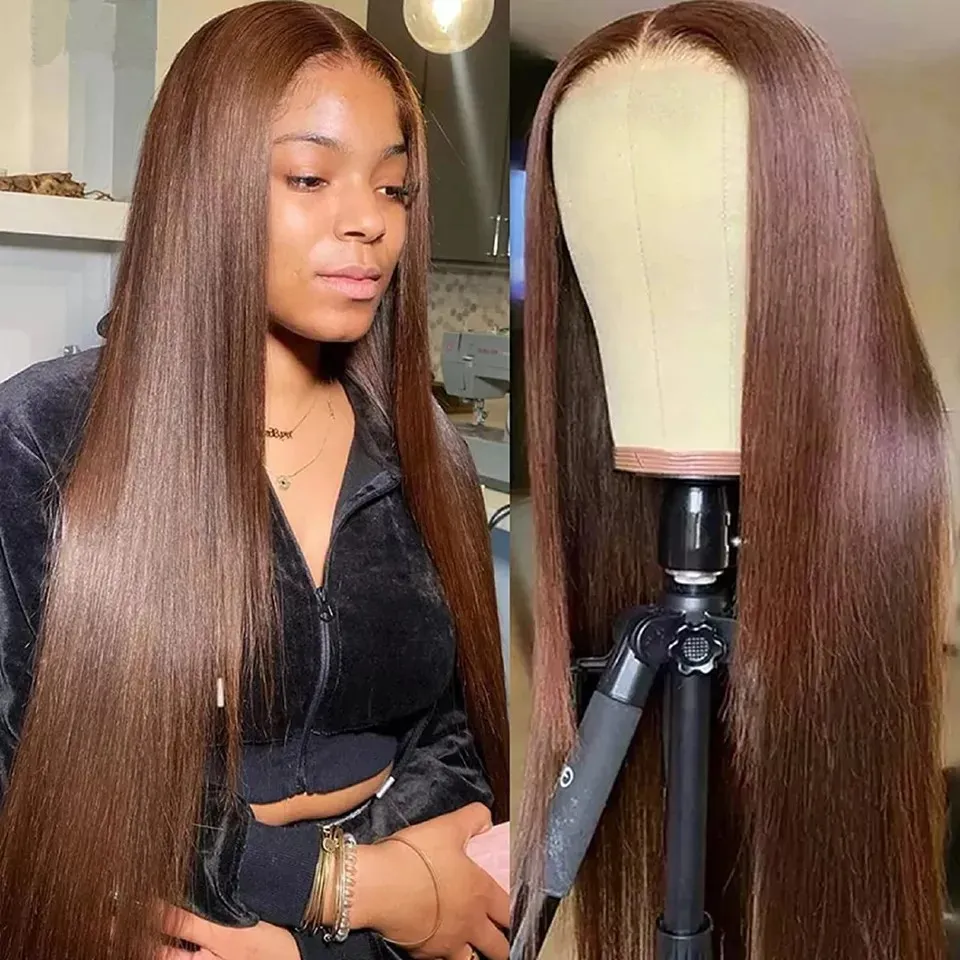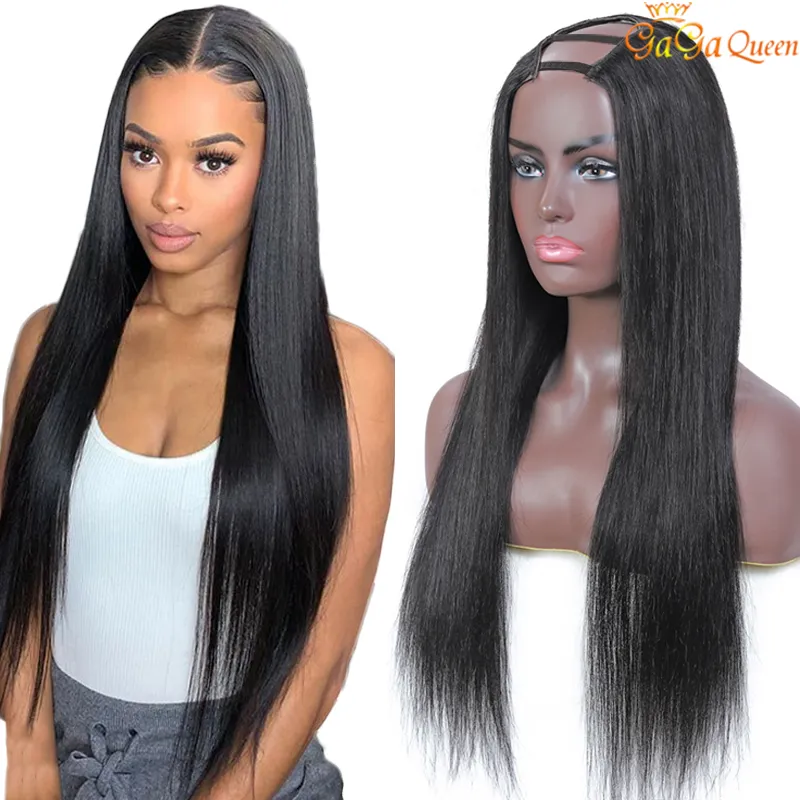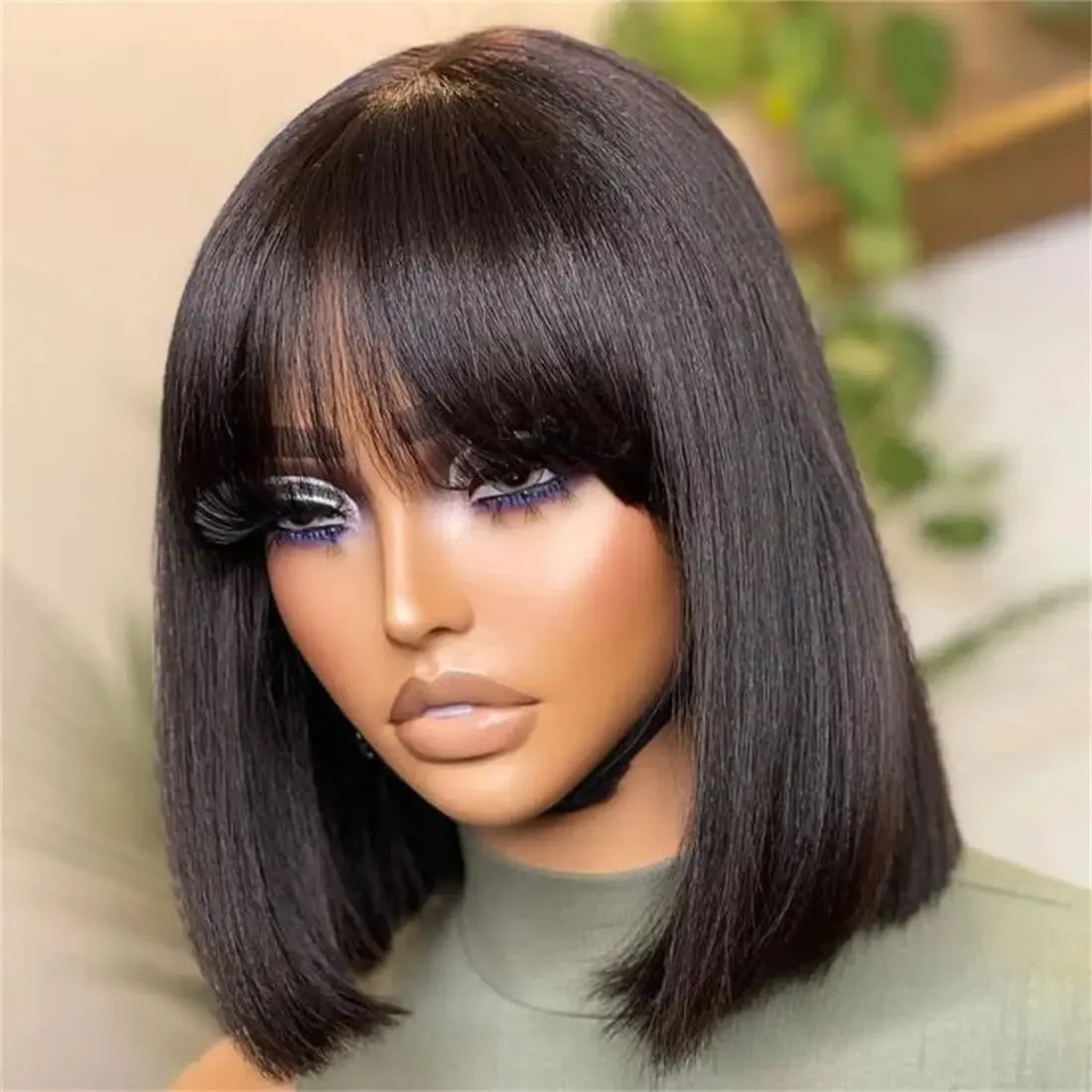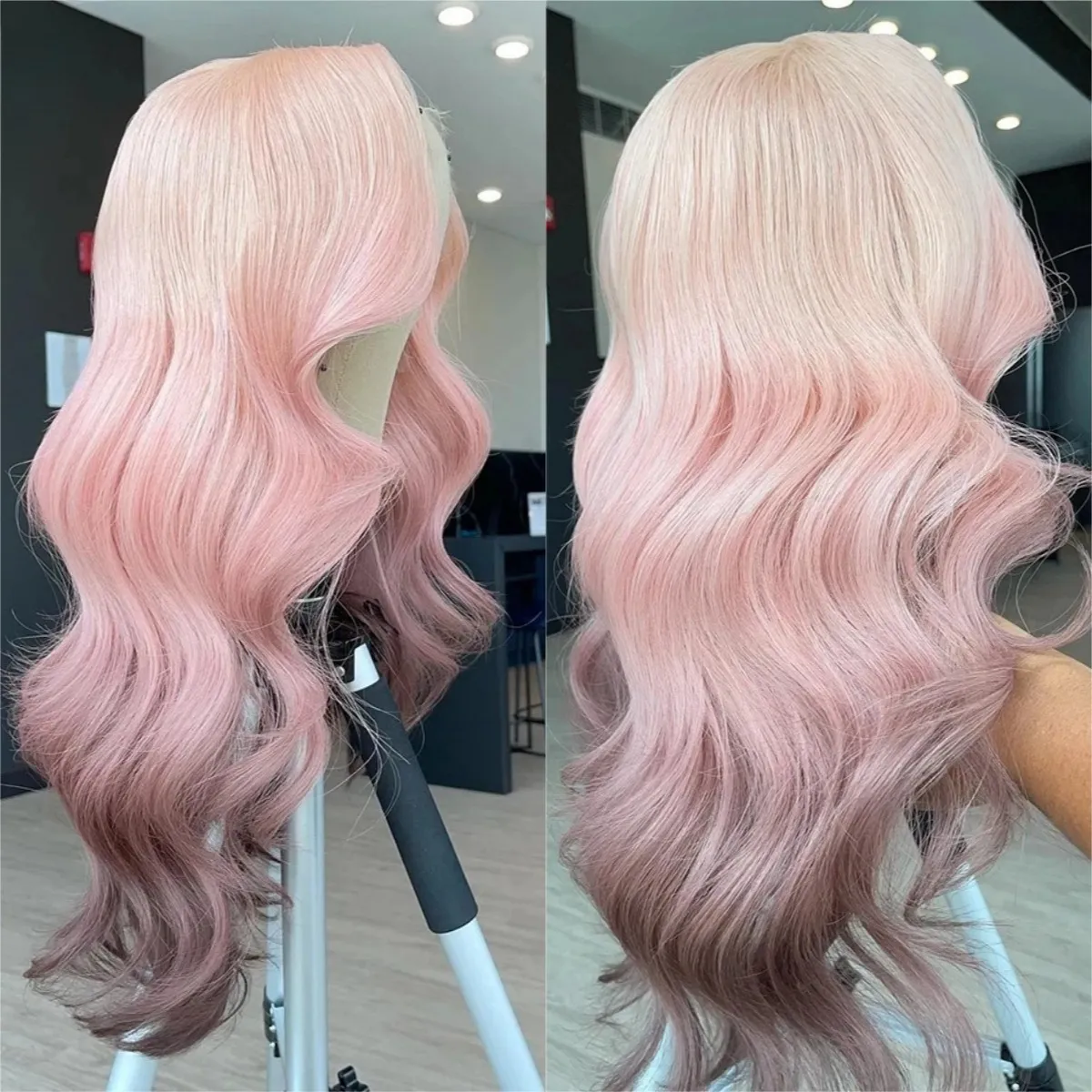






You know that moment when you pull a synthetic wig out of your bag or off the wig stand and the back of it — the nape area specifically — looks like a bird tried to build a nest in it? That matted, fuzzy, I-don't-even-know-where-to-start tangle is the synthetic wig owner's universal frustration. The good news: most tangles are fixable. The better news: once you understand why synthetic hair tangles differently than human hair, you'll stop making the mistakes that cause it.
Synthetic wig fibers are essentially plastic — high-quality plastic engineered to mimic hair, but plastic nonetheless. Unlike human hair, which has overlapping cuticle scales that can be smoothed in one direction, synthetic strands are uniform. When they rub against each other, against clothing, against a car headrest, they generate friction. That friction creates static. That static makes individual strands cling to each other in directions they shouldn't. Multiply that by thousands of strands rubbing all day, and you get a mat.
The nape is ground zero because that's where the wig makes contact with your collar, your seat, your pillow. It's also the area that gets the least attention during maintenance because you can't see it easily. By the time you notice it, it's already bad.
If you take nothing else from this article, take this: never brush a synthetic wig from root to tip. That's how you create knots instead of removing them. The correct motion is always ends-first. Start at the very bottom inch of the hair. Work that section free. Then move up another inch. Then another. Each time you free the ends before touching what's above them.
And for the love of everything, use the right tool. A regular paddle brush will rip fibers out of the cap. A fine-tooth comb will catch on every tiny knot and make things worse. What you need is a wide-tooth wig comb or a loop brush designed specifically for wigs. These have rounded teeth or flexible loops that glide through the fiber without snagging. They cost maybe eight dollars and they'll save you from ruining a wig you paid ten times that for.
Every beauty supply store sells "wig detangler spray." Some of them work. Some of them are basically scented water in a bottle. The active ingredient that actually helps is silicone — dimethicone or cyclomethicone on the label. Silicone coats each fiber and reduces friction, which is the root cause of the tangling.
Here's what I use and what I tell customers: mix your own. A spray bottle with mostly water, a tablespoon of leave-in conditioner formulated for synthetic hair (regular conditioner will build up), and about a teaspoon of pure silicone serum from the ethnic hair section. Shake it. Spray generously on the tangled section. Let it sit for 30 seconds to penetrate. Then start combing from the ends. The difference is night and day.
Synthetic fibers have "style memory" — the shape they were manufactured with. Heat and steam can temporarily change that shape, but water resets it. If your synthetic wig has developed weird kinks from being stored wrong or worn in a ponytail too long, a full wet-detangle can reset the fibers to their original texture.
Fill a sink with cool water (never hot — hot water can permanently alter synthetic fiber). Add a capful of synthetic wig shampoo. Submerge the wig and gently swish it — don't rub or wring. Work the detangler spray through the worst areas while the wig is wet. Use your wide-tooth comb, ends-first, in the water. Rinse thoroughly. Place the wig on a stand to air dry completely before brushing again. Wet synthetic fibers are more fragile than dry ones — this is not the time to be aggressive.
If you've got a section that's matted so tight it won't respond to spray and combing, a handheld garment steamer can save it. Hold the steamer about 6 inches away from the tangled section — you want steam, not direct heat. As the steam relaxes the fibers, gently work the tangle apart with your fingers first, then your comb. This works because steam gently softens the synthetic fiber without the risk of melting that direct heat from a flat iron would cause.
Warning: if your wig is not labeled heat-friendly, do not use any direct heat tool on it. No flat irons, no curling wands, no blow dryers on hot. Heat-resistant synthetic can handle up to about 350°F. Regular synthetic cannot. If you're not sure which one you have, don't apply heat.
After every single wear, do these three things:
If you sleep in your wig — and I know some of you do — this tangling is going to happen faster. A silk or satin pillowcase reduces friction, and a silk bonnet over the wig helps even more. But ideally, the wig comes off at night. The fibers need recovery time just like your natural hair does.
Synthetic wigs have a lifespan. Even with perfect care, the fibers degrade over time. When you start seeing frizz at the ends that won't smooth down no matter what you do, when the cap is shedding fibers every time you comb, when the original style won't hold even after a wash-and-reset — that wig has served its time. A quality synthetic wig that's worn regularly should last 3 to 6 months with good care. A human hair wig can last years. If you're fighting the same tangles every single day, you're not maintaining at that point. You're just delaying the replacement.
We stock both synthetic and human hair wigs, and we won't pretend one is always better than the other. Synthetic is affordable and low-maintenance if you treat it right. Human hair lasts longer and styles more freely. The right choice is the one that fits your life.