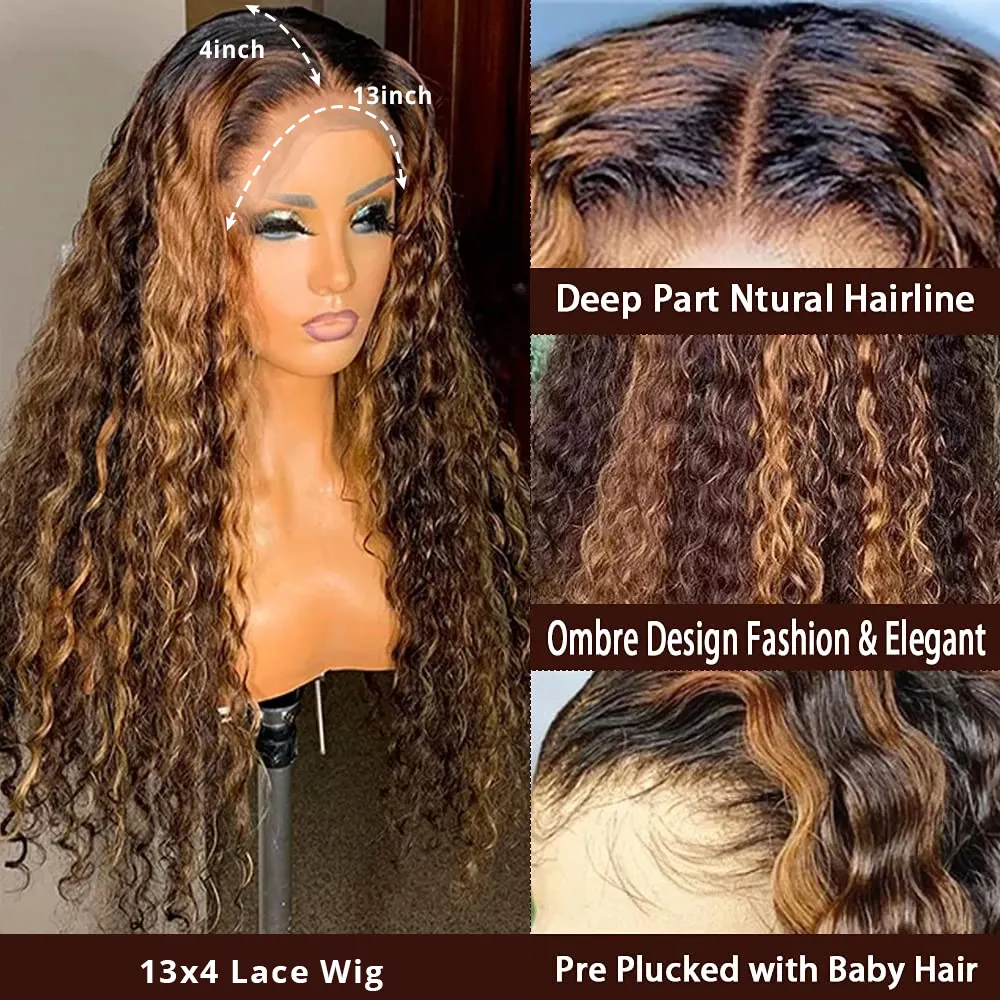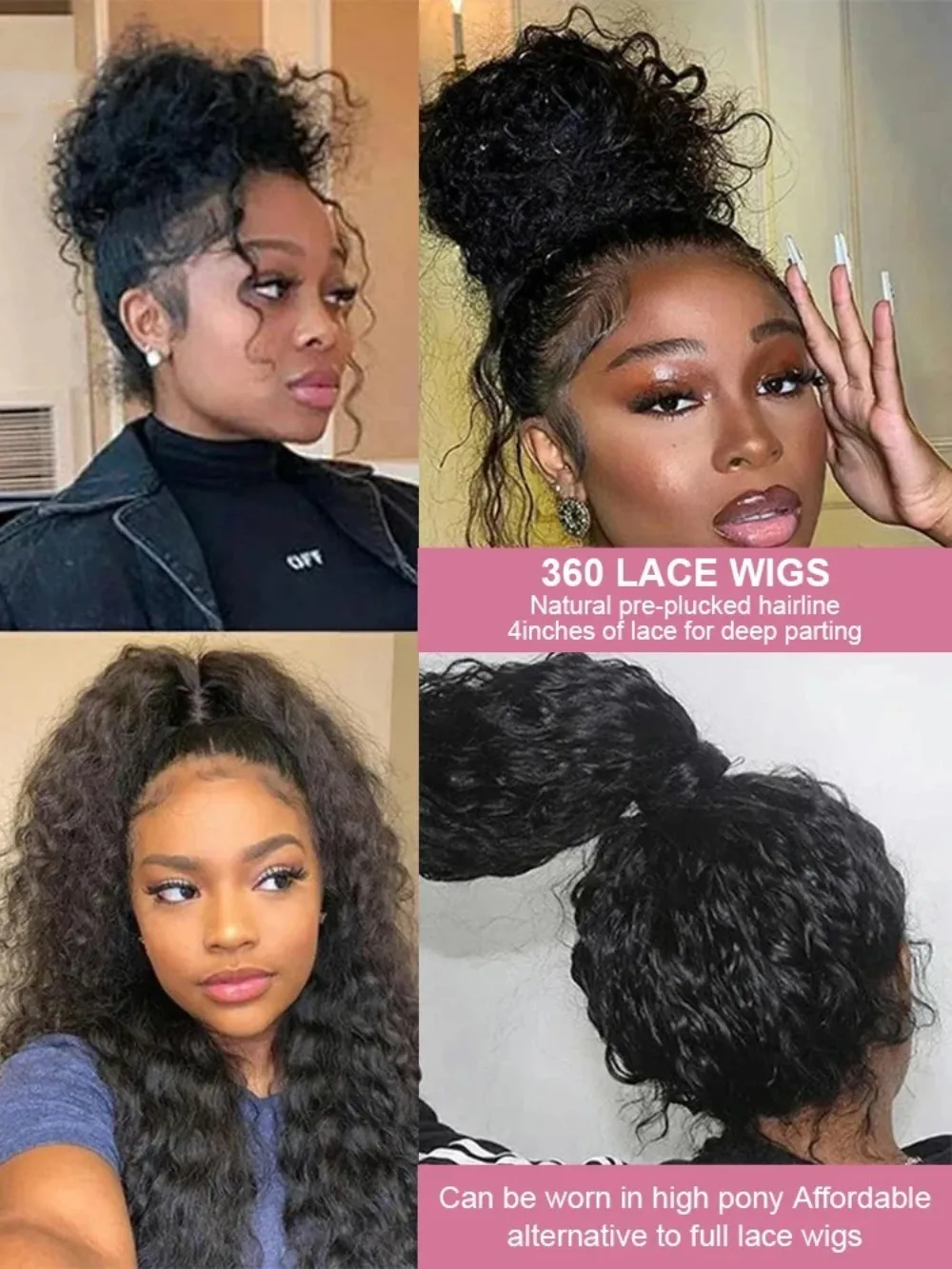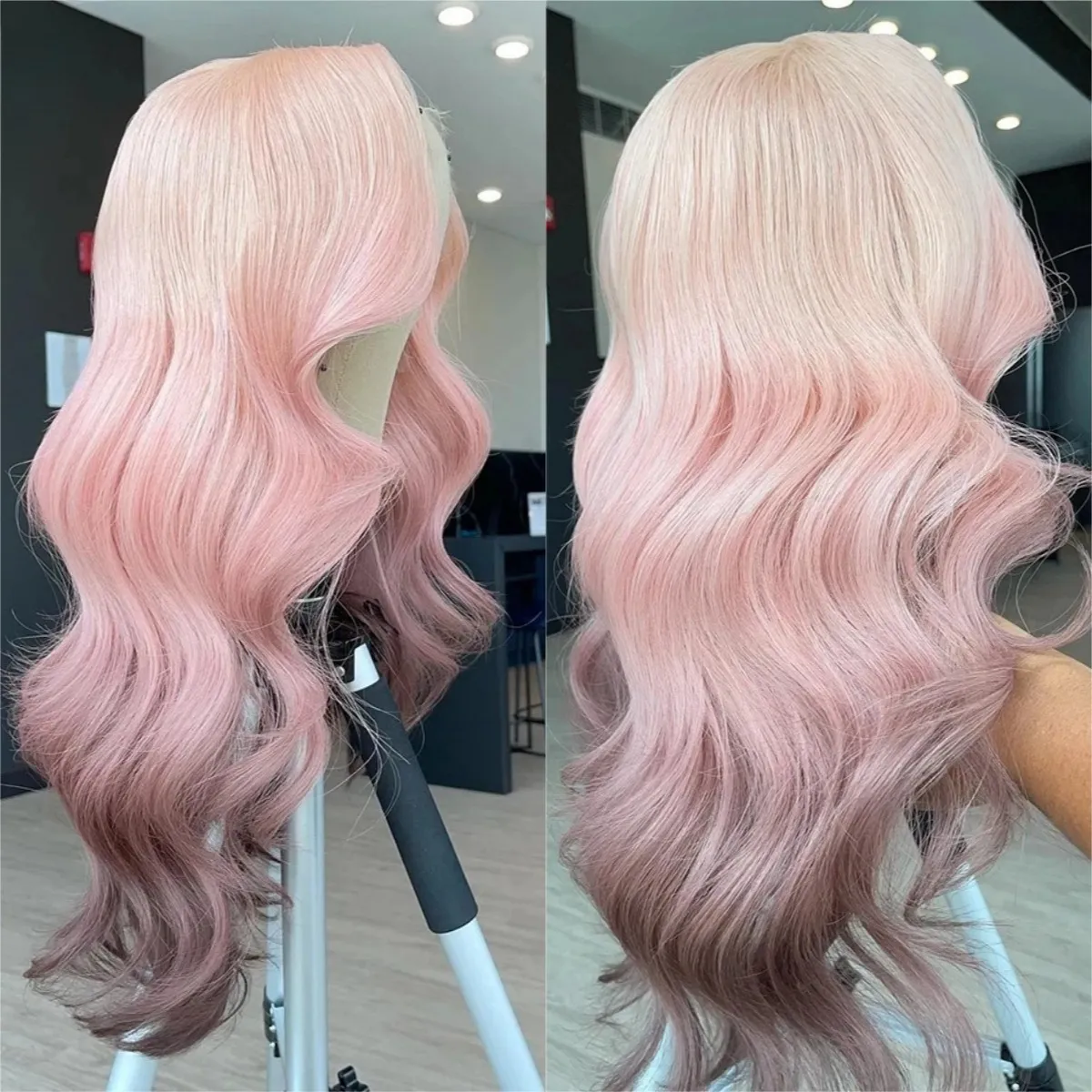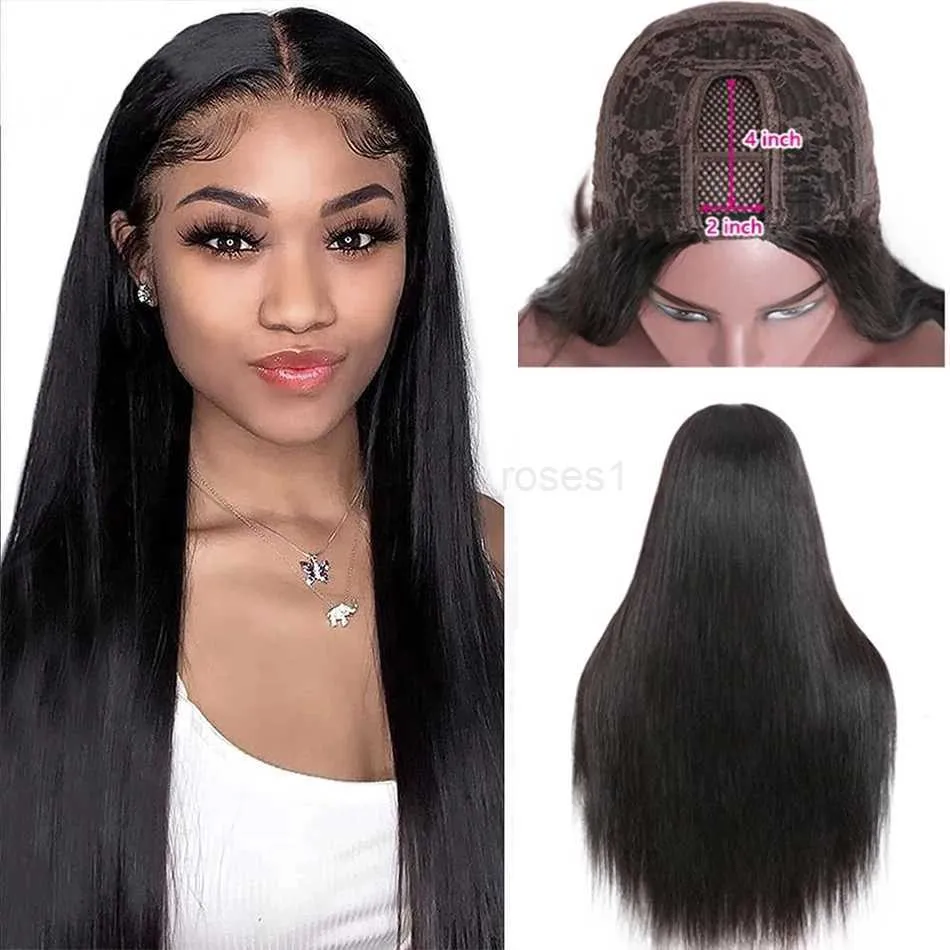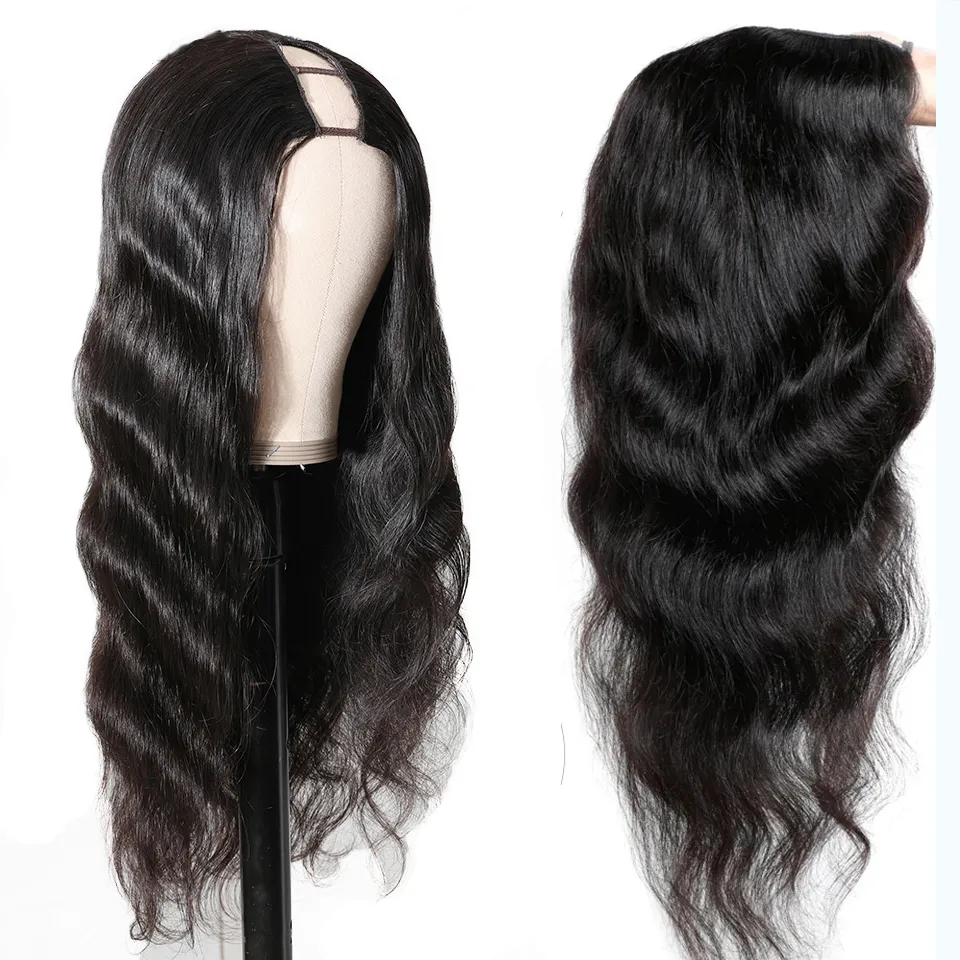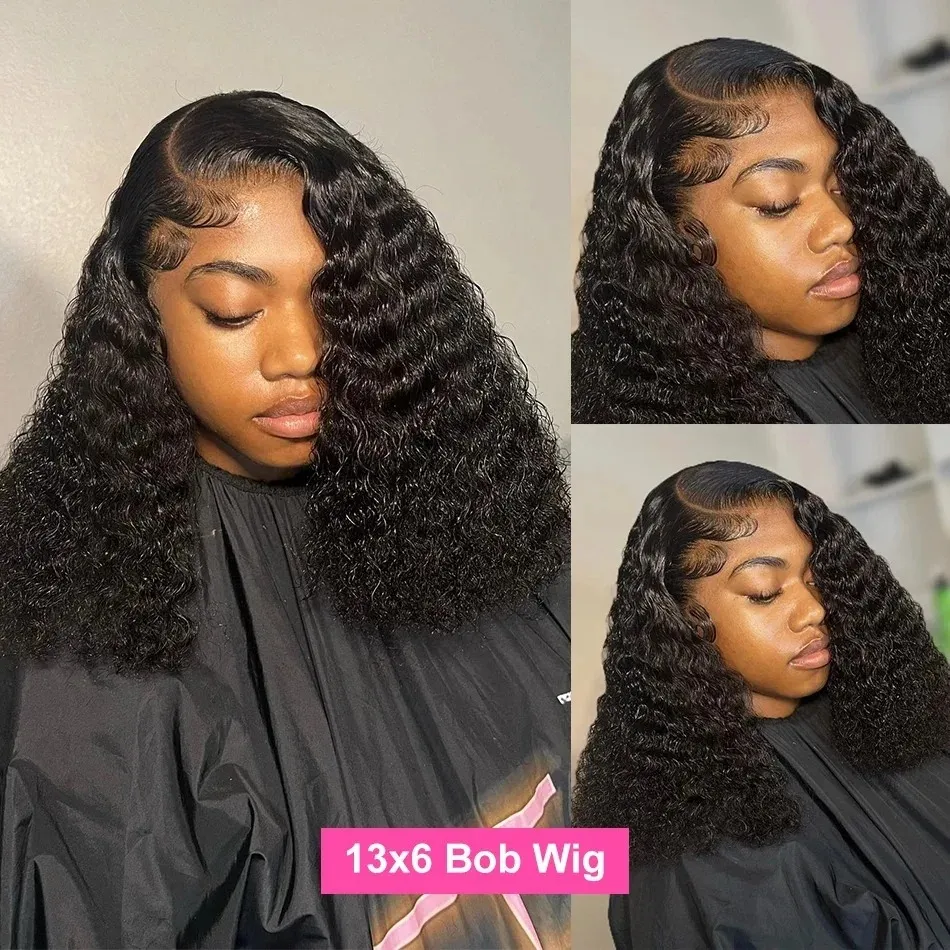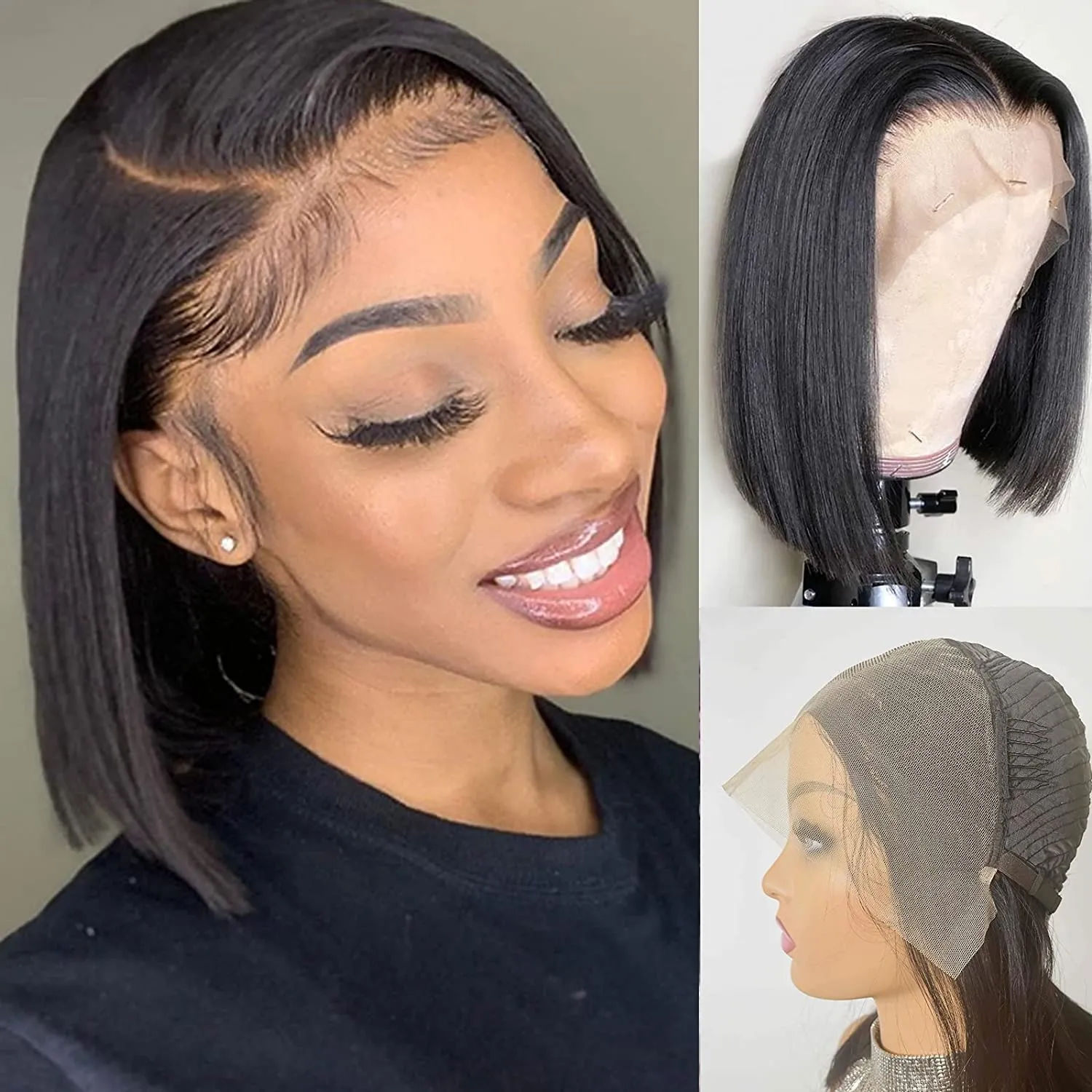






Despite the name, a capless wig does have a cap — it's just an open-wefted one. Instead of a solid fabric base, a capless wig has rows of hair wefts sewn onto thin, breathable strips with open space between them. The "capless" refers to the absence of a solid, closed cap — the open construction allows air to flow through, making these the most lightweight and breathable wigs available.
Capless wigs are ideal for hot climates, beginners, and anyone who prioritizes comfort over maximum realism. They're typically priced $25–70 for synthetic, making them the entry-level option in the wig world.
Human hair for wigs comes from donors around the world — primarily women who sell their hair for income. The largest sources:
| Country | Known for | Typical grade |
|---|---|---|
| India | Temple hair — donated by pilgrims at temples like Tirupati, then auctioned to hair processors | Remy, virgin available; wide texture range |
| China | Factory-processed, thick straight hair; largest volume exporter | Often processed; quality varies widely |
| Brazil | Soft texture, holds curls well; popular for body wave and loose wave styles | Virgin available; premium priced |
| Malaysia | Heavy, silky texture; naturally dark; very durable | Virgin available; mid-to-premium range |
| Peru | Light, soft texture; blends well with relaxed hair | Virgin available; premium priced |
After collection, hair is sorted by length, washed, chemically treated to remove lice, aligned by cuticle direction (for Remy), dyed to desired colors, and shipped to wig manufacturers — primarily in China, which produces the majority of the world's finished wigs. The entire supply chain from donor to finished wig typically spans 3–6 months.
💰 Why human hair wigs cost more: The raw material (human hair) is a finite commodity. Temple donations happen on religious schedules, not manufacturing schedules. Virgin hair — never chemically processed — is rarer and more expensive. The labor for hand-ventilating human hair into a lace cap is intense (40–60 hours per full lace wig). All three factors — material scarcity, processing complexity, and labor — combine to make human hair wigs 3–10x the price of synthetic equivalents.
Whether you choose a breathable capless synthetic or a premium human hair wig, you deserve to know what you're buying and where it came from. We're transparent about our sourcing — because you should never have to guess.