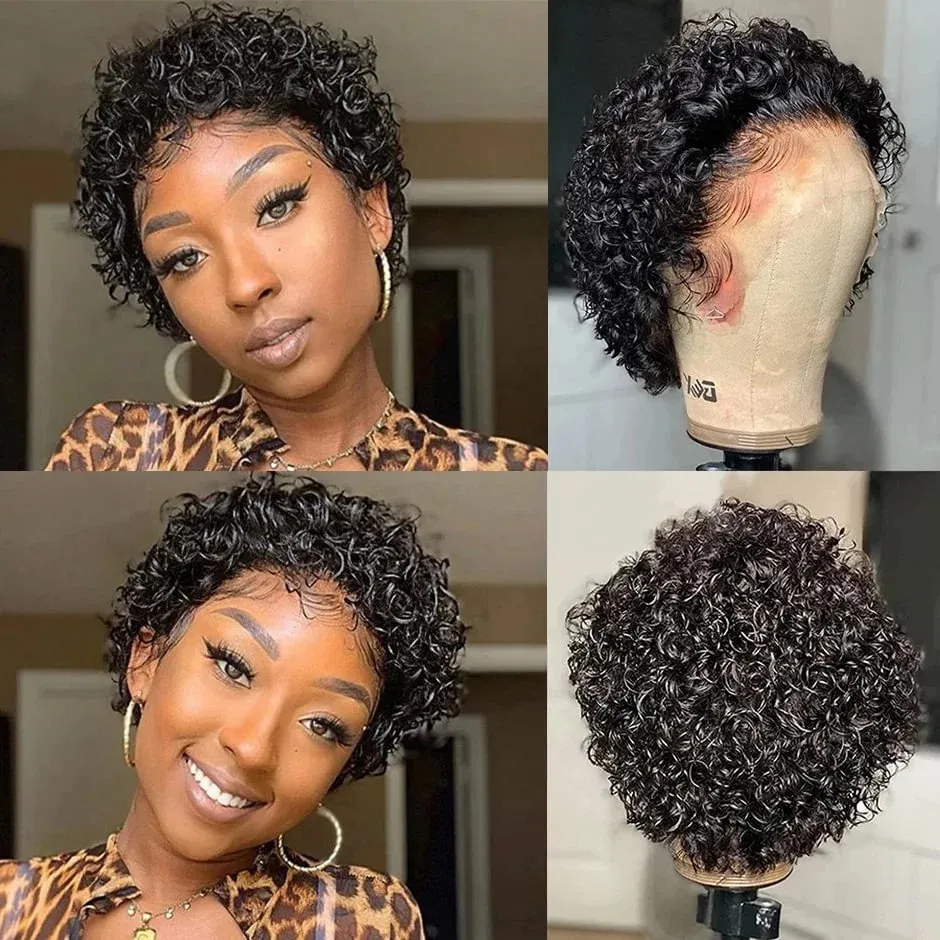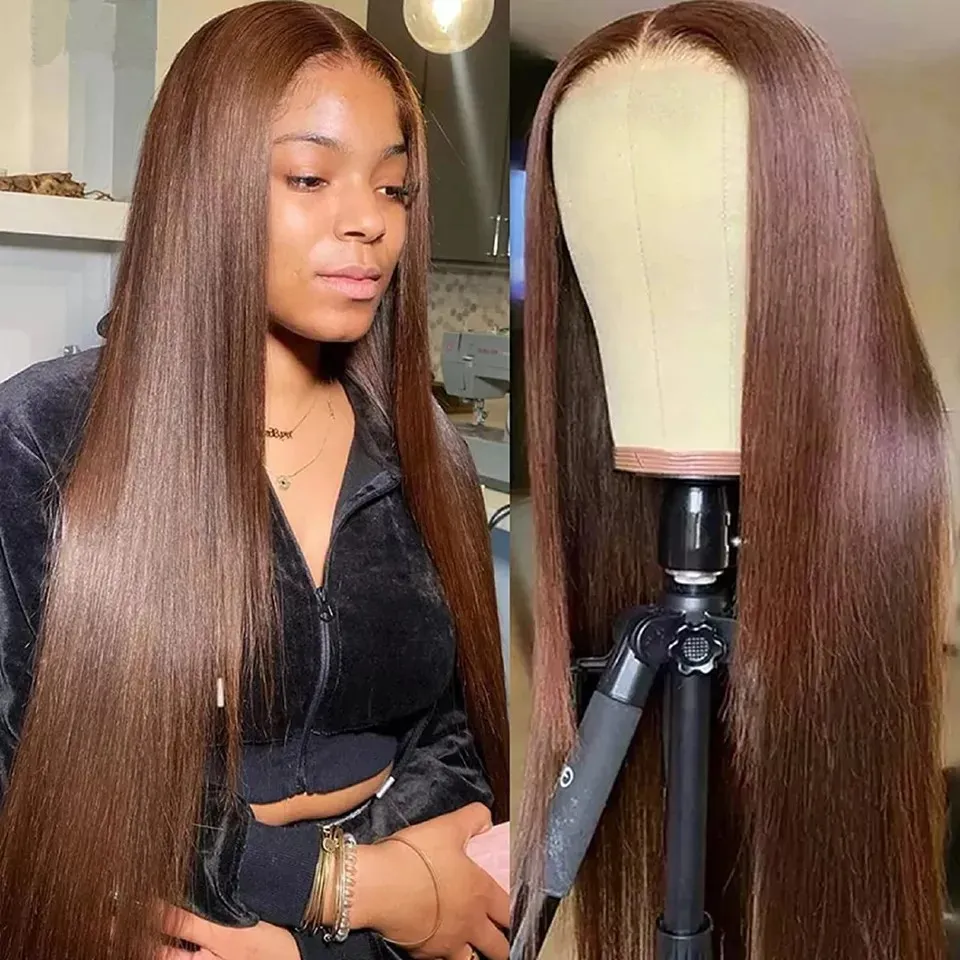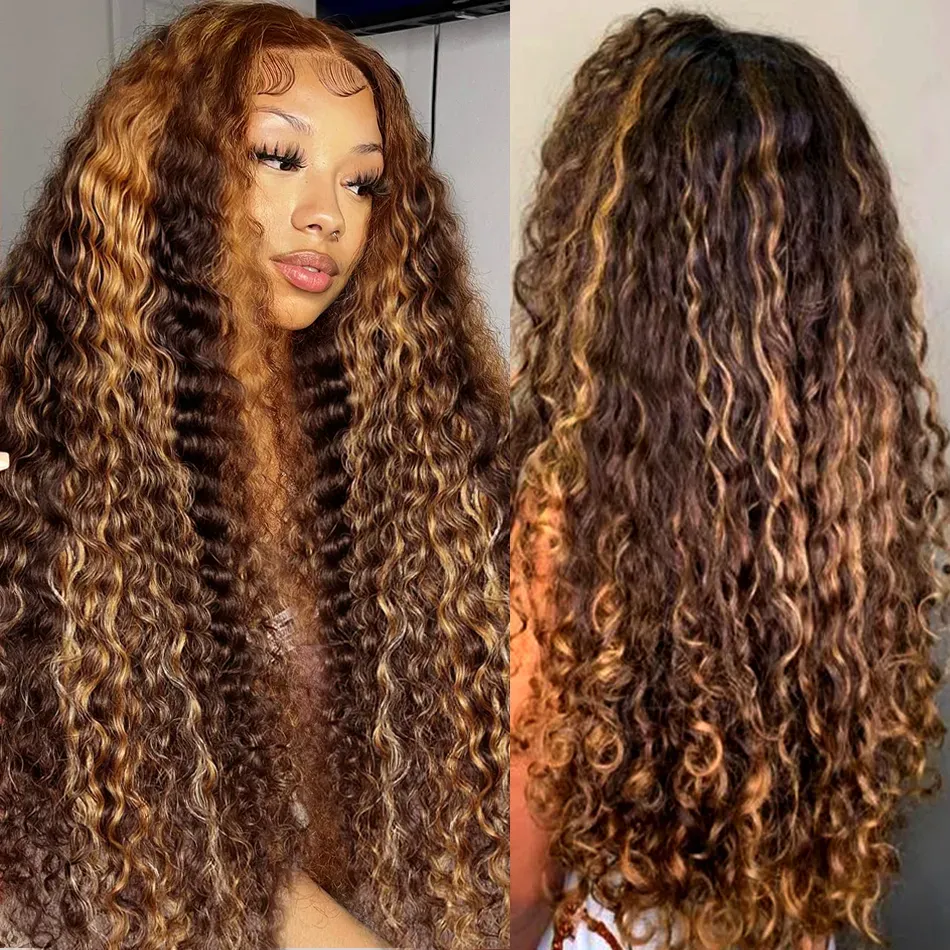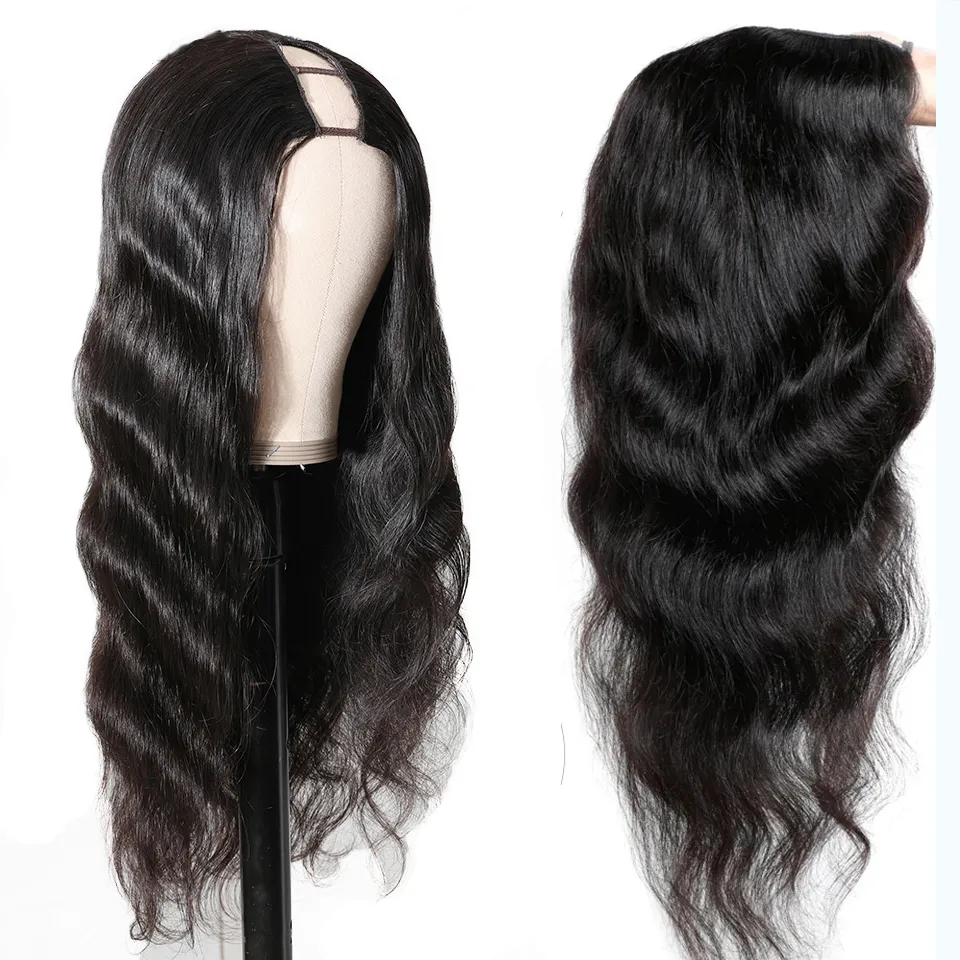








Every wash — even a gentle, correct, wig-shampoo-in-cool-water wash — slightly degrades the wig. The fibers lose a microscopic amount of their coating. The knots loosen by an imperceptible fraction. The cap stretches and contracts with the water temperature. A wig that's washed weekly might last 3 months. The same wig washed every two weeks with proper between-wash maintenance can last 5 or 6. The goal isn't to wash more. The goal is to clean more intelligently between washes.
The inside of the wig cap is where the real "dirty" accumulates. Your scalp produces oil constantly. That oil transfers to the wig cap. Oil attracts dirt. Dirt creates odor. And you're wearing this thing pressed against your skin for hours at a time.
After every wear, turn the wig inside out and do a quick inspection. If the cap looks shiny in spots (oil), feels tacky to the touch, or has any odor, it needs attention. Take a clean washcloth dampened with cool water and a single drop of mild soap — baby shampoo or a gentle face wash — and gently wipe the inside of the cap, focusing on the forehead area and the nape. Follow with a second damp cloth with just water to remove any soap residue. Let the cap air dry completely before wearing again. This takes two minutes and extends the time between full washes significantly.
This is the wig equivalent of dry shampoo for natural hair. For human hair wigs, you can use actual dry shampoo — a light spritz at the roots and along the part line, then gently massage it in and brush it through. For synthetic wigs, traditional dry shampoo can leave a white residue that's hard to remove from synthetic fibers. Instead, use a dry shampoo specifically formulated for wigs, or in a pinch, a very light dusting of cornstarch applied with a makeup brush to the cap area only — not the hair. The cornstarch absorbs oil from the cap. Brush the wig gently to distribute and remove any visible powder.
For both human hair and synthetic: a silicone-based wig shine spray applied lightly to the ends can revive a wig that's starting to look dull. Don't overdo it — too much silicone spray makes the hair look greasy and attracts dust. One or two mists from about 12 inches away, focused on the bottom half of the hair, is usually enough.
Sometimes the nape is matted and grimy but the rest of the wig is fine. Sometimes product has built up around the hairline from adhesive. You don't need to wash the entire wig for a localized problem.
For a dirty nape or ends: mix a drop of wig shampoo into a cup of cool water. Dip just the affected section into the water. Gently work the soapy water through with your fingers. Rinse that section under cool running water. Towel-blot gently. Let that section air dry. The rest of the wig stays dry and undisturbed.
For adhesive residue on the lace: use a cotton swab dipped in adhesive remover or rubbing alcohol (test on an inconspicuous area first — some laces are more delicate than others). Gently work the residue off the lace without saturating the hair. Let the area dry completely before storing the wig. Residue that's left on lace will attract dirt and eventually discolor the lace.
If you share wigs (performers, costume departments, friends who swap), if you've been sick while wearing a wig, or if you bought a used wig, cleaning isn't enough — you need to sanitize. Human hair wigs can be sanitized with a diluted white vinegar rinse (one part vinegar to three parts cool water, soak for 10 minutes, rinse thoroughly). The vinegar kills bacteria and removes product buildup without damaging the hair. For synthetic wigs, a similar vinegar solution works, but keep the soak to 5 minutes and rinse extremely thoroughly — any residual vinegar smell will linger in synthetic fibers.
Do not use bleach, rubbing alcohol (except on the lace), or harsh disinfectants on wig hair. These will destroy human hair and melt or discolor synthetic fibers. If you need a deeper sanitization than vinegar can provide, it's time for a professional cleaning or a new wig.
A wig that's stored dirty gets dirtier. The oils, products, and environmental particles on the hair continue to break down the fibers while the wig sits unused. A wig that's stored clean, on a stand, in a dust-free environment will be ready to wear the moment you grab it. After every wear, do the 60-second cap check. Once a week, do the dry refresh. Every 10-12 wears, do the full wash. That's the rhythm. Stick to it, and your wig will look good for months longer than you expect.
A well-maintained wig is an investment that pays off every time you put it on. We'll help you find one worth maintaining.