






The Egyptians didn't just wear wigs — they built an entire culture around them. In the Egyptian climate, shaving the head was practical: it kept you cooler, prevented lice, and was easier to maintain than natural hair in the desert heat. But Egyptians also valued aesthetics, and a shaved head wasn't the look they wanted. Wigs solved the contradiction. You could shave your head for practical reasons and wear a wig for aesthetic and social ones.
Egyptian wigs were made from human hair, sheep's wool, and plant fibers (palm fiber was common). They were constructed by weaving hair through a fine netting cap, then styled into braids, curls, and elaborate shapes. Beeswax and resin held the styles in place. The wigs were scented with essential oils, petals, and wood chips — partly for fragrance and partly because washing a wig wasn't practical. One surviving wig artifact from ancient Egypt contains an estimated 120,000 individual hairs. This was not a casual accessory. This was craftsmanship at an extraordinarily high level.
Wigs in Egypt were also markers of status. The style, material, and complexity of a wig signaled the wearer's social position. Royalty and priests wore the most elaborate wigs. Even the gods were depicted wearing them. And in one of the most fascinating details: Egyptian pharaohs — including female pharaohs like Hatshepsut — wore "beard wigs," false beards made of human hair or wool, as symbols of divine authority. The wig wasn't just fashion. It was power, visibly worn.
Ancient Greece: actors wore wigs to distinguish characters in theater, the same way costume designers use wigs today. Ancient Rome: women wore wigs made from the blonde hair of conquered Germanic peoples — the first documented instance of hair color being used as a fashion statement and status marker. China: wigs appeared during the Spring and Autumn period (770-476 BCE), used in theater and by the elite. Japan: upper classes wore wigs before the Nara period (710-794 CE). Korea: gache — large, elaborate wigs — were popular among women until they were banned in the late 18th century because the weight was causing neck injuries and the cost was bankrupting families.
Each of these cultures independently arrived at the same solution: a removable head covering that mimics natural hair. The materials, styles, and social meanings varied, but the core concept was identical. The wig is not a European invention that spread outward. It's a human invention that emerged wherever people had hair, social structures, and the technology to weave and style fibers.
After the fall of Rome, wigs largely disappeared in Europe for about a thousand years. They returned in the 16th century, driven by two forces: Queen Elizabeth I, who wore a tightly curled red wig that became iconic, and King Louis XIII of France, who began balding prematurely and turned to wigs in 1624. Louis XIV — the Sun King — made wigs central to court fashion, and the European wig industry exploded from there. By the 1700s, the wig was the defining fashion accessory of the Western elite.
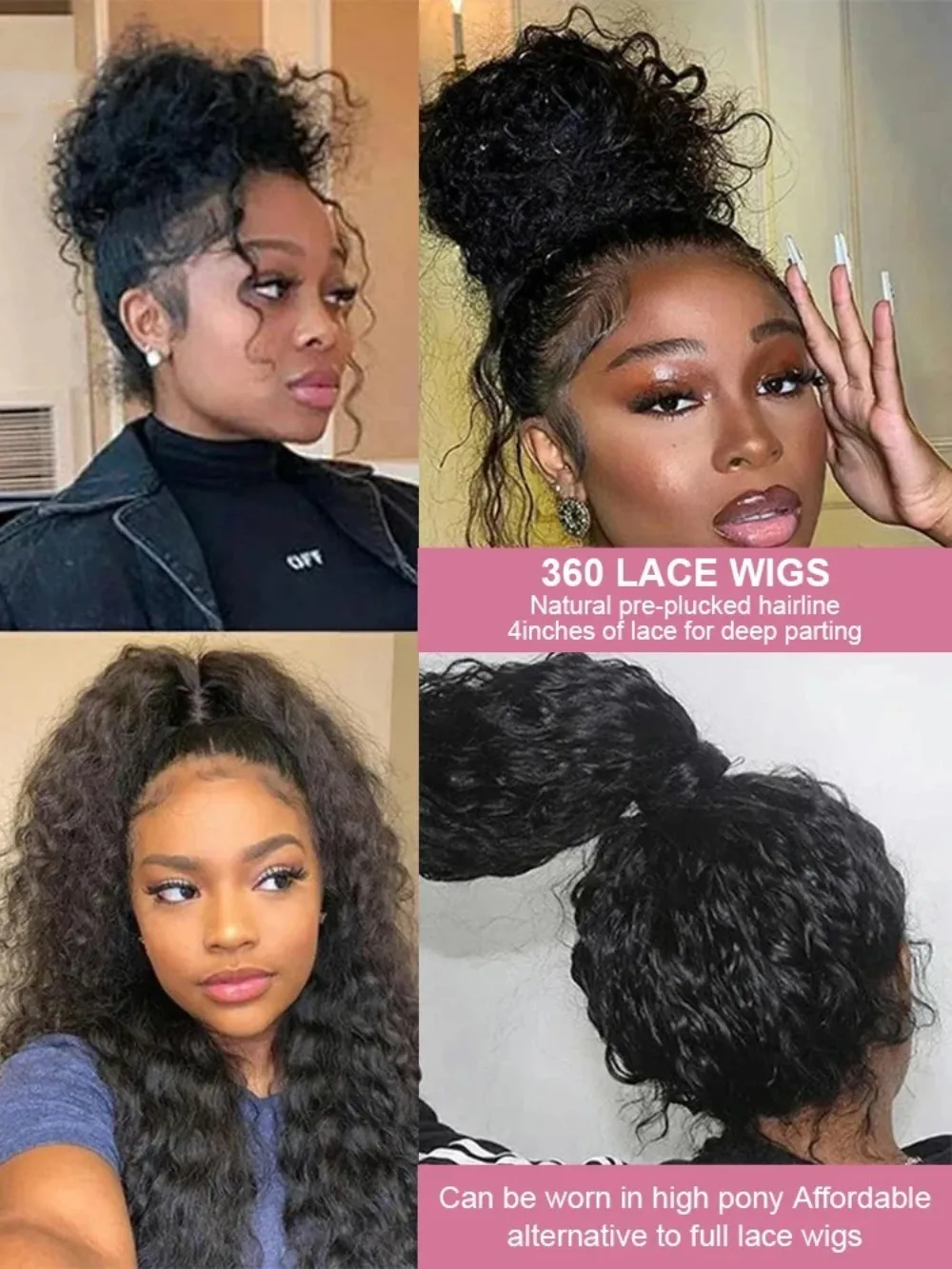
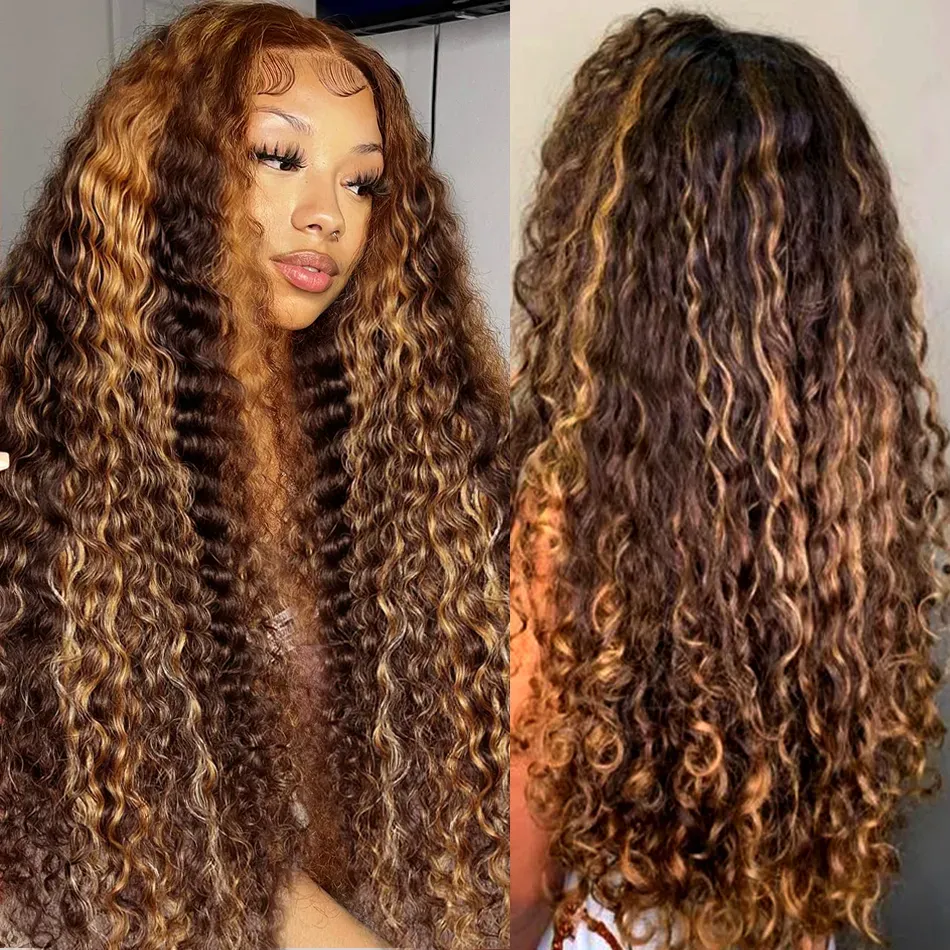
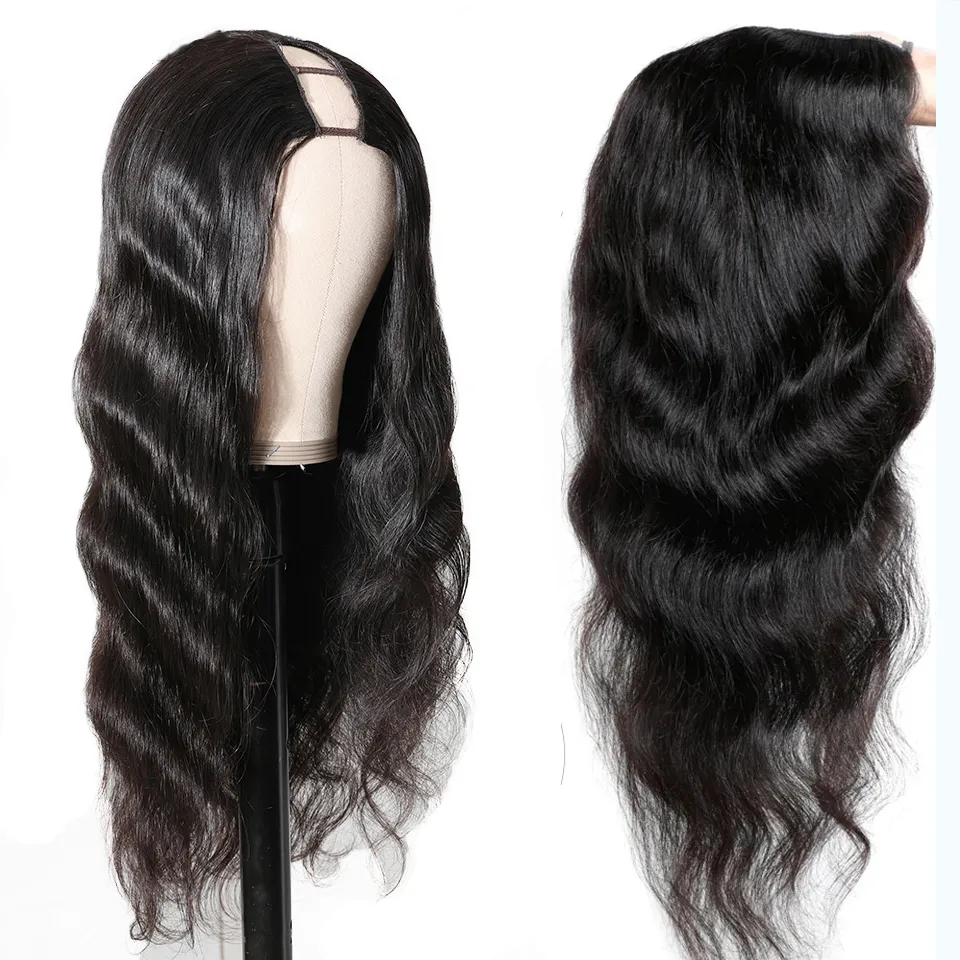
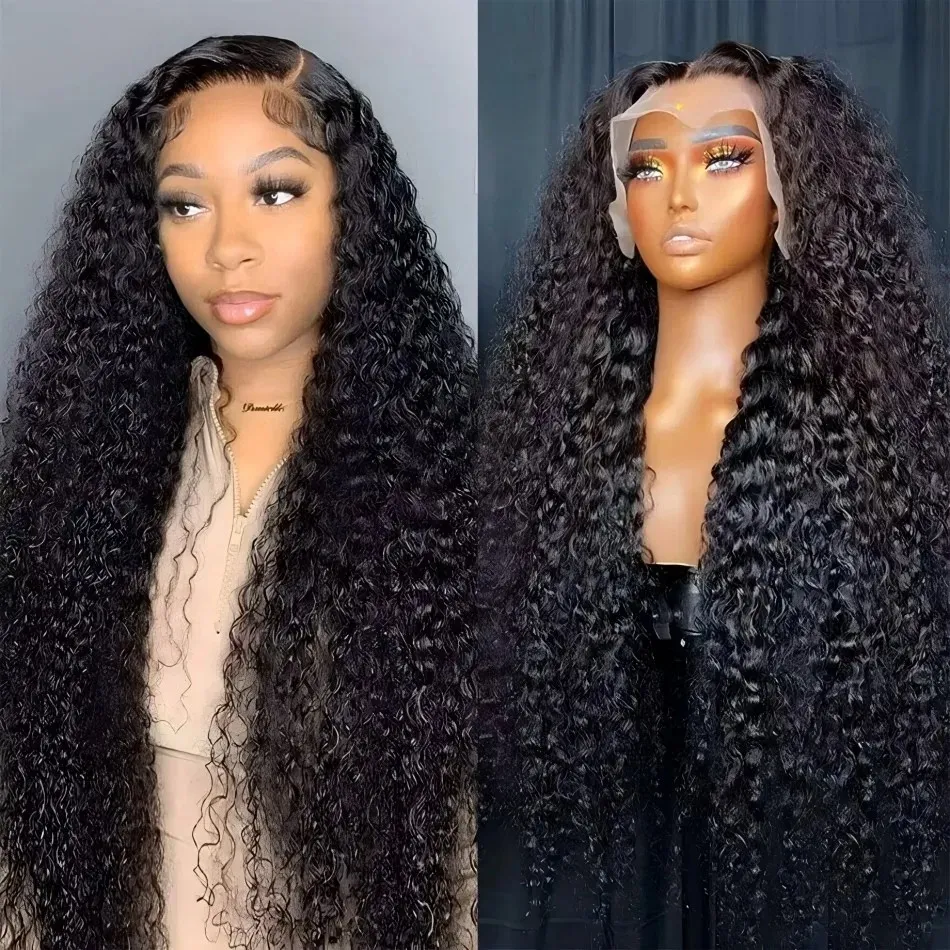
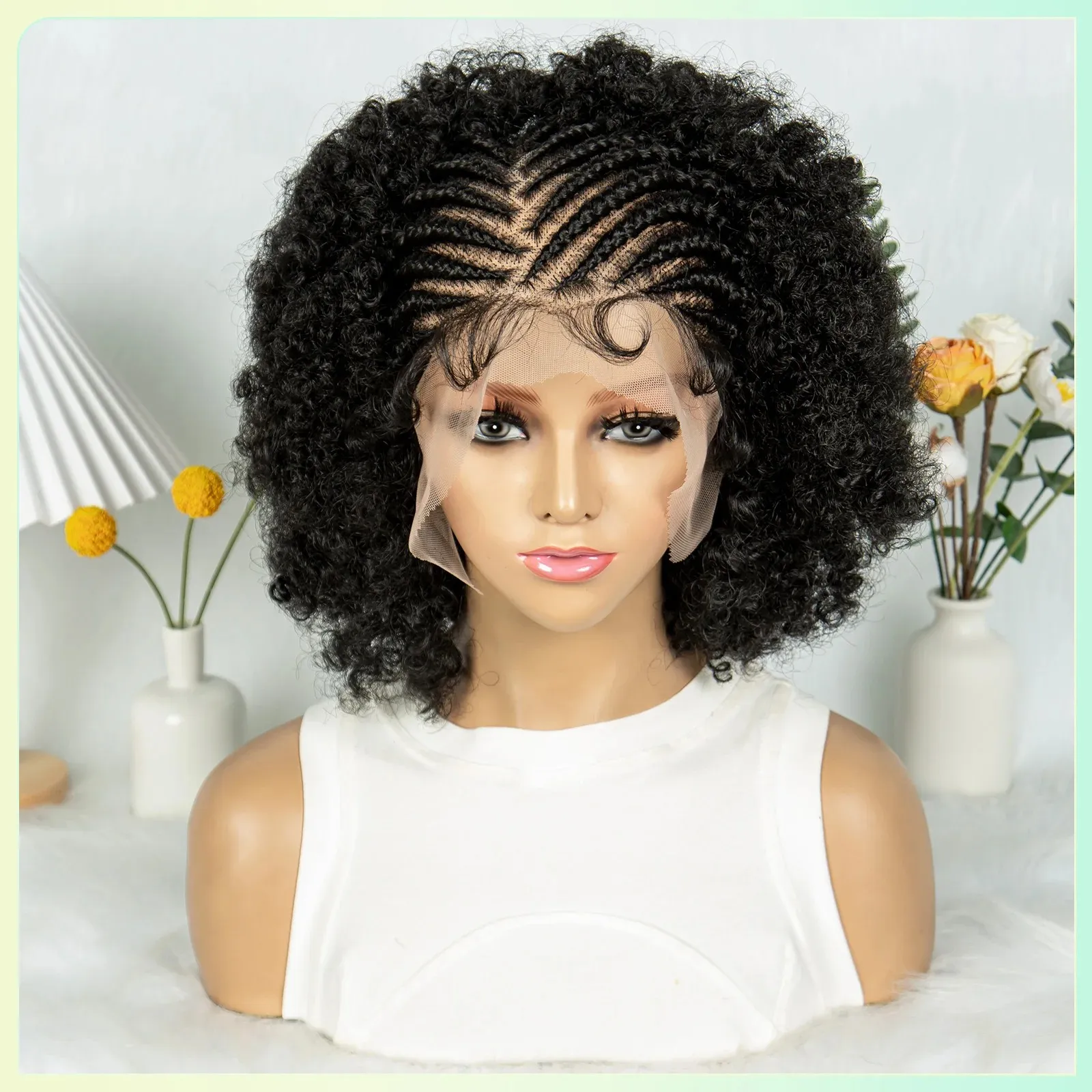
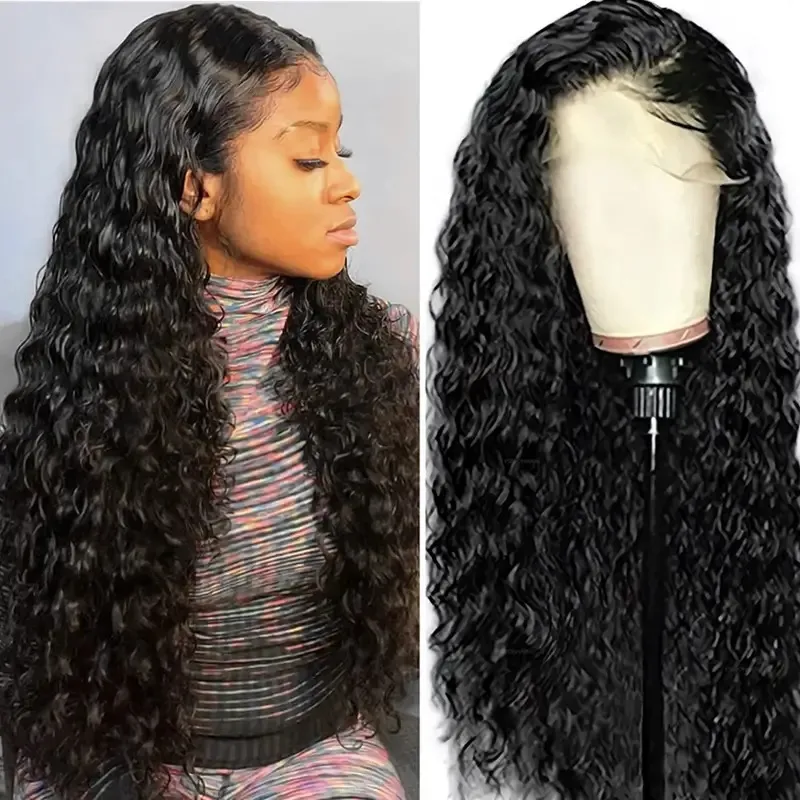
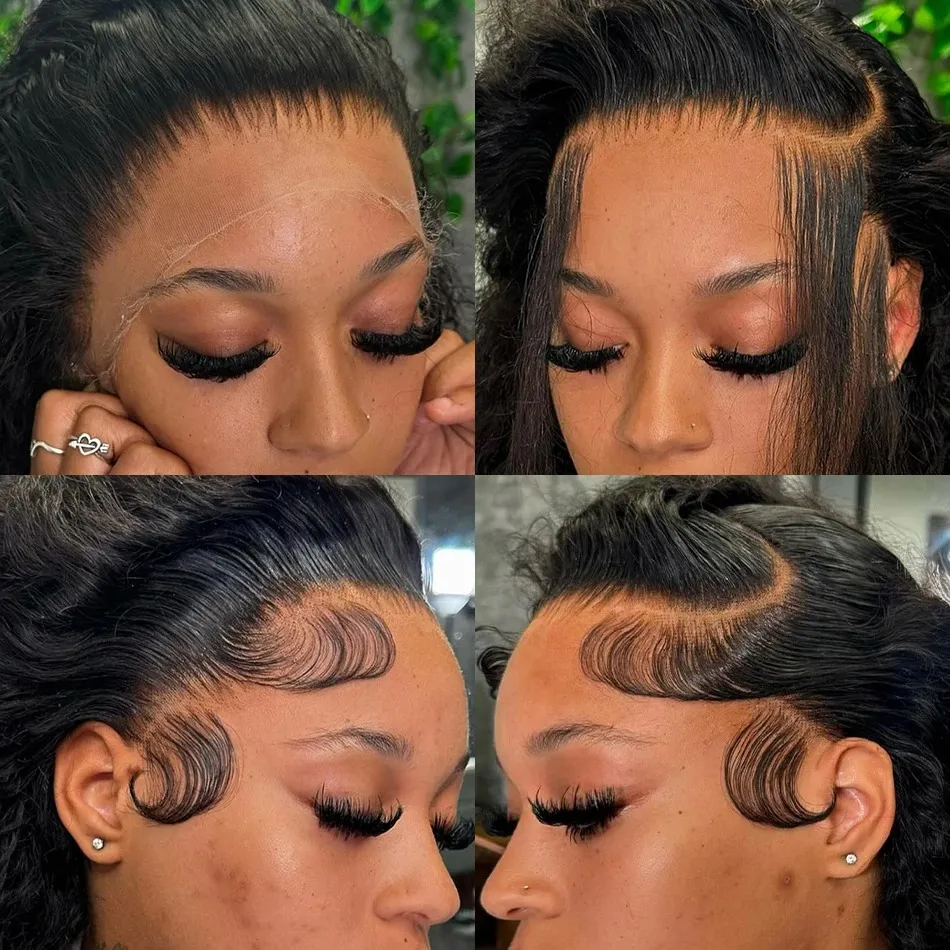
The wig you wear today — whether it's a $40 synthetic bob or an $800 hand-tied lace front — is the direct descendant of those Egyptian wigs from 5,000 years ago. The materials have improved (synthetic fiber, HD lace, silicone grip bands). The construction has been refined (hand-ventilated knots invisible to the naked eye). But the fundamental reason people wear wigs hasn't changed at all. Protection. Presentation. Transformation. An Egyptian noblewoman putting on her beeswax-set braided wig in 2700 BCE and a modern woman putting on her pre-plucked lace front in 2026 are doing the same thing: choosing how they want the world to see them. That impulse is older than written language.
Five thousand years of wig history, and we're proud to be part of it. The technology is better now. The selection is wider. But the feeling of putting on a great wig and loving what you see? That's timeless.