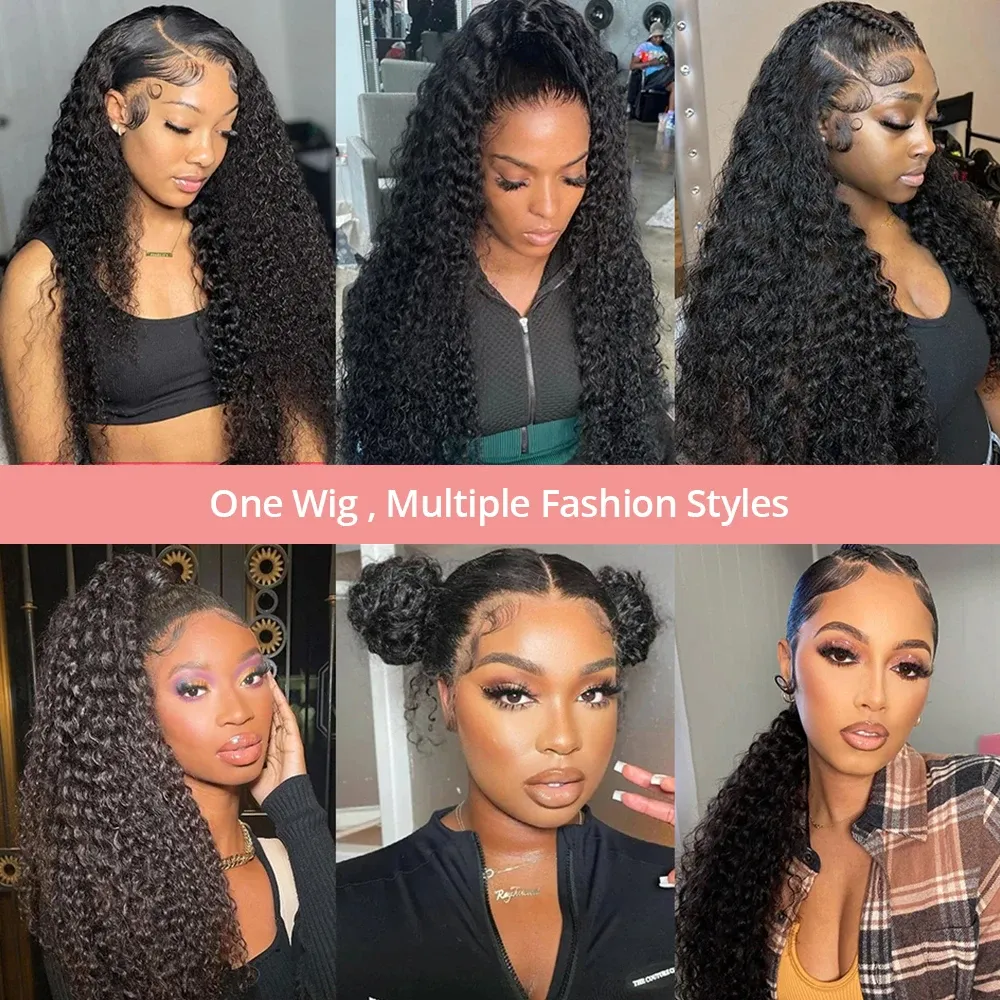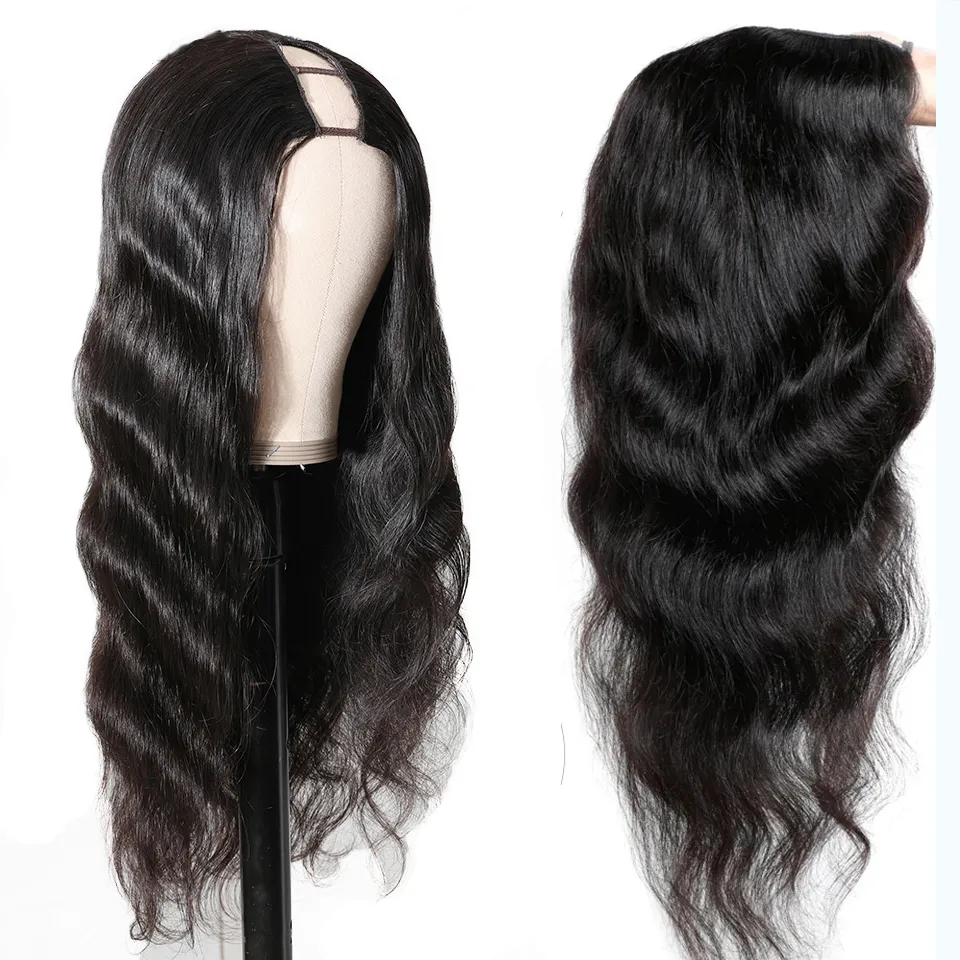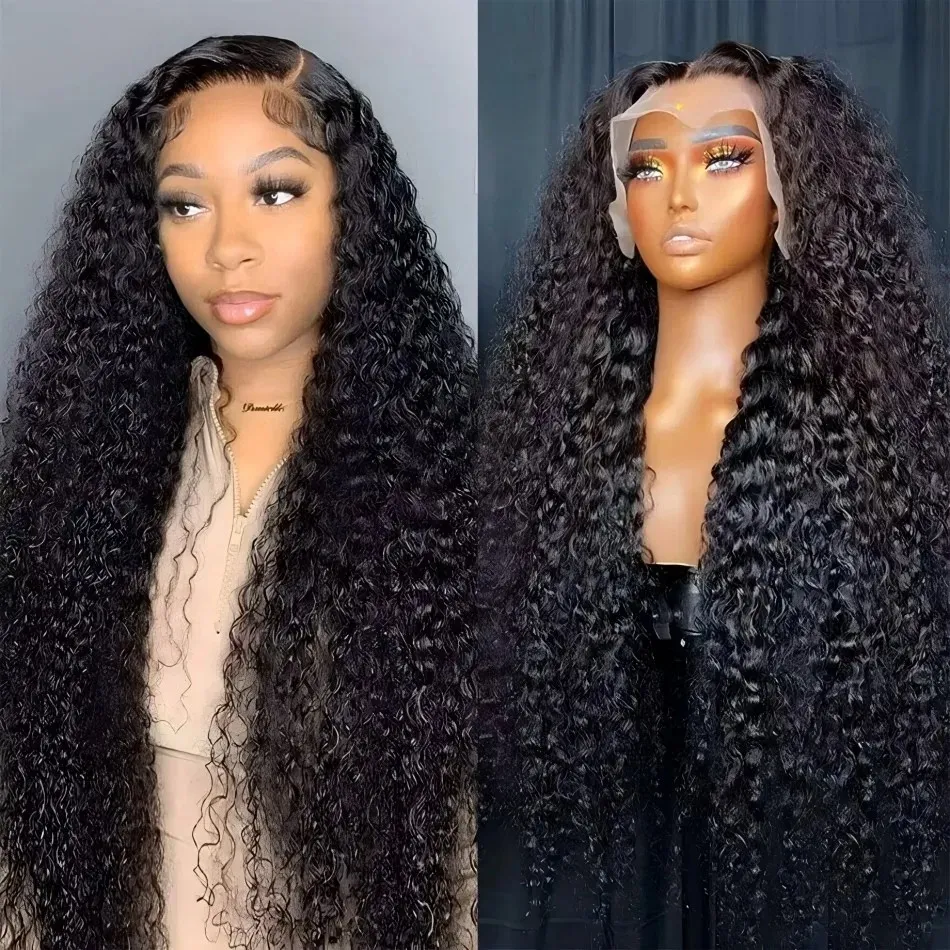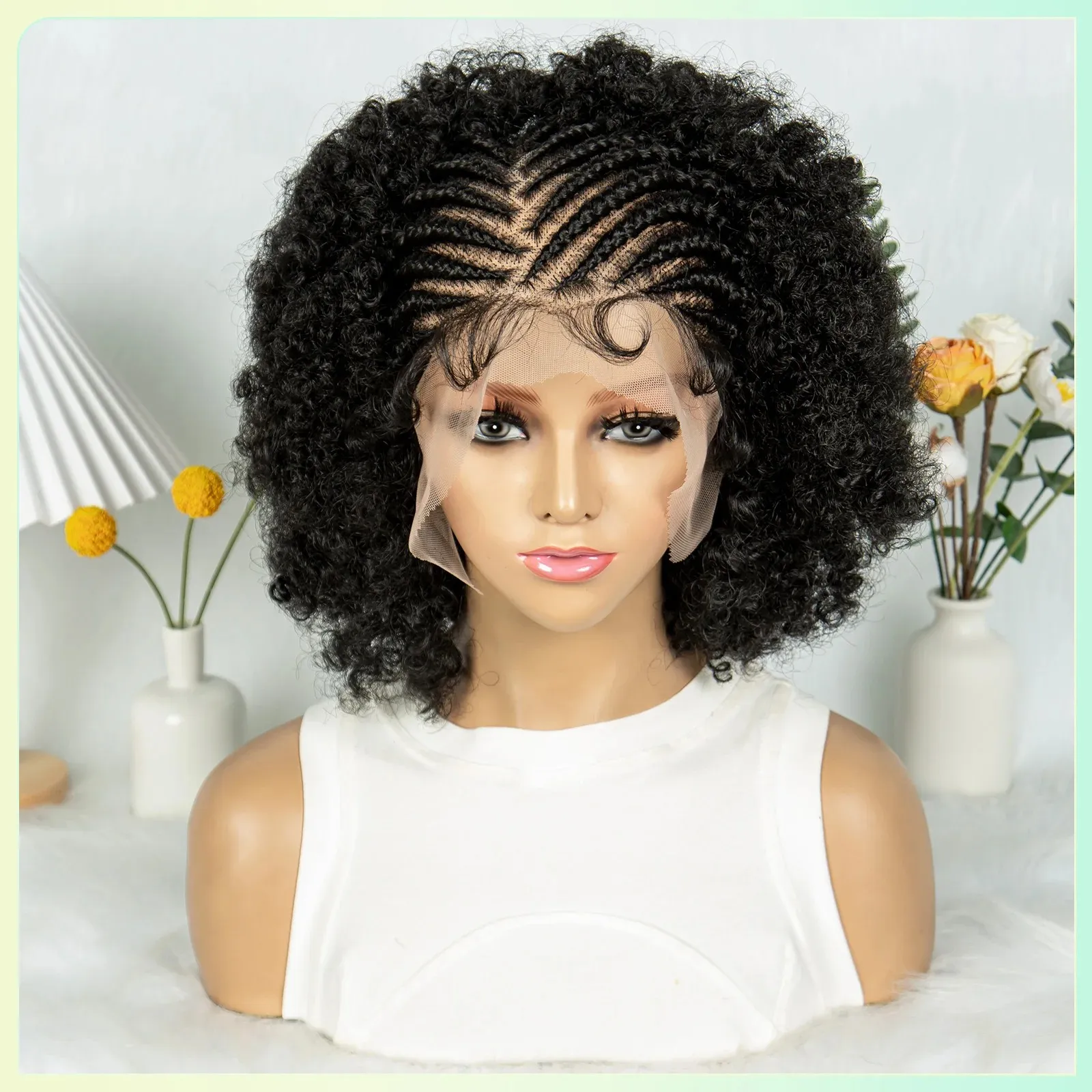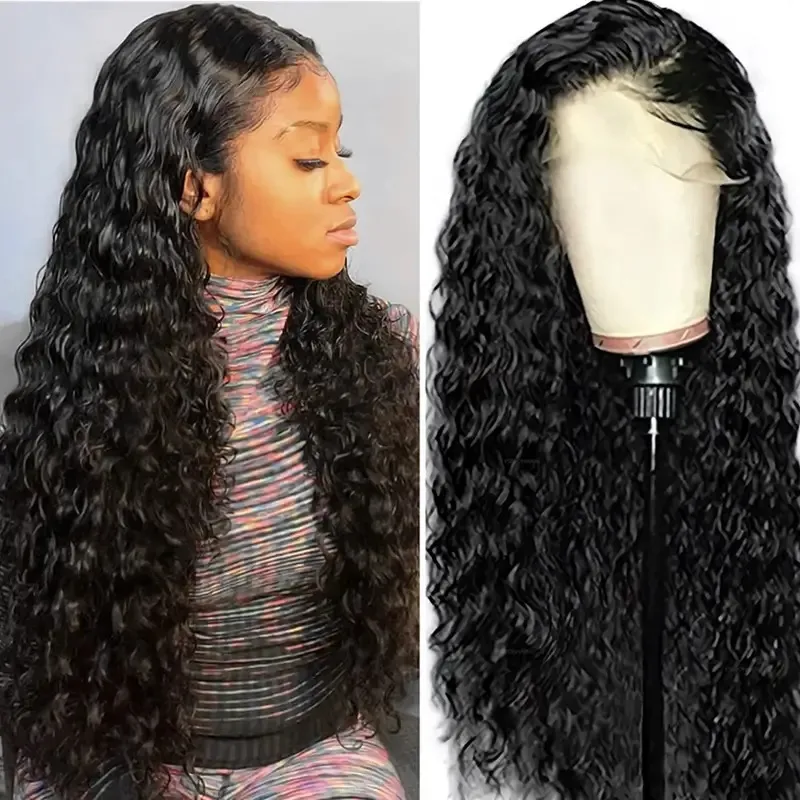






| Origin | India, China, Brazil, Malaysia, Peru, Myanmar — bought from donors, temples, or hair collectors |
| Processing | Washed, sorted by length, cuticle-aligned (Remy) or randomized (non-Remy), then dyed/bleached |
| Grades | Virgin (never processed) → Remy (cuticles aligned) → Non-Remy (mixed cuticles, tangles more) |
| Lifespan | 6 months – 3+ years (see cost guide) |
| Feels like | Real hair. Because it is. |
| Material | Modacrylic, polyester, or PVC blended into hair-like strands |
| Types | Standard → Premium silk → Heat-friendly/defiant → Futura (heat to 400°F) |
| Style memory | Baked in at factory. Holds shape through washing. Can be reset with steam/heat. |
| Lifespan | 1–12 months depending on quality tier |
| Feels like | Varies from "obviously plastic" to "wait, is that real?" |
Human hair: bundled by length, washed, chemically treated to remove lice/nits, then sorted by texture and color. The cuticle direction is preserved (Remy) or randomized (non-Remy). Synthetic: polymer pellets are melted and extruded through tiny holes to create hair-like strands, then cooled, cut to length, and textured.
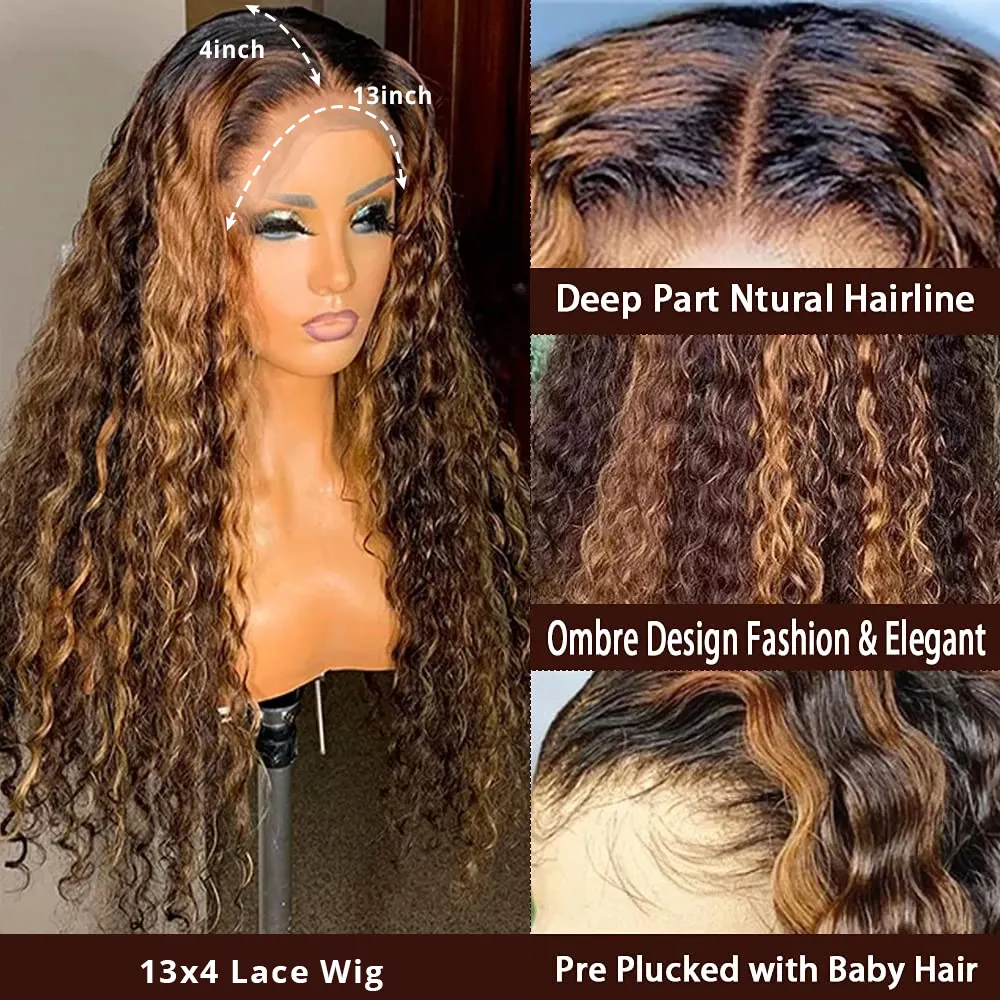
A base is built from lace, mesh, or fabric — cut to size patterns (petite, average, large). For lace-front wigs, a lace panel is sewn to the front of the cap. For monofilament wigs, a fine mesh crown is added. For basic caps, rows of elastic and fabric are assembled.
Hand-tying (ventilating): For lace and monofilament areas. A ventilating needle hooks a few strands of hair, pulls them through the cap material, and ties a microscopic knot. This is repeated thousands of times — 40–60 hours for a full lace wig. Machine-wefting: For basic caps. Rows of hair are machine-sewn onto strips, which are then sewn in rows onto the cap. Faster and cheaper, but limits styling to the direction of the wefts.
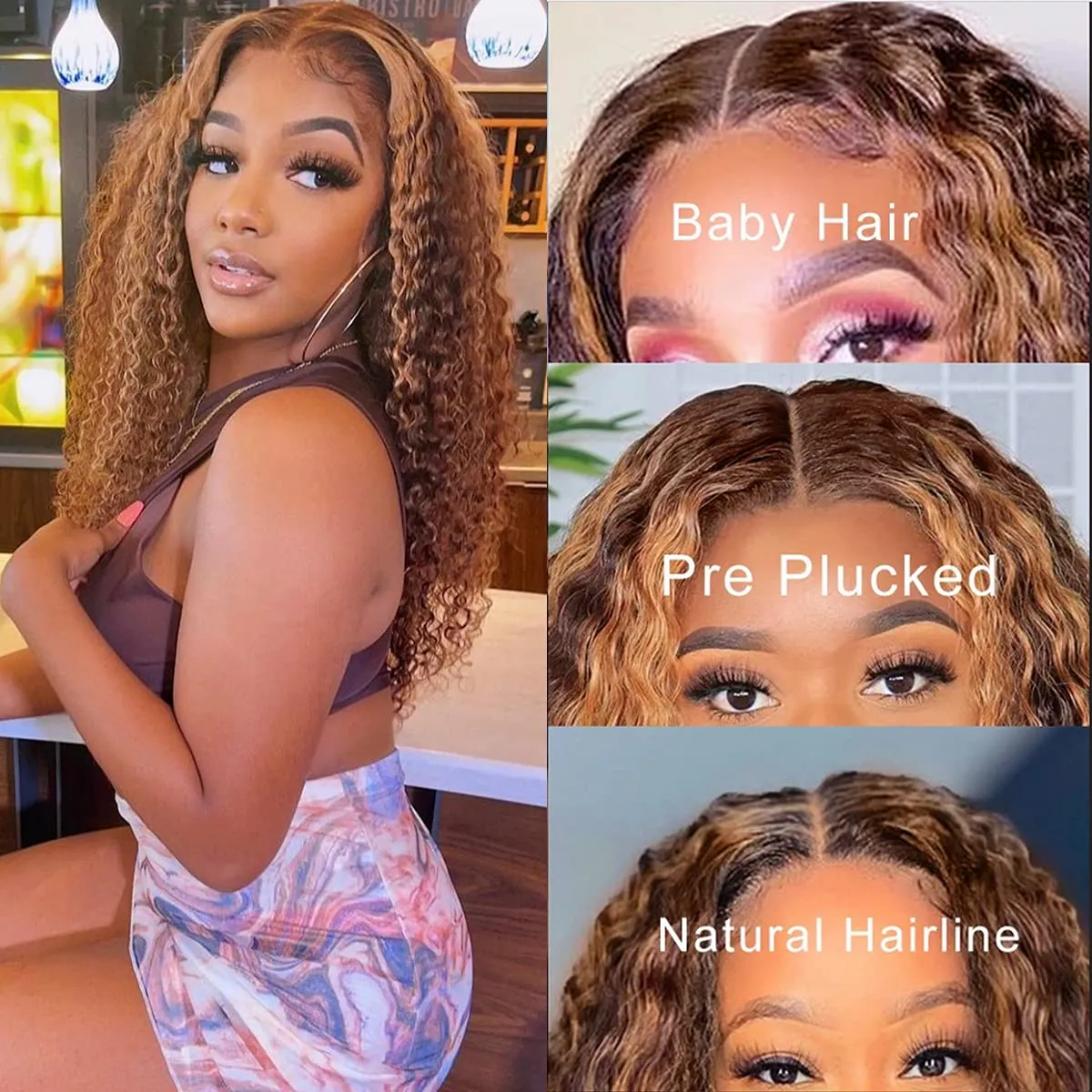
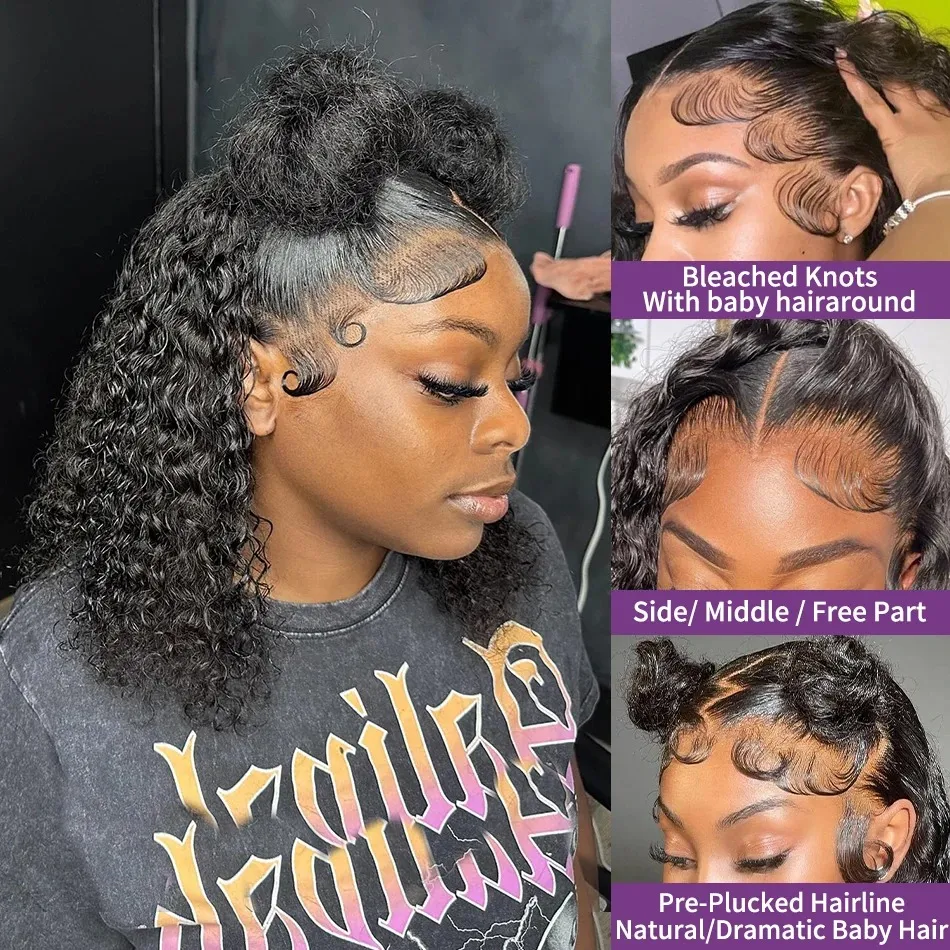
The knots along the hairline are bleached to make them less visible. The hairline is plucked for irregularity. The lace is trimmed. The wig is washed, conditioned, and styled into its final shape. Quality control checks for bald spots, uneven density, and lace flaws.
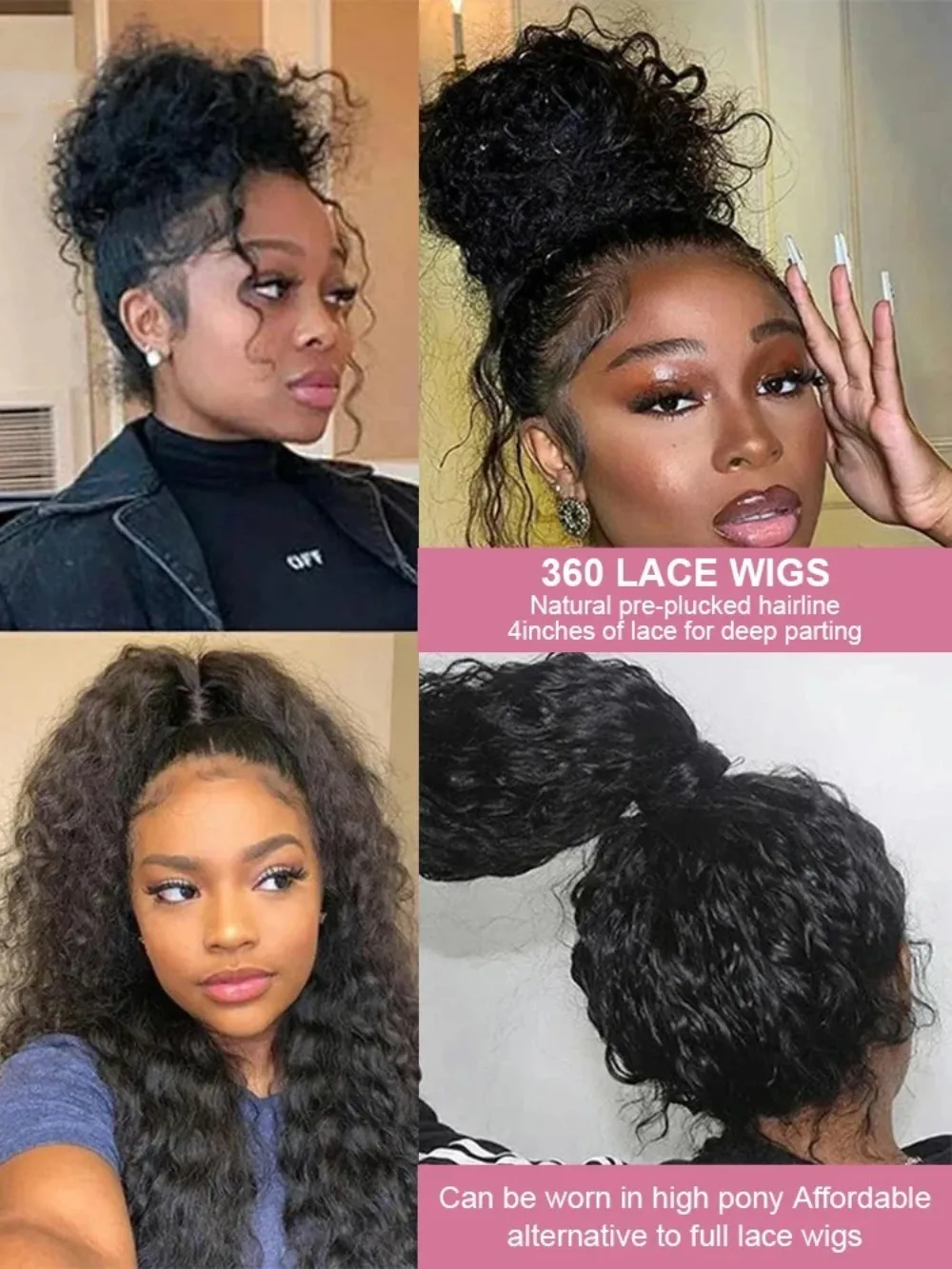
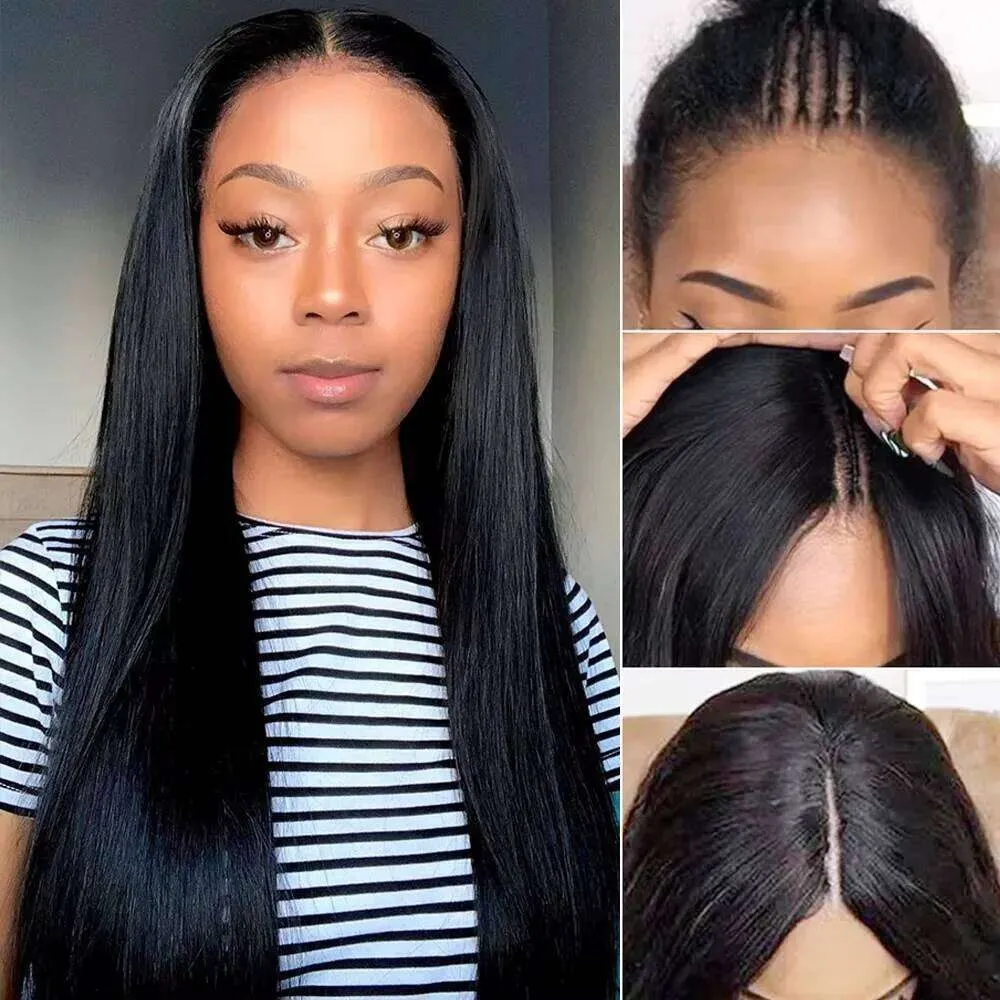
Lace — the fine mesh at the front of a lace front wig — is made from either Swiss lace (finer, more delicate, more expensive) or French lace (slightly thicker, more durable, more affordable). HD lace is an ultra-thin, transparent variation that virtually disappears against skin. The lace is what makes a wig's hairline look like a scalp. Without it, you can't achieve an undetectable front hairline regardless of how good the hair is.
When a product page says "human hair lace front," you need to read between the lines. Is it Remy or non-Remy? Virgin or processed? Swiss lace or French lace? Hand-tied or machine-wefted? Each word in the description corresponds to a choice the manufacturer made that affects price, appearance, and durability. The more you understand what goes into a wig, the better you can judge whether the price is fair — and whether the wig will actually look the way you want it to.
We describe our wigs in detail — material, construction, lace type, density — because you deserve to know exactly what you're buying. No vague descriptions. No surprises.