


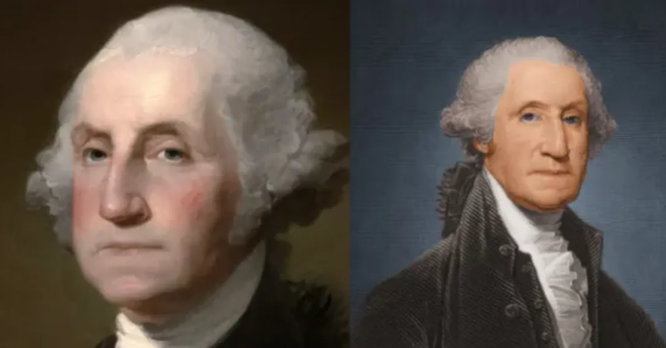
George Washington is one of the easiest wig myths to understand. The portraits show pale, formal, shaped hair, and our modern brain says, 'wig.' History says the story is more specific.
His hair was his own, powdered and styled in the fashion of the time. That difference is small, but it tells us a lot about how hair can signal status without being a wig at all.
The common myth is that George Washington wore a wig. Mount Vernon and historical educators explain that Washington's white-looking hair in portraits was his own hair, styled and powdered.
In the 1700s, powdering hair was normal among men of status, so the look can read as a wig to modern eyes.
Most of us see Washington through portraits, schoolbook images, and the one-dollar bill. The hair is pale, formal, and shaped in a way we associate with powdered wigs.
Because many men in his era did wear wigs, the assumption feels reasonable. But Washington's case is a good reminder that historical hair and historical wigs are not always the same thing.
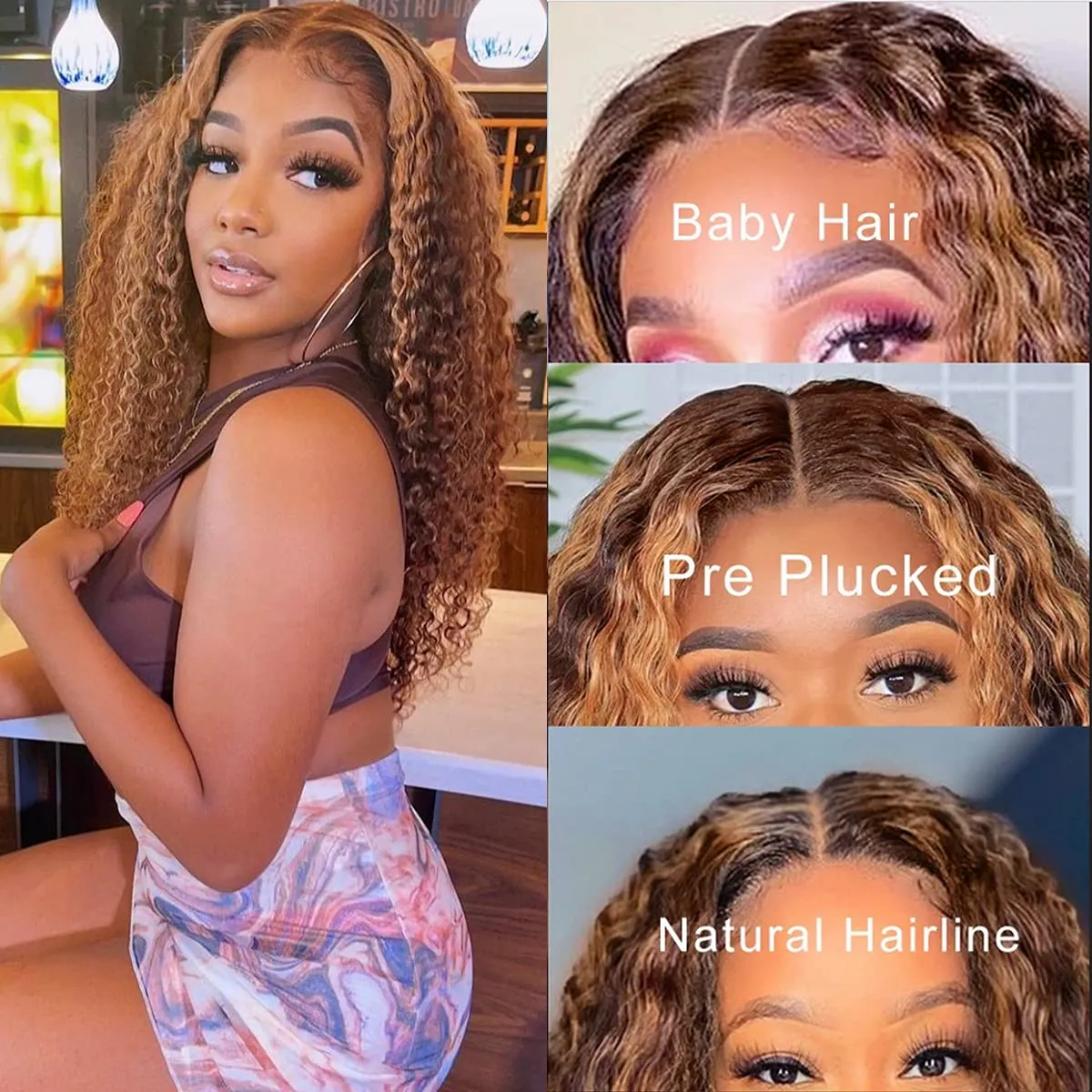
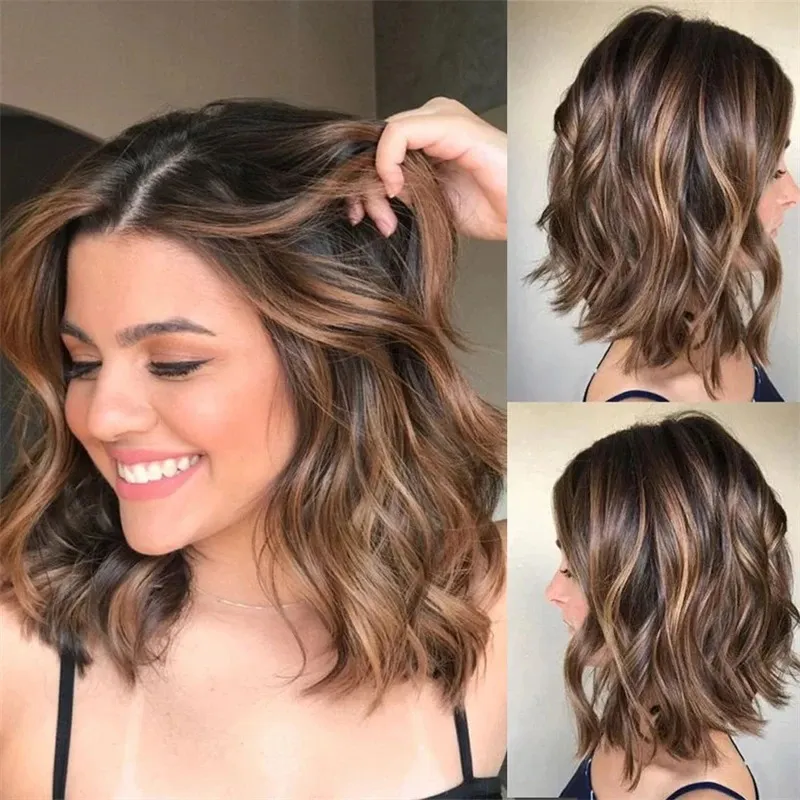
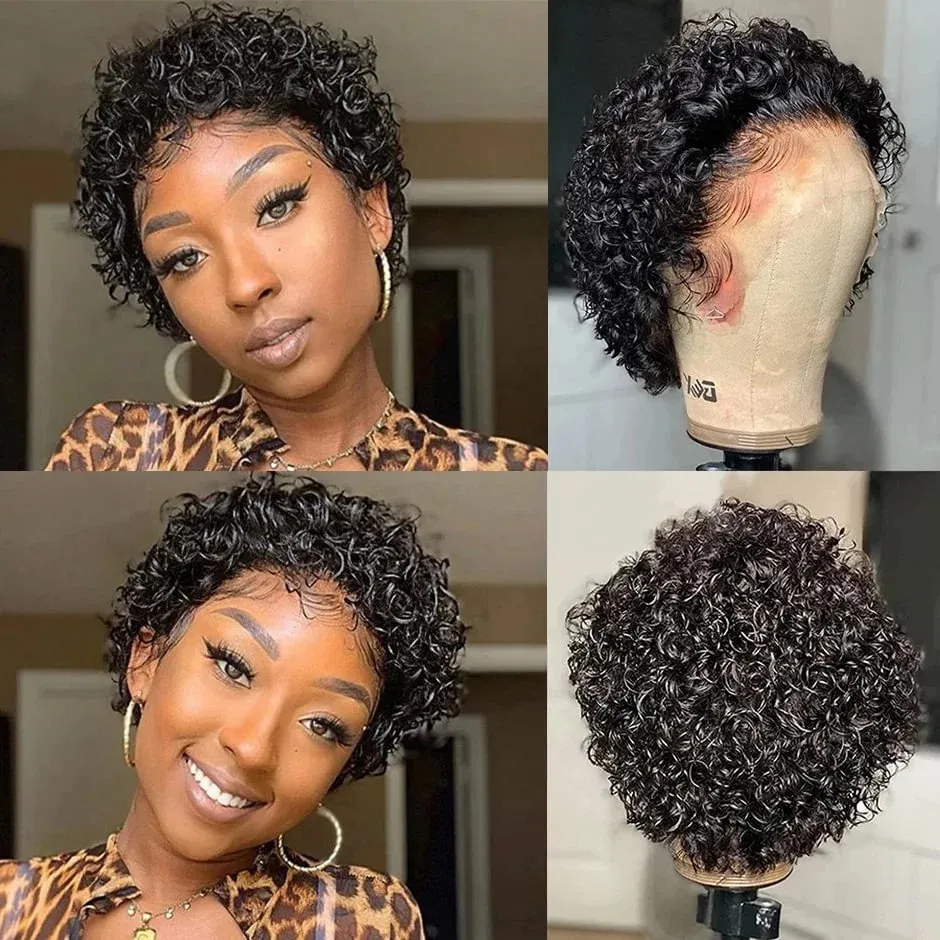
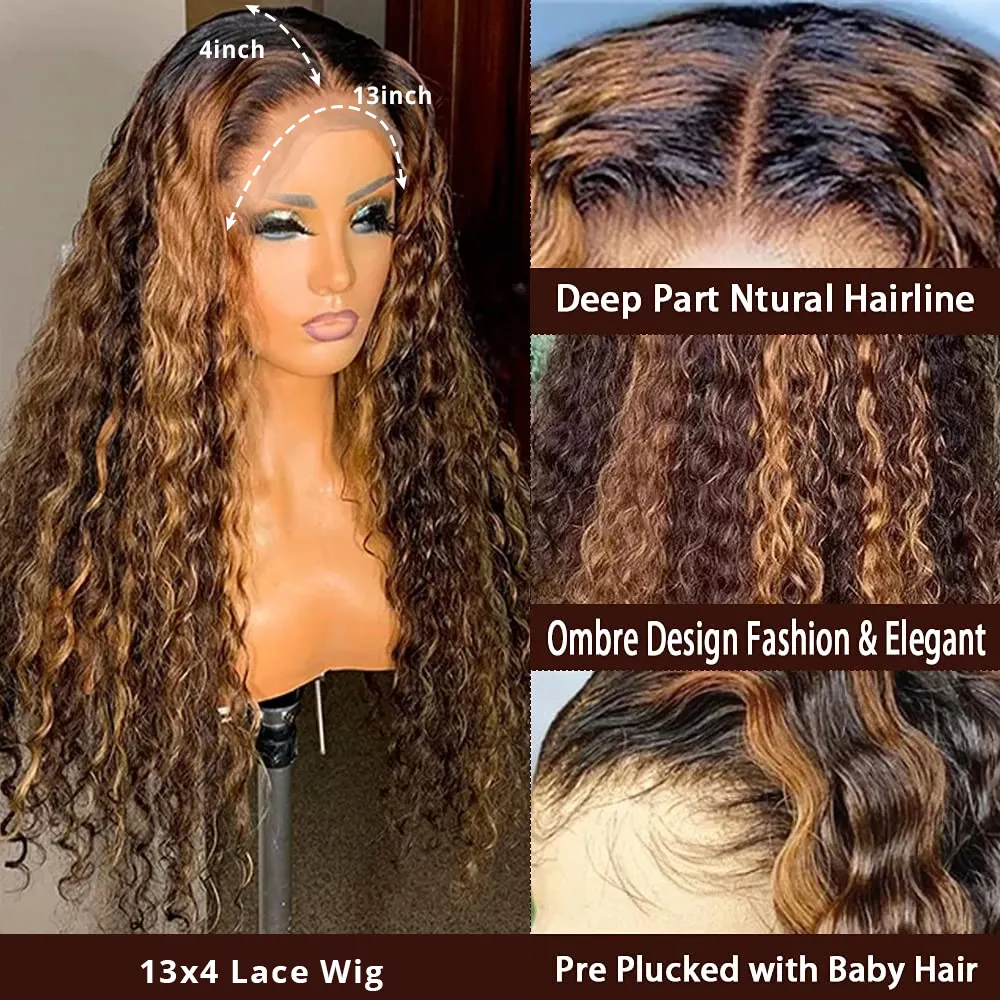
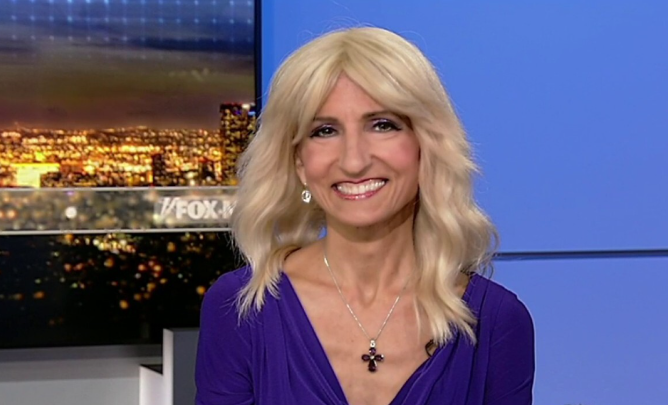
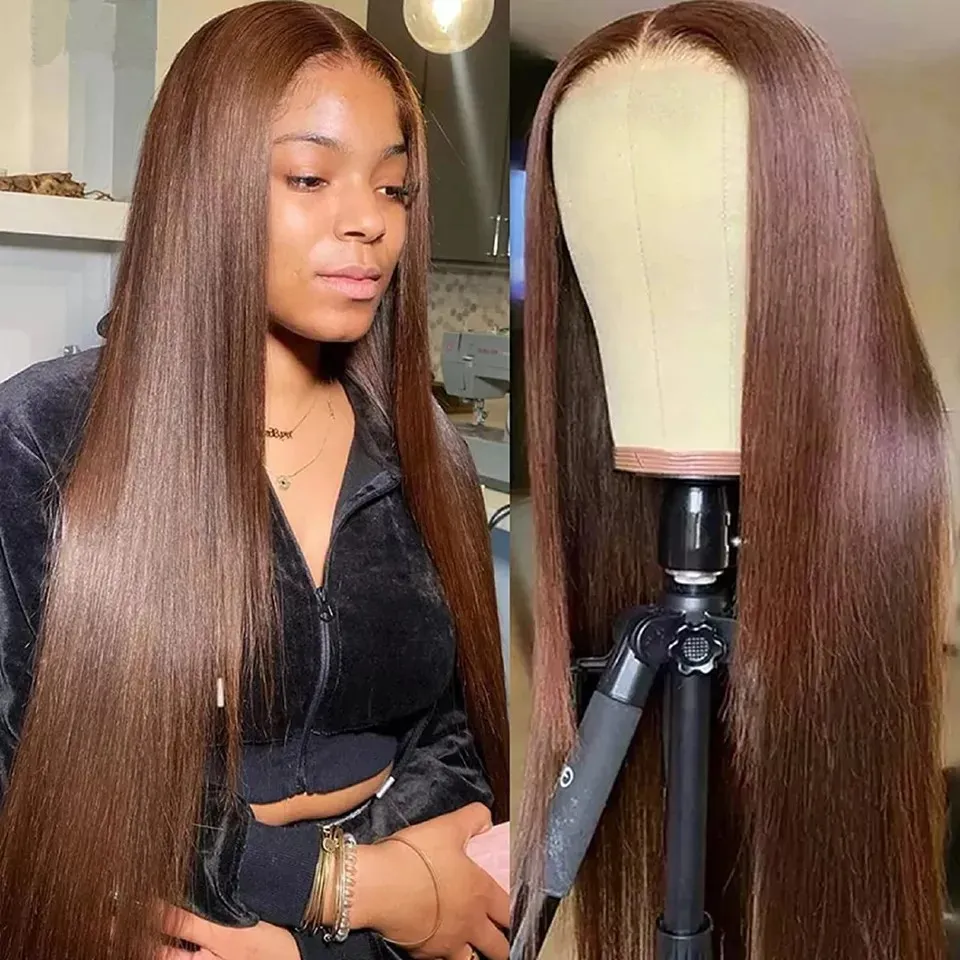
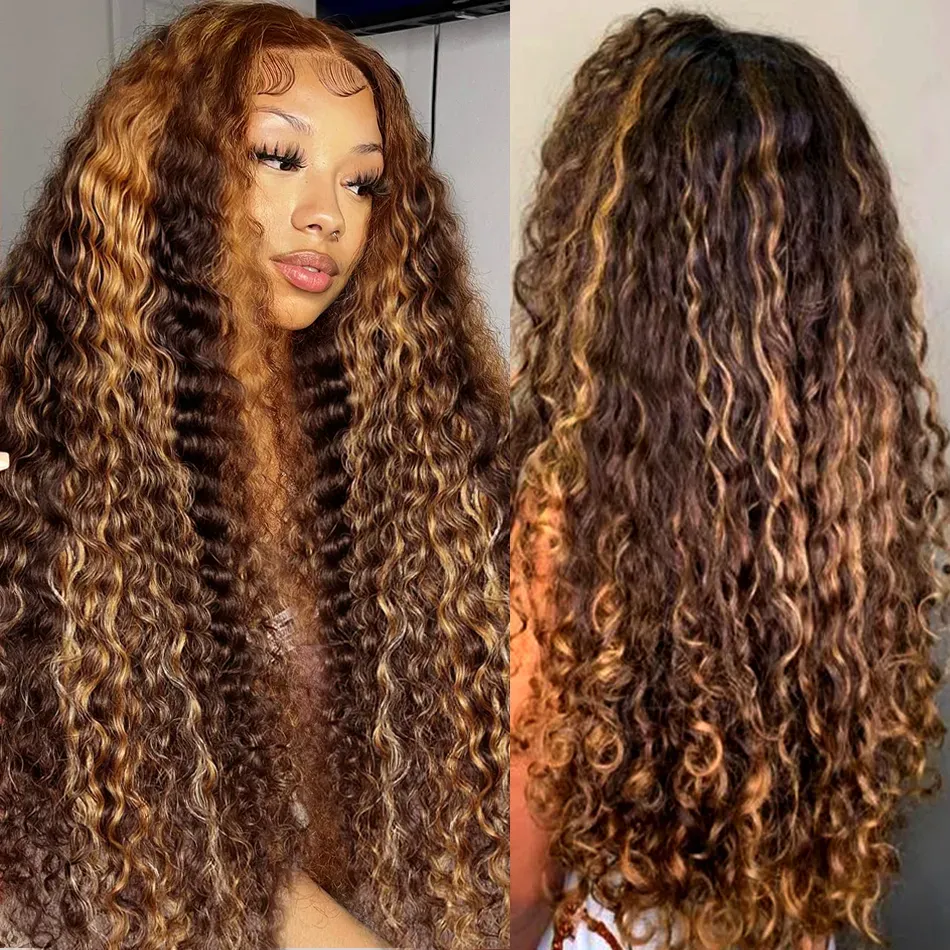
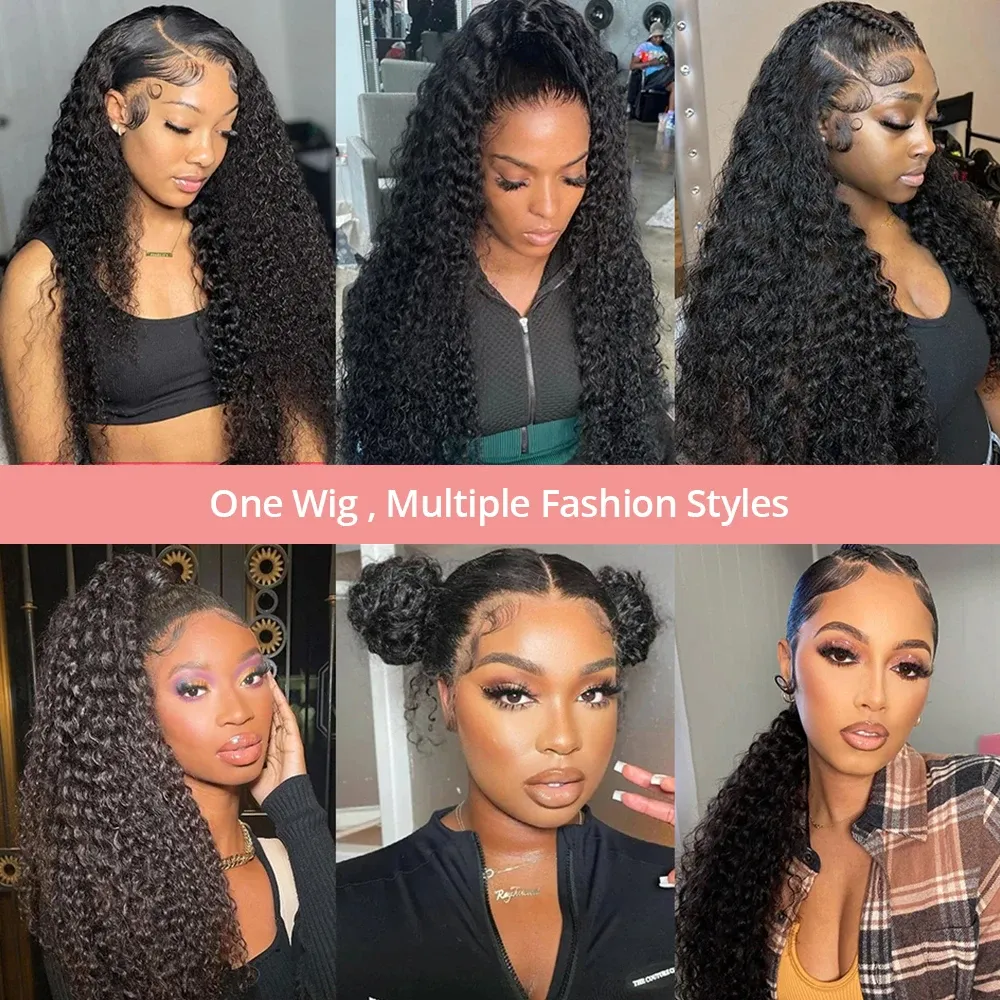
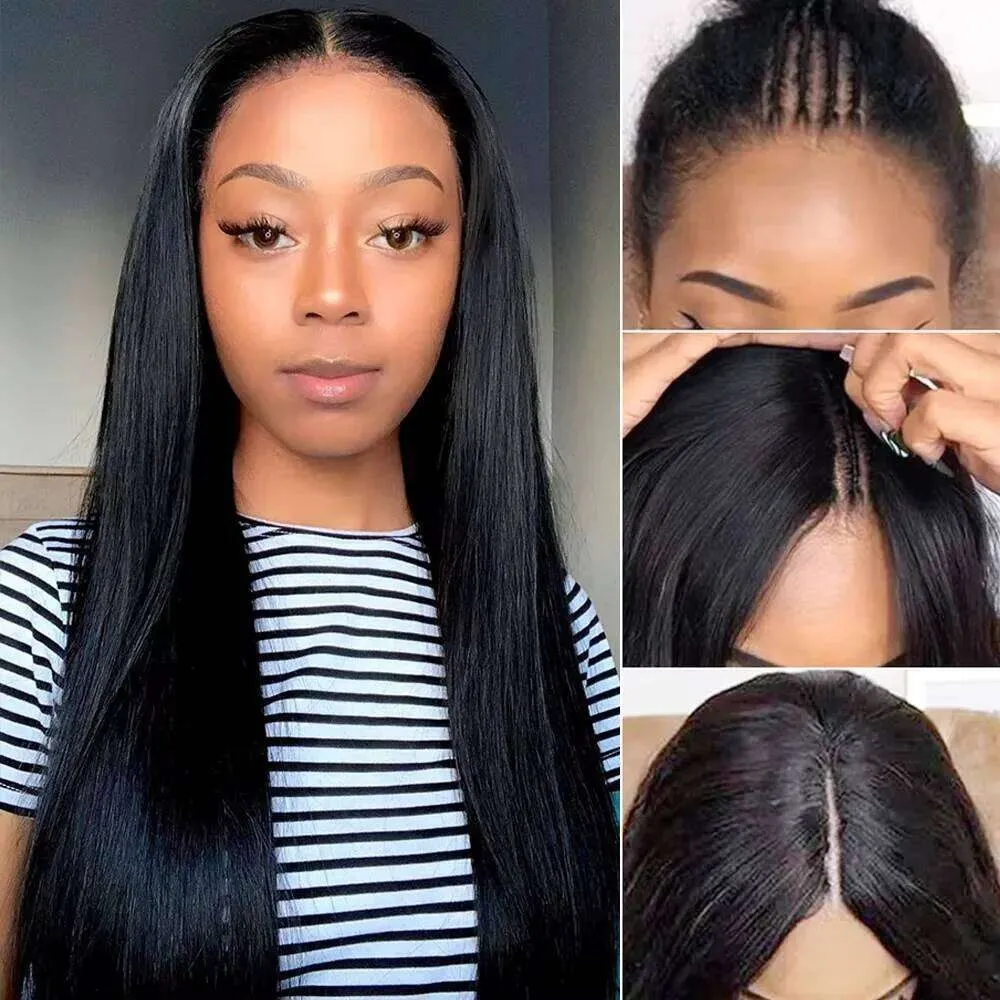
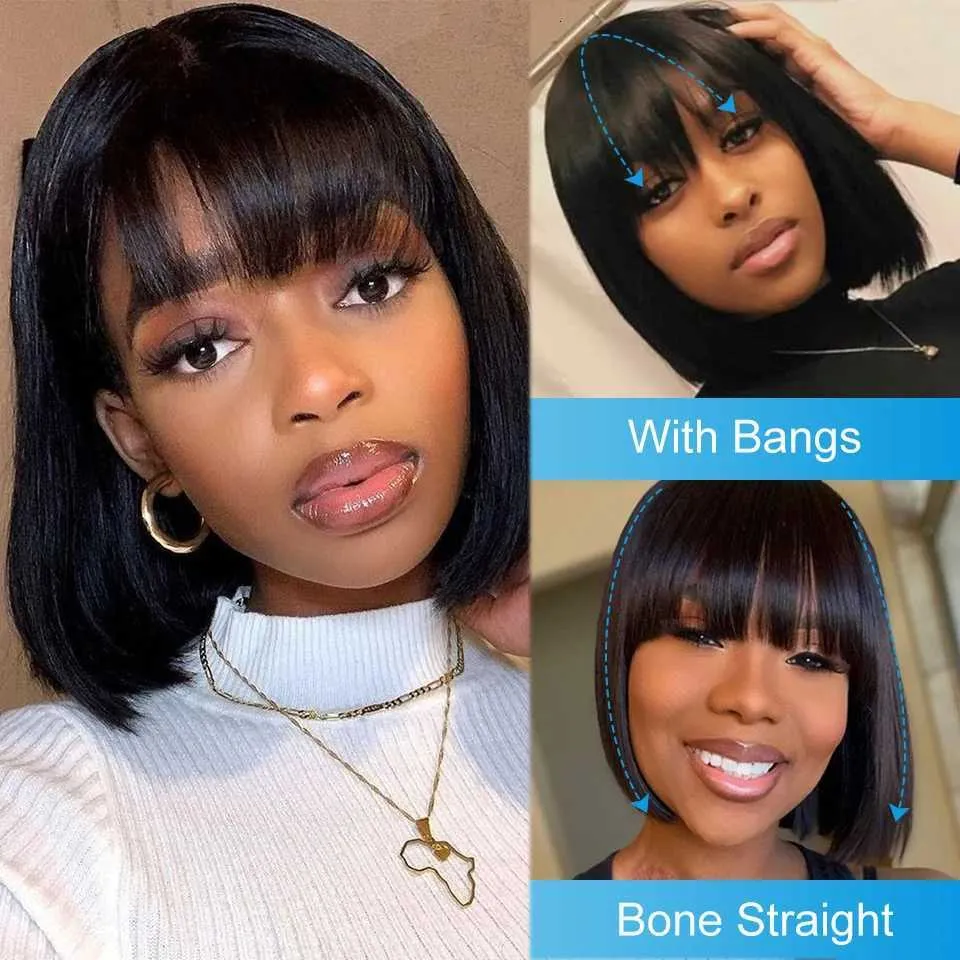
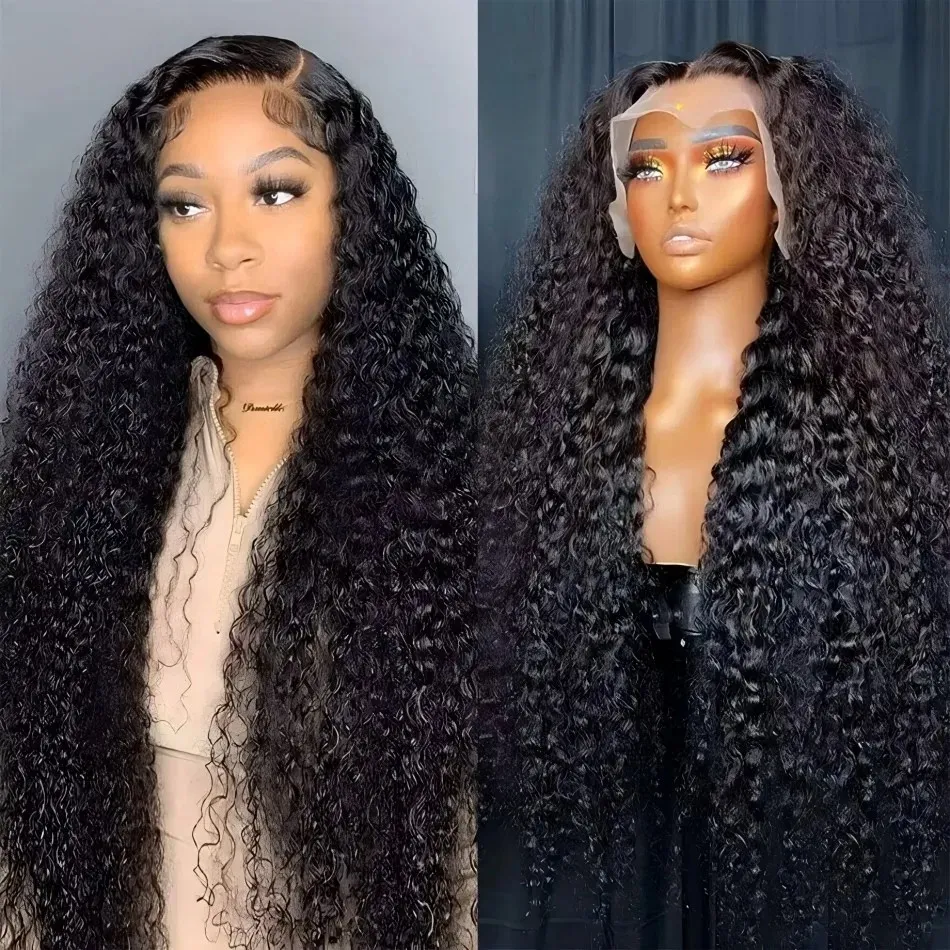
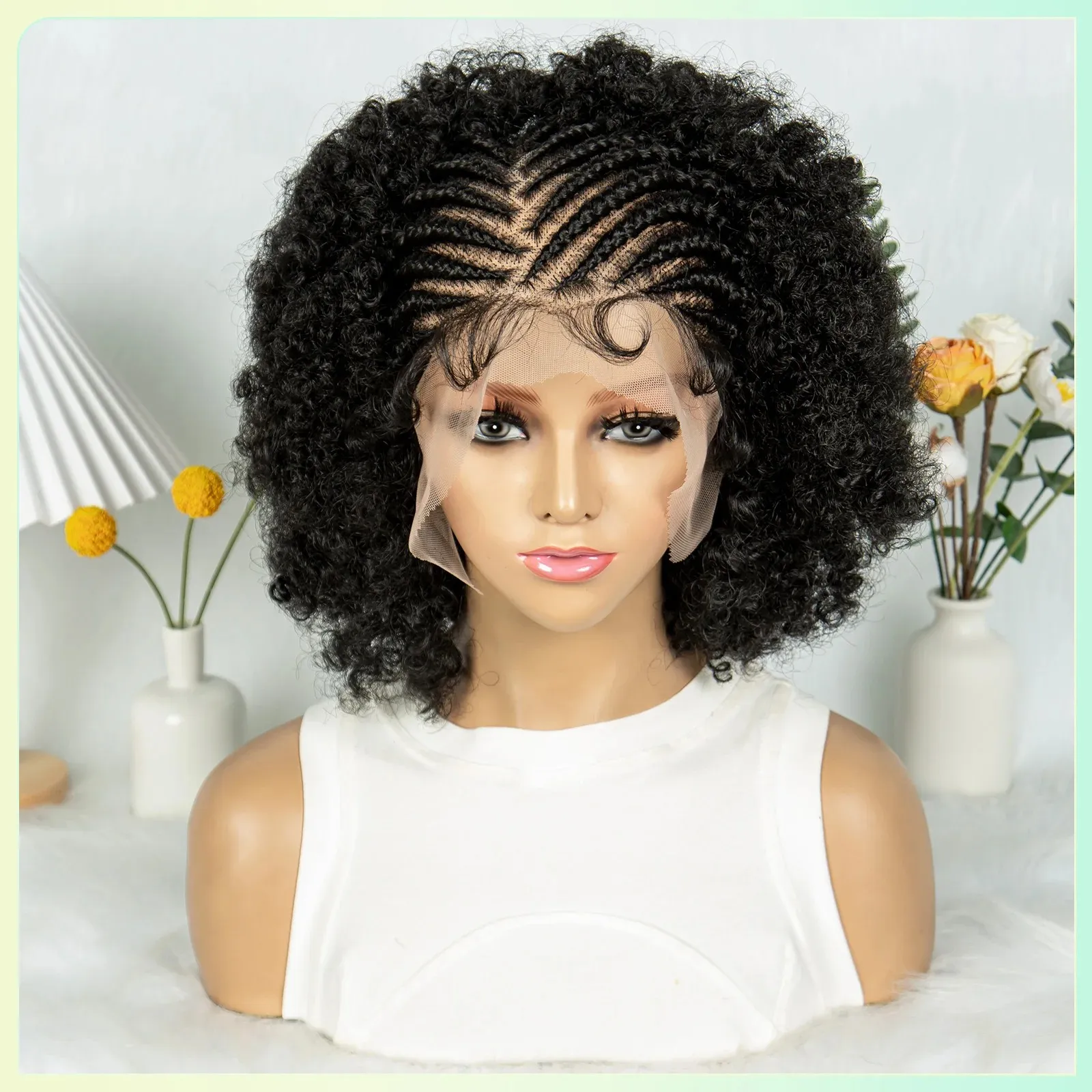
A styled hair shape can change how people read your whole face. Washington's powdered hair created authority and formality. Today, a wig can do the same thing in a modern beauty language: a blunt bob says polished, curls say soft, a sleek middle part says controlled, and a highlighted body wave says glam.
The lesson is not that you need 1700s powder. It is that hair has always helped people communicate identity before they say a word.
When you understand the range, you stop asking whether wigs are acceptable and start asking which wig serves the purpose.
The practical question is not whether wigs have meaning. It is which meaning fits your life right now.
When I answer questions about did george washington wear a wig, I try to separate curiosity from judgment. People often search these topics because they have heard a rumor, seen an old portrait, watched a court scene, or noticed a religious practice they do not understand. A good wig article should slow that moment down. It should say: here is the context, here is what we know, here is what we should not assume, and here is how the same idea connects to modern wig wearing.
Context turns the wig from a secret into an option. That shift matters.
My job is to help shoppers choose well while keeping that wider meaning in view.
Style still matters, but purpose should lead the shopping conversation.
A good wig starts with the part nobody sees.
The most useful wig is the one you can maintain without resentment.
Good content leaves people more informed, not more judged.
That perspective keeps the article respectful instead of smug.
Good buying starts with honesty, not embarrassment.
A wig that fits the purpose will usually look better because the wearer is not fighting it all day.
That is the standard I would rather publish under the RizzWigs name.
The George Washington wig myth sticks because the image is so strong. White hair, side volume, formal portraits, and 1700s clothing all match what many Americans imagine when they hear powdered wig. The visual shortcut is easy, even when the fact is different.
Washington's case is helpful because it separates powdered hair from a powdered wig. In his era, men could powder their own hair or wear wigs. The white appearance alone does not prove a wig.
That distinction matters for history, but it also matters for modern wig talk. People often look at a hairstyle and assume they know the construction. Maybe it is a wig. Maybe it is extensions. Maybe it is styling. Maybe it is natural hair shaped in a way that reads unfamiliar.
For wig buyers, this is a reminder not to judge too fast from a photo. Construction hides behind styling. A lace front, a topper, or natural hair with product can create similar silhouettes depending on the angle.
Washington did not need a wig to create a formal hair image. Powder and styling did the work. Today, wigs, color, styling tools, and hairpieces all help people create the image they want the world to read.
The myth also survives because American classrooms simplify images. Children learn the face before they learn the grooming details. By the time adults hear the correction, the wig assumption already feels familiar.
Washington's natural hair was reddish-brown before powdering, which makes the white portrait look even more misleading to modern viewers.
Hair powder helped create the pale, formal finish associated with elite men of the period. That is why the same visual language appears across many portraits, not only Washington's.
This matters because it teaches better visual literacy. A hair look can be constructed through styling without being a wig, just as a modern blowout, topper, or extensions can change the read of someone's hair.
For wig shoppers, the practical takeaway is patience. Do not assume you know what you are seeing from one image. Ask what construction would create the result you want.
Real-life question: Did George Washington wear a wig?
What I would say: Historical sources say he wore his own hair, powdered in the style of the time.
Real-life question: Why does his hair look white?
What I would say: Hair powder created the pale look seen in portraits.
Real-life question: Did men around him wear wigs?
What I would say: Many men of the period did, especially in formal or elite settings.
Real-life question: Is powdered hair the same as a wig?
What I would say: No. Powder could be applied to natural hair or to wigs.