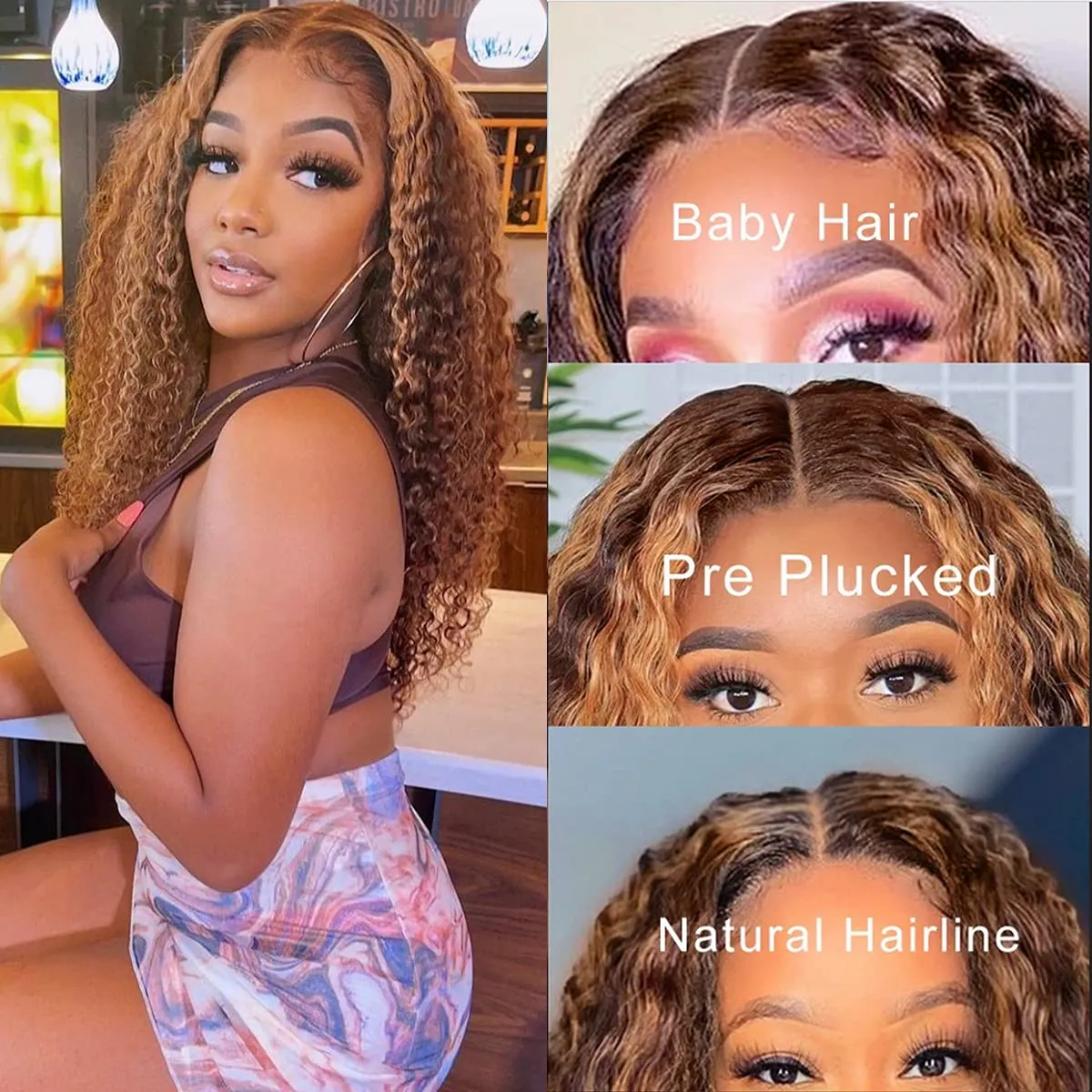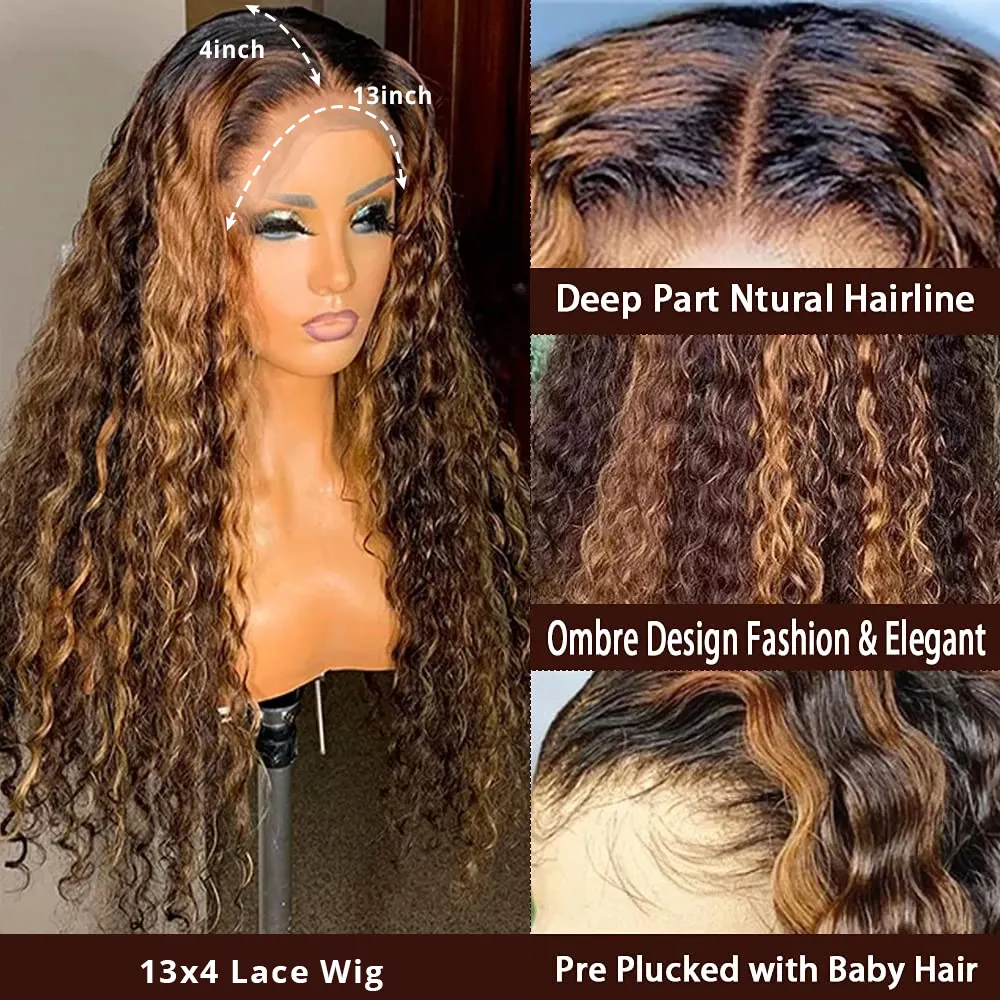
Human hair wigs are made through a chain of labor: sourcing hair, sorting it, processing it, building the cap, attaching the hair, cutting, styling, and checking the finished piece.
1. Hair is collected and sorted
Human hair may come from donors, salon collection, or commercial suppliers. Better hair is sorted by length, texture, color, and direction. Remy hair keeps the cuticles aligned, which helps reduce tangling.
2. The hair is cleaned and processed
Hair may be washed, disinfected, colored, steamed, textured, or silicone-coated depending on the final product. The more processing a wig receives, the more careful future coloring must be.
3. The cap is built
Caps can be machine-wefted, hand-tied, lace-front, full-lace, monofilament, capless, or a hybrid. The cap determines comfort, realism, ventilation, and price.
4. Hair is attached
Machine-made wigs use wefts sewn onto the cap. Higher-end areas may be ventilated by hand, meaning individual strands are tied into lace or mesh. This is slow, skilled work and one reason realistic wigs cost more.
5. The wig is finished
The wig is cut, shaped, styled, inspected, and packaged. A good final wig should balance density, parting, hairline realism, comfort, and durability.
Bottom line
A human hair wig is not just hair on a cap. It is a constructed object, and its quality depends on hair sourcing, cap design, knot work, processing, and finishing.