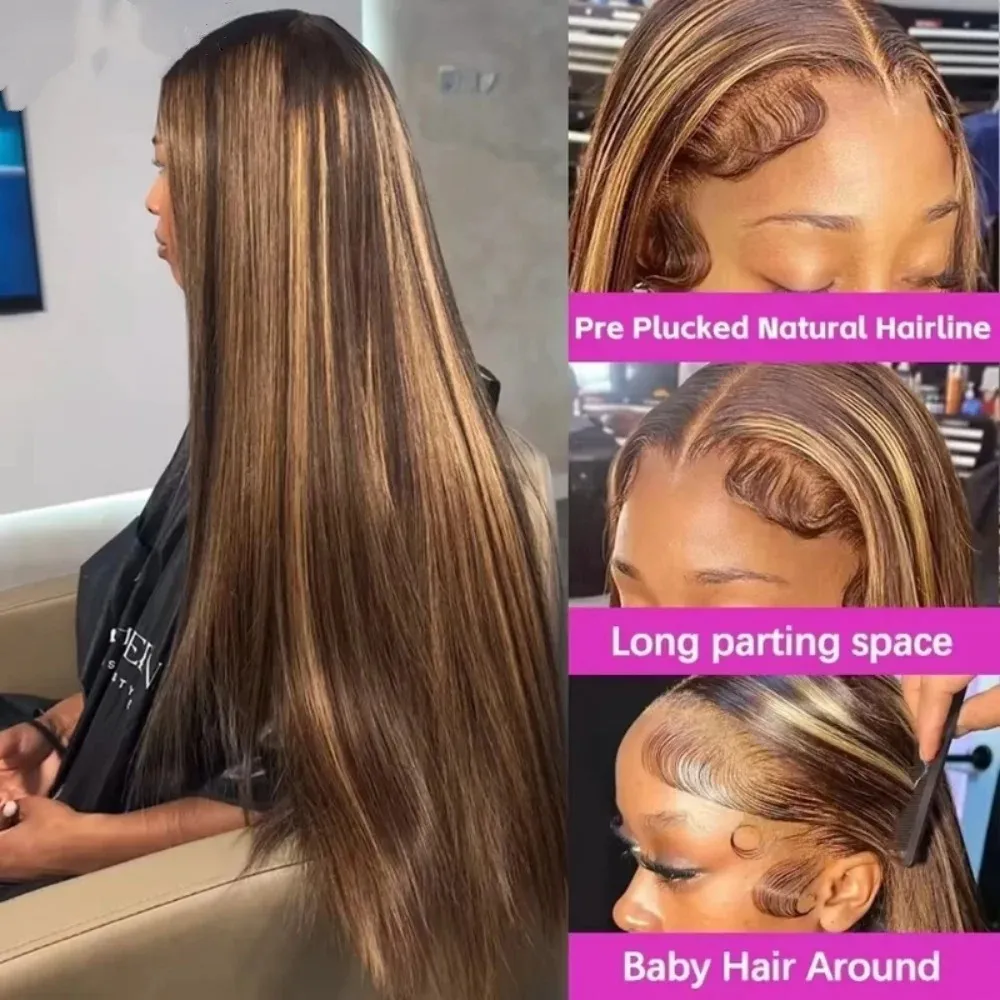
Some Orthodox and Hasidic Jewish women cover their hair after marriage. A wig worn for this purpose is often called a sheitel. Some communities also have a custom of cutting or shaving the hair, but that is not universal.
The religious idea
The central idea is modesty and marital privacy. Hair covering marks a boundary between public and private life after marriage, though different Jewish communities interpret the practice differently.
Why a wig instead of a scarf?
A sheitel lets a woman cover her natural hair while still appearing neat, professional, or stylish in public. Other women choose scarves, hats, turbans, or combinations.
About shaving the head
Not all Jewish women shave their heads. That practice is associated with some Hasidic communities and family customs, not with all Orthodox Judaism.
Bottom line
The answer depends on community and personal practice. Wigs are one form of religious hair covering, and the shaving question should be handled carefully because it is not a universal rule.